A slip-and-fall in a Miami salon. A chemical burn from a relaxer treatment in Tampa. A hurricane ripping through your Brickell storefront. Each of these scenarios can cost a Florida salon or barber shop tens of thousands of dollars, and that's before legal fees enter the picture. If you're running a beauty business in the Sunshine State, the right insurance isn't optional: it's the difference between recovering from a setback and closing your doors for good.
Florida's unique mix of weather risks, high foot traffic, and strict state licensing rules makes insurance for hair salons and barber shops here different from most other states. Whether you own a full-service salon, rent a booth, or run a one-chair barber shop, you need coverage tailored to your specific situation. The types of policies you'll carry, the costs you'll pay, and the legal requirements you must meet all depend on how your business is structured and where in Florida you operate. This guide breaks down the essential coverages, Florida-specific regulations, booth renter considerations, and real cost factors so you can protect your livelihood with confidence.
Essential Insurance Coverages for Florida Beauty Professionals
Every salon and barber shop in Florida faces two broad categories of risk: things that happen to people and things that happen to property. Your insurance portfolio needs to address both, and the policies you choose should reflect the specific services you offer. A barber doing straight-razor shaves has different exposure than a stylist specializing in color treatments, and both differ from a salon owner who leases chairs to independent contractors.
The core policies most Florida beauty businesses need include general liability, professional liability (sometimes called malpractice or errors and omissions), and commercial property insurance. Some owners bundle these into a single package, while others buy them separately depending on their risk profile.
General Liability vs. Professional Liability: Key Differences
General liability covers bodily injury and property damage that happen on your premises but aren't directly related to the service you're performing. A client trips over a cord and breaks a wrist. A delivery person slips on a wet floor. A child knocks over a display and cuts themselves on broken glass. These are all general liability claims.
Professional liability is different. It kicks in when the actual service you provide causes harm. A stylist applies a chemical straightener that causes scalp burns. A barber nicks a client's ear during a fade. A colorist mixes the wrong formula and causes severe hair breakage. These claims stem from your professional work, and general liability won't cover them.
Many salon owners don't realize these are two separate policies until a claim gets denied. If a client sues because a keratin treatment caused an allergic reaction, your general liability insurer will point you to your professional liability policy. If you don't have one, you're paying out of pocket.
Commercial Property and Business Personal Property
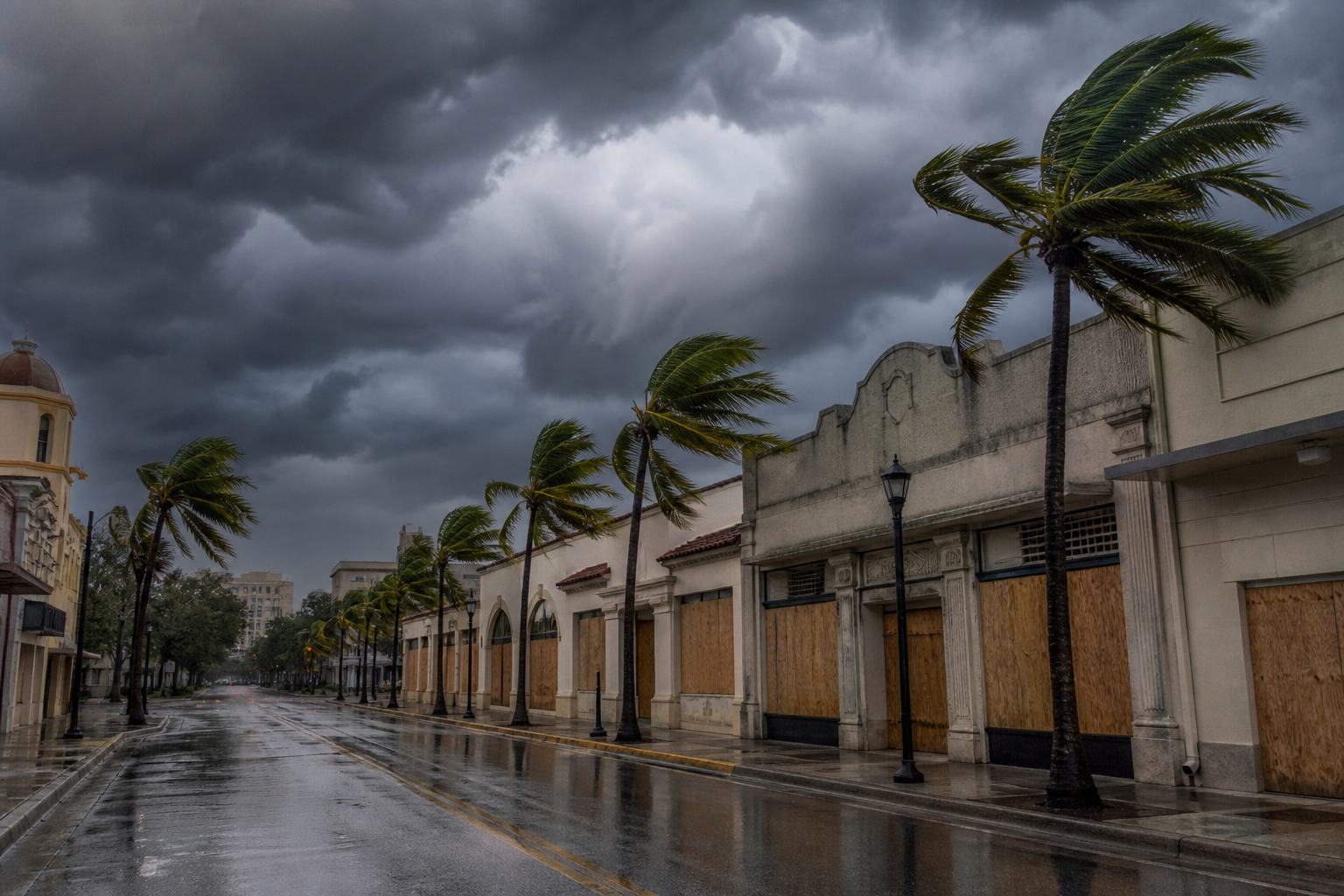
Commercial property insurance protects the physical space you operate in, whether you own or lease it. This covers damage from fire, storms, vandalism, and other covered events. In Florida, hurricane and wind damage are major concerns, and some policies exclude or limit wind coverage, so read the fine print carefully.
Business personal property covers what's inside: styling chairs, mirrors, shampoo bowls, dryers, retail inventory, and specialized equipment. A standard commercial property policy may not cover everything, especially high-value items like laser hair removal machines or expensive product inventory. You'll want to confirm your policy limits match the actual replacement cost of your equipment. Florida's insurance market has been rebounding in recent years, which means more options and potentially better rates for property coverage.
Comparison: General Liability vs. Professional Liability Table
| Feature | General Liability | Professional Liability |
|---|---|---|
| What it covers | Slip-and-falls, property damage on premises | Harm caused by your professional services |
| Example claim | Client trips on a wet floor | Chemical treatment causes scalp burns |
| Typical limit | $1M per occurrence / $2M aggregate | $1M per occurrence / $2M aggregate |
| Required by landlords? | Almost always | Sometimes |
| Covers legal defense? | Yes | Yes |
| Covers product liability? | Often included | Rarely |

By: Montreal Morand
Founder & Managing Partner
Macpherson Insurance Agency
Florida-Specific Requirements and Regulations
Florida has its own set of rules that affect how you structure your salon or barber shop insurance. Ignoring them can lead to fines, license suspension, or personal liability exposure that no policy will cover after the fact.
Workers' Compensation Laws for Small Businesses
Florida requires workers' compensation insurance for any business in the non-construction industry with four or more employees. If you run a salon with three stylists and a receptionist, you need workers' comp. The good news for Florida employers is that rates have been dropping consistently. The state approved a 15.1% average rate decrease in 2024, followed by an additional 1.0% reduction, marking the eighth consecutive year of decreases. Florida employers are potentially staring down a tenth straight year of workers' comp savings in 2026.
That said, even if you have fewer than four employees, carrying workers' comp voluntarily can protect you from lawsuits if a stylist burns themselves with a flat iron or develops carpal tunnel from years of cutting hair. Without it, an injured employee can sue you directly.
State Licensing and Liability Compliance
Florida's Department of Business and Professional Regulation (DBPR) oversees salon and barber shop licensing. You'll need a valid salon license to operate, and individual stylists and barbers must hold their own professional licenses. Many landlords and shopping center management companies require proof of both licensing and insurance before signing a lease.
If your license lapses or you're found operating without proper coverage, the DBPR can issue fines or shut you down. Some Florida municipalities also have additional local requirements, so check with your city or county before assuming state compliance is enough.
Insurance for Independent Contractors and Booth Renters
The booth rental model is popular across Florida, from Orlando to Fort Lauderdale. It gives stylists independence and salon owners steady rental income. But it also creates a gray area that catches many people off guard when a claim happens.
Why Booth Renters Need Their Own Policies
If you rent a booth or suite in someone else's salon, the salon owner's insurance almost certainly does not cover you. Their general liability policy protects the business entity, not independent contractors working inside it. If a booth renter's client has an allergic reaction to hair dye, the renter is personally liable.
Booth renters should carry their own general liability and professional liability policies at minimum. Many salon suite leases include specific insurance requirements as a condition of the rental agreement, typically requiring $1M per occurrence in general liability coverage. Failing to carry your own policy doesn't just put you at risk: it can get you evicted from your suite.
A basic booth renter's insurance package in Florida typically runs between $200 and $500 per year, which is a fraction of what a single claim could cost you.
Additional Insured Status for Salon Owners
If you own a salon and lease chairs to independent contractors, you should require each renter to add you as an additional insured on their policy. This gives you a layer of protection if one of their clients files a claim that names your business.
Being listed as an additional insured means the renter's insurance company will defend you in a covered claim, rather than forcing you to rely solely on your own policy. It's a standard practice, and most insurers will add it at no extra charge. Make it a non-negotiable part of your booth rental agreement.
Estimating Your Insurance Costs in Florida
Cost is usually the first question salon and barber shop owners ask, and the answer depends on several variables specific to your business. A solo barber in Pensacola will pay far less than a 10-chair salon in Miami offering chemical services.
Factors That Influence Your Monthly Premium
Your premium is calculated based on a combination of risk factors. The most significant ones include:
- Location : Shops in hurricane-prone coastal areas like Miami or Fort Myers pay more for property coverage than those in inland cities like Gainesville.
- Number of employees : More staff means higher workers' comp and liability premiums.
- Services offered : Chemical treatments, waxing, and razor services carry more risk than basic cuts and styling.
- Revenue : Higher gross receipts generally mean higher premiums because insurers assume more client interactions.
- Claims history : A clean record keeps your rates low. Even one significant claim can increase premiums for three to five years.
For a small to mid-sized salon in Florida, expect to pay roughly $500 to $1,500 per year for general liability and $300 to $800 per year for professional liability. Property insurance varies widely based on location and building value, but Miami-area beauty businesses often see property premiums between $1,000 and $3,000 annually due to hurricane exposure.
Cost-Saving Benefits of a Business Owner's Policy (BOP)
A Business Owner's Policy bundles general liability and commercial property insurance into a single package, usually at a 10% to 15% discount compared to buying them separately. For most small salon and barber shop owners, a BOP is the most cost-effective starting point.
BOPs typically include business interruption coverage as well, which pays a portion of your lost income if a covered event forces you to close temporarily. In Florida, where hurricanes can shut down businesses for days or weeks, this coverage alone can justify the cost of the policy. You can then add professional liability and workers' comp as standalone policies to round out your protection.
FAQ: Coverage Limits, Claims, and Requirements
Do I need insurance if I'm a solo barber with no employees? You're not legally required to carry workers' comp, but general and professional liability are still essential. One client claim can cost more than years of premiums combined.
What coverage limits should I carry? Most landlords and licensing boards expect at least $1M per occurrence and $2M aggregate for general liability. Professional liability limits of $1M per occurrence are standard.
Does my policy cover products I sell in the shop? General liability often includes product liability for items you sell retail. If a shampoo causes an allergic reaction, your GL policy should respond. Confirm this with your insurer.
Will my insurance cover me if a hurricane damages my shop? Commercial property insurance covers storm damage, but wind and flood coverage may be excluded or require separate policies. Florida salon owners should verify wind coverage specifically.
How quickly can I get a policy? Most insurers can bind coverage within 24 to 48 hours. Some offer same-day certificates of insurance, which landlords often require before you can sign a lease.
Are booth renters covered under the salon owner's policy? Almost never. Booth renters are independent contractors and need their own liability coverage. Salon owners should require proof of insurance from every renter.
Making the Right Choice for Your Business
Protecting a Florida hair salon or barber shop requires more than a single policy. You need a combination of general liability, professional liability, property coverage, and potentially workers' compensation, each tailored to your services, location, and business structure. Booth renters and salon owners have different responsibilities, but both face real financial exposure without proper coverage.
Florida's declining workers' comp rates and stabilizing property insurance market make 2026 a good time to shop for coverage or renegotiate existing policies. Start by auditing your current insurance: confirm your limits match your actual risk, verify that wind and hurricane coverage are included in your property policy, and make sure every booth renter in your shop carries their own liability insurance with you listed as an additional insured. A few hours of review now can save you from a six-figure headache later.
ABOUT THE AUTHOR:
MONTREAL MORAND
With over 20 years of leadership experience in the insurance industry, I’ve dedicated my career to helping clients and agents make informed, confident decisions about their coverage. I’ve led high-performing teams, managed more than $128 million in premium, and earned multiple national awards for excellence. Today, my mission remains the same — to educate, empower, and provide dependable protection for the communities we serve.
Contact Us
Protect the Things That Matter Most
Reliable Coverage for Your Home & Lifestyle
Home Insurance
Protect your home, belongings, and personal liability with reliable coverage.
Stronger Coverage for Your Operations
Essential Protection for Your Company
Coverage built for businesses that depend on people, property, and equipment.
Industries We Support
Insurance for Everyday Local Businesses
Simple, reliable protection for the people who keep our communities running.
Plumbers
Plumbers Insurance
Protection for job-site hazards, tools, and customer property.
Restaurants
Restaurants Insurance
Coverage for fire risks, food inventory, and general liability.
HVAC Contractors
HVAC Contractors Insurance
Insurance for service vehicles, equipment, and installation risks.




Frequently Asked Questions
Helpful Answers to Common Questions
Quick guidance to help you understand your coverage.
What types of insurance does Macpherson Insurance Agency offer?
We provide both personal and commercial insurance solutions. On the personal side: homeowners, automobile, condo, renters, windstorm, flood, excess flood, and more. On the commercial side: general liability, property, inland marine, ocean marine, workers compensation, and more.
Do you specialize in homeowners insurance in South Florida?
Yes. We specialize in homeowners coverage in South Florida and work with multiple carriers based on your property’s age, location and replacement cost.
What does “replacement cost” mean in a policy?
Replacement cost is the cost to rebuild your home to the same standard it had before a loss — not the market value of your property.
Why is it important that my insurer is licensed in Florida?
Licensed Florida insurers are continuously monitored for financial stability — if one fails, the Florida Insurance Guaranty Fund may reimburse insureds for unpaid claims up to a limit.
Can I lower my homeowners premium with discounts?
Yes — mitigation features like impact glass, storm shutters, roof straps, and approved sheathing may qualify you for significant credit reductions.
Do you offer payment plans or premium financing?
Yes. In many cases, payment plans and premium financing are available to make coverage more affordable and manageable over time.
From the Blog
Helpful Tips & Insurance Guidance
Articles created to make insurance easier to understand.




Contact Us
Phone
Location