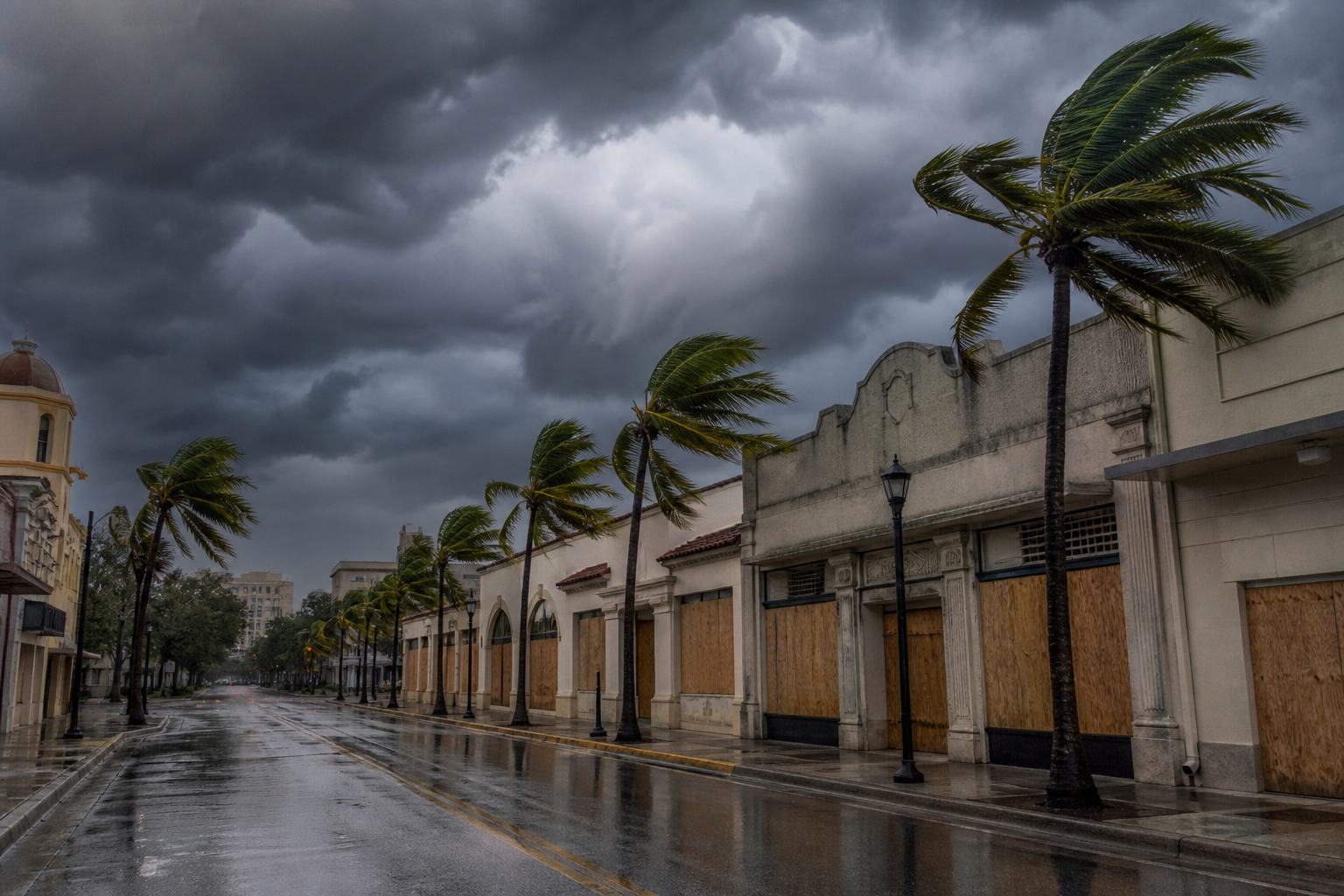
When hurricanes strike Florida, the damage can be devastating-not just to homes but to businesses that form the backbone of the state’s economy. In 2024, after two major hurricanes made landfall, insurers denied damage payments to nearly half of Florida homeowners, revealing cracks in the insurance system that also ripple through commercial coverage. For business owners, understanding how commercial hurricane insurance works and why it is crucial has never been more urgent.
Weiss Ratings reported that almost 47% of homeowners faced denied claims, underscoring the challenges insurers and insured alike face in the wake of severe storms.
Why Florida’s Commercial Insurance Market Is Under Pressure
Florida’s commercial insurance market is shrinking fast. Over the past decade, the number of active home insurance policies in Florida plunged from 3.2 million to just 710,000, with average annual premiums rising by 22% after adjusting for inflation. This squeeze is even more pronounced in commercial insurance, where property-related risks are soaring due to climate change and increased storm activity.
The state’s insurer of last resort has expanded its market share dramatically—from 6% to 63%—highlighting how many businesses and homeowners are left with limited options. This shift reflects a market struggling to balance risk and affordability as insurers pull back or raise rates sharply. Deep Sky Research’s findings illustrate this contraction and the growing challenges for Florida’s insurance landscape.
For commercial property owners, this means higher costs and fewer carriers willing to write policies. Businesses must navigate a market where premiums are climbing and coverage may come with more exclusions or stricter terms. The pressure is particularly felt by small to medium-sized enterprises (SMEs), which often lack the financial resilience to absorb these rising costs. Many are forced to reconsider their operational strategies, with some even contemplating relocation to states with more favorable insurance climates. This trend not only affects the businesses themselves but also has broader implications for local economies, as job losses and reduced investment can ripple through communities.
Rising Premiums and Market Shifts
In 2024, Florida residents faced the highest average homeowners insurance premiums in the nation, with rates rising nearly 30% statewide since 2021. Commercial insurance is following a similar trajectory. The US commercial insurance sector saw a composite rate increase of 3.8% in the third quarter of 2024 alone, with property insurance up 5.7%. Commercial auto and transportation risks experienced the highest jump at 7.3%, signaling broad inflationary pressures across business insurance lines. MarketScout reported these increases, emphasizing the financial strain on businesses.
As insurers grapple with the implications of climate change, many are also tightening underwriting standards, which can lead to even fewer options for coverage. This trend is particularly concerning for industries heavily reliant on physical assets, such as construction and manufacturing, where the risk of loss is inherently higher. Furthermore, the increasing frequency of natural disasters, such as hurricanes and floods, exacerbates the situation, leading to a cycle of rising premiums and diminishing coverage availability. Insurers are now more inclined to require comprehensive risk assessments and mitigation plans, which can be daunting for businesses already stretched thin by economic pressures.
By: Montreal Morand
Founder & Managing Partner
Macpherson Insurance Agency
Understanding Hurricane Risks for Florida Businesses
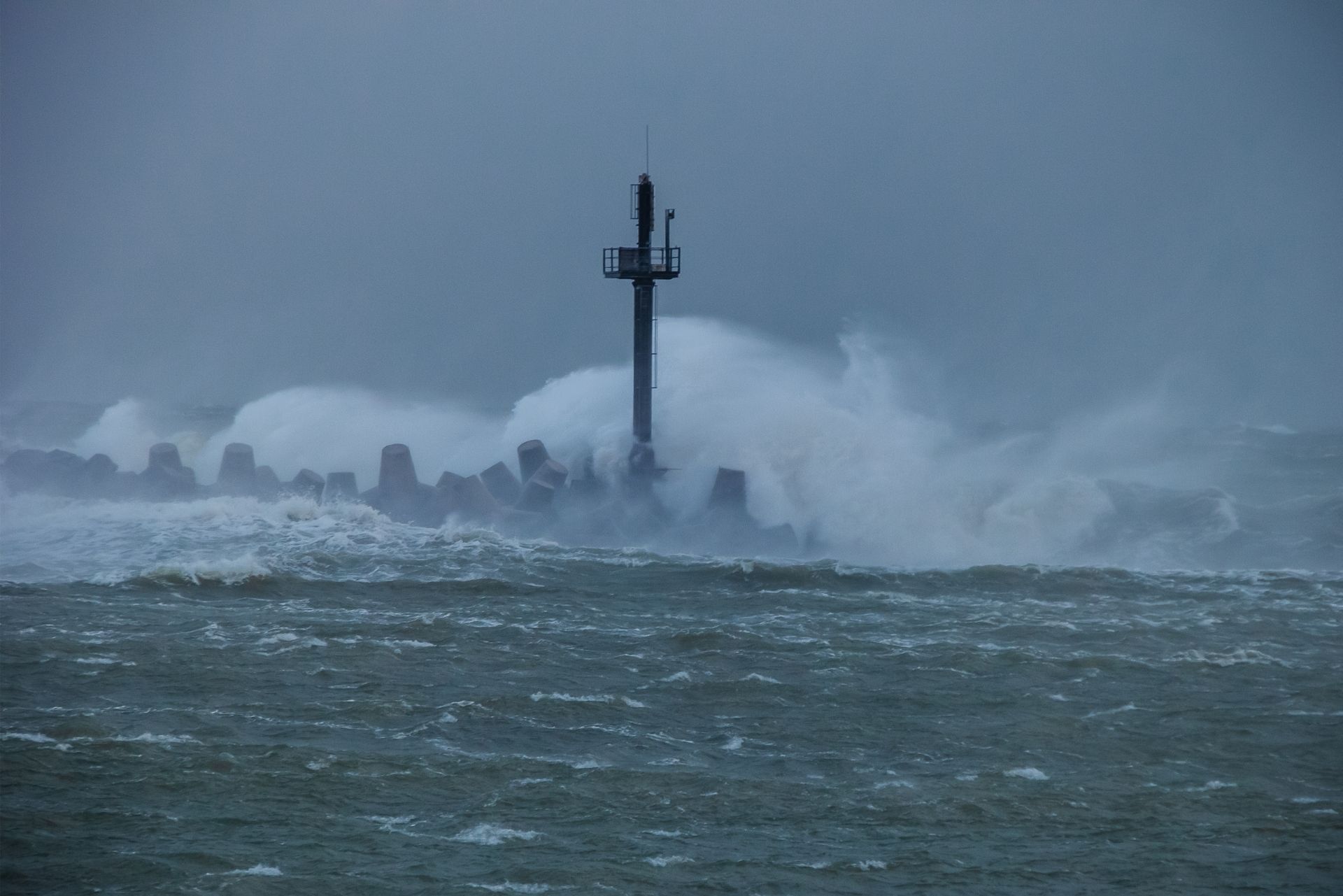
Hurricane damage is not just about wind. Water is the primary culprit, with rising sea levels allowing storm surges to push further inland and warmer air holding more moisture, resulting in extreme rainfall and flooding. These factors combine to create complex risks that can devastate commercial properties. In addition to the immediate physical damage, businesses often face prolonged disruptions that can lead to significant financial losses. The aftermath of a hurricane can leave companies grappling with supply chain interruptions, loss of inventory, and the challenge of rebuilding while trying to maintain customer relationships.
Storm surge and flooding often cause more damage than wind alone. Mangrove forests, for example, provide natural protection by reducing storm surge losses significantly. In Collier County, Florida, mangroves reduce property damage by $67.5 million annually, especially from storms with return periods under 30 years. This natural barrier highlights the importance of environmental factors in mitigating hurricane damage. A recent study on mangroves underscores their value in storm surge protection. Furthermore, the restoration and preservation of these ecosystems not only safeguard businesses but also enhance local biodiversity, contributing to a healthier environment that benefits the entire community. Initiatives to plant more mangroves and protect coastal areas can be a proactive strategy for businesses looking to minimize their risk exposure.
Climate Change and Storm Intensification
Climate change is making hurricanes more intense and unpredictable. Rapid intensification requires three main ingredients: low vertical wind shear, high ocean heat content, and elevated sea surface temperatures. As global temperatures rise, these conditions become more common, increasing the frequency and severity of storms. Experts warn that this trend will likely continue, posing heightened risks to Florida’s commercial properties. Karen Clark & Co. explains how climate factors drive storm intensification. The implications for businesses are profound, as they must not only contend with the physical impacts of storms but also adapt to an evolving landscape of regulatory requirements and community expectations regarding climate resilience.
For businesses, this means preparing for more frequent and severe hurricane events. Insurance policies must reflect these evolving risks, but many carriers are struggling to keep pace, leading to coverage gaps and rising costs. Companies are increasingly turning to comprehensive risk management strategies that include investing in infrastructure upgrades, such as flood barriers and improved drainage systems, to better withstand future storms. Additionally, engaging in community partnerships to bolster regional preparedness can create a more resilient business environment, allowing companies to share resources and knowledge in the face of climate challenges. This collaborative approach not only enhances individual business resilience but also strengthens the overall economic fabric of Florida's coastal communities.
Key Features of Florida Commercial Hurricane Insurance
Commercial hurricane insurance policies in Florida typically cover damage from wind, storm surge, and flooding, but coverage details vary widely. Understanding what is included—and what is excluded—is critical for business owners. In a state that frequently faces the wrath of hurricanes, having a clear grasp of these policies can mean the difference between recovery and financial devastation.
Windstorm Coverage
Wind damage is a primary concern in hurricane policies. This coverage protects buildings, equipment, and inventory from damage caused by high winds. However, some policies may exclude certain components or require separate endorsements. Given the increasing intensity of storms, ensuring comprehensive windstorm coverage is essential. Business owners should also be aware that the definition of "windstorm" can vary between insurers, so it is crucial to read the fine print and ask questions to clarify any ambiguities. Additionally, proactive measures such as reinforcing structures or installing impact-resistant windows can potentially lower premiums and enhance coverage effectiveness.
Flood and Storm Surge Protection
Flooding caused by storm surge or heavy rainfall often requires separate coverage. Many commercial policies exclude flood damage, pushing businesses to purchase additional flood insurance through the National Flood Insurance Program or private insurers. Understanding these distinctions can prevent costly surprises after a hurricane. It's important to note that flood insurance typically has a 30-day waiting period before it becomes effective, making it essential for businesses to plan ahead. Furthermore, businesses located in high-risk flood zones may face higher premiums, but the financial protection offered can be invaluable in the aftermath of a storm, especially for those with significant physical assets.
Business Interruption Coverage
Hurricanes can halt operations for days or weeks. Business interruption insurance helps cover lost income and ongoing expenses during closures caused by storm damage. This coverage is vital for maintaining financial stability while repairs are underway. In addition to standard business interruption coverage, some policies offer extended coverage that can account for additional expenses incurred during the recovery phase, such as temporary relocation costs or increased operating expenses. Business owners should also consider the potential impact of supply chain disruptions, as these can further delay recovery and affect overall profitability. By evaluating their unique risks and ensuring adequate coverage, businesses can better position themselves to weather the storm, both literally and financially.
Challenges and Strategies for Florida Businesses
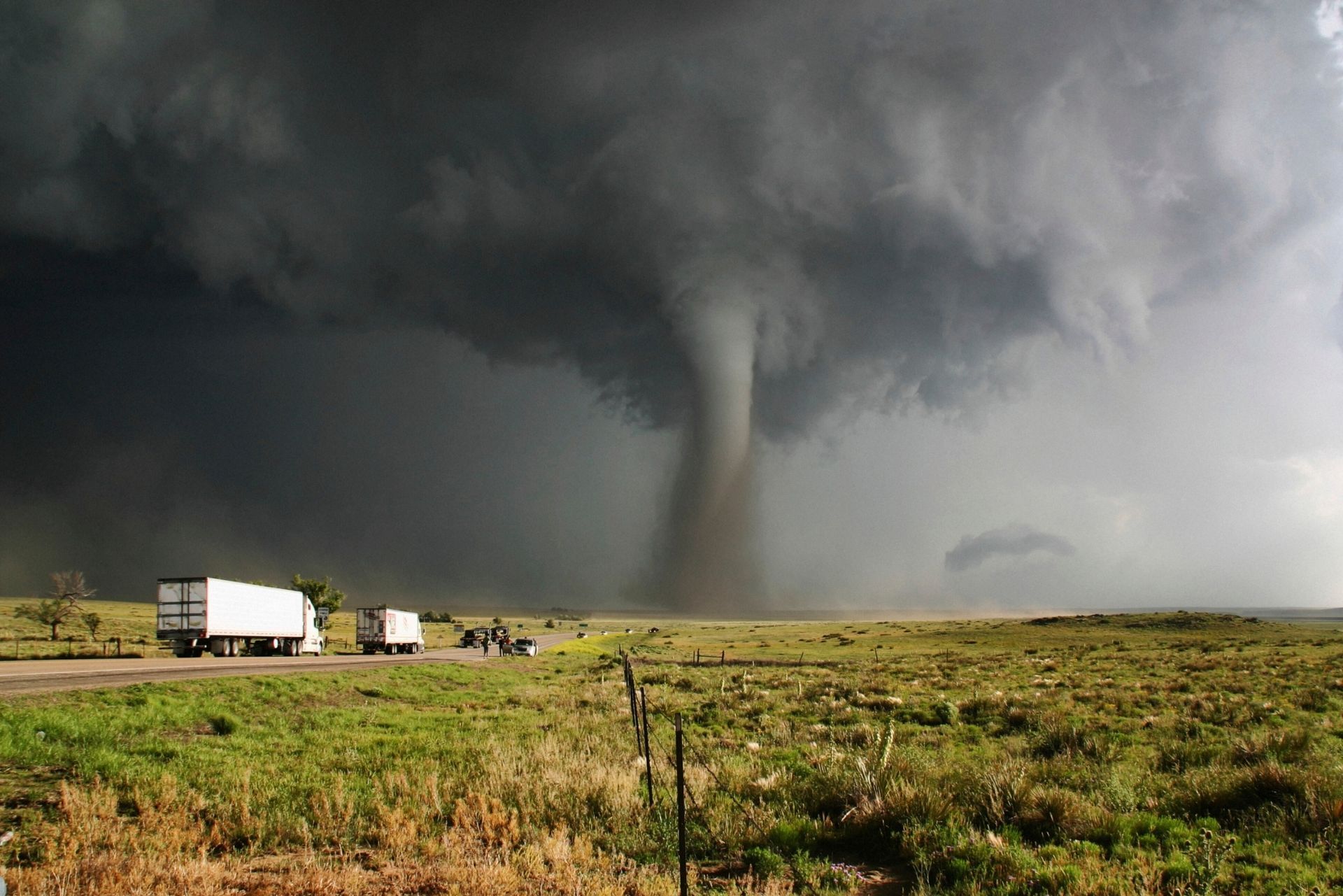
With the commercial insurance market tightening and premiums rising, Florida businesses face tough choices. Some may struggle to find coverage, while others face steep price increases. Here are key strategies to navigate these challenges.
Risk Mitigation and Preparedness
Investing in risk reduction can lower insurance costs and improve resilience. Reinforcing buildings to withstand wind damage, installing flood barriers, and maintaining natural protections like mangroves can reduce potential losses. Insurers often reward proactive risk management with better terms. Additionally, businesses can conduct regular risk assessments to identify vulnerabilities and implement tailored solutions. For instance, investing in advanced weather monitoring systems can provide early warnings that allow businesses to take preventive measures, safeguarding both property and employees.
Shopping for Coverage
Comparing policies and working with knowledgeable brokers can help businesses find the best available coverage. Given the complexity of hurricane risks, customized policies tailored to specific exposures often provide better protection than standard offerings. Furthermore, businesses should consider bundling different types of insurance, such as property and liability, which can sometimes lead to discounts. Engaging in discussions with multiple insurers can also reveal unique offerings that may not be widely advertised, ensuring that businesses are not missing out on potential savings or enhanced coverage options.
Understanding Policy Terms
Reading the fine print is crucial. Some policies have high deductibles for hurricane damage or exclude certain perils. Clarifying these details before purchasing can prevent unexpected out-of-pocket expenses after a storm. It’s also beneficial for businesses to seek clarification on terms like "actual cash value" versus "replacement cost," as these can significantly impact claims payouts. Additionally, understanding the claims process and the documentation required can streamline recovery efforts post-disaster, allowing businesses to bounce back more quickly and efficiently.
What Business Owners Need to Know Moving Forward
The Florida commercial hurricane insurance market is in flux, shaped by climate realities and economic pressures. Businesses must stay informed and proactive to protect their assets and operations.
Insurance is not a set-it-and-forget-it solution. Regularly reviewing policies, updating coverage to reflect changing risks, and investing in mitigation measures are essential steps. As insurers adjust to the new normal, businesses that demonstrate strong risk management and understand their policies will be better positioned to weather storms.
In addition to understanding their insurance policies, business owners should consider implementing comprehensive disaster preparedness plans. These plans should include strategies for employee safety, emergency communication, and business continuity. By conducting regular drills and training sessions, businesses can ensure that their staff is well-prepared to respond effectively in the event of a hurricane. Furthermore, investing in infrastructure improvements, such as storm-resistant building materials and flood barriers, can significantly reduce the potential for damage and lower insurance premiums over time.
For more insights on Florida’s evolving insurance landscape and hurricane risks, Deep Sky Research provides detailed analysis on market trends and risk factors. Additionally, networking with local business associations can provide valuable resources and support. These organizations often share best practices and offer workshops on risk management and insurance literacy, helping business owners navigate the complexities of their insurance needs in a changing climate.
Frequently Asked Questions
Q: Does commercial hurricane insurance cover flood damage?
A: Usually not. Flood damage often requires separate flood insurance policies, either through government programs or private insurers. It's essential for business owners to understand the differences between these types of coverage, as many assume that their hurricane insurance will automatically include flood damage. In fact, flooding can occur even without a hurricane, and many areas are prone to flash floods, making it crucial to assess the specific risks associated with your location.
Q: Why are Florida’s commercial insurance premiums rising so fast?
A: Higher risks from stronger storms, increased claims, and market contraction are driving up premiums statewide. Additionally, the reinsurance market is feeling the pressure as major insurers face significant losses from catastrophic events. This situation creates a ripple effect, where primary insurers pass on costs to policyholders. As a result, businesses must stay informed about the evolving landscape of insurance rates and consider shopping around for competitive quotes to find the best coverage at a reasonable price.
Q: Can businesses reduce their hurricane insurance costs?
A: Yes. Implementing risk mitigation measures like reinforcing structures and maintaining natural barriers can lower premiums. Furthermore, businesses can also consider investing in technology that enhances their disaster preparedness and response capabilities. For example, utilizing advanced weather monitoring systems can help businesses make informed decisions about evacuations or securing property ahead of a storm, potentially leading to lower insurance costs over time.
Q: What should I look for in a commercial hurricane insurance policy?
A: Check coverage limits, deductibles, exclusions, and whether flood or business interruption coverage is included or available as add-ons. It's also advisable to review the insurer's reputation and claims handling process, as a responsive company can make a significant difference when disaster strikes. Additionally, understanding the terms of your policy, including any specific triggers for coverage, can help you avoid surprises during a claim process.
Q: How does climate change affect hurricane insurance?
A: Warmer ocean temperatures and rising sea levels increase storm intensity and flooding risks, leading to higher insurance costs and stricter underwriting. Insurers are now more frequently incorporating climate models into their risk assessments, which can affect coverage availability and pricing. As a result, businesses may need to adapt their risk management strategies and consider investing in sustainable practices that not only help mitigate risks but may also qualify them for discounts on insurance premiums.
ABOUT THE AUTHOR:
MONTREAL MORAND
With over 20 years of leadership experience in the insurance industry, I’ve dedicated my career to helping clients and agents make informed, confident decisions about their coverage. I’ve led high-performing teams, managed more than $128 million in premium, and earned multiple national awards for excellence. Today, my mission remains the same — to educate, empower, and provide dependable protection for the communities we serve.
Contact Us
Protect the Things That Matter Most
Reliable Coverage for Your Home & Lifestyle
Home Insurance
Protect your home, belongings, and personal liability with reliable coverage.
Stronger Coverage for Your Operations
Essential Protection for Your Company
Coverage built for businesses that depend on people, property, and equipment.
Industries We Support
Insurance for Everyday Local Businesses
Simple, reliable protection for the people who keep our communities running.
Plumbers
Plumbers Insurance
Protection for job-site hazards, tools, and customer property.
Restaurants
Restaurants Insurance
Coverage for fire risks, food inventory, and general liability.
HVAC Contractors
HVAC Contractors Insurance
Insurance for service vehicles, equipment, and installation risks.




Frequently Asked Questions
Helpful Answers to Common Questions
Quick guidance to help you understand your coverage.
What types of insurance does Macpherson Insurance Agency offer?
We provide both personal and commercial insurance solutions. On the personal side: homeowners, automobile, condo, renters, windstorm, flood, excess flood, and more. On the commercial side: general liability, property, inland marine, ocean marine, workers compensation, and more.
Do you specialize in homeowners insurance in South Florida?
Yes. We specialize in homeowners coverage in South Florida and work with multiple carriers based on your property’s age, location and replacement cost.
What does “replacement cost” mean in a policy?
Replacement cost is the cost to rebuild your home to the same standard it had before a loss — not the market value of your property.
Why is it important that my insurer is licensed in Florida?
Licensed Florida insurers are continuously monitored for financial stability — if one fails, the Florida Insurance Guaranty Fund may reimburse insureds for unpaid claims up to a limit.
Can I lower my homeowners premium with discounts?
Yes — mitigation features like impact glass, storm shutters, roof straps, and approved sheathing may qualify you for significant credit reductions.
Do you offer payment plans or premium financing?
Yes. In many cases, payment plans and premium financing are available to make coverage more affordable and manageable over time.
From the Blog
Helpful Tips & Insurance Guidance
Articles created to make insurance easier to understand.





Contact Us
Phone
Location