See How We're Different
or call us: 305-669-5288
A Panama City Beach restaurant owner once told me the storm itself took six hours, but the insurance claim took fourteen months. That gap between landfall and a final check is where most Florida businesses either recover or close for good. The difference rarely comes down to the size of the policy. It comes down to what happens in the first few days, how carefully losses get documented, and whether the owner understands the moving parts of a commercial claim before the adjuster arrives.
This guide covers how Florida companies bounce back after a hurricane, from the claims timeline and documentation to advance payments, business income, and the common delays that stall settlements. It's written for owners and operators who carry commercial property and business interruption coverage but have never had to use them at scale. If you run a marina in Destin, a dental practice in Fort Myers, or a warehouse near the Port of Tampa, the same rules apply. The carriers have gotten stricter, and the margin for sloppy paperwork has shrunk. Here's how to protect your claim and your cash flow from day one.
The Critical First 48 Hours: Securing the Property and Notifying Carriers
Your policy almost certainly contains a "duty to mitigate" clause. That means you're required to take reasonable steps to prevent further damage once it's safe to do so. If a roof breach lets rain soak your inventory for three more days because nobody tarped it, the carrier can deny that additional loss. This is where operators get caught.
Once authorities clear you to return, work through these steps in order:
- Photograph everything before you touch it. Wide shots of each room, then close-ups of damage. Get the exterior from all four sides, including the roofline.
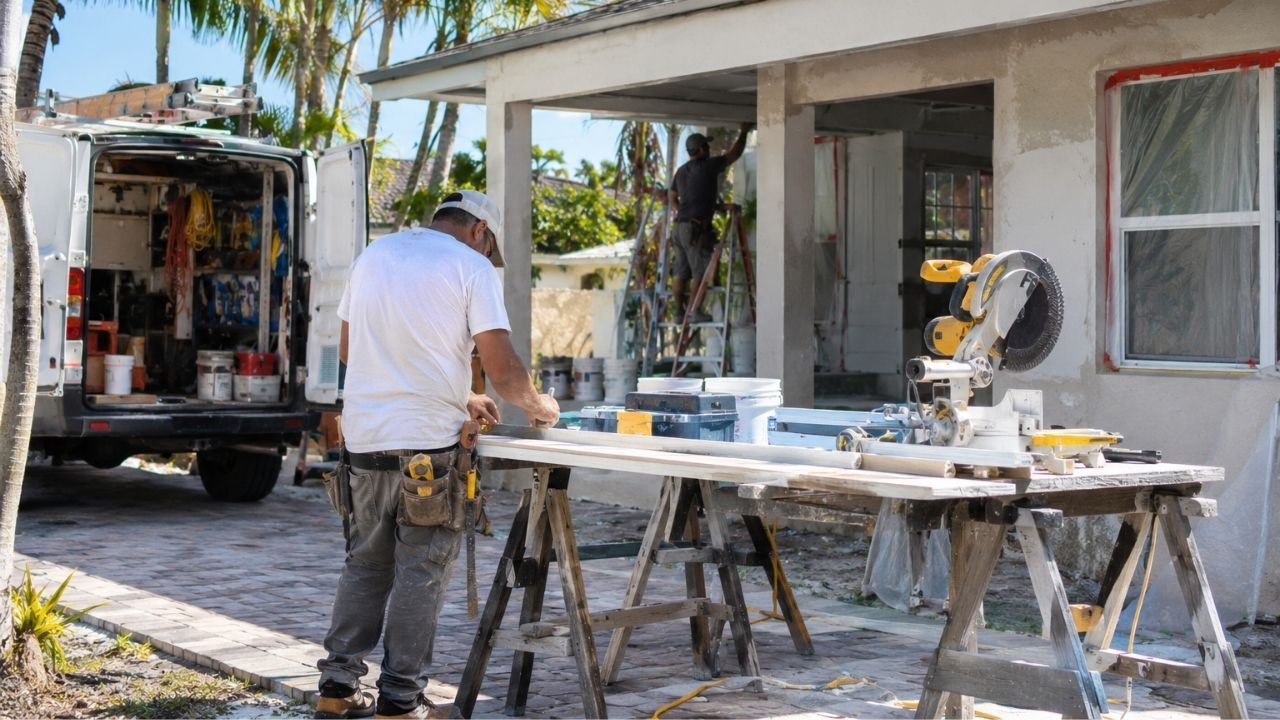
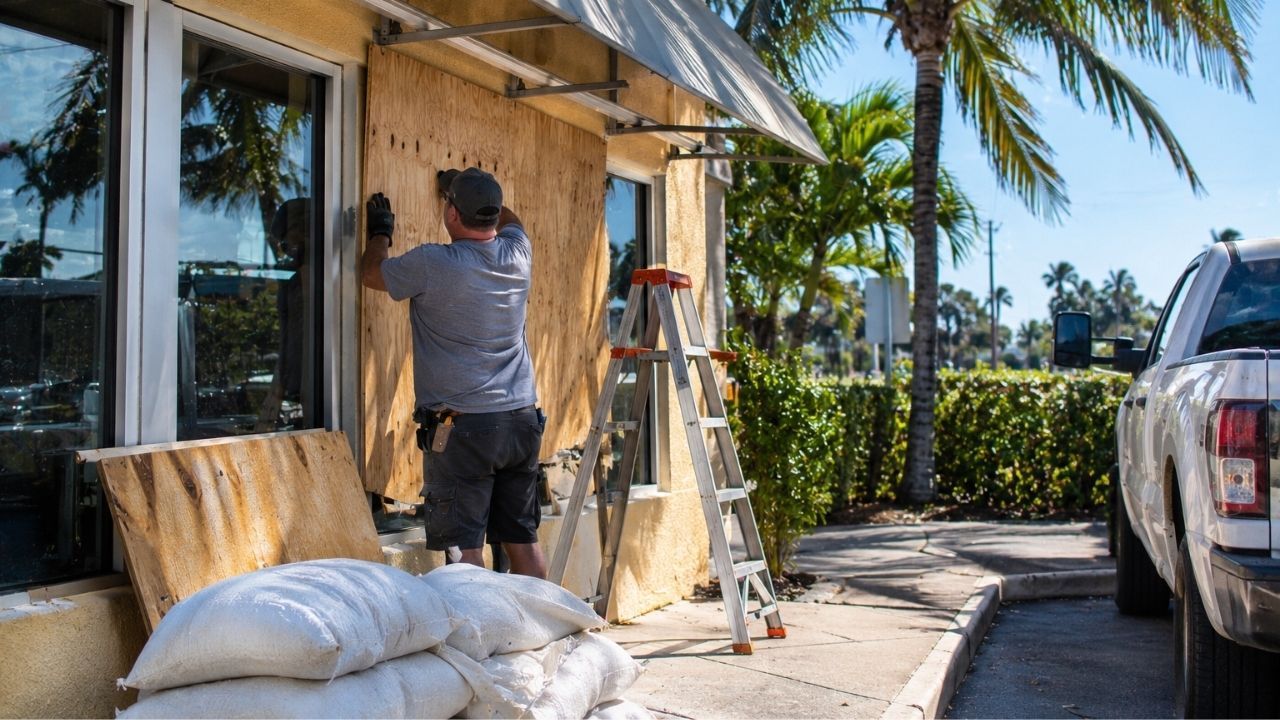
- Make emergency repairs only. Tarp the roof, board broken windows, shut off water to burst lines, and extract standing water. Don't start permanent rebuilding.
- Notify your agent and carrier in writing. A phone call is fine for speed, but follow it with an email so you have a timestamp.
- Keep damaged items. Don't haul ruined equipment to the curb until the adjuster has seen it or explicitly approved disposal.
- Pull your policy declarations page. You need your policy number, deductibles, and coverage limits handy for every conversation.
One thing to keep in mind : Florida's hurricane deductible is usually a percentage of the
insured building value, not a flat dollar amount. A 5% hurricane deductible on a $2 million building means you're absorbing the first $100,000. Know that number before you start budgeting repairs.
The Commercial Claims Timeline: What to Expect from Filing to Settlement
Florida statute sets the pace for the early stages. Carriers are required to acknowledge a claim within 7 calendar days and begin an investigation within 7 days of receiving a proof-of-loss statement. Those are legal minimums, not suggestions, and you should log the dates every time the carrier responds.
The filing window matters just as much. Initial or reopened claims must be filed within 1 year of the date of loss. Supplemental claims for damage you discover later, like hidden water intrusion behind drywall, must be filed within 18 months. That 1-year clock is tighter than many owners expect, especially if they waited on contractors.
A typical commercial claim moves through these phases:
- Notice and acknowledgment : first one to two weeks
- Adjuster inspection : often within the first month, longer after a major storm
- Documentation and estimates : the longest stretch, frequently several months for larger losses
- Coverage determination and negotiation : back-and-forth on scope, pricing, and causation
- Settlement and payment : sometimes paid in installments as repairs progress
Here's what that means for you. A small retail claim with clear wind damage might close in a few months. A hotel or manufacturing plant with business income, code upgrades, and disputed causation can run well past a year. Plan your financing around the long version.
Essential Documentation for Property Damage and Content Loss
Carriers have changed how they evaluate commercial losses. They're increasingly demanding exhaustive proof, including engineering reports and itemized line-item contractor estimates, instead of accepting a general proof of loss. A one-page estimate that says "roof replacement, $180,000" won't cut it anymore.
The adjuster's job is to verify that each item existed, that the storm damaged it, and what it costs to repair or replace. Your job is to make that verification easy and hard to dispute. Every gap in your records becomes a negotiating point for the carrier.
Creating a Digital Inventory of Assets
The best inventories are built before hurricane season, not after. If you don't have one, build it now from whatever records survive. Pull purchase invoices, depreciation schedules from your CPA, equipment lease agreements, and credit card statements.
For each asset, capture:
- Description and model/serial number : a "Hobart 60-quart mixer, serial #XXXX" beats "mixer"
- Purchase date and price
- Current condition : with photos showing the damage
- Replacement cost : a current quote from a supplier
Store this in cloud storage, not on a server in the building that just flooded. A Key West dive shop that had video walkthroughs of its compressor room uploaded to the cloud settled its equipment claim far faster than neighbors relying on memory.
Tracking Mitigation and Temporary Repair Costs
Mitigation costs are generally reimbursable, but only if you can prove them. Keep every receipt for tarps, plywood, generator rentals, dehumidifiers, and water extraction crews. Log employee hours spent on cleanup separately from normal payroll.
If you hire a restoration contractor, get a signed scope of work and daily moisture readings. Those readings help prove the drying was necessary and wasn't padded. Keep a simple spreadsheet with date, vendor, amount, and purpose, then attach the receipts.
Calculating and Claiming Business Income Losses
Business income coverage, sometimes called business interruption, replaces the net income you would have earned plus continuing expenses like payroll, rent, and loan payments while you're shut down. For many businesses, this claim ends up larger than the property damage itself. It's also the part owners understand least.
The carrier will reconstruct what your business would have earned without the storm. That means they'll want profit and loss statements, tax returns, monthly sales reports, and sometimes point-of-sale data going back several years. A Naples seasonal restaurant that does 60% of its revenue between January and April will have a very different calculation than a year-round accounting firm.
Here's a common mistake : owners submit annual averages. If your business is seasonal, insist on month-by-month comparisons. Losing March in Southwest Florida isn't the same as losing August.
Understanding the Period of Restoration
The period of restoration is the window during which business income is covered. It typically starts after a waiting period (often 72 hours) and ends when the property "should be" repaired with reasonable speed. That word "should" causes plenty of fights.
The catch is that real-world repair times after a major hurricane run longer than textbook estimates. Contractors are booked, permits stall, and materials back up. Document every delay with emails, permit office records, and contractor letters. Also check whether your policy includes extended period of indemnity, which continues coverage for a set number of days after reopening while customers return.
Extra Expense Coverage for Relocation
Extra expense covers costs you incur to keep operating or reopen faster. Think temporary office space, rented equipment, overtime for crews, or expedited shipping on replacement parts. A Pensacola veterinary clinic that leased a mobile unit to keep seeing patients could claim that lease as extra expense.
The rule of thumb : extra expense is covered when it reduces the overall loss. Get carrier approval in writing before large outlays when you can.
Securing Advance Payments to Maintain Cash Flow
You don't have to wait for final settlement to get money. Most commercial policies allow for advance or partial payments on undisputed portions of the claim. If the adjuster agrees your roof is a covered loss but you're still arguing over interior contents, request payment on the roof now.
Ask for advances in writing and tie each request to specific documented amounts. A request that says "please advance $75,000 for business income for the period of September 15 through October 31, supported by attached P&L comparisons" gets processed. A vague request for "some money to help" sits in a queue. Be aware that mortgage lenders are often named on property checks, which means the bank has to endorse them, so call your lender early.
When the insurance money is slow, state programs can bridge the gap. Florida businesses can apply for zero-interest loans up to $100,000, or $150,000 for agricultural operations, through the Small Business Emergency Bridge Loan Program. These loans are designed to cover the gap while insurance or federal assistance is processed.
That said, a bridge loan is still debt. Use it for payroll and critical expenses that keep you open, not for upgrades you hope the claim will eventually reimburse. Keep the paperwork separate so loan funds don't get confused with claim payments in your books.
Navigating Florida-Specific Challenges and Common Delays
Florida's insurance market carries pressures you won't find in most states. The scale of a single storm shows why. Hurricane Isaias has produced roughly 55,000 claims and $582 million in insured losses, concentrated in Santa Rosa and Escambia counties. When tens of thousands of claims hit the same region, every adjuster, engineer, and contractor gets stretched.
Carrier finances play a role too. Analysts note that while 2026 losses are manageable for national carriers, Florida-only insurers remain under significant financial pressure from high reinsurance costs. Those are carriers with 70% or more of their premiums in the state. That pressure can show up as tighter claim scrutiny and slower payments.
Wind vs. Flood: The Burden of Proof
This is the single biggest source of disputes after a Florida hurricane. Your commercial property policy covers wind. It almost always excludes flood, which falls under a separate NFIP or private flood policy. When a storm surge and 120 mph winds hit the same building, the carriers will argue over which caused what.
Picture a waterfront boat repair shop in Cedar Key. Wind tore off part of the roof, and then surge put four feet of saltwater through the bay. The property carrier may try to attribute interior damage to flood, while the flood carrier points to wind-driven rain. An independent engineering report documenting water lines, roof failure points, and timing is often the only thing that settles it.
Saltwater adds another layer. Corrosion on electrical panels, HVAC systems, and machinery may not show up for weeks. Document it early and keep that 18-month supplemental window in mind.
Managing Adjuster Backlogs and Communication Gaps
After a big storm, carriers bring in independent and out-of-state adjusters. You may get three different adjusters over the life of one claim, and each one may ask for documents you already sent. It's frustrating, but it's predictable.
Protect yourself with a few habits:
- Keep a claim log : every call, email, name, and date
- Send everything in writing : and confirm receipt
- Maintain one master document folder : so you can resend instantly
- Track statutory deadlines : and politely reference them when responses lapse
If the claim stalls badly, consider a licensed public adjuster or a coverage attorney. Florida's tort reform changes in recent years shifted how attorney fees work in property disputes, so get advice before assuming litigation is your fallback.
Comparison of Coverage Types for Hurricane Recovery
Most hurricane losses touch several policies at once. Understanding which one pays for what keeps you from filing in the wrong place or missing a recovery entirely.
| Coverage Type | What It Pays For | Common Gap |
|---|---|---|
| Commercial Property | Building and contents damaged by wind | High percentage hurricane deductible |
| Flood (NFIP or Private) | Surge and rising water damage | Limited contents and no business income under NFIP |
| Business Income | Lost net profit and continuing expenses | Waiting period, limited restoration period |
| Extra Expense | Costs to keep operating or reopen faster | Must reduce the overall loss |
| Civil Authority | Income lost when officials block access | Short duration, often limited weeks |
| Equipment Breakdown | Machinery damaged by power surges | May exclude flood-caused failures |
| Ordinance or Law | Code upgrades required during rebuild | Often not included unless endorsed |
Ordinance or law coverage deserves a second look. Many older Florida buildings don't meet current building code, and once damage passes a certain threshold, local officials can require the whole structure to be brought up to code. Without this endorsement, those upgrade costs come out of your pocket.
Hurricane Recovery FAQs for Florida Business Owners
How long do I have to file a hurricane claim in Florida? You have 1 year from the date of loss to file an initial or reopened claim. Supplemental claims for damage found later must be filed within 18 months.
Can I start repairs before the adjuster comes out? Yes, for emergency repairs that prevent further damage, like tarping a roof or extracting water. Hold off on permanent repairs until the adjuster inspects or approves them in writing.
Does my business insurance cover flood damage from storm surge? Usually not. Standard commercial property policies exclude flood, so you need a separate flood policy to cover surge and rising water.
What if my business was closed because roads were blocked but my building was fine? Civil authority coverage may pay for lost income when government orders prevent access. It typically runs for a short, defined period, so check your policy wording.
Can I get some insurance money before the claim is fully settled? Often yes. Ask in writing for advance payments on the undisputed parts of your claim, backed by specific documentation.
Should I hire a public adjuster? It can help on large or complicated claims, especially wind vs. flood disputes. Public adjusters take a percentage of the settlement, so weigh that cost against the size and complexity of your loss.
Your Next Steps for a Successful Recovery
Recovering a Florida business after a hurricane is less about the storm and more about the paper trail you build around it. The owners who come through fastest secure the property early, document every asset and expense, push for advances on undisputed amounts, and treat business income as a serious claim instead of an afterthought. They also expect delays and prepare for them.
Before the next storm, run through this checklist :
- Review your declarations page and calculate your actual hurricane deductible in dollars.
- Confirm you have flood coverage and know its contents and business income limits.
- Check for ordinance or law and extended period of indemnity endorsements.
- Build a cloud-based asset inventory with photos, serial numbers, and invoices.
- Store three years of financials off-site for business income calculations.
- Line up a restoration contractor and a public adjuster contact before you need them.
The best time to fix a coverage gap is in May, not in October. Sit down with your agent this month and walk through your policy line by line.