Florida’s short-term rental market is booming, but with opportunity comes risk. Property owners renting out homes or condos on platforms like Airbnb and VRBO face unique insurance challenges. Understanding how to protect your investment-and your guests-requires more than a standard homeowners policy. This guide dives into the essentials of short-term rental insurance in Florida, highlighting what you need to know about coverage, costs, and market trends.
Why Florida’s Short-Term Rental Market Demands Specialized Insurance
Florida attracts millions of visitors yearly, making it a hotspot for vacation rentals. In 2024 alone, direct bookings in Florida’s short-term rental market surged by 343.6%, signaling a shift away from platforms like Airbnb toward more direct owner-guest arrangements. This trend reflects property managers’ growing desire to reduce fees and gain more control over bookings, but it also means insurance needs are evolving.
Short-term rentals differ from traditional long-term leases. Guests stay for days or weeks, increasing turnover and the potential for property damage or liability claims. Standard homeowners insurance often excludes coverage for these commercial activities, leaving owners vulnerable.
Florida’s property insurance environment adds another layer of complexity. The state leads the nation in property insurance costs, with homeowners paying about $3,303 more than the national average. By 2023, average annual premiums in Florida neared $11,000, nearly quadruple the U.S. average. This makes securing affordable, adequate coverage a challenge for short-term rental owners.
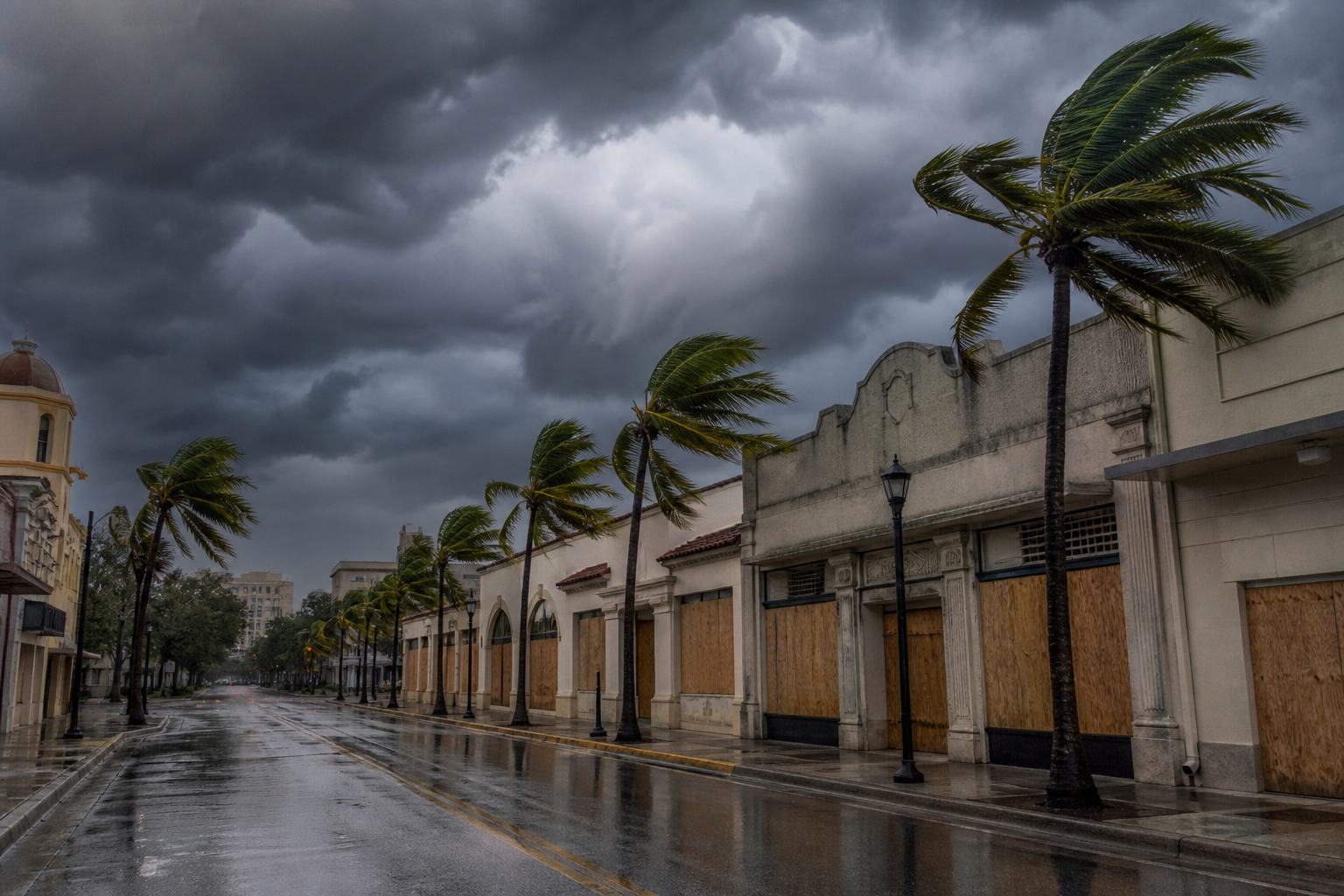
Moreover, the unique geographical features of Florida, including its susceptibility to hurricanes and tropical storms, further complicate the insurance landscape. Property owners must navigate the intricacies of windstorm coverage, which is often a separate policy and can significantly increase overall insurance costs. As the climate continues to change, the frequency and intensity of these weather events may lead to even higher premiums, making it crucial for short-term rental owners to stay informed about their insurance options and potential risks.
In addition to natural disasters, short-term rental owners must also consider the legal landscape surrounding their properties. Many Florida municipalities have enacted strict regulations governing short-term rentals, including licensing requirements and occupancy limits. Non-compliance can result in hefty fines or even the revocation of rental permits, underscoring the importance of specialized insurance that not only covers property damage but also provides liability protection in the event of legal disputes. Understanding these regulations is essential for owners looking to protect their investments and ensure a smooth rental operation.
For more on Florida’s property insurance crisis and its impact on housing, see Florida's Property Insurance Crisis and the Housing Market.


By: Montreal Morand
Founder & Managing Partner
Macpherson Insurance Agency
Key Coverage Types for Airbnb and VRBO Properties in Florida
Short-term rental insurance typically combines several coverages to protect owners against common risks:
- Property Damage Coverage: Protects the physical structure and contents from damage caused by guests, accidents, or natural disasters.
- Liability Coverage: Covers legal expenses and settlements if a guest is injured on the property or if the rental causes damage to neighboring properties.
- Loss of Income Coverage: Compensates for lost rental income if the property becomes uninhabitable due to covered damage.
- Short-Term Rental Endorsements: Many insurers offer endorsements or riders that specifically cover short-term rental activities, filling gaps left by standard homeowners policies.
Because Florida is prone to hurricanes and flooding, it is crucial to verify whether your policy includes windstorm and flood coverage. Many standard policies exclude these perils or require separate policies, which can add to premium costs. Additionally, understanding the specific risks associated with your property's location can help you choose the right coverage. For instance, properties near the coast may require more comprehensive windstorm protection, while those in flood-prone areas should consider flood insurance as a necessary part of their risk management strategy.
Why Standard Homeowners Insurance Often Falls Short
Most homeowners policies are designed for owner-occupied properties. Renting out your home—even occasionally—can void coverage or lead to denied claims if the insurer discovers the property is used as a short-term rental. This is especially true in Florida, where insurers are cautious due to the high risk of hurricane damage and the state’s expensive insurance market. Furthermore, many homeowners may not realize that their policy limits may not adequately cover the unique risks associated with short-term rentals, such as theft or property damage caused by guests who may not treat the property with the same care as the owner.
Specialized short-term rental insurance policies or commercial property insurance can fill this gap. They acknowledge the higher guest turnover and potential liability risks, offering tailored protection that homeowners policies do not. These specialized policies often include features such as guest medical coverage, which can help cover medical expenses for guests injured on the property, and even coverage for lost or stolen personal property belonging to guests. As the short-term rental market continues to grow in Florida, understanding and investing in the right insurance coverage becomes essential for property owners looking to protect their investments and ensure a seamless rental experience for their guests.
Factors Driving Insurance Costs for Florida Short-Term Rentals
Florida’s insurance premiums remain among the highest nationwide, influenced by several factors that also affect short-term rental coverage costs.
Population growth and housing demand play a significant role. Over one million households moved to Florida between 2019 and 2023, pushing multifamily rents up by 39%. This rapid influx strains housing supply and increases property values, which in turn raises insurance replacement costs. The demand for short-term rentals has surged as tourists flock to the state’s sunny beaches and vibrant attractions, further complicating the insurance landscape. As more property owners enter the short-term rental market, the competition intensifies, leading to a greater need for comprehensive insurance coverage that can protect against a variety of risks.
Additionally, Florida homeowners pay roughly $3,303 more annually than the national average for property insurance. Despite a recent report indicating average statewide premium increases are below 2% year-to-date and a 5.6% rate reduction announced by Citizens Property Insurance Corporation for 2025, the overall cost burden remains steep. The unique geographical challenges, including the state's susceptibility to severe weather events like hurricanes and tropical storms, contribute significantly to these elevated premiums. Insurers often factor in the frequency and severity of past claims when determining rates, and Florida's history of catastrophic weather events means that property owners must be prepared for potential spikes in insurance costs, especially during hurricane season.
These dynamics mean short-term rental owners must budget carefully for insurance. The higher premiums reflect the state’s exposure to hurricanes, legal liabilities, and the increased risks associated with frequent guest turnover. Moreover, the regulatory landscape for short-term rentals is continually evolving, with local governments implementing stricter regulations that can impact insurance requirements. Owners may find themselves needing additional coverage for liability claims or property damage caused by guests, which can further inflate their insurance costs. Understanding these nuances is crucial for property owners who wish to navigate the complexities of Florida's insurance market effectively.
Learn more about Florida’s insurance trends in the Hurricane Claims Blog by Southwest Florida Lawyers.

Direct Bookings and Insurance Implications for Property Owners
Iirect bookings are reshaping how Florida’s vacation rental owners manage their properties. By cutting out platforms like Airbnb, owners avoid service fees and gain direct communication with guests. However, this shift also places more responsibility on owners to manage risks and ensure proper insurance coverage.
Platforms like Airbnb often provide some host protection insurance, but this coverage has limits and exclusions. Relying solely on platform insurance can leave gaps, especially when dealing with property damage or liability claims. For instance, incidents such as guest injuries or property theft may not be fully covered under standard platform policies, potentially leaving owners vulnerable to significant financial losses.
Experts note that while Airbnb remains dominant, the surge in direct bookings means owners must be proactive about insurance. Customized short-term rental policies help bridge the coverage gap and provide peace of mind beyond what platform protections offer. These tailored policies can include features such as coverage for lost income due to property damage, liability coverage for guest injuries, and even protection against natural disasters, which are particularly relevant in Florida’s hurricane-prone regions.
Moreover, the growing trend of direct bookings encourages owners to enhance their marketing strategies, creating a more personalized experience for guests. By establishing their own websites or utilizing social media, property owners can showcase their unique offerings, share local insights, and build a loyal customer base. This not only increases their visibility but also allows them to cultivate relationships with repeat guests, which can lead to higher occupancy rates and increased revenue.
For insight on this trend, see
Florida’s vacation rental market report.
Choosing the Right Insurance for Your Florida Short-Term Rental
Finding the right insurance policy means balancing coverage needs with cost. Here are key considerations for Florida short-term rental owners:
- Assess Your Risks: Consider property location, hurricane exposure, guest turnover, and liability risks.
- Verify Coverage Limits: Ensure property damage, liability, and loss of income limits match your rental’s value and potential exposure.
- Check for Short-Term Rental Endorsements: Look for policies that explicitly cover short-term rental activities.
- Understand Deductibles and Exclusions: Know what perils are excluded or require separate policies, like flood insurance.
- Compare Quotes: Get multiple quotes from insurers familiar with Florida’s market and short-term rental risks.
Working with an insurance agent experienced in Florida’s short-term rental market can simplify this process. They can help identify coverage gaps and recommend policies that fit your unique situation. Moreover, they can provide insights into local regulations that may affect your insurance needs, ensuring that your policy aligns with both state laws and your operational practices. This is particularly important in Florida, where regulations can vary significantly by county and city, impacting everything from licensing to insurance requirements.
Additionally, consider the importance of customer reviews and testimonials when selecting an insurance provider. Many rental owners find value in hearing firsthand experiences from others in the industry. Online forums and local rental owner associations can be excellent resources for gathering information about which insurers offer the best service and claims support. A provider that understands the nuances of short-term rentals can make a significant difference, especially when navigating claims after a natural disaster or guest-related incident.
Insurance Cost Comparison: Standard Homeowners vs. Short-Term Rental Policies
| Coverage Aspect | Standard Homeowners Policy | Short-Term Rental Insurance |
|---|---|---|
| Guest Liability | Usually excluded or limited | Included with higher limits |
| Property Damage from Guests | Typically excluded | Covered |
| Loss of Rental Income | Not covered | Covered |
| Hurricane and Windstorm Coverage | May require separate policy | Often included or available as add-on |
| Flood Insurance | Separate policy required | Separate policy required |
| Premium Cost | Lower, but with coverage gaps | Higher, but comprehensive |
When comparing costs, it’s essential to weigh the potential financial impact of being underinsured against the premium savings of a standard homeowners policy. For instance, if a guest were to suffer an injury on your property and you lack adequate liability coverage, the resulting legal fees and settlements could far exceed the difference in premium costs. Furthermore, short-term rental insurance often provides peace of mind, allowing owners to focus on providing a great guest experience without the constant worry of unforeseen liabilities. This can be particularly valuable in tourist-heavy areas of Florida, where competition is fierce and guest expectations are high.
What Florida Short-Term Rental Owners Should Keep in Mind
Florida’s short-term rental market offers lucrative opportunities but also comes with significant insurance challenges. The state’s high property insurance costs, combined with the unique risks of short-term rentals, mean owners must be diligent about coverage.
Direct bookings are on the rise, giving owners more control but also more responsibility for managing insurance and risk. Standard homeowners policies rarely provide adequate protection for short-term rentals, making specialized insurance essential.
Understanding the nuances of Florida’s insurance market, including the impact of hurricanes and rising property values, helps owners make informed decisions. Working with knowledgeable insurance professionals can ensure policies provide the right protection without unnecessary costs.
For ongoing updates on Florida’s real estate and insurance trends, visit
Florida Trend Real Estate.
Frequently Asked Questions About Florida Short-Term Rental Insurance
Q: Can I use my homeowners insurance for my Airbnb or VRBO rental?
A: Most homeowners policies exclude short-term rental activities. Using your home as a vacation rental without proper coverage risks denied claims.
Q: What does short-term rental insurance typically cover?
A: It usually includes property damage, liability protection, and loss of rental income, tailored to the risks of frequent guest turnover.
Q: Are there special insurance requirements in Florida due to hurricanes?
A: Yes. Windstorm and flood coverage often require separate policies or endorsements because Florida is prone to these natural disasters.
Q: Does Airbnb insurance cover all damages and liabilities?
A: Airbnb offers host protection insurance, but it has limits and exclusions. It should not replace a dedicated short-term rental insurance policy.
Q: How have insurance premiums changed recently in Florida?
A: While Florida’s premiums remain high, recent data shows statewide increases under 2% year-to-date, with some rate reductions planned for 2025.
Q: How can I lower my short-term rental insurance costs?
A: Improving property security, installing safety features, and choosing policies with appropriate deductibles can help manage premiums.
Q: Is flood insurance necessary for Florida short-term rentals?
A: If your property is in a flood-prone area, flood insurance is essential since standard policies do not cover flood damage.
ABOUT THE AUTHOR:
MONTREAL MORAND
With over 20 years of leadership experience in the insurance industry, I’ve dedicated my career to helping clients and agents make informed, confident decisions about their coverage. I’ve led high-performing teams, managed more than $128 million in premium, and earned multiple national awards for excellence. Today, my mission remains the same — to educate, empower, and provide dependable protection for the communities we serve.
Contact Us
Protect the Things That Matter Most
Reliable Coverage for Your Home & Lifestyle
Home Insurance
Protect your home, belongings, and personal liability with reliable coverage.
Stronger Coverage for Your Operations
Essential Protection for Your Company
Coverage built for businesses that depend on people, property, and equipment.
Industries We Support
Insurance for Everyday Local Businesses
Simple, reliable protection for the people who keep our communities running.
Plumbers
Plumbers Insurance
Protection for job-site hazards, tools, and customer property.
Restaurants
Restaurants Insurance
Coverage for fire risks, food inventory, and general liability.
HVAC Contractors
HVAC Contractors Insurance
Insurance for service vehicles, equipment, and installation risks.




Frequently Asked Questions
Helpful Answers to Common Questions
Quick guidance to help you understand your coverage.
What types of insurance does Macpherson Insurance Agency offer?
We provide both personal and commercial insurance solutions. On the personal side: homeowners, automobile, condo, renters, windstorm, flood, excess flood, and more. On the commercial side: general liability, property, inland marine, ocean marine, workers compensation, and more.
Do you specialize in homeowners insurance in South Florida?
Yes. We specialize in homeowners coverage in South Florida and work with multiple carriers based on your property’s age, location and replacement cost.
What does “replacement cost” mean in a policy?
Replacement cost is the cost to rebuild your home to the same standard it had before a loss — not the market value of your property.
Why is it important that my insurer is licensed in Florida?
Licensed Florida insurers are continuously monitored for financial stability — if one fails, the Florida Insurance Guaranty Fund may reimburse insureds for unpaid claims up to a limit.
Can I lower my homeowners premium with discounts?
Yes — mitigation features like impact glass, storm shutters, roof straps, and approved sheathing may qualify you for significant credit reductions.
Do you offer payment plans or premium financing?
Yes. In many cases, payment plans and premium financing are available to make coverage more affordable and manageable over time.
From the Blog
Helpful Tips & Insurance Guidance
Articles created to make insurance easier to understand.








Contact Us
Phone
Location