
Florida's waste hauling and recycling industry operates under a unique set of pressures that most other states simply don't share. Between hurricane seasons that can shut down operations for weeks, saltwater corrosion eating through fleet vehicles, and some of the strictest
environmental enforcement in the Southeast, the margin for error is razor thin. A single pollution incident near the Everglades or a rollover on I-95 can generate claims that dwarf an entire year's revenue. That's why waste hauling and recycling business insurance in Florida isn't just a line item on your budget : it's the backbone of your company's survival. Operators who treat coverage as an afterthought often discover the hard way that a
standard commercial policy won't cut it for this industry. The combination of
heavy equipment, hazardous materials, high employee injury rates, and Florida-specific environmental laws creates a risk profile that demands specialized attention. If you're running a hauling or recycling operation anywhere from Jacksonville to the Keys, understanding your insurance needs isn't optional. It's the difference between weathering a crisis and closing your doors.
Understanding Florida Auto Repair Insurance and Vehicle Service Contracts
Auto repair insurance and vehicle service contracts (VSCs) often get lumped together, but they function differently under Florida law. A true mechanical breakdown insurance (MBI) policy is regulated as an insurance product, meaning the provider must meet state solvency and licensing requirements. A VSC, on the other hand, is technically a service agreement, not an insurance policy, though Florida still regulates these through specific statutes.
The practical difference matters when something goes wrong with your claim. If your MBI provider becomes insolvent, the Florida Insurance Guaranty Association may step in to cover your claim. With a VSC from an unlicensed third party, you could be left holding the bill. Florida has seen its share of fly-by-night warranty companies that collect premiums for a year or two and then vanish. Understanding which product you're buying is your first line of defense.
Distinguishing Between Mechanical Breakdown Insurance and Extended Warranties
Mechanical breakdown insurance is sold by licensed insurers and typically covers a broad range of component failures. It's priced based on your vehicle's age, mileage, and make. Extended warranties, often sold at dealerships during the financing process, are VSCs that vary wildly in quality. Some cover only the powertrain. Others exclude pre-existing conditions or impose strict maintenance documentation requirements.
One common mistake : assuming your dealership extended warranty is as comprehensive as a standalone MBI policy. A driver in Orlando recently discovered this the hard way when her dealer-backed warranty denied a $3,800 AC evaporator replacement because she couldn't produce receipts for every oil change at the dealership's own service center. MBI policies generally don't impose those kinds of restrictions.
How Florida State Regulations Protect Policyholders
Florida Statute 634 governs motor vehicle service agreement companies, requiring them to maintain reserves or purchase contractual liability insurance. This means if you buy a VSC from a company operating legally in Florida, there should be a financial backstop. The Florida Office of Insurance Regulation (OIR) maintains a searchable database where you can verify whether a company is licensed.
The state also requires a minimum 60-day "free look" period for VSCs, giving you the right to cancel and receive a full refund. After that window, you're entitled to a pro-rated refund minus a reasonable administrative fee. These protections exist because Florida's consumer complaint history with auto service contracts has been significant, particularly in South Florida markets like Miami-Dade and Broward counties.


By: Montreal Morand
Founder & Managing Partner
Macpherson Insurance Agency
Essential Coverage Components for Sunshine State Drivers
Not all repair coverage is created equal, and Florida's environment puts specific demands on vehicles that drivers in cooler, drier states don't face. Your coverage should account for the systems most likely to fail under these conditions.
Powertrain vs. Bumper-to-Bumper Protection
The table below breaks down what each coverage tier typically includes :
| Coverage Type | What's Covered | What's Excluded | Best For |
|---|---|---|---|
| Powertrain Only | Engine, transmission, drive axle | AC, electrical, suspension, electronics | Older vehicles, tight budgets |
| Stated Component | Listed systems only (varies by plan) | Anything not specifically named | Mid-range vehicles, moderate risk |
| Bumper-to-Bumper | Nearly all mechanical/electrical systems | Wear items (brakes, tires, wipers) | Newer vehicles, maximum protection |
Powertrain plans are cheaper but leave significant gaps. If you're driving in Florida, where AC failure isn't just uncomfortable but potentially dangerous during summer months, a powertrain-only plan won't cut it. Bumper-to-bumper plans cost more but cover the systems Florida's climate attacks hardest.
Addressing Climate-Specific Repairs: AC Systems and Electrical Components
Florida's average summer temperature hovers around 92°F with humidity regularly exceeding 80%. Your vehicle's AC system runs nearly year-round, and compressor failures are among the most common repair claims in the state. A compressor replacement runs $1,200 to $2,500 depending on the vehicle.
Electrical systems take a beating too. Saltwater corrosion along coastal areas from St. Augustine to the Keys degrades wiring harnesses, sensor connections, and battery terminals. Flooding from tropical storms can cause hidden electrical damage that surfaces weeks later. Any repair insurance plan worth buying in Florida should explicitly cover AC components and electrical systems, not bury them in exclusions.
Evaluating Costs and Deductible Structures in Florida
Monthly premiums for auto repair insurance in Florida typically range from $30 to $100, depending on your vehicle and the level of coverage. Deductibles usually fall between $100 and $250 per visit. Some plans offer $0 deductible options, but the monthly cost jumps accordingly.
Here's a useful way to think about it : if your deductible is $100 and your AC compressor fails at $1,800, you're paying $100 out of pocket. Without coverage, you're paying the full amount. The math favors coverage for any vehicle outside its manufacturer warranty period, especially in a state where climate-driven repairs are so common.
Factors Influencing Premium Rates for Older Vehicles
Vehicles with more than 75,000 miles or older than five years will see higher premiums. This makes sense because the probability of a major component failure increases with age and mileage. A 2016 Ford Explorer with 90,000 miles might cost $75 per month to insure for bumper-to-bumper coverage, while a 2021 Toyota Camry with 30,000 miles might run $40.
Some providers won't cover vehicles over 150,000 miles or older than 10 years. Others specialize in high-mileage coverage but limit which components are included. If you're driving an older vehicle around The Villages or commuting daily on I-4, get quotes from at least three providers and compare not just price but what's actually covered. The cheapest plan often has the most exclusions.
Maximizing Benefits Through Roadside Assistance and Rental Reimbursement
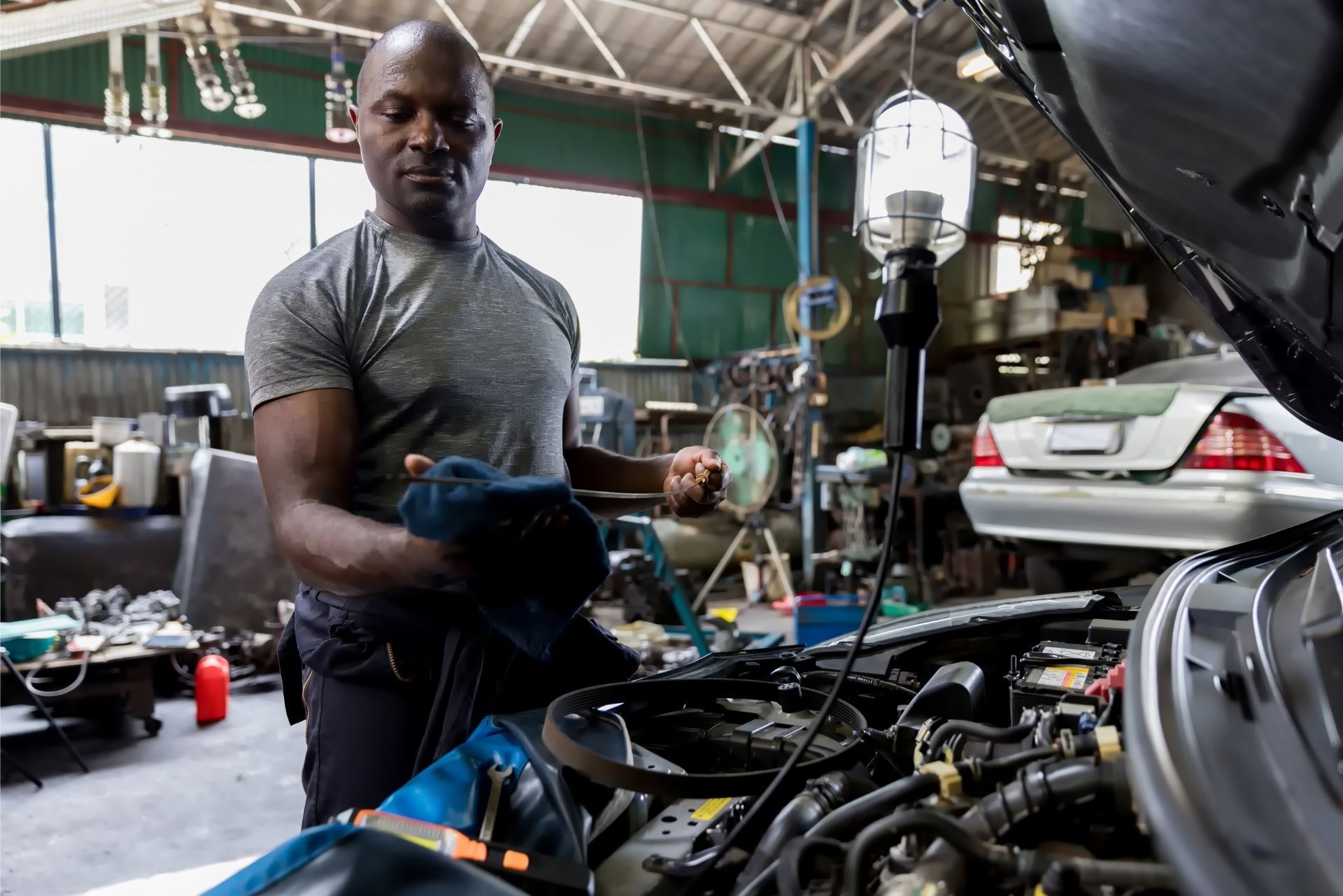
A good repair insurance plan does more than just pay for parts and labor. Roadside assistance and rental car reimbursement can save you hundreds of dollars when a breakdown happens at the worst possible time, and breakdowns rarely happen at convenient moments.
Roadside assistance typically covers towing (usually up to 25-50 miles), flat tire changes, lockout service, and battery jump-starts. In Florida, where you might break down on a rural stretch of US-27 or in the middle of Alligator Alley, having towing coverage isn't optional. A single tow from the Everglades to the nearest shop in Naples could cost $300 or more without it.
Rental reimbursement covers a rental car while yours is in the shop, usually up to $35-$50 per day for a set number of days. If a transmission repair takes five business days, that's $175 to $250 in rental costs you won't have to absorb. Check whether your plan pays the rental company directly or reimburses you after the fact, because the cash flow difference matters.
How to Choose a Reputable Repair Insurance Provider
Picking the wrong provider is worse than having no coverage at all. You'll pay premiums for months or years, then face a denied claim or a company that won't answer the phone when you need them.
Checking Licensing with the Florida Office of Insurance Regulation
Your first step is verifying the company's license status through the Florida OIR website. Any company selling mechanical breakdown insurance must be licensed as an insurer. Companies selling VSCs must be registered under Chapter 634. If a company isn't in either database, walk away.
This is where operators get caught. A flashy website and a low monthly rate can mask a company operating without proper licensing. Florida has shut down multiple unlicensed warranty operations in recent years, leaving customers with worthless contracts. Five minutes of verification can save you thousands.
Reviewing Claims Processing Speed and Direct Pay Options
Ask potential providers two specific questions : How long does the average claim take to process? And do you pay the repair shop directly?
Direct pay means the provider sends payment straight to the repair facility, so you only cover your deductible at the counter. Reimbursement models require you to pay the full repair bill upfront and then wait for a check. For a $3,000 transmission job, that's a significant difference. The best providers process claims within 24 to 48 hours and maintain networks of approved shops across Florida where direct billing is standard.
Filing a claim shouldn't feel like a second job. Most reputable providers follow a straightforward process : you bring your vehicle to an approved or authorized repair shop, the shop contacts the provider for claim authorization, a claims adjuster reviews the diagnosis, and the repair is approved or denied, usually within one business day.
Keep a few things in mind to avoid delays. Always call your provider before authorizing any work. If you approve repairs before getting claim authorization, most providers will deny the claim outright. Save all maintenance records, because some plans require proof that you've followed the manufacturer's recommended service schedule. A denied claim for a blown engine because you skipped oil changes isn't the provider being unfair : it's a standard exclusion in nearly every contract.
If a claim is denied and you believe it shouldn't have been, Florida gives you the right to file a complaint with the OIR or pursue mediation. Document everything : repair estimates, photos of the failed component, and all communication with the provider.
Florida's combination of extreme heat, coastal salt exposure, and hurricane season flooding makes auto repair insurance more than a luxury. It's a practical financial decision for anyone driving a vehicle outside its factory warranty. The right plan covers the systems most vulnerable to Florida's conditions, pays repair shops directly, and comes from a provider licensed through the state.
Before you sign up for any plan, verify the provider's license with the Florida Office of Insurance Regulation, compare at least three quotes, and read the contract's exclusions carefully. Pay special attention to AC and electrical coverage, deductible amounts, and whether roadside assistance is included or costs extra. A few hours of research now can prevent a $4,000 surprise at the repair counter later.
Frequently Asked Questions
Does my regular car insurance cover mechanical breakdowns in Florida? No. Standard auto insurance covers accidents, theft, and liability. Mechanical breakdowns from wear and tear require separate mechanical breakdown insurance or a vehicle service contract.
Can I buy auto repair insurance if my car has over 100,000 miles? Yes, though your options narrow. Some providers cap eligibility at 150,000 miles, and premiums will be higher. Expect more component exclusions on high-mileage plans.
Are Florida dealerships required to offer a refund on extended warranties? Florida law mandates a 60-day free-look period for vehicle service contracts. After that, you can still cancel but will receive a pro-rated refund minus administrative fees.
How do I check if a repair insurance company is licensed in Florida? Search the Florida Office of Insurance Regulation's online database. Companies selling MBI must hold an insurer license, while VSC providers must be registered under Chapter 634.
Will my claim be denied if I use a shop that isn't in the provider's network? It depends on your contract. Some plans allow any licensed repair facility, while others require pre-approval or limit coverage to network shops. Always confirm before dropping off your vehicle.
ABOUT THE AUTHOR:
MONTREAL MORAND
With over 20 years of leadership experience in the insurance industry, I’ve dedicated my career to helping clients and agents make informed, confident decisions about their coverage. I’ve led high-performing teams, managed more than $128 million in premium, and earned multiple national awards for excellence. Today, my mission remains the same — to educate, empower, and provide dependable protection for the communities we serve.
Contact Us
Protect the Things That Matter Most
Reliable Coverage for Your Home & Lifestyle
Home Insurance
Protect your home, belongings, and personal liability with reliable coverage.
Stronger Coverage for Your Operations
Essential Protection for Your Company
Coverage built for businesses that depend on people, property, and equipment.
Industries We Support
Insurance for Everyday Local Businesses
Simple, reliable protection for the people who keep our communities running.
Plumbers
Plumbers Insurance
Protection for job-site hazards, tools, and customer property.
Restaurants
Restaurants Insurance
Coverage for fire risks, food inventory, and general liability.
HVAC Contractors
HVAC Contractors Insurance
Insurance for service vehicles, equipment, and installation risks.




Frequently Asked Questions
Helpful Answers to Common Questions
Quick guidance to help you understand your coverage.
What types of insurance does Macpherson Insurance Agency offer?
We provide both personal and commercial insurance solutions. On the personal side: homeowners, automobile, condo, renters, windstorm, flood, excess flood, and more. On the commercial side: general liability, property, inland marine, ocean marine, workers compensation, and more.
Do you specialize in homeowners insurance in South Florida?
Yes. We specialize in homeowners coverage in South Florida and work with multiple carriers based on your property’s age, location and replacement cost.
What does “replacement cost” mean in a policy?
Replacement cost is the cost to rebuild your home to the same standard it had before a loss — not the market value of your property.
Why is it important that my insurer is licensed in Florida?
Licensed Florida insurers are continuously monitored for financial stability — if one fails, the Florida Insurance Guaranty Fund may reimburse insureds for unpaid claims up to a limit.
Can I lower my homeowners premium with discounts?
Yes — mitigation features like impact glass, storm shutters, roof straps, and approved sheathing may qualify you for significant credit reductions.
Do you offer payment plans or premium financing?
Yes. In many cases, payment plans and premium financing are available to make coverage more affordable and manageable over time.
From the Blog
Helpful Tips & Insurance Guidance
Articles created to make insurance easier to understand.




Contact Us
Phone
Location