
Every bottle stocked in Florida’s liquor stores tells a story beyond the label. It represents local jobs, economic growth, and a complex supply chain that starts with wholesalers and distributors. As the industry gears up for a projected market size of $13.6 billion by 2025, the stakes for protecting these businesses have never been higher. IBISWorld’s forecast underscores the scale, but it’s the day-to-day risks-warehouse fires, transport accidents, and product liability-that demand a tailored insurance approach.
For those operating in Florida’s liquor distribution and wholesale sector, understanding the nuances of insurance coverage is crucial. This article explores the key risks, legal requirements, and insurance solutions designed specifically for warehouses and transporters in this dynamic market.
Understanding the Florida Liquor Distribution Landscape
Florida’s liquor distribution industry is a vital part of the state’s economy. With thousands of establishments, including wholesalers and retailers, it supports tens of thousands of jobs and generates billions in revenue. The Beer, Wine & Liquor Stores industry alone is expected to reach $3.8 billion by 2025, employing nearly 10,000 people across more than 2,000 locations according to IBISWorld.
Wholesalers play a pivotal role in this ecosystem. They act as the bridge between manufacturers and retailers, managing inventory, storage, and transportation. This involves significant logistical challenges and risks, especially given Florida’s climate and regulatory environment. The state’s unique geography, with its extensive coastline and numerous tourist destinations, adds layers of complexity to distribution routes. Wholesalers must also navigate the seasonal fluctuations in demand, particularly during peak tourist seasons, which can lead to both surges and shortages in supply.
Elizabeth DeWitt, President & CEO of the Florida Beverage Association, emphasizes the human element behind the numbers: “Every bottle on a Florida shelf represents far more than refreshment—it represents Florida talent, Florida paychecks, and Florida progress” as she notes. This highlights why protecting these businesses is not just about assets but also about safeguarding livelihoods. The industry also fosters a sense of community, with many local brands emerging that reflect Florida's diverse culture and heritage, further enriching the state’s economic tapestry.
Regulatory Requirements for Warehousing
Florida law mandates specific standards for distributors, including warehouse storage requirements. Distributors must maintain warehouse space sufficient to store at least 10% of their annual case sales or hold inventory valued at a minimum of $100,000 according to Florida Senate regulations. This ensures a steady supply chain and compliance with state oversight. The regulatory framework is designed to promote transparency and accountability, which are crucial for maintaining consumer trust in the industry.
Meeting these requirements means warehouses are often stocked with high-value inventory, increasing the risk exposure. A single fire or theft incident could result in significant financial loss, making comprehensive insurance coverage essential. Additionally, distributors must invest in state-of-the-art inventory management systems to track stock levels and ensure compliance with both state and federal regulations. This technological investment not only helps in mitigating risks but also enhances operational efficiency, allowing businesses to respond swiftly to market demands and consumer preferences.


By: Montreal Morand
Founder & Managing Partner
Macpherson Insurance Agency
Key Risks Facing Liquor Warehouses and Transporters
Liquor wholesalers and distributors face a unique set of risks that can disrupt operations or lead to costly claims. Understanding these risks is the first step toward effective insurance planning.
Property Risks: Fire, Flood, and Theft
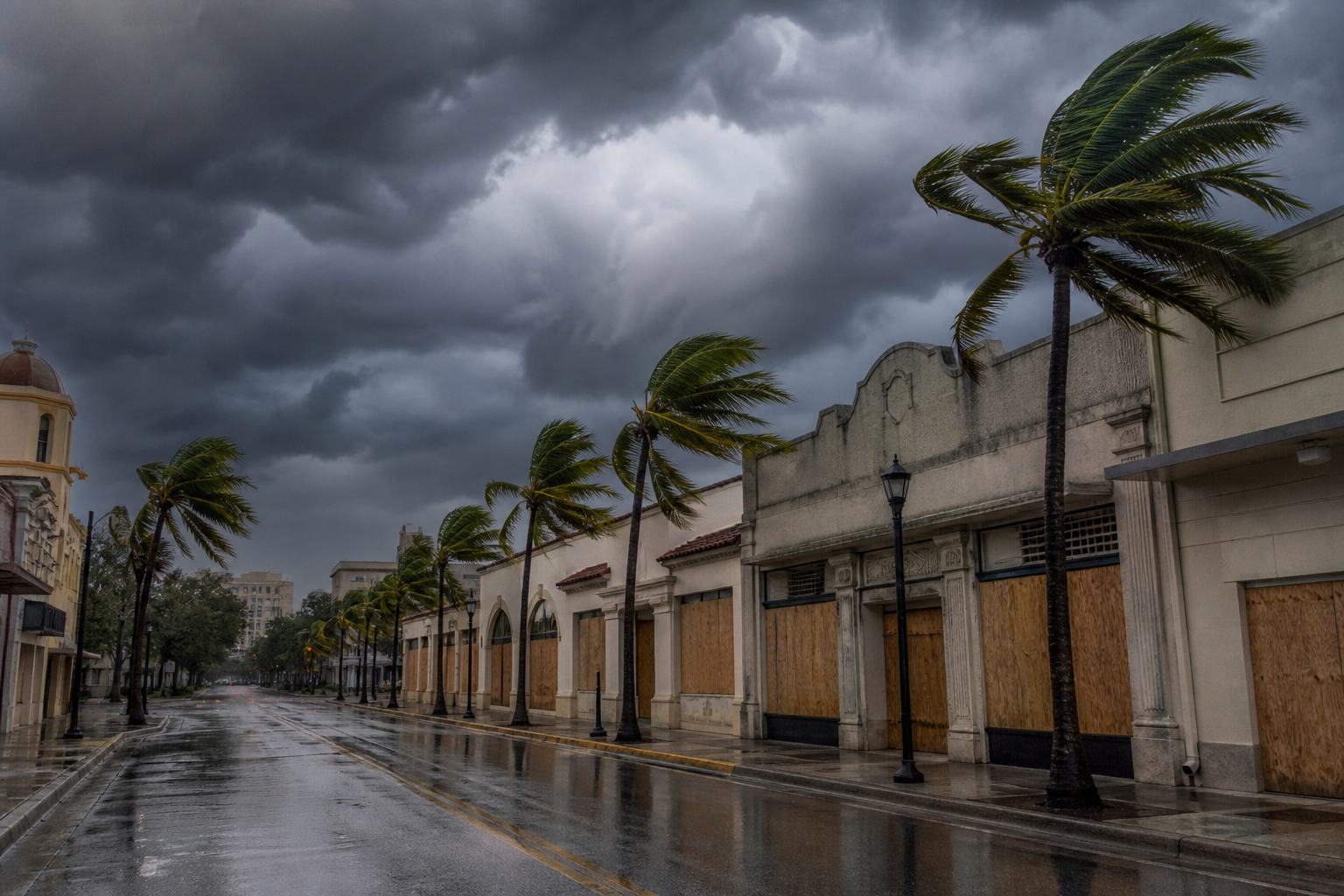
Warehouses storing liquor are vulnerable to property damage from fire, flooding, and theft. Florida’s weather patterns, including hurricanes and heavy rains, increase the likelihood of flood damage. Additionally, liquor products are attractive targets for theft due to their high value and demand.
Insurance policies must cover physical damage to buildings, equipment, and inventory. This includes protection against natural disasters and criminal acts. Without adequate coverage, businesses could face devastating out-of-pocket costs. Furthermore, the implementation of robust security measures, such as surveillance cameras and alarm systems, can mitigate theft risks. Regular safety audits and employee training on fire safety protocols can also play a crucial role in reducing the likelihood of fire-related incidents, ensuring that warehouses remain compliant with safety regulations.
Transportation Risks
Transporting liquor involves moving valuable inventory across the state, often through busy urban areas and highways. Risks include vehicle accidents, cargo theft, and damage during loading or unloading.
Transportation insurance protects against loss or damage while goods are in transit. This coverage is critical for wholesalers who rely on timely deliveries to maintain supply chains and customer satisfaction. Additionally, the choice of transportation methods can significantly impact risk levels; for instance, using temperature-controlled vehicles can help preserve product quality, while employing GPS tracking systems can enhance security and provide real-time updates on delivery status. Training drivers on safe driving practices and defensive driving techniques can further reduce the likelihood of accidents, ensuring that products arrive safely and on time.
Product Liability and Liquor Liability
Distributors are also exposed to liability risks. If a product causes harm due to contamination or improper handling, product liability claims can arise. Moreover, liquor liability insurance is crucial to protect against claims related to over-serving or negligence in selling and distributing alcoholic beverages.
Such liability claims can involve bodily injury or property damage, which may result from incidents like alcohol-related accidents or injuries linked to the product. Having liquor liability insurance is not just a safety net but often a legal necessity in Florida
as detailed by Wexford Insurance. To further protect against these risks, distributors should implement strict quality control measures and maintain thorough documentation of product sourcing and handling processes. Regular training for staff on responsible alcohol service can also help minimize the risk of over-serving customers, thereby reducing potential liability claims and fostering a culture of safety and responsibility within the organization.
Choosing the right insurance coverage means addressing the specific risks tied to both warehousing and transportation. Here’s a breakdown of essential insurance types for wholesalers and distributors in Florida.
Property Insurance
This coverage protects warehouses and inventory against damage from fire, flood, theft, and other perils. Given Florida’s susceptibility to hurricanes and flooding, flood insurance is often a necessary add-on to standard property policies.
Property insurance also covers equipment and fixtures inside the warehouse, ensuring that operations can resume quickly after a loss. Additionally, it can include coverage for business interruption, which compensates for lost income during the time it takes to recover from a disaster. This aspect is particularly crucial for liquor distributors, as downtime can lead to significant financial losses, especially during peak sales seasons.
Commercial Auto and Cargo Insurance
For transporters, commercial auto insurance covers vehicles used in the business, including trucks and delivery vans. Cargo insurance specifically protects the goods while in transit, covering loss or damage from accidents, theft, or mishandling.
Since liquor products are high-value and fragile, cargo insurance helps mitigate financial risks during transportation. Moreover, it’s essential to ensure that the insurance policy covers all potential risks associated with the distribution process, such as temperature fluctuations that could affect certain products. Understanding the nuances of these policies can help distributors select the right coverage that aligns with their operational needs.
Liquor Liability Insurance
This specialized coverage protects against claims arising from the sale, distribution, or service of alcoholic beverages. It covers bodily injury and property damage caused by over-serving or negligence.
Liquor liability insurance is often required by law or contract and is critical for distributors to avoid costly lawsuits. Additionally, it can provide coverage for legal defense costs, which can be substantial, even if the claims are unfounded. Given the complex regulatory environment surrounding alcohol distribution, having robust liquor liability insurance not only safeguards against financial repercussions but also enhances the distributor's credibility in the marketplace.
Product Recall Insurance
In cases where a product is found to be contaminated or defective, product recall insurance covers the costs associated with retrieving the product from the market. This includes expenses for notification, shipping, and disposal.
Given the potential reputational damage and financial loss from recalls, this coverage is a wise investment for distributors handling large inventories. Furthermore, product recall insurance can also encompass costs related to public relations efforts to manage the fallout from a recall, helping to maintain customer trust and brand integrity. As consumer awareness and regulatory scrutiny increase, having this insurance can be a critical component of a distributor's risk management strategy, ensuring they are prepared for unexpected challenges in the marketplace.

Meeting Compliance and Protecting Your Business
Insurance is not just about risk transfer; it’s about compliance and operational resilience. Florida’s regulatory landscape requires distributors to maintain adequate warehouse space and meet safety standards. Insurance complements these rules by providing financial protection against unforeseen events.
Businesses that fail to secure proper coverage risk penalties, operational interruptions, and significant financial losses. The complexity of the liquor distribution supply chain means that even small disruptions can have ripple effects throughout the market.
Wholesalers and distributors should work with insurance experts familiar with Florida’s liquor industry to tailor policies that address their unique needs. This includes evaluating warehouse risks, transportation routes, and liability exposures.
Economic Impact and Industry Growth
Florida’s craft beer industry is a prime example of rapid growth within the beverage sector. Expanding from 66 to 396 breweries over the past decade, it generated an economic impact exceeding $4 billion in 2022
according to the University of Florida Institute of Food and Agricultural Sciences. This growth fuels demand for distribution services and underscores the importance of robust insurance coverage to support expanding operations.
Insurance Coverage Comparison for Liquor Warehouses and Transporters
| Coverage Type | What It Covers | Key Benefits | Why It Matters for Florida |
|---|---|---|---|
| Property Insurance | Warehouse buildings, inventory, equipment from fire, flood, theft | Protects high-value stock, ensures business continuity | Florida’s hurricane and flood risks increase exposure |
| Commercial Auto Insurance | Vehicles used for transporting liquor | Covers accident damage, liability for vehicle operation | Essential for safe, compliant delivery operations statewide |
| Cargo Insurance | Goods in transit, including damage and theft | Protects inventory during transportation | High-value liquor products require specialized coverageates@mail.com |
| Liquor Liability Insurance | Claims from over-serving, negligence, bodily injury | Mitigates legal and financial risks | Required by law and contracts in Florida |
| Product Recall Insurance | Costs of recalling defective or contaminated products | Limits financial and reputational damage | Protects against costly market disruptions |
What to Consider When Choosing Insurance for Your Liquor Distribution Business
Insurance needs vary widely depending on the size of the operation, the volume of inventory, and the geographic scope of distribution. Here are some practical tips to guide decision-making:
- Assess Your Warehouse Risks: Evaluate the location, construction, and security of your storage facilities. Consider flood zones and fire protection measures.
- Review Transportation Routes: Identify high-risk areas for theft or accidents. Adjust coverage limits accordingly.
- Understand Legal Requirements: Ensure compliance with Florida’s warehouse storage laws and liquor liability mandates.
- Customize Liability Coverage: Tailor liquor liability limits to the scale of your distribution and customer base.
- Plan for Recalls: Factor in product recall insurance if handling large or sensitive inventories.
Working with an insurance advisor who understands the Florida liquor market can help you navigate these considerations and avoid coverage gaps.
Final Thoughts on Protecting Florida’s Liquor Distribution Industry
Florida’s liquor distribution and wholesale sector is a complex, high-stakes business. With billions in market value and thousands of jobs at stake, protecting warehouses and transport operations is critical. Insurance coverage tailored to the unique risks of property, transportation, and liability can safeguard businesses from costly disruptions.
As the industry grows, especially with the rise of craft breweries and evolving consumer tastes, wholesalers and distributors must stay vigilant. Insurance is not just a regulatory checkbox-it is a strategic asset that supports resilience and long-term success.
For more insights on Florida’s liquor market and economic impact, visit the
Florida Beverage Association. To explore market trends in vodka and other spirits, see the
Overproof Florida Vodka Report.
Frequently Asked Questions
Q: Is liquor liability insurance mandatory for distributors in Florida?
A: While not always legally required, liquor liability insurance is strongly recommended and often mandated by contracts or local regulations to protect against claims related to alcohol sales.
Q: How much warehouse space must a Florida liquor distributor maintain?
A: Florida law requires distributors to maintain warehouse space sufficient to store at least 10% of their annual case sales or inventory valued at a minimum of $100,000.
Q: Does property insurance cover flood damage in Florida?
A: Standard property insurance typically excludes flood damage. Given Florida’s flood risk, separate flood insurance is usually necessary.
Q: What does cargo insurance cover for liquor transporters?
A: Cargo insurance protects goods in transit from loss or damage due to accidents, theft, or mishandling during transportation.
Q: Can product recall insurance help with contaminated liquor?
A: Yes. Product recall insurance covers the costs of retrieving and disposing of defective or contaminated products, helping limit financial impact.
Q: How has Florida’s craft beer industry influenced liquor distribution?
A: The craft beer industry’s growth to nearly 400 breweries has expanded demand for distribution services and increased the economic impact of the beverage sector in Florida.
ABOUT THE AUTHOR:
MONTREAL MORAND
With over 20 years of leadership experience in the insurance industry, I’ve dedicated my career to helping clients and agents make informed, confident decisions about their coverage. I’ve led high-performing teams, managed more than $128 million in premium, and earned multiple national awards for excellence. Today, my mission remains the same — to educate, empower, and provide dependable protection for the communities we serve.
Contact Us
Protect the Things That Matter Most
Reliable Coverage for Your Home & Lifestyle
Home Insurance
Protect your home, belongings, and personal liability with reliable coverage.
Stronger Coverage for Your Operations
Essential Protection for Your Company
Coverage built for businesses that depend on people, property, and equipment.
Industries We Support
Insurance for Everyday Local Businesses
Simple, reliable protection for the people who keep our communities running.
Plumbers
Plumbers Insurance
Protection for job-site hazards, tools, and customer property.
Restaurants
Restaurants Insurance
Coverage for fire risks, food inventory, and general liability.
HVAC Contractors
HVAC Contractors Insurance
Insurance for service vehicles, equipment, and installation risks.




Frequently Asked Questions
Helpful Answers to Common Questions
Quick guidance to help you understand your coverage.
What types of insurance does Macpherson Insurance Agency offer?
We provide both personal and commercial insurance solutions. On the personal side: homeowners, automobile, condo, renters, windstorm, flood, excess flood, and more. On the commercial side: general liability, property, inland marine, ocean marine, workers compensation, and more.
Do you specialize in homeowners insurance in South Florida?
Yes. We specialize in homeowners coverage in South Florida and work with multiple carriers based on your property’s age, location and replacement cost.
What does “replacement cost” mean in a policy?
Replacement cost is the cost to rebuild your home to the same standard it had before a loss — not the market value of your property.
Why is it important that my insurer is licensed in Florida?
Licensed Florida insurers are continuously monitored for financial stability — if one fails, the Florida Insurance Guaranty Fund may reimburse insureds for unpaid claims up to a limit.
Can I lower my homeowners premium with discounts?
Yes — mitigation features like impact glass, storm shutters, roof straps, and approved sheathing may qualify you for significant credit reductions.
Do you offer payment plans or premium financing?
Yes. In many cases, payment plans and premium financing are available to make coverage more affordable and manageable over time.
From the Blog
Helpful Tips & Insurance Guidance
Articles created to make insurance easier to understand.









Contact Us
Phone
Location