
Running a firearms dealership or gun range in Florida comes with unique challenges, especially when it comes to insurance coverage. Between legal protections for the industry, evolving safety concerns, and the economic impact of firearms businesses, understanding the right insurance policies is essential. This guide breaks down what Florida firearms dealers and gun ranges need to know about insurance, legal frameworks, and risk management to protect their operations effectively.
Understanding Florida’s Legal Landscape for Firearms Dealers
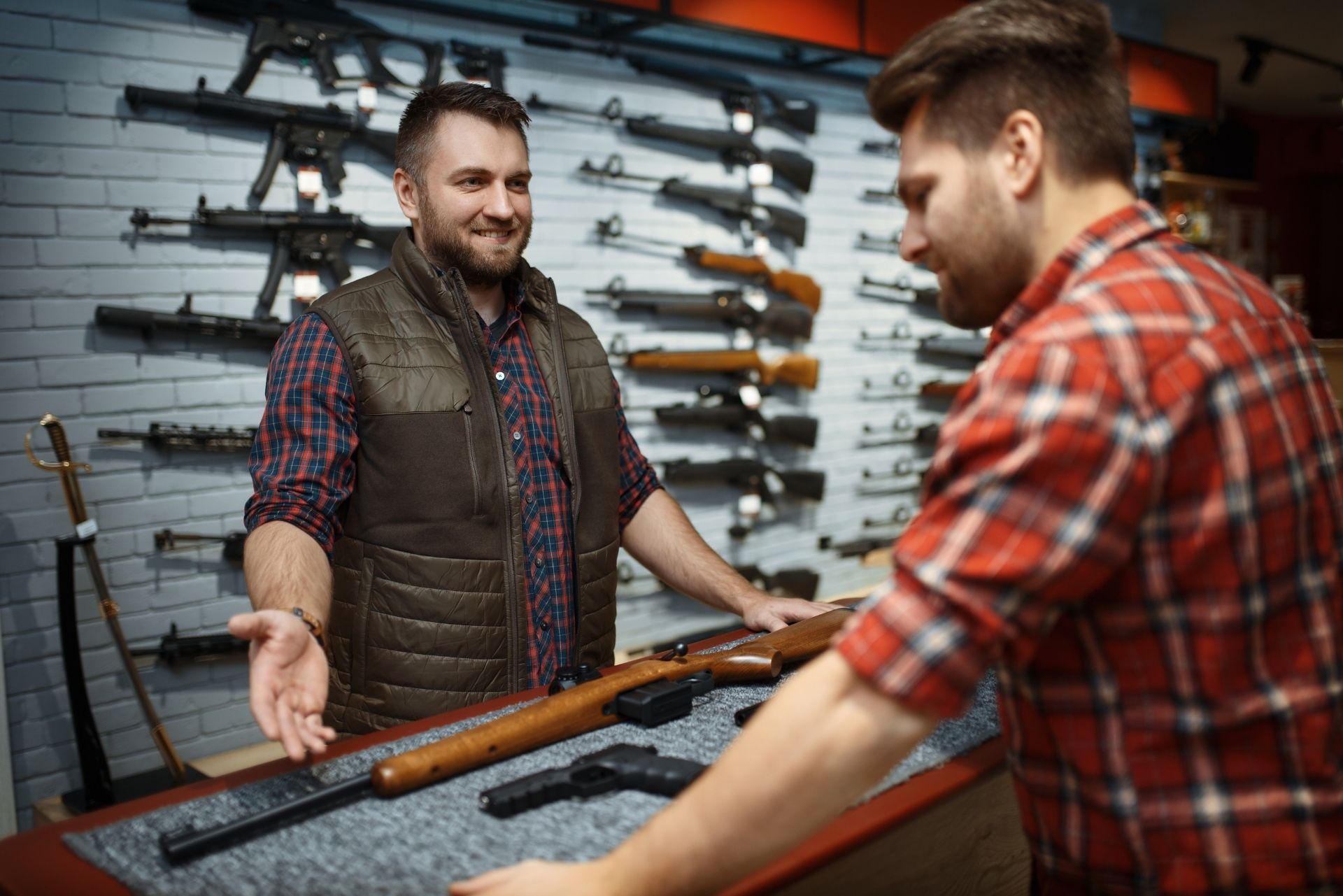
Florida’s firearm industry operates under a distinctive legal framework that affects liability and insurance considerations. Notably, state law grants broad immunity to firearms and ammunition manufacturers, distributors, and dealers. This means they cannot be sued for damages related to the criminal misuse of their products, except in cases involving breach of contract or warranty. This legal protection is designed to shield the industry from lawsuits that could arise from incidents involving their products, but it also places a greater emphasis on internal risk management and insurance coverage for businesses.
For firearms dealers, this immunity does not eliminate the need for comprehensive insurance. While the law limits certain legal exposures, dealers still face risks from property damage, employee injuries, and customer incidents at their premises. Insurance policies must be tailored to address these operational risks, including general liability and product liability coverage where applicable.
Florida’s legal stance is detailed by organizations like the Giffords Law Center, which highlights the state’s strong protections for the firearms industry. Dealers should work closely with insurance professionals who understand these nuances to ensure their policies align with state laws and industry risks.
In addition to the legal protections, Florida’s vibrant firearm market is influenced by a diverse customer base, ranging from recreational shooters to competitive marksmen and hunters. This variety necessitates that dealers not only understand the legal landscape but also the specific needs and preferences of their clientele. For instance, dealers may need to stock a wide range of firearms and accessories to cater to different segments, including handguns, rifles, and shotguns, as well as ammunition types and safety gear. Understanding customer demographics can also help dealers tailor their marketing strategies and customer service approaches, enhancing their business's overall success.
Furthermore, the regulatory environment surrounding firearms in Florida is dynamic, with ongoing discussions about potential changes in legislation that could impact the industry. Dealers must stay informed about proposed laws and regulations that could affect their operations, including background check requirements, sales restrictions, and potential changes in liability protections. Engaging with local firearms advocacy groups and participating in industry conferences can provide valuable insights and networking opportunities, helping dealers remain proactive in adapting to any shifts in the legal landscape.
By: Montreal Morand
Founder & Managing Partner
Macpherson Insurance Agency
Key Insurance Needs for Firearms Dealers in Florida
Firearms dealers face a variety of risks that require specialized insurance coverage. General liability insurance is a must, protecting against claims of bodily injury or property damage that could occur on business premises. This coverage is crucial given the public nature of many dealerships and the potential for accidents involving customers or employees. The importance of this insurance cannot be overstated, as even minor incidents can lead to significant financial burdens, not to mention the potential reputational damage that could arise from a lawsuit.
Product liability insurance is another important consideration. Even with legal immunity in place, dealers may still want protection against claims related to defective products or warranty issues. This is especially relevant for businesses that handle firearms repairs or modifications. The complexities of firearm mechanics mean that even a small oversight can lead to catastrophic failures, making it essential for dealers to safeguard themselves against potential claims that could arise from such incidents.
Additionally, dealers should consider property insurance to cover their inventory and physical locations. Firearms and ammunition represent a high-value inventory that requires protection against theft, fire, or other damage. Inland marine insurance can also be useful for dealers who transport firearms between locations or to gun shows. The logistics of transporting firearms can be fraught with risk, and having the right coverage ensures that dealers are protected during transit, which is often a vulnerable time for high-value items.
Insurance challenges have become more complex since high-profile incidents such as the 2018 Florida shooting, which led some insurers to withdraw specific policies related to firearms owners. For example, the insurance company Chubb stopped underwriting NRA-branded insurance policies after that event, underscoring the evolving risk landscape dealers must navigate (CNBC report). The aftermath of such events has prompted many insurers to reassess their risk models and coverage offerings, leading to a more stringent underwriting process for firearms dealers.
Impact of Gun Show Attendance on Dealer Insurance
Gun shows are a significant sales channel for many firearms dealers, but recent trends have shown a sharp decline in attendance at these events. In Florida, some gun shows have experienced up to a 50% drop in visitors, which not only affects sales but also reduces tax revenue from admission tickets. This shift impacts dealers’ revenue streams and may influence insurance underwriting and premiums, as insurers assess the changing risk profile of businesses reliant on these events. The diminished foot traffic at gun shows can lead to a ripple effect, where dealers may need to adjust their inventory levels and marketing strategies to adapt to the new reality.
The state’s ongoing legal challenges to federal regulations requiring more gun sellers to be licensed also factor into this dynamic. Dealers should stay informed about these developments, as they may affect operational requirements and insurance needs (Orlando Weekly). As regulations evolve, dealers may find themselves needing to adjust their insurance policies to ensure compliance with new laws, which can lead to increased costs or changes in coverage options. Furthermore, the legal landscape surrounding firearms is continually shifting, making it imperative for dealers to work closely with insurance professionals who understand the nuances of the industry and can provide tailored advice to navigate these complexities.
Insurance for Gun Ranges: Specialized Coverage and Risk Management
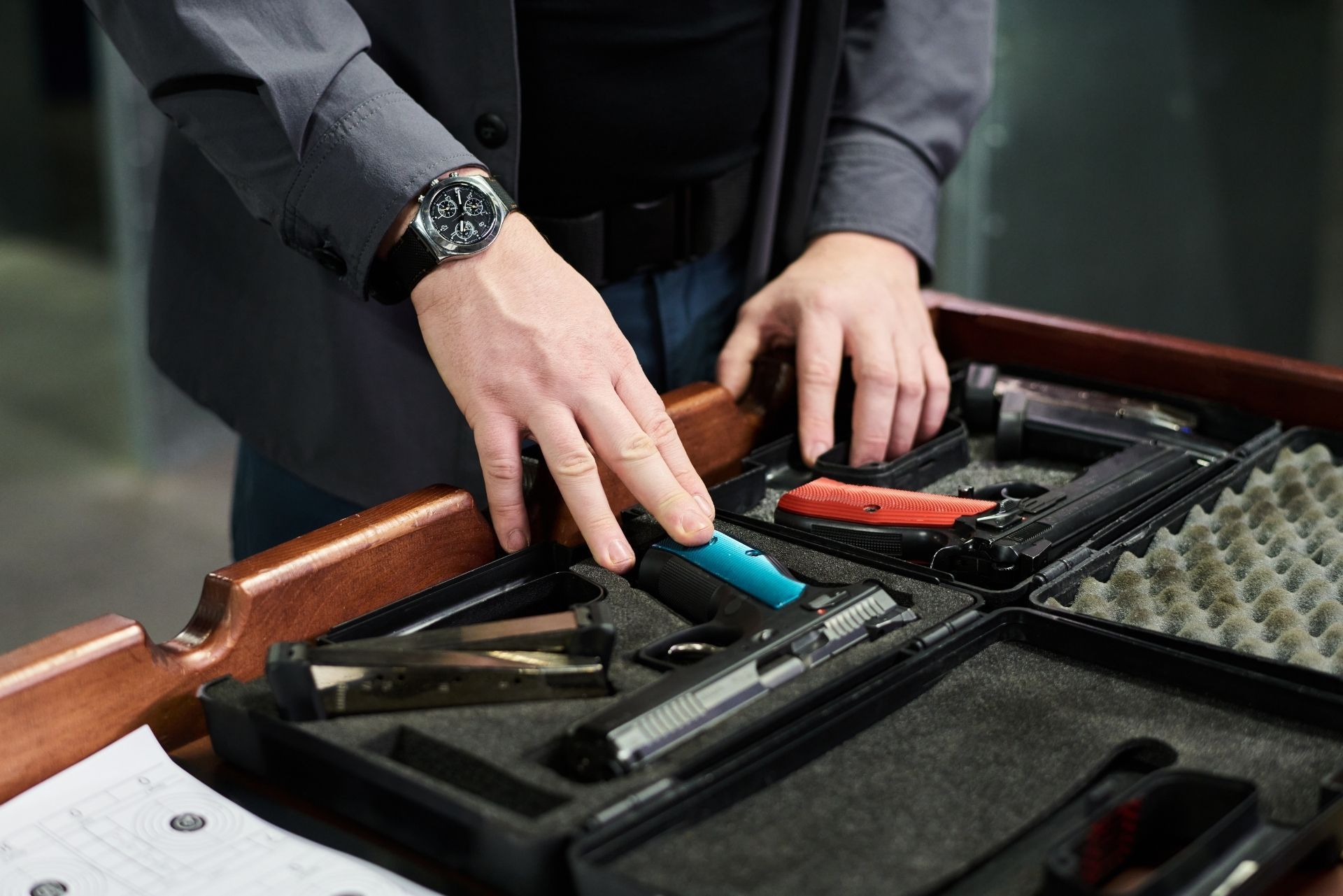
Gun ranges operate with a distinct set of risks compared to firearms dealers. The presence of live firearms being discharged on-site introduces hazards that require tailored insurance solutions. General liability insurance is critical to protect against claims arising from accidents or injuries sustained by range users.
Business insurance for gun ranges often includes coverage for property damage, equipment breakdown, and workers’ compensation for employees. Given the specialized nature of these operations, many insurers offer tailored risk management services to help ranges minimize hazards and comply with safety regulations.
Wexford Insurance, for example, provides customized insurance packages for Florida gun ranges. Their offerings include general liability coverage and risk management strategies designed specifically for the firearms industry, helping ranges maintain safe environments while protecting their financial interests (Wexford Insurance).
Safety Training and Its Role in Reducing Insurance Risks
One of the most effective ways for gun ranges to reduce insurance claims is through rigorous safety training. Experts like Chris Louissaint, owner of Firearms Training and Consulting, stress the importance of better gun safety training and stricter storage practices. He points out that while many exercise their Second Amendment rights responsibly, negligent adults often fail to do their part, increasing the risk of accidents (WFTV report).
Gun ranges that invest in comprehensive safety programs not only protect their patrons but also demonstrate to insurers that they are proactive in risk management. This can lead to more favorable insurance terms and lower premiums. Additionally, many ranges implement regular safety drills and offer workshops that educate both staff and patrons on best practices for firearm handling and emergency response. These initiatives not only enhance the overall safety culture within the range but also serve as a marketing tool, attracting responsible gun owners who value safety and education.
Moreover, some ranges have begun to incorporate technology into their safety training programs. For example, virtual reality simulations can provide users with realistic scenarios to practice their skills without the risks associated with live fire. This innovative approach not only engages participants but also allows them to experience various situations that could arise in a real-world context, thereby reinforcing the importance of safety protocols. By embracing such advancements, gun ranges can further solidify their commitment to safety and risk management, creating an environment that is both enjoyable and secure for all users.
Economic Impact and Market Trends Affecting Firearms Businesses in Florida
The firearms and ammunition industry plays a significant role in Florida’s economy. According to the NSSF’s 2024 Economic Impact Report, the industry supports a wide range of jobs in manufacturing, retail, and related sectors. This economic footprint underscores the importance of sustaining a healthy business environment for dealers and ranges alike. In addition to direct employment, the firearms industry contributes to the state’s tax revenue, which is crucial for funding public services and infrastructure. The ripple effect of this industry can be seen in ancillary businesses, including outdoor sporting goods stores, training facilities, and even tourism related to shooting sports.
Understanding consumer trends is also vital. The NSSF’s “First Time Gun Buyers” study reveals that about 40% of first-time buyers are female, with personal protection cited as the main reason for purchase. This shift in buyer demographics influences marketing strategies and inventory decisions for dealers. Moreover, the rise of social media and online platforms has transformed how firearms businesses engage with customers. Many dealers are now leveraging digital marketing techniques to reach younger audiences, showcasing not only products but also educational content that demystifies gun ownership and safety practices. This proactive approach helps to build trust and community among potential buyers.
Economic fluctuations, legal changes, and public sentiment all impact insurance markets for firearms businesses. Dealers and ranges must adapt to these trends, ensuring their insurance coverage remains adequate as their operations evolve. Additionally, the growing emphasis on responsible gun ownership has led to an increase in demand for training and safety courses, which can also affect liability considerations in insurance policies. As more consumers prioritize education before purchasing firearms, businesses that offer comprehensive training programs may find themselves at a competitive advantage, further influencing the overall market landscape.
Insurance Coverage Comparison: Firearms Dealers vs. Gun Ranges
| Coverage Type | Firearms Dealers | Gun Ranges |
|---|---|---|
| General Liability | Protects against customer injuries and property damage at the dealership. | Essential for accidents involving patrons and employees on-site. |
| Product Liability | Coverage for claims related to defective firearms or warranty issues. | Less common, but may apply if ranges sell firearms or accessories. |
| Property Insurance | Covers inventory, equipment, and premises from theft or damage. | Protects range facilities, shooting equipment, and maintenance tools. |
| Workers’ Compensation | Required for employees handling firearms and retail operations. | Critical due to physical risks of range operations and maintenance work. |
| Specialized Risk Management | Focus on secure storage and transport of firearms and ammunition. | Includes training programs and safety protocols to reduce accidents. |
Before You Go: Key Considerations for Florida Firearms Businesses
Insurance for firearms dealers and gun ranges in Florida is not one-size-fits-all. Each business must assess its unique risks and operational needs. Dealers should prioritize coverage that protects their inventory and shields them from liability related to customer interactions and product issues. Gun ranges must focus heavily on liability and safety-related coverage due to the inherent dangers of live-fire activities.
Staying informed about legal changes, such as Florida’s firearm industry immunity laws and evolving federal regulations, is crucial. These laws shape the liability landscape and influence insurance requirements. Working with an insurance provider experienced in firearms industry risks will help tailor policies that provide robust protection without unnecessary coverage gaps.
Finally, investing in safety training and risk management can pay dividends. Not only does it protect patrons and employees, but it also demonstrates responsibility to insurers, potentially lowering premiums and improving coverage terms.
For firearms dealers and gun ranges navigating Florida’s complex market, the right insurance coverage is a cornerstone of sustainable business success.
Frequently Asked Questions
Q: Do Florida firearms dealers need product liability insurance despite legal immunity?
A: Yes. While Florida law limits lawsuits against firearms manufacturers and dealers, product liability insurance can protect against warranty claims and other business risks.
Q: What types of insurance are essential for gun ranges?
General liability, property insurance, and workers’ compensation are key. Specialized risk management and safety training also help reduce claims.
Q: How has the decline in gun show attendance affected firearms dealers?
Lower attendance reduces sales opportunities and tax revenues, which can impact dealers’ financial stability and influence insurance underwriting.
Q: Can safety training lower insurance premiums for gun ranges?
Yes. Demonstrating strong safety programs shows insurers that risks are managed, often resulting in more favorable premiums.
Q: Are there insurance providers that specialize in firearms businesses in Florida?
Yes. Some insurers, like Wexford Insurance, offer tailored coverage and risk management services specifically for gun ranges and firearms dealers.
Q: How does Florida’s legal immunity for firearms manufacturers affect insurance claims?
It limits lawsuits related to criminal misuse but does not eliminate the need for insurance covering operational risks, property damage, and employee injuries.
ABOUT THE AUTHOR:
MONTREAL MORAND
With over 20 years of leadership experience in the insurance industry, I’ve dedicated my career to helping clients and agents make informed, confident decisions about their coverage. I’ve led high-performing teams, managed more than $128 million in premium, and earned multiple national awards for excellence. Today, my mission remains the same — to educate, empower, and provide dependable protection for the communities we serve.
Contact Us
Protect the Things That Matter Most
Reliable Coverage for Your Home & Lifestyle
Home Insurance
Protect your home, belongings, and personal liability with reliable coverage.
Stronger Coverage for Your Operations
Essential Protection for Your Company
Coverage built for businesses that depend on people, property, and equipment.
Industries We Support
Insurance for Everyday Local Businesses
Simple, reliable protection for the people who keep our communities running.
Plumbers
Plumbers Insurance
Protection for job-site hazards, tools, and customer property.
Restaurants
Restaurants Insurance
Coverage for fire risks, food inventory, and general liability.
HVAC Contractors
HVAC Contractors Insurance
Insurance for service vehicles, equipment, and installation risks.




Frequently Asked Questions
Helpful Answers to Common Questions
Quick guidance to help you understand your coverage.
What types of insurance does Macpherson Insurance Agency offer?
We provide both personal and commercial insurance solutions. On the personal side: homeowners, automobile, condo, renters, windstorm, flood, excess flood, and more. On the commercial side: general liability, property, inland marine, ocean marine, workers compensation, and more.
Do you specialize in homeowners insurance in South Florida?
Yes. We specialize in homeowners coverage in South Florida and work with multiple carriers based on your property’s age, location and replacement cost.
What does “replacement cost” mean in a policy?
Replacement cost is the cost to rebuild your home to the same standard it had before a loss — not the market value of your property.
Why is it important that my insurer is licensed in Florida?
Licensed Florida insurers are continuously monitored for financial stability — if one fails, the Florida Insurance Guaranty Fund may reimburse insureds for unpaid claims up to a limit.
Can I lower my homeowners premium with discounts?
Yes — mitigation features like impact glass, storm shutters, roof straps, and approved sheathing may qualify you for significant credit reductions.
Do you offer payment plans or premium financing?
Yes. In many cases, payment plans and premium financing are available to make coverage more affordable and manageable over time.
From the Blog
Helpful Tips & Insurance Guidance
Articles created to make insurance easier to understand.







Contact Us
Phone
Location