
Florida’s unique geography makes it one of the most flood-prone states in the nation. If you live here, understanding flood insurance is not just smart - it’s essential. In 2023 alone, Florida accounted for two-thirds of the National Flood Insurance Program’s payouts, totaling a staggering $629 million according to Insurify. That figure alone signals the importance of protecting your property from flood damage.
Flood insurance can be complex, especially in a state where climate risks are reshaping the insurance landscape. This guide breaks down what every Florida homeowner should know about flood insurance, from market shifts to emerging coverage options and the role of natural defenses.
Why Flood Insurance Matters in Florida
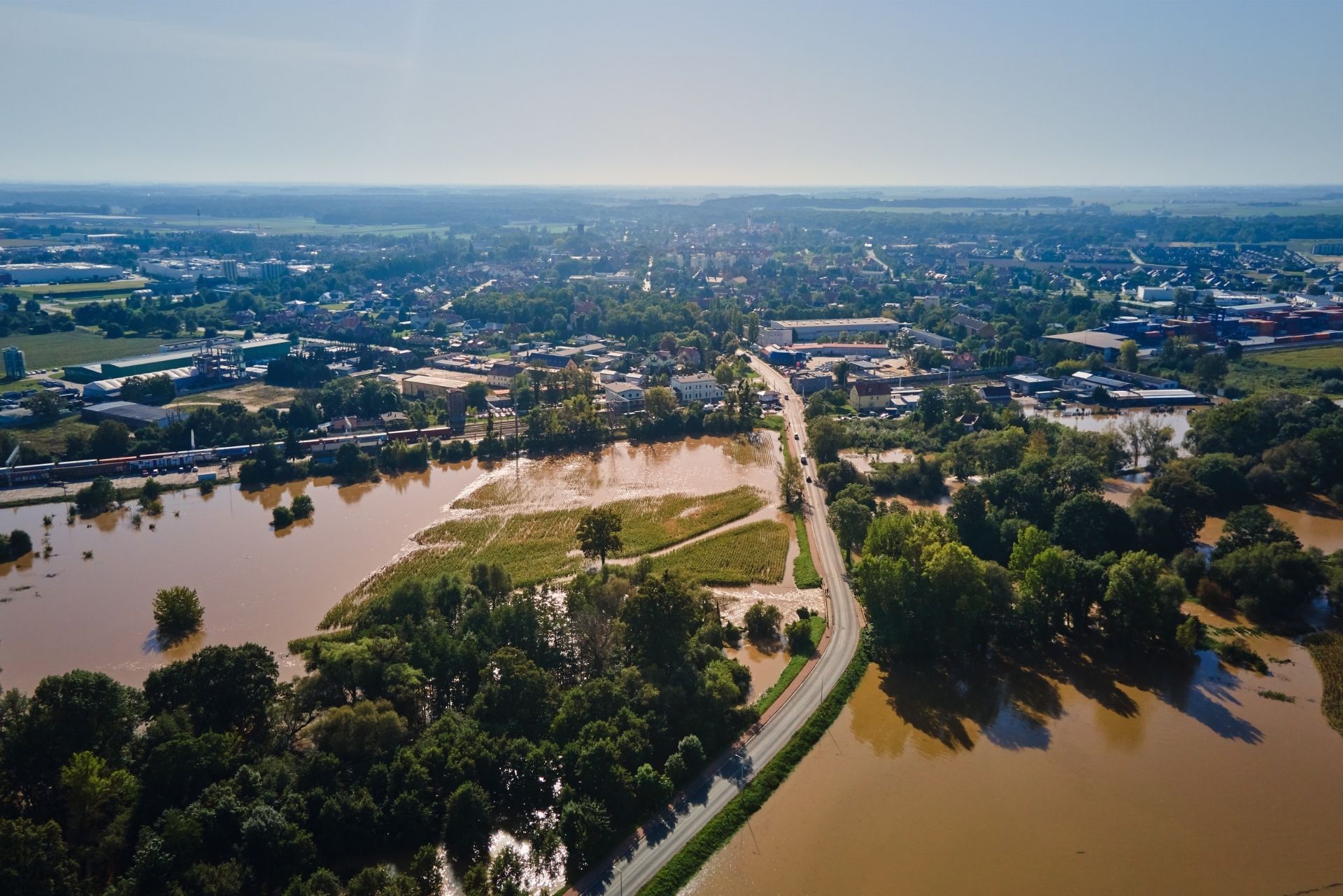
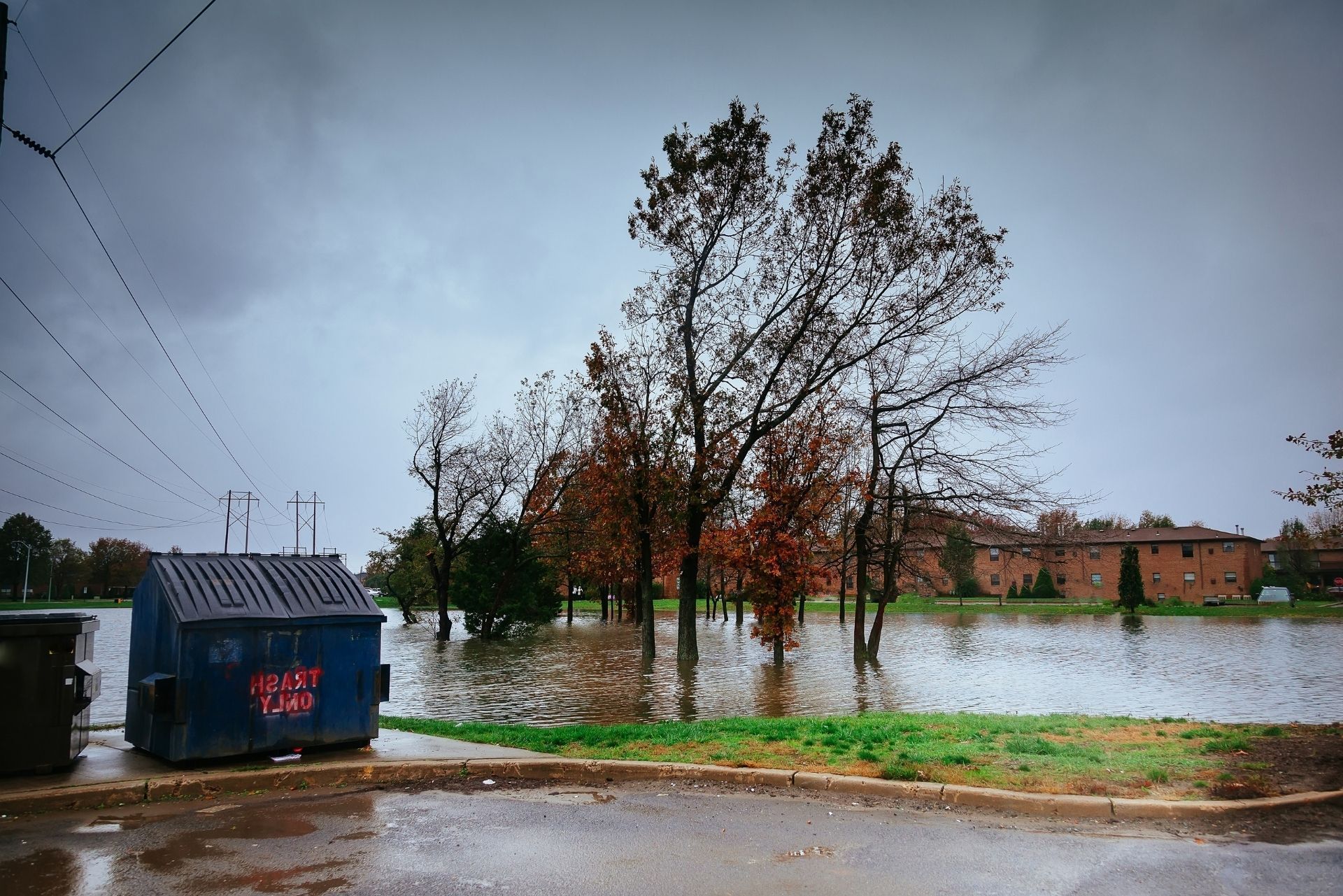
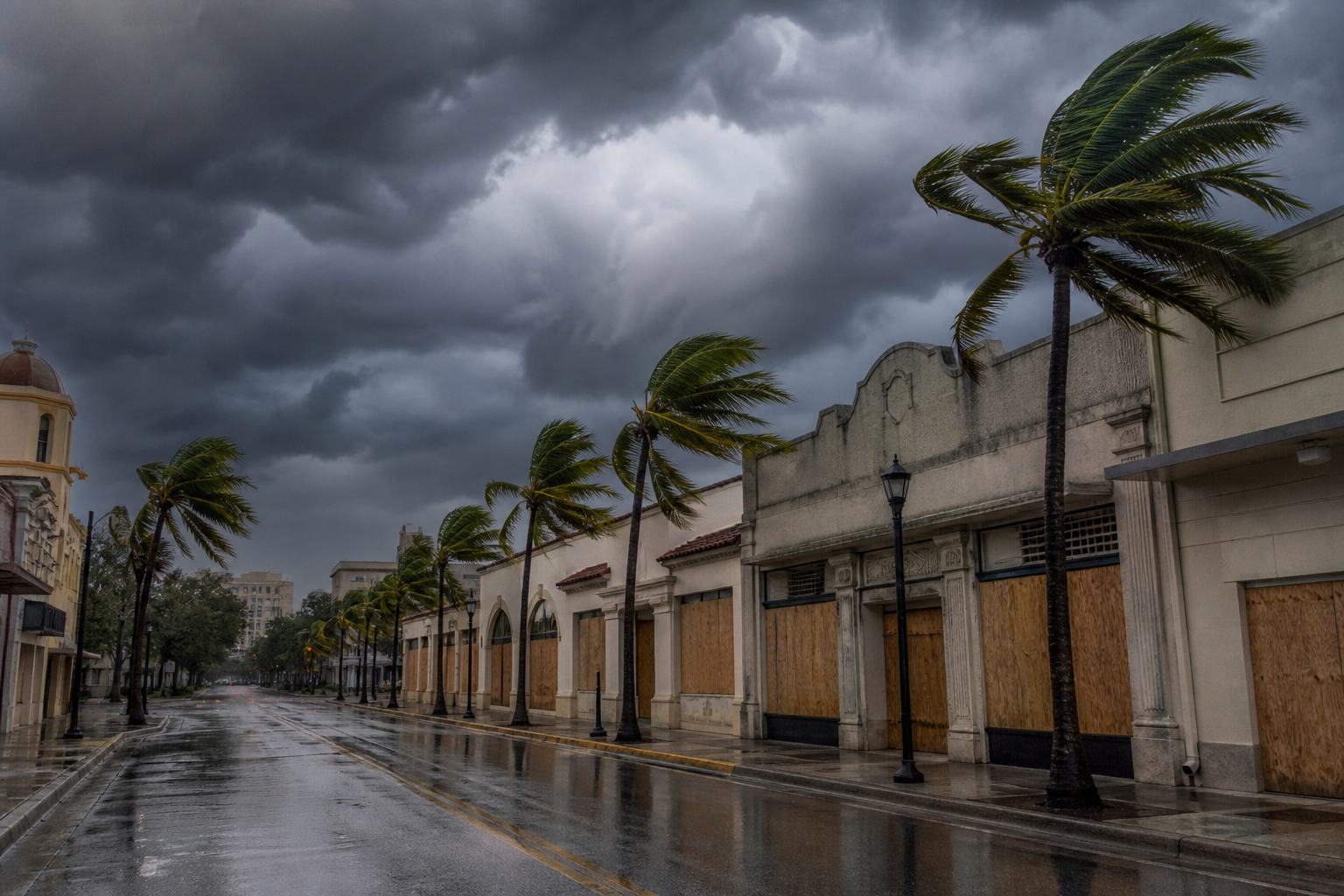
Flooding is one of the most common and costly natural disasters in Florida. Whether caused by hurricanes, heavy rains, or rising sea levels, flood damage can devastate homes and finances. Homeowners often assume their standard insurance policies cover flood damage, but that’s rarely the case. Flood insurance is a separate policy designed specifically to cover losses from flooding.
John Tankersley, an insurance expert, stresses the importance of this coverage: “Having flood insurance with homeowners’ insurance ... it’s really the best thing you can do to protect yourself” he advises. This is especially true in Florida, where flood risks are high and growing.
Ignoring flood insurance can leave homeowners vulnerable to significant out-of-pocket expenses after a flood event. With nearly half of damage claims in Florida closed without payment in 2024 - the highest share in almost a decade reports The Washington Post - it’s clear that having the right coverage is critical to avoid financial hardship.
In addition to the financial implications, the emotional toll of flooding can be overwhelming. Many Floridians have experienced the heart-wrenching loss of cherished possessions and the disruption of their daily lives due to flood damage. The process of recovery can be lengthy and stressful, often requiring extensive repairs and renovations. Flood insurance not only provides financial support but also peace of mind, allowing homeowners to focus on rebuilding their lives rather than worrying about how to pay for repairs.
Furthermore, as climate change continues to impact weather patterns, the frequency and severity of flooding events are expected to increase. Coastal communities in Florida are particularly at risk, with many areas experiencing more frequent storm surges and heavy rainfall. This evolving landscape makes it essential for residents to stay informed about their flood risk and to consider flood insurance as a necessary part of their overall risk management strategy. By taking proactive steps, homeowners can better prepare for the inevitable challenges posed by Florida's unique climate.

By: Montreal Morand
Founder & Managing Partner
Macpherson Insurance Agency
How Florida’s Flood Insurance Market Is Changing
The insurance market in Florida is undergoing dramatic shifts. Over the past decade, the home insurance market has contracted by 78%, forcing many homeowners to rely on Citizens Property Insurance Corporation, the state-backed insurer. Its market share has ballooned from 6% to 63% as private insurers pull back according to Deep Sky Research.
Despite Florida hosting the largest private residential flood insurance market in the U.S., private flood policies make up just 3% of all flood insurance policies in the state according to the Wharton Risk Management and Decision Processes Center. This gap highlights the challenge homeowners face in finding affordable private flood insurance options. The limited availability of these policies is often attributed to the increasing frequency and severity of storms, which has made insurers wary of underwriting new flood risks in a state so vulnerable to climate change impacts.
One promising development is the rise of parametric flood insurance. Unlike traditional policies that pay based on assessed damage, parametric insurance pays out when specific flood triggers occur, such as water levels reaching a certain height. This model is gaining traction in Florida, with increasing requests and purchases Insurance Journal reports. For homeowners, this can mean faster claims processing and more predictable coverage. The parametric model not only streamlines the claims process but also encourages homeowners to take proactive measures to mitigate flood risks, as they can receive funds quickly to implement preventative strategies.
Additionally, the growing awareness of climate change's impact on Florida's weather patterns has prompted state lawmakers to explore innovative solutions to bolster the flood insurance market. Initiatives such as incentivizing the development of resilient infrastructure and enhancing community-level flood preparedness programs are gaining momentum. These efforts aim to create a more robust insurance landscape that can withstand the increasing pressures of climate-related disasters, ultimately benefiting both homeowners and insurers alike. As the state navigates these changes, it is crucial for residents to stay informed about their options and advocate for policies that support sustainable growth and protection against flooding.
The Growing Risks of Flooding in Florida
Flood risk in Florida is not static. Rising sea levels and more intense storms are putting more properties in harm’s way. By 2050, an estimated 100,000 Florida properties worth $50 billion could face severe flooding risks according to McKinsey & Company. This looming threat makes flood insurance an urgent priority for many homeowners, especially those in coastal or low-lying areas.
Understanding your property’s flood risk is the first step. Flood maps and risk assessments can help, but they don’t always capture the full picture. Climate change is shifting flood zones, sometimes faster than maps are updated. This means even homes outside traditional flood zones may face new risks. Additionally, local infrastructure, such as drainage systems and levees, can influence how floodwaters behave, making it essential for residents to stay informed about local developments and improvements.
Given these dynamics, flood insurance is not just about protecting your home today but also about preparing for future threats. Homeowners should regularly review their coverage and stay informed about changing flood risks in their area. Moreover, it’s crucial to consider the long-term implications of climate change on property values. As flood risks increase, properties in vulnerable areas may see a decline in market value, making it imperative for homeowners to not only secure insurance but also to explore mitigation strategies, such as elevating their homes or investing in flood-resistant materials. These proactive measures can significantly reduce the impact of flooding and enhance the overall resilience of communities facing these growing challenges.
Natural Defenses and Their Role in Flood Protection
Florida’s natural environment plays a key role in mitigating flood damage. Mangroves, for example, are a powerful natural barrier against storm surges. A study focusing on Collier County found that mangroves reduce storm surge losses to properties by $67.5 million annually according to arXiv research. These ecosystems absorb wave energy and slow floodwaters, protecting inland areas. In addition to mangroves, wetlands and marshes also serve as crucial buffers, acting like sponges that soak up excess rainwater and gradually release it, thereby minimizing the risk of flooding in surrounding communities.
Preserving and restoring mangroves and other natural features can complement flood insurance by reducing the severity of flooding events. While insurance helps cover financial losses, natural defenses help reduce the likelihood and extent of those losses in the first place. Furthermore, these ecosystems provide additional benefits, such as enhancing biodiversity and improving water quality, which are vital for the overall health of the environment. The intricate root systems of mangroves not only stabilize shorelines but also create habitats for various species, including fish and birds, contributing to the ecological richness of the region.
Homeowners can support local conservation efforts and advocate for policies that protect these natural buffers. Combining insurance with environmental stewardship offers a more resilient approach to flood risk management. By participating in community clean-up events or supporting organizations focused on habitat restoration, residents can play an active role in preserving these vital ecosystems. Additionally, educating others about the importance of natural defenses can foster a collective commitment to sustainability, ensuring that future generations benefit from the protective power of Florida’s natural landscapes.
Choosing the Right Flood Insurance Coverage
Flood insurance policies vary widely in terms, coverage limits, and pricing. The National Flood Insurance Program (NFIP) is the most common source of flood insurance in Florida, but it has limits on coverage amounts and can have strict underwriting rules. Private flood insurance options, while less common, may offer higher limits or more flexible terms. Understanding these differences is crucial for homeowners, especially in regions prone to flooding, as it can significantly impact financial recovery after a disaster.
When shopping for flood insurance, consider the following:
- Coverage Limits: Ensure your policy covers the full replacement cost of your home and belongings.
- Waiting Periods: NFIP policies typically have a 30-day waiting period before coverage begins, so plan ahead.
- Deductibles and Exclusions: Understand what your policy does and does not cover, including any deductibles.
- Claims Process: Some newer options like parametric insurance can offer quicker payouts based on flood triggers.
Given the complexity, consulting an insurance expert who understands Florida’s flood risks can make a big difference. They can help tailor coverage to your needs and explain how flood insurance fits with your overall homeowners insurance. Additionally, it's important to stay informed about the specific flood zones in your area, as these designations can affect both the cost of premiums and the availability of coverage. For example, properties located in high-risk flood zones may be required to carry flood insurance if they have a mortgage backed by a federally regulated or insured lender.
Moreover, homeowners should also consider the potential for climate change to impact flood risks in the future. Rising sea levels and increased rainfall can lead to more frequent and severe flooding, making it essential to reassess coverage needs regularly. Some insurance providers may even offer endorsements or additional coverage options specifically designed to address these evolving risks, providing an extra layer of protection. Keeping abreast of local flood maps and updates from the NFIP can further empower homeowners to make informed decisions about their flood insurance coverage.
What to Know About Claims and Coverage Challenges
Flood insurance claims can be tricky. In 2024, 47% of damage claims in Florida were closed without payment, the highest share in nearly 10 years according to The Washington Post. This often happens due to policy exclusions, insufficient documentation, or disputes over damage cause.
To improve the chances of a successful claim, document your property thoroughly before a flood event. Take photos, keep receipts for improvements, and maintain an inventory of valuables. After a flood, report damage promptly and keep detailed records of all communications with your insurer.
Understanding the fine print of your policy is crucial. Some policies exclude certain types of damage or have strict definitions of what constitutes a flood event. Knowing these details upfront can prevent surprises when filing a claim.
Additionally, it's important to be aware of the specific requirements set by your insurance provider. Each company may have different stipulations regarding the necessary documentation and timelines for filing a claim. For instance, some insurers may require a formal inspection by an adjuster, while others might accept a simple report from the policyholder. Familiarizing yourself with these requirements can save you time and frustration during the claims process.
Moreover, consider seeking assistance from professionals who specialize in flood insurance claims. These experts can help navigate the complexities of your policy and advocate on your behalf, potentially increasing the likelihood of a favorable outcome. They can also provide insights into common pitfalls and help ensure that your claim is as robust as possible, giving you peace of mind in the aftermath of a flood.
Wrapping Things Up: Protecting Your Home and Future
Flood insurance is a vital part of home protection in Florida. With rising flood risks and a shifting insurance market, staying informed is more important than ever. Whether through the National Flood Insurance Program, private insurers, or innovative options like parametric insurance, securing the right coverage can save you from devastating financial losses. Understanding the nuances of these policies is crucial; for instance, while the National Flood Insurance Program provides standardized coverage, private insurers may offer tailored options that better fit your specific needs and circumstances.
Supporting natural flood defenses like mangroves enhances community resilience and complements insurance protection. These natural barriers not only absorb excess water but also provide critical habitats for wildlife, contributing to biodiversity. Communities that invest in restoring and maintaining these ecosystems often find that they can mitigate flood risks more effectively, creating a win-win situation for both residents and the environment. Together, these strategies offer a stronger defense against Florida’s flood threats.
Start by assessing your flood risk, exploring your insurance options, and consulting with a knowledgeable agent. Taking these steps today can make all the difference when waters rise tomorrow. Additionally, consider participating in local initiatives aimed at improving drainage systems and community awareness programs. Engaging with neighbors and local organizations can foster a collective approach to flood preparedness, ensuring that everyone is equipped with the knowledge and resources needed to respond effectively in times of crisis. By building a network of informed residents, you can create a more resilient community that stands strong against the challenges posed by climate change and extreme weather events.
Frequently Asked Questions About Florida Flood Insurance
Q: Is flood insurance included in my standard homeowners policy?
A: No. Flood insurance is typically a separate policy and must be purchased independently.
Q: How soon does flood insurance coverage start after I buy a policy?
A: Most flood insurance policies, including those through the NFIP, have a 30-day waiting period before coverage begins.
Q: Can I get flood insurance if I’m not in a designated flood zone?
A: Yes. Flood risk can exist outside official flood zones, and many homeowners choose to get coverage as a precaution.
Q: What is parametric flood insurance?
A: It’s a type of policy that pays out based on specific flood triggers, like water levels, rather than damage assessments.
Q: Why do so many flood claims get denied in Florida?
A: Claims can be denied due to policy exclusions, lack of proof, or if damage isn’t caused by a covered flood event.
Q: How can natural features like mangroves help protect my home?
Mangroves reduce storm surge and flooding impacts, potentially lowering damage and insurance costs.
Q: What should I do to prepare for a flood claim?
Document your property, keep receipts, report damage quickly, and maintain good communication with your insurer.
ABOUT THE AUTHOR:
MONTREAL MORAND
With over 20 years of leadership experience in the insurance industry, I’ve dedicated my career to helping clients and agents make informed, confident decisions about their coverage. I’ve led high-performing teams, managed more than $128 million in premium, and earned multiple national awards for excellence. Today, my mission remains the same — to educate, empower, and provide dependable protection for the communities we serve.
Contact Us
Protect the Things That Matter Most
Reliable Coverage for Your Home & Lifestyle
Home Insurance
Protect your home, belongings, and personal liability with reliable coverage.
Stronger Coverage for Your Operations
Essential Protection for Your Company
Coverage built for businesses that depend on people, property, and equipment.
Industries We Support
Insurance for Everyday Local Businesses
Simple, reliable protection for the people who keep our communities running.
Plumbers
Plumbers Insurance
Protection for job-site hazards, tools, and customer property.
Restaurants
Restaurants Insurance
Coverage for fire risks, food inventory, and general liability.
HVAC Contractors
HVAC Contractors Insurance
Insurance for service vehicles, equipment, and installation risks.




Frequently Asked Questions
Helpful Answers to Common Questions
Quick guidance to help you understand your coverage.
What types of insurance does Macpherson Insurance Agency offer?
We provide both personal and commercial insurance solutions. On the personal side: homeowners, automobile, condo, renters, windstorm, flood, excess flood, and more. On the commercial side: general liability, property, inland marine, ocean marine, workers compensation, and more.
Do you specialize in homeowners insurance in South Florida?
Yes. We specialize in homeowners coverage in South Florida and work with multiple carriers based on your property’s age, location and replacement cost.
What does “replacement cost” mean in a policy?
Replacement cost is the cost to rebuild your home to the same standard it had before a loss — not the market value of your property.
Why is it important that my insurer is licensed in Florida?
Licensed Florida insurers are continuously monitored for financial stability — if one fails, the Florida Insurance Guaranty Fund may reimburse insureds for unpaid claims up to a limit.
Can I lower my homeowners premium with discounts?
Yes — mitigation features like impact glass, storm shutters, roof straps, and approved sheathing may qualify you for significant credit reductions.
Do you offer payment plans or premium financing?
Yes. In many cases, payment plans and premium financing are available to make coverage more affordable and manageable over time.
From the Blog
Helpful Tips & Insurance Guidance
Articles created to make insurance easier to understand.









Contact Us
Phone
Location