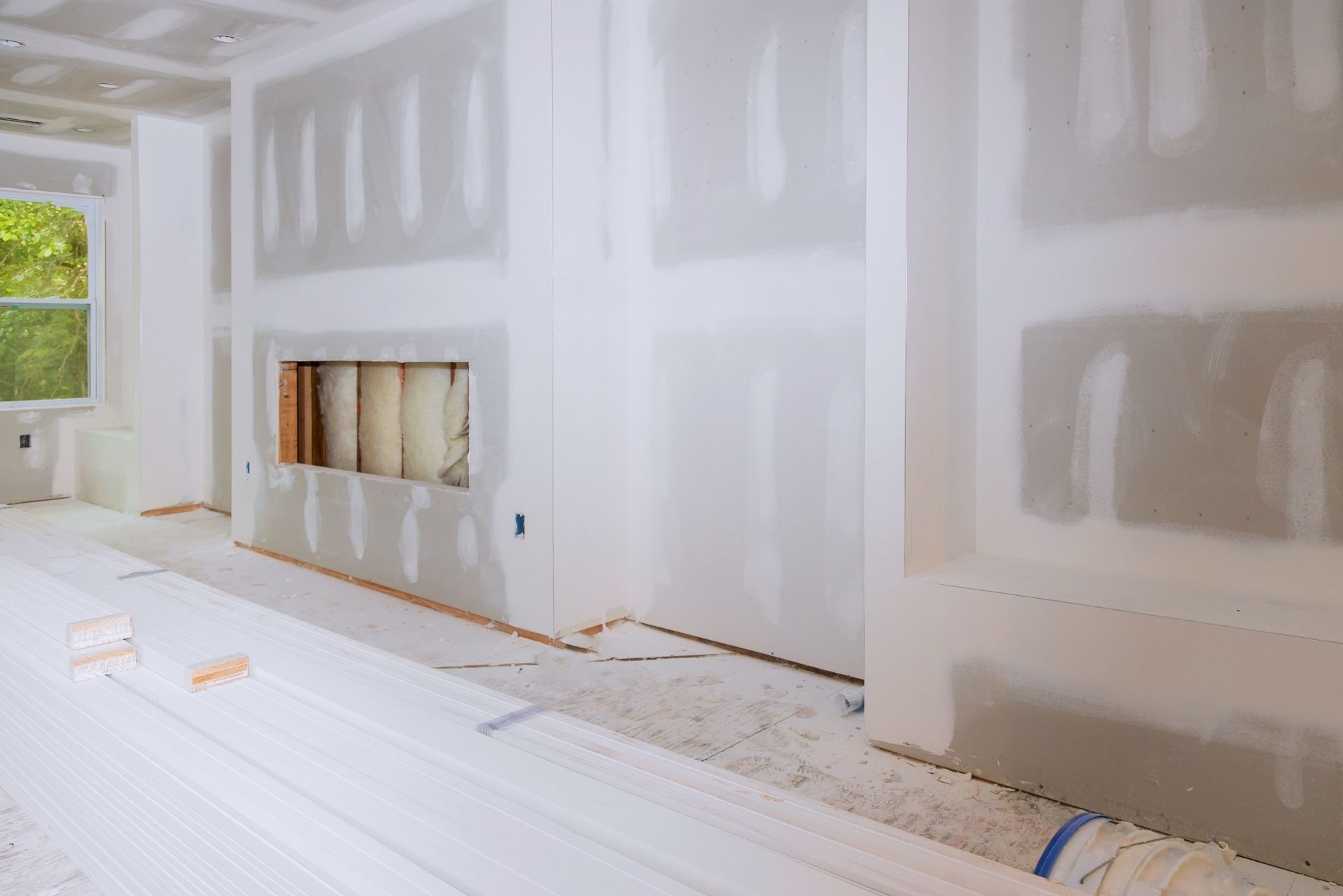
When drywall dust settles and framing nails are hammered in place, the last thing a contractor wants to worry about is insurance coverage that falls short. Florida’s unique climate, combined with strict state insurance requirements, makes it essential for drywall and framing contractors to understand their insurance needs clearly. Whether you’re finishing interiors or erecting the skeleton of a building, having the right insurance protects your business from costly claims and keeps projects moving smoothly.
Florida contractors face specific insurance mandates, including minimum liability limits and workers’ compensation rates that reflect the state’s risk profile. For drywall and framing crews, these coverages are not just bureaucratic checkboxes-they are vital shields against property damage, bodily injury, and even environmental exposures that can arise on job sites. This article breaks down what Florida drywall and framing contractors need to know about insurance, from general liability to workers’ comp, and how proactive measures can lower premiums.
For a detailed look at Florida’s contractor insurance requirements, the
Florida Department of Education’s contractor insurance guidelines offer a solid starting point.
General Liability Insurance: The Foundation of Contractor Protection
General liability insurance is the backbone of any contractor’s insurance portfolio. In Florida, contractors must carry a minimum of $100,000 per occurrence in general liability coverage. However, many projects and clients demand much higher limits to adequately protect against claims.
For example, the Pinellas County School Board requires contractors working on projects under $500,000 to maintain insurance with limits of $1,000,000 per occurrence and a $2,000,000 general aggregate. This means that even smaller projects can carry significant insurance expectations.
General liability insurance covers incidents such as property damage caused by your crew, injuries to third parties, and legal defense costs if you’re sued. For drywall contractors, this could include damage to a client’s home from dust or debris, while framing contractors might face claims related to structural mishaps or accidents on site.
Wexford Insurance highlights the importance of having the correct policy tailored to your trade, stating, “Having the correct Drywall Contractor Insurance Policy is super important to your business.” The same applies to framing contractors, where specialized coverage can address unique risks related to structural work and materials handling.
Understanding these requirements and securing the right limits can prevent costly gaps in coverage. For more on framing contractor insurance specifics in Florida, Wexford Insurance provides expert insights.
Moreover, it’s crucial for contractors to regularly review their insurance policies as their business grows and evolves. Changes in project scope, workforce size, or even the types of materials used can all impact the level of risk and, consequently, the necessary coverage. Engaging with an insurance broker who specializes in contractor insurance can help ensure that your policy adapts to these changes, providing peace of mind as you take on new projects.
Additionally, contractors should be aware of the potential for additional insured endorsements. Many clients, especially in commercial construction, may require contractors to add them as additional insureds on their general liability policies. This not only protects the client but also creates a more favorable relationship between the contractor and client, showcasing a commitment to risk management and professionalism in the industry.

By: Montreal Morand
Founder & Managing Partner
Macpherson Insurance Agency
Workers’ Compensation: Protecting Your Crew and Your Business
In Florida, workers’ compensation insurance is mandatory for contractors with employees. This coverage pays for medical expenses and lost wages if a worker is injured on the job. Residential contractors, including drywall and framing crews, face a workers’ compensation insurance rate of approximately $12.61 per $100 of payroll.
While this rate reflects the inherent risks of construction work, it also underscores the importance of safety protocols to reduce workplace injuries and keep insurance costs manageable. Injuries on job sites can lead to expensive claims and increased premiums, so investing in training and protective equipment pays off. Regular safety meetings, proper equipment maintenance, and adherence to OSHA regulations can significantly lower the likelihood of accidents, fostering a culture of safety that benefits both workers and employers alike.
Workers’ comp coverage not only helps injured employees but also shields contractors from lawsuits related to workplace injuries. Without it, contractors risk severe financial penalties and legal exposure. Furthermore, having a robust workers’ compensation policy can enhance a contractor's reputation, making them more attractive to potential clients who prioritize safety and compliance. Clients are often more willing to engage contractors who demonstrate a commitment to protecting their workforce, as it reflects a responsible business approach.
For contractors looking to understand how workers’ compensation fits into their overall insurance strategy,
ContractorNerd offers a clear breakdown of rates and requirements. Additionally, it is crucial for contractors to regularly review their policies and stay updated on any changes in state regulations or industry standards. Engaging with an insurance broker who specializes in construction can provide valuable insights and help tailor coverage to meet specific business needs, ensuring that both the crew and the business are adequately protected.
Moisture Management and Its Impact on Insurance Premiums
Florida’s humid climate poses a unique challenge for drywall and framing contractors. Moisture intrusion can cause significant damage, leading to mold, structural decay, and costly repairs. Insurance carriers recognize this risk and often adjust premiums based on how well contractors manage moisture on their projects.
Implementing proper moisture management protocols can reduce insurance premiums by up to 80% in high-moisture states like Florida. This dramatic reduction reflects the lower risk of claims related to water damage and mold, which are common in poorly managed construction environments.
For drywall contractors, this means using moisture-resistant materials, sealing techniques, and proper ventilation. Framing crews must ensure that wood is protected from prolonged exposure to moisture during and after installation. Additionally, utilizing dehumidifiers and moisture meters can help monitor humidity levels on-site, allowing contractors to take proactive measures before issues arise.
Contractors who prioritize moisture control not only protect their clients’ properties but also improve their insurance profile. Furthermore, training employees on the importance of moisture management can foster a culture of diligence and responsibility, ultimately leading to better project outcomes. More details on this topic can be found in ContractorNerd’s analysis of moisture management and insurance.
Moreover, the integration of advanced technologies, such as moisture sensors and smart home systems, can further enhance moisture management practices. These innovations not only provide real-time data but also enable contractors to respond swiftly to any moisture-related issues, thereby minimizing potential damage. As the construction industry continues to evolve, staying informed about the latest moisture management techniques will be crucial for contractors aiming to maintain competitive insurance rates and ensure the longevity of their projects.
Environmental and Emerging Risks: PFAS Exclusions in Policies
Insurance policies for contractors are evolving to address emerging environmental risks. One recent development in Florida’s construction insurance market is the introduction of PFAS (per- and polyfluoroalkyl substances) exclusions. PFAS are a group of chemicals linked to environmental contamination and health concerns. These substances, often referred to as “forever chemicals,” are notorious for their persistence in the environment and human body, leading to a growing awareness and regulatory scrutiny.
Many carriers now exclude coverage for claims related to PFAS contamination. However, some insurers offer flexibility by removing these exclusions based on individual project underwriting. This means contractors working on projects with potential PFAS exposure should discuss these risks upfront with their insurance provider. Engaging in proactive dialogue can help contractors navigate the complexities of their coverage options, ensuring they are adequately protected against unforeseen liabilities that may arise from the use of materials containing PFAS.
Understanding these exclusions is critical. If a project involves materials or sites with PFAS concerns, lacking coverage could leave contractors vulnerable to expensive cleanup or liability claims. Additionally, the implications of PFAS contamination extend beyond immediate financial risks; they can also affect a contractor's reputation and future business opportunities. As public awareness of environmental issues grows, clients are increasingly seeking contractors who prioritize sustainability and compliance with environmental regulations.
The
NFP report on recent insurance trends offers insight into how PFAS exclusions are shaping contractor policies. Furthermore, it highlights the importance of staying informed about evolving regulations and industry standards, which can significantly impact project planning and execution. As the landscape of environmental risk continues to change, contractors must remain vigilant and adaptable, ensuring that their insurance policies align with the realities of modern construction practices.
Tailoring Insurance for Drywall and Framing Contractors
Drywall and framing contractors face distinct risks that require specialized insurance coverage. While general liability and workers’ compensation form the core, additional endorsements or policies may be necessary.
For drywall contractors, coverage might include protection against damage to finished surfaces, dust-related claims, and equipment coverage. Framing contractors often need insurance that addresses structural risks, such as collapse or faulty installation claims.
Both trades benefit from having policies that reflect their specific workflows and exposures. Wexford Insurance emphasizes, “Having the correct Drywall Contractor Insurance Policy is super important to your business,” and the same applies to framing contractors who must ensure their coverage matches their operational realities.
Contractors should work with insurance professionals who understand the nuances of their trade and Florida’s regulatory environment. This approach ensures compliance and adequate protection without paying for unnecessary coverage.
Insurance Limits and Project Requirements in Florida
Florida contractors must navigate a complex landscape of insurance limits that vary by project size and client demands. While the state requires a minimum of $100,000 per occurrence for general liability, many public and private projects require much higher limits.
For instance, contractors working on projects under $500,000 in Pinellas County must carry $1,000,000 per occurrence and $2,000,000 in general aggregate coverage. These thresholds ensure that contractors can cover significant claims without jeopardizing project completion.
Meeting or exceeding these limits is often a prerequisite for bidding on contracts, especially with government entities or larger developers. Failure to comply can lead to disqualification or contract termination.
Understanding these requirements upfront helps contractors budget for insurance costs and avoid surprises during project execution. The Pinellas County School Board’s insurance specifications provide a detailed example of such mandates.
What Drywall and Framing Contractors Should Prioritize
Insurance is more than a regulatory hurdle-it’s a strategic tool for managing risk. Drywall and framing contractors should focus on several key areas to optimize their coverage and control costs:
- Assess Project Risks: Identify specific exposures related to each job, including environmental factors like moisture or hazardous materials.
- Maintain Proper Limits: Ensure insurance limits meet or exceed client and regulatory requirements to avoid coverage gaps.
- Implement Safety and Quality Controls: Reducing accidents and defects lowers claims frequency and premium costs.
- Review Policy Exclusions: Understand limitations such as PFAS exclusions and negotiate coverage where possible.
- Work with Specialized Brokers: Choose insurance partners who know the drywall and framing trades and Florida’s market nuances.
By taking these steps, contractors safeguard their businesses against unexpected setbacks and build trust with clients and partners.
Coverage Comparison: Drywall vs. Framing Contractor Insurance
| Coverage Aspect | Drywall Contractors | Framing Contractors |
|---|---|---|
| General Liability Limits | Minimum $100,000 per occurrence; often $1M+ for projects | Minimum $100,000 per occurrence; often $1M+ for projects |
| Workers’ Compensation Rate | Approximately $12.61 per $100 payroll | Approximately $12.61 per $100 payroll |
| Specialized Coverage | Coverage for dust, finished surfaces damage, moisture-related issues | Structural risk coverage, collapse, faulty installation protection |
| Environmental Risks | Moisture management critical; PFAS exclusions apply | Moisture management critical; PFAS exclusions apply |
| Premium Reduction Opportunities | Up to 80% reduction with proper moisture control | Up to 80% reduction with proper moisture control |
Frequently Asked Questions
Q: What is the minimum general liability insurance required for Florida contractors?
A: Florida requires a minimum of $100,000 per occurrence, but many projects require higher limits such as $1,000,000 per occurrence.
Q: How much does workers’ compensation insurance cost for drywall contractors in Florida?
A: The rate is about $12.61 per $100 of payroll for residential contractors, including drywall and framing crews.
Q: Can moisture management affect my insurance premiums?
A: Yes. Proper moisture management can reduce insurance premiums by up to 80% in Florida’s humid climate.
Q: Are there any new exclusions I should be aware of in contractor insurance policies?
A: Many policies now include PFAS exclusions, but some insurers may remove them depending on the project underwriting.
Q: Why is it important to have specialized insurance for drywall and framing contractors?
A: Specialized policies address unique risks such as dust damage for drywall and structural risks for framing, ensuring better protection.
Q: Do insurance requirements vary by project size in Florida?
A: Yes. For example, projects under $500,000 may require $1,000,000 per occurrence and $2,000,000 general aggregate limits.
Before You Go
Florida drywall and framing contractors operate in a challenging environment where insurance is not just a formality but a necessity. Understanding state requirements, managing risks like moisture, and selecting the right coverage can save your business from costly claims and downtime. Partnering with knowledgeable insurance professionals and staying informed about emerging exclusions like PFAS will keep your coverage current and effective.
Taking these steps ensures your finishing and framing crews can focus on building quality projects without the worry of unexpected insurance pitfalls. Remember, the right insurance policy is a foundation as important as the framing itself.
ABOUT THE AUTHOR:
MONTREAL MORAND
With over 20 years of leadership experience in the insurance industry, I’ve dedicated my career to helping clients and agents make informed, confident decisions about their coverage. I’ve led high-performing teams, managed more than $128 million in premium, and earned multiple national awards for excellence. Today, my mission remains the same — to educate, empower, and provide dependable protection for the communities we serve.
Contact Us
Protect the Things That Matter Most
Reliable Coverage for Your Home & Lifestyle
Home Insurance
Protect your home, belongings, and personal liability with reliable coverage.
Stronger Coverage for Your Operations
Essential Protection for Your Company
Coverage built for businesses that depend on people, property, and equipment.
Industries We Support
Insurance for Everyday Local Businesses
Simple, reliable protection for the people who keep our communities running.
Plumbers
Plumbers Insurance
Protection for job-site hazards, tools, and customer property.
Restaurants
Restaurants Insurance
Coverage for fire risks, food inventory, and general liability.
HVAC Contractors
HVAC Contractors Insurance
Insurance for service vehicles, equipment, and installation risks.




Frequently Asked Questions
Helpful Answers to Common Questions
Quick guidance to help you understand your coverage.
What types of insurance does Macpherson Insurance Agency offer?
We provide both personal and commercial insurance solutions. On the personal side: homeowners, automobile, condo, renters, windstorm, flood, excess flood, and more. On the commercial side: general liability, property, inland marine, ocean marine, workers compensation, and more.
Do you specialize in homeowners insurance in South Florida?
Yes. We specialize in homeowners coverage in South Florida and work with multiple carriers based on your property’s age, location and replacement cost.
What does “replacement cost” mean in a policy?
Replacement cost is the cost to rebuild your home to the same standard it had before a loss — not the market value of your property.
Why is it important that my insurer is licensed in Florida?
Licensed Florida insurers are continuously monitored for financial stability — if one fails, the Florida Insurance Guaranty Fund may reimburse insureds for unpaid claims up to a limit.
Can I lower my homeowners premium with discounts?
Yes — mitigation features like impact glass, storm shutters, roof straps, and approved sheathing may qualify you for significant credit reductions.
Do you offer payment plans or premium financing?
Yes. In many cases, payment plans and premium financing are available to make coverage more affordable and manageable over time.
From the Blog
Helpful Tips & Insurance Guidance
Articles created to make insurance easier to understand.









Contact Us
Phone
Location