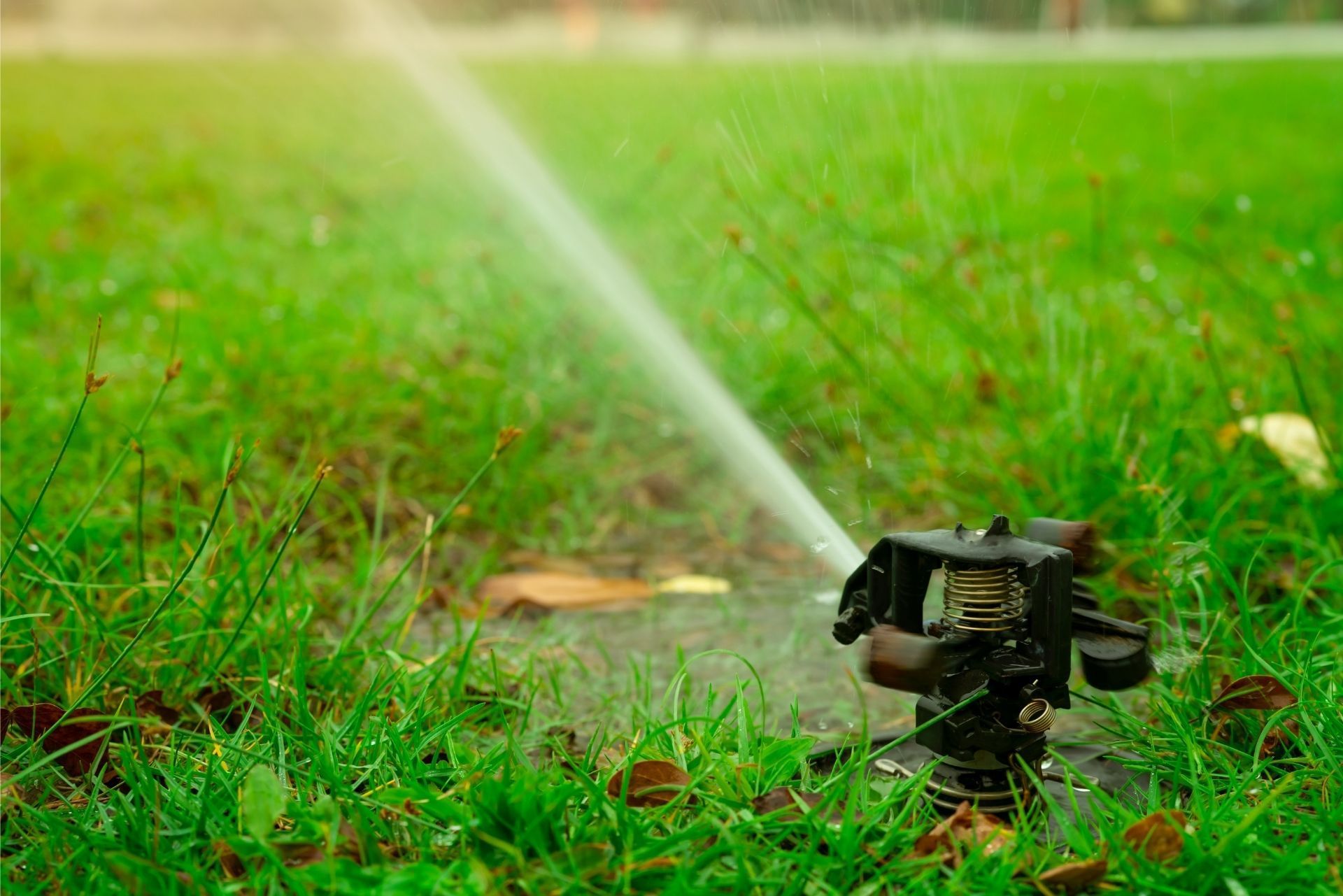
A quick valve replacement on a sweltering Florida afternoon can go sideways in seconds. A cracked PVC line floods a client’s living room, a trench collapses around a crew member, or a stray shovel slices through underground wiring. Jobs that feel routine carry real financial risk, especially with clients who expect perfect lawns and no disruption.
At the same time, irrigation work is not slowing down. The market for sprinkler irrigation systems is projected to grow at a compound annual rate of about fourteen and eight tenths percent from twenty twenty four through twenty thirty oneaccording to Verified Market Research. More systems, more smart controllers, and more retrofits mean more opportunity for Florida contractors, but also more chances for something to go wrong.
This is where a solid insurance plan stops being a box to check and becomes part of how an irrigation business survives storms, lawsuits, and equipment losses. The goal is not to drown in jargon. It is to understand which policies actually matter for a sprinkler or irrigation contractor in Florida, what they cost, and how to choose coverage that fits the size and style of the business.
Why Sprinkler and Irrigation Contractors in Florida Face Unique Risks
Florida irrigation work looks different from what contractors face in cooler or drier regions. Heat, frequent storms, sandy soil, and dense development all add complications. A routine residential job can involve tight property lines, complex underground utilities, and homeowners who rely on irrigation to keep landscaping alive through long dry spells.
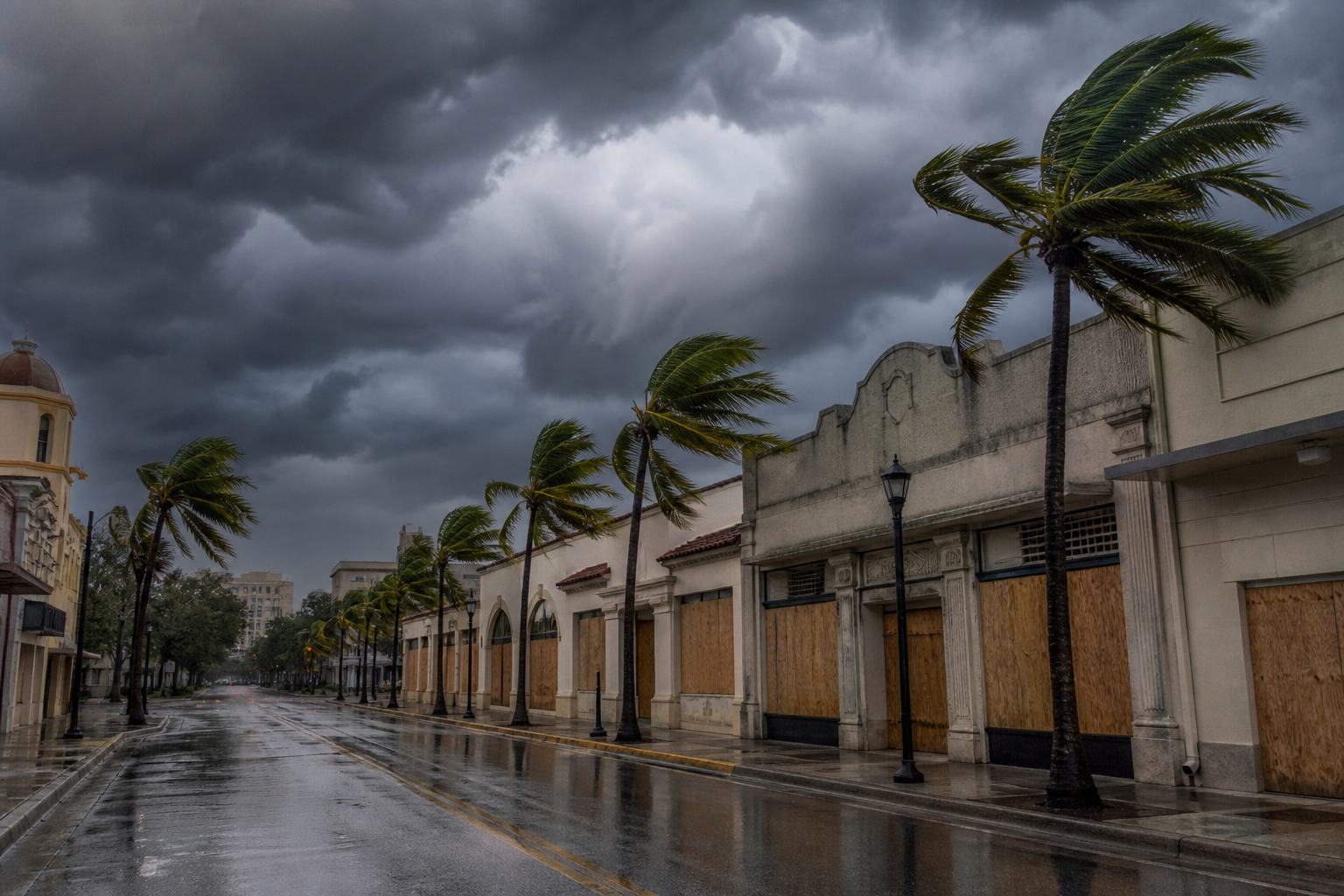
Severe weather is another constant. Wind and rain do not just threaten job sites. They also damage partially installed systems, flood trenches, and delay projects. In hurricane season, pressure to finish work quickly before a storm can lead to rushed decisions, which is when mistakes and injuries tend to happen.
On top of that, many irrigation contractors in Florida juggle mixed work. Some focus on residential systems and small commercial properties. Others handle sports fields, golf courses, or municipal projects with higher budgets and higher expectations. Each type of client brings different contract demands, insurance requirements, and potential claim scenarios.

By: Montreal Morand
Founder & Managing Partner
Macpherson Insurance Agency
What Irrigation Business Insurance Actually Covers
Customers and general contractors usually ask for “proof of insurance,” but that phrase hides a lot of detail. For a sprinkler and irrigation contractor, business insurance is really a bundle of different policies that work together. Each one solves a different problem, from damage to a customer’s property to injuries in the field or theft of tools from a truck.
At a high level, irrigation business insurance is designed to help cover medical bills, property damage, theft, and legal costs if someone sues the businessaccording to Insureon. The exact mix of coverage depends on how the company operates, but certain pieces show up again and again for contractors who design, install, or maintain irrigation systems.
Breaking this bundle into simple categories makes it easier to see where the real protection comes from and where gaps could leave a contractor paying out of pocket.
General Liability Insurance
General liability is the foundation for most irrigation businesses. It helps when a third party claims the business caused property damage or bodily injury. That might be a flooded home after a pipe bursts, a broken window from flying debris, or a visitor who trips over open trenches.
Many commercial clients will not sign a contract without proof of general liability coverage at a specific limit. Even small residential contractors benefit, because it only takes one expensive accident in the wrong house to wipe out a year of profit or more.
Commercial Auto Insurance
Most irrigation contractors in Florida operate service trucks loaded with pipe, control valves, timers, and tools. Those vehicles are business assets and claim magnets. A minor traffic accident on the way to a job can lead to damage to another driver’s car, injuries, and lost time.
Commercial auto insurance is built for that situation. It typically covers liability when a business vehicle causes a crash and can be extended to cover damage to the contractor’s own trucks. Personal auto policies usually exclude work use, so relying on those can leave serious gaps.
Workers Compensation Insurance
Digging trenches, operating trenchers and boring equipment, and working in Florida heat put crews at real risk of injury or illness. Workers compensation insurance is what helps cover medical bills and a portion of lost wages when employees get hurt on the job.
In Florida, many employers that reach certain size and industry thresholds are legally required to carry workers compensation coverage. Even when it is not technically required, it is often a smart move. Paying these costs out of pocket for a serious injury can be financially crushing for a small contractor.
Inland Marine and Equipment Coverage
Irrigation work depends on tools and equipment that are constantly in motion. From compact trenchers and vibratory plows to pipe cutters and boring tools, gear moves from yard to truck to job site and back again. Standard property policies often limit coverage once those items leave the main business location.
Inland marine or tools and equipment insurance fills that gap. It typically covers mobile equipment and tools while they are in transit or on a job site, and in some cases when stored at a temporary location. For contractors who have invested heavily in specialized machinery, this coverage can be the difference between a quick replacement and a long, cash draining interruption.
Professional Liability and Design Errors
Not every irrigation contractor designs systems, but many do. When design, layout, or programming advice is part of the service, there is a risk that errors or omissions in professional work will cost the client money. That might be plants that die due to poor coverage, water intrusion issues near a foundation, or code compliance problems.
Professional liability insurance, often called errors and omissions coverage, is intended to respond to claims that the contractor’s advice, design, or programming caused financial loss. It is particularly important for businesses that provide consulting, planning, or detailed system design for high value properties or sports facilities.
Builder’s Risk and Project Specific Needs
On larger construction or renovation projects, builder’s risk insurance sometimes comes into play. This coverage is usually tied to a specific project and helps protect materials and work in progress from certain types of damage, such as fire or some weather events, while the project is under construction.
Florida’s commercial insurance market has seen builder’s risk premiums climb by roughly twenty to thirty percent since twenty twenty three, a trend driven partly by hurricane losses and insurer withdrawalsaccording to Estimate Florida Consulting. For irrigation contractors, this reality means project owners are often more cautious about how builder’s risk is structured and who is responsible for what portion of coverage.
Core Coverages at a Glance
Seeing the policies side by side helps clarify how they fit together. No single policy tackles every risk an irrigation contractor faces. Instead, each one is a tool for a specific type of problem. The right combination depends on whether the business is a one truck operation, a multi crew company, or part of a larger landscape firm.
The table below summarizes the most important coverage types and what they address in everyday language that matches what contractors experience on the ground.
| Coverage Type | What It Protects | Typical Triggers | Why It Matters For Irrigation Work |
|---|---|---|---|
| General Liability | Third party property damage and bodily injury | Flooded interiors, broken fixtures, trip and fall claims | Most common client requirement and main shield against lawsuits |
| Commercial Auto | Business vehicles and auto related liability | Crashes in traffic, backing into structures, loading accidents | Service trucks are on the road constantly and often fully loaded |
| Workers Compensation | Employee injuries and work related illness | Heat stress, trench injuries, equipment accidents | Protects both employees and the business when something goes wrong |
| Inland Marine / Tools & Equipment | Mobile gear and specialized equipment | Theft from trucks, job site damage, transit losses | Prevents tool loss from becoming a major financial setback |
| Professional Liability | Alleged errors in design or advice | Poor system performance, code issues, water damage claims | Essential for contractors who design, plan, or consult |
| Builder’s Risk | Materials and work in progress on certain projects | Covered damage during construction phase | Frequently required for larger commercial or new build jobs |
How Much Does Irrigation Contractor Insurance Cost in Florida?
Cost is usually the first question and often the hardest to answer with a single number. Premiums shift based on revenue, payroll, number of vehicles, types of projects, and even loss history. Still, it helps to have at least a ballpark for one of the core policies most contractors carry.
Irrigation businesses pay an average of about ninety five dollars per month, or roughly one thousand one hundred thirty four dollars per year, for general liability insuranceaccording to Insureon. Florida pricing can swing higher or lower depending on local factors, but this figure gives contractors a starting point when budgeting.
Other coverages each add their own cost. Workers compensation is highly sensitive to payroll and class codes. Commercial auto depends heavily on driving records and vehicle values. Tools and equipment coverage reflects the total worth of mobile gear. Instead of chasing a single “average” number for a full package, it is usually smarter to build coverage from the ground up and then adjust limits or deductibles to hit a reasonable monthly or annual budget.
How Florida’s Insurance Market Affects Irrigation Contractors
Florida’s broader insurance environment has a direct impact on sprinkler and irrigation contractors, even those who mostly tackle residential work. Insurers track storm history, legal trends, and loss patterns, then adjust pricing and appetite. Contractors feel the result as higher premiums, tighter underwriting, or new requirements baked into client contracts.
As of the first quarter of twenty twenty four, there are roughly seven and forty three hundredths million residential insurance policies in force in the Florida property market, with about eighty three percent written by admitted insurersaccording to the Florida Office of Insurance Regulation. This level of insured property means a huge amount of exposure for carriers when water damage, storms, or construction defects occur, which is one reason liability coverage for contractors receives close scrutiny.
At the commercial level, builder’s risk premiums in Florida have risen by an estimated twenty to thirty percent since twenty twenty three due to hurricane losses and carrier withdrawalsbased on Estimate Florida Consulting. For irrigation contractors, that can translate into stricter insurance language in contracts, higher minimum limits, and more attention to certificates of insurance on large jobs. Being ready with proper documentation and understanding what each policy covers helps avoid delays and disputes at bid time.
Real World Claim Scenarios For Florida Irrigation Contractors
Policies can feel abstract until something happens on a job site. Walking through likely scenarios helps clarify where each coverage actually steps in. For Florida irrigation contractors, patterns tend to repeat: water where it should not be, injuries around trenches or equipment, and damage tied to severe weather.
Consider a residential retrofit where a contractor replaces outdated spray heads and valves with a new smart system. During testing, a buried fitting fails and sends water into a client’s living room before anyone notices. General liability is the coverage that can respond to the cost to repair flooring, drywall, and personal property, along with any legal costs if the homeowner is not satisfied with repairs.
On a commercial sports field project, crews work with trenchers and boring tools near other trades. A laborer from a different subcontractor trips into an open trench, injures an ankle, and blames the irrigation crew for failing to mark or barricade the area. Again, general liability is at the center of the response for injury claims brought by people who are not employees of the contractor.
Now picture a busy week before a named storm. Trucks are loaded with materials for several projects, including controllers, valves, and high end rotors. Overnight, thieves break into a fenced yard and take tools and gear from multiple trucks. On many policies, inland marine or scheduled equipment coverage is what addresses those losses, not standard auto or property coverage.
How Smart Irrigation and Remodeling Trends Change Risk
The technology side of irrigation is changing quickly. Smart controllers, soil moisture sensors, integrated Wi Fi, and weather based scheduling are now routine, especially on higher end properties. This brings new expectations from clients and new potential for disputes when systems do not perform as promised.
One major manufacturer introduced a line of smart sprinkler systems in twenty twenty four that uses artificial intelligence driven weather forecasting to optimize water useas reported by Verified Market Research. As more systems follow this model, irrigation contractors will increasingly be treated as both installers and technology integrators. If the programming or setup is blamed for poor performance or property damage, professional liability coverage becomes more important.
Remodeling trends also play a role. The Leading Indicator of Remodeling Activity projects short term shifts in national home improvement and repair spending, which can signal more demand for irrigation upgrades and retrofits in existing homesaccording to the Irrigation Association. For contractors, more retrofit work often means tying into older systems, dealing with unknown underground conditions, and working around established landscaping or structures. All of these raise the odds of surprise damage and messy claim situations.
Key Contract Clauses and Certificates to Watch
For many sprinkler and irrigation contractors, the real friction around insurance shows up in contracts. General contractors, property managers, and even some homeowners bring their own templates or copied language that may not match what a standard small business policy provides. Reading this language carefully can prevent painful surprises.
Common pressure points include high minimum liability limits, additional insured requirements, primary and non contributory wording, and waiver of subrogation clauses. Each of these can be handled, but not always for free or without endorsement changes. Discussing those demands with an insurance professional before signing a contract helps avoid agreeing to conditions that the current policy cannot meet.
Certificates of insurance are another area where details matter. Clients often treat a certificate as a guarantee, but it is really just a snapshot in time of active policies and limits. Keeping certificates accurate and up to date, and making sure they reflect any special endorsements requested in the contract, is part of sound risk management for an irrigation business.
Practical Tips To Reduce Claims and Keep Premiums Manageable
Insurance works best when it is rarely used. Contractors who actively manage risk tend to face fewer claims, better pricing over time, and smoother renewals. For irrigation businesses in Florida, several practical habits can cut down on both property damage and injury risk.
Job site planning is a big one. Calling in utility locates, confirming as built drawings, and walking the site with the client or general contractor helps uncover potential trouble spots. Marking trenches clearly, using barricades in high traffic areas, and scheduling disruptive work at low impact times all reduce the chance of accidents involving third parties.
Equipment and vehicle practices also matter. Regularly inspecting trucks and trailers, securing tools to reduce theft temptation, and training drivers on company expectations can directly affect both commercial auto and tools coverage performance. Some insurers may offer pricing advantages or credits for documented safety programs or driver training, which can soften the impact of broader market increases.
Choosing the Right Insurance Partner as a Florida Irrigation Contractor
Price matters, but the cheapest policy is not always the best fit, especially in a complex market like Florida. The ideal insurance partner understands both construction related risks and the specific quirks of irrigation work, from underground exposures to smart controller setups and seasonal crew changes.
When evaluating agents or brokers, contractors can ask pointed questions. How many irrigation or landscape clients does the agency already handle. Which carriers are most competitive and stable in the Florida construction space. How does the agency approach claims advocacy if there is a dispute over coverage. The goal is to find someone who not only delivers a quote, but also helps read contracts, adjust limits, and plan for growth.
As the Florida Irrigation Society continues to recognize new members and growth within the state’s irrigation industry in twenty twenty fiveas highlighted by the Florida Irrigation Society, collaboration between contractors, industry groups, and informed insurance professionals will only become more valuable. Shared knowledge around risk and coverage can save individual businesses from learning tough lessons the hard way.
Frequently Asked Questions About Sprinkler and Irrigation Contractor Insurance in Florida
Questions around coverage often repeat from one contractor to the next. The details of each business are unique, but certain themes come up in nearly every conversation about irrigation insurance in Florida.
The following answers stay intentionally simple. They are meant as a starting point for discussions with a licensed insurance professional who can review specific operations, contracts, and risk tolerance.
Is general liability insurance really necessary for small irrigation contractors?
Yes. Even a small operation that handles only residential systems risks causing costly water or property damage. General liability coverage helps protect against those claims and is often the minimum requirement to work for property managers, builders, or higher end homeowners.
Does my personal auto policy cover my work truck and trailer?
In most cases, no. Personal auto policies typically exclude coverage when a vehicle is used primarily for business. Commercial auto insurance is usually needed for trucks, vans, or other vehicles used to haul materials and equipment for jobs.
What if I only subcontract and do not have my own employees?
Liability exposure still exists, because clients and general contractors often hold the irrigation specialist responsible for damage or defective work regardless of who does the labor. Depending on how often subcontractors are used, a general liability policy, commercial auto coverage, and careful contract language are still important.
Do I need professional liability if I just install what the designer specifies?
If the role is purely installation based, professional liability may be less critical, but it can still help if a client argues that field adjustments, programming choices, or recommendations contributed to a loss. Contractors who regularly design, specify equipment, or program complex systems have a stronger need for this coverage.
How can I lower my irrigation insurance costs without losing important coverage?
Raising deductibles slightly, tightening driver standards, improving safety practices, and accurately classifying work are all ways to manage cost. Working with an insurance professional familiar with Florida construction can help identify savings that do not compromise key protections.
Are smart controllers and Wi Fi connected systems covered like standard irrigation equipment?
Often they are, but policy wording matters. Some carriers treat certain electronic components differently or may offer optional endorsements for equipment that blends hardware, software, and cloud services. It is a good idea to review how these items are scheduled and valued in existing policies.
What To Remember Before You Quote Coverage
Sprinkler and irrigation contractor insurance in Florida does not need to be complicated, but it does deserve attention. The same focus contractors bring to water pressure, zoning, and coverage patterns can be applied to coverage limits, exclusions, and contract requirements.
Start by listing the real risks: damage to customer property, crew injuries, vehicle accidents, tool theft, design disputes, and project delays. Match each risk to a specific policy type, then work with a knowledgeable insurance professional to set limits that make sense for the size and direction of the business. Keep an eye on broader trends in irrigation technology and home improvement spending, since these shape both demand for work and the kinds of claims that show up over timeas highlighted in industry economic updates.
Handled this way, insurance becomes more than paperwork for a bid. It becomes part of a plan to grow steadily, weather Florida’s storms, and keep crews in the field doing what they do best: delivering reliable, efficient irrigation systems across the state.
ABOUT THE AUTHOR:
MONTREAL MORAND
With over 20 years of leadership experience in the insurance industry, I’ve dedicated my career to helping clients and agents make informed, confident decisions about their coverage. I’ve led high-performing teams, managed more than $128 million in premium, and earned multiple national awards for excellence. Today, my mission remains the same — to educate, empower, and provide dependable protection for the communities we serve.
Contact Us
Protect the Things That Matter Most
Reliable Coverage for Your Home & Lifestyle
Home Insurance
Protect your home, belongings, and personal liability with reliable coverage.
Stronger Coverage for Your Operations
Essential Protection for Your Company
Coverage built for businesses that depend on people, property, and equipment.
Industries We Support
Insurance for Everyday Local Businesses
Simple, reliable protection for the people who keep our communities running.
Plumbers
Plumbers Insurance
Protection for job-site hazards, tools, and customer property.
Restaurants
Restaurants Insurance
Coverage for fire risks, food inventory, and general liability.
HVAC Contractors
HVAC Contractors Insurance
Insurance for service vehicles, equipment, and installation risks.




Frequently Asked Questions
Helpful Answers to Common Questions
Quick guidance to help you understand your coverage.
What types of insurance does Macpherson Insurance Agency offer?
We provide both personal and commercial insurance solutions. On the personal side: homeowners, automobile, condo, renters, windstorm, flood, excess flood, and more. On the commercial side: general liability, property, inland marine, ocean marine, workers compensation, and more.
Do you specialize in homeowners insurance in South Florida?
Yes. We specialize in homeowners coverage in South Florida and work with multiple carriers based on your property’s age, location and replacement cost.
What does “replacement cost” mean in a policy?
Replacement cost is the cost to rebuild your home to the same standard it had before a loss — not the market value of your property.
Why is it important that my insurer is licensed in Florida?
Licensed Florida insurers are continuously monitored for financial stability — if one fails, the Florida Insurance Guaranty Fund may reimburse insureds for unpaid claims up to a limit.
Can I lower my homeowners premium with discounts?
Yes — mitigation features like impact glass, storm shutters, roof straps, and approved sheathing may qualify you for significant credit reductions.
Do you offer payment plans or premium financing?
Yes. In many cases, payment plans and premium financing are available to make coverage more affordable and manageable over time.
From the Blog
Helpful Tips & Insurance Guidance
Articles created to make insurance easier to understand.







Contact Us
Phone
Location