
Florida's luxury ground transportation industry runs year-round, fueled by tourism, cruise ports, corporate travel, and a steady stream of high-net-worth clients moving between Miami Beach, Orlando's theme parks, and Tampa's convention centers. That constant demand also means constant exposure to risk. A single rear-end collision on I-95 with passengers in the back seat can generate six-figure medical claims before your attorney even picks up the phone. If you're operating limo or black car services in Florida, the insurance you carry isn't just a regulatory checkbox. It's the financial backbone of your business. Getting it wrong, whether through insufficient limits, missing endorsements, or a poorly structured policy, can end an otherwise profitable operation overnight. This guide breaks down every coverage layer, premium factor, and compliance requirement you need to understand to
protect your fleet, your drivers, and your livelihood in one of the most complex insurance markets in the country.
The Landscape of Florida Livery Insurance
Florida treats
for-hire luxury vehicles differently than standard
commercial trucks or rideshare cars. The regulatory framework blends state statutes, county ordinances, and airport authority rules into a patchwork that catches many new operators off guard. Understanding the classifications and minimum requirements before you shop for a policy saves you from buying the wrong coverage entirely.
Differentiating Limo and Black Car Classifications
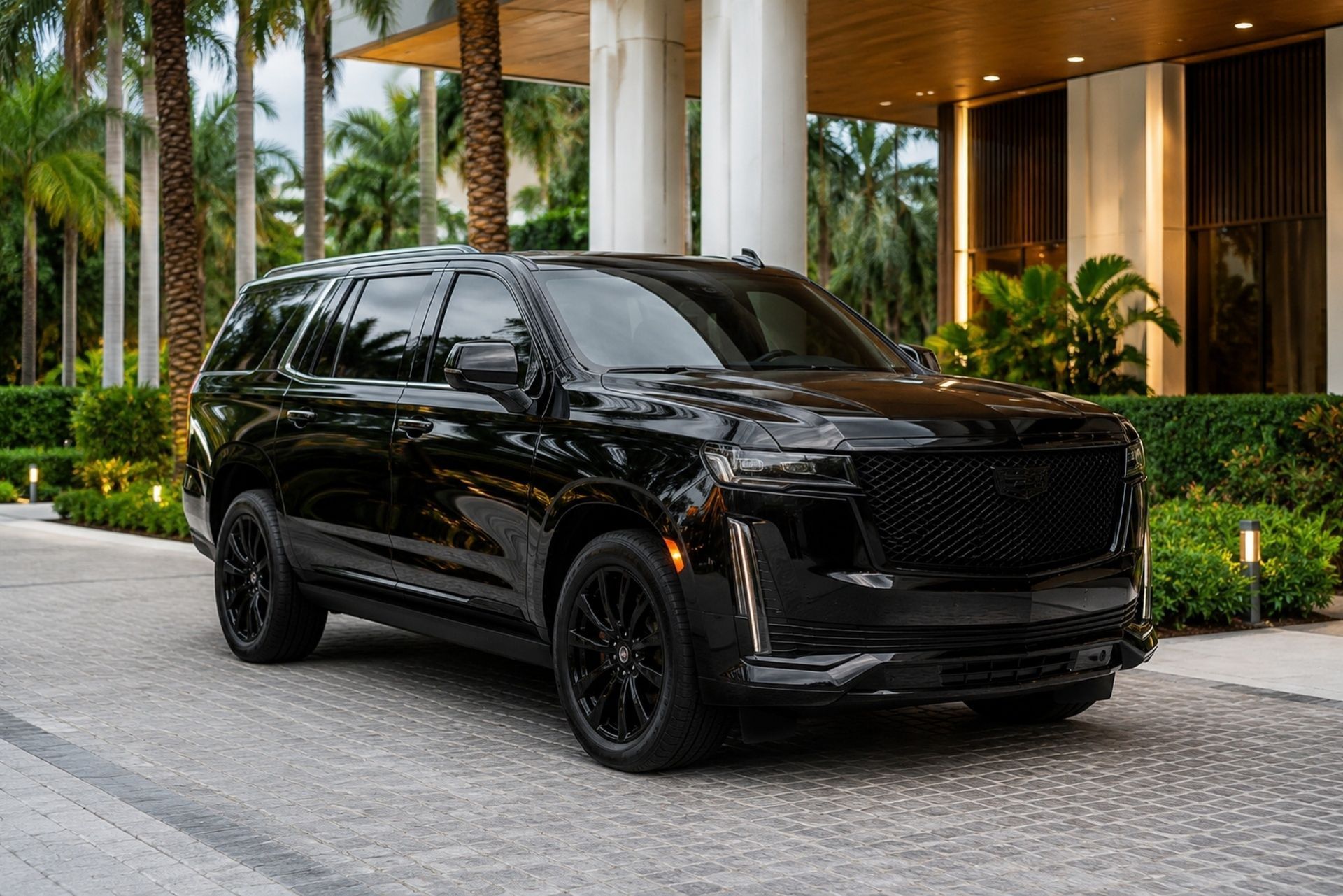
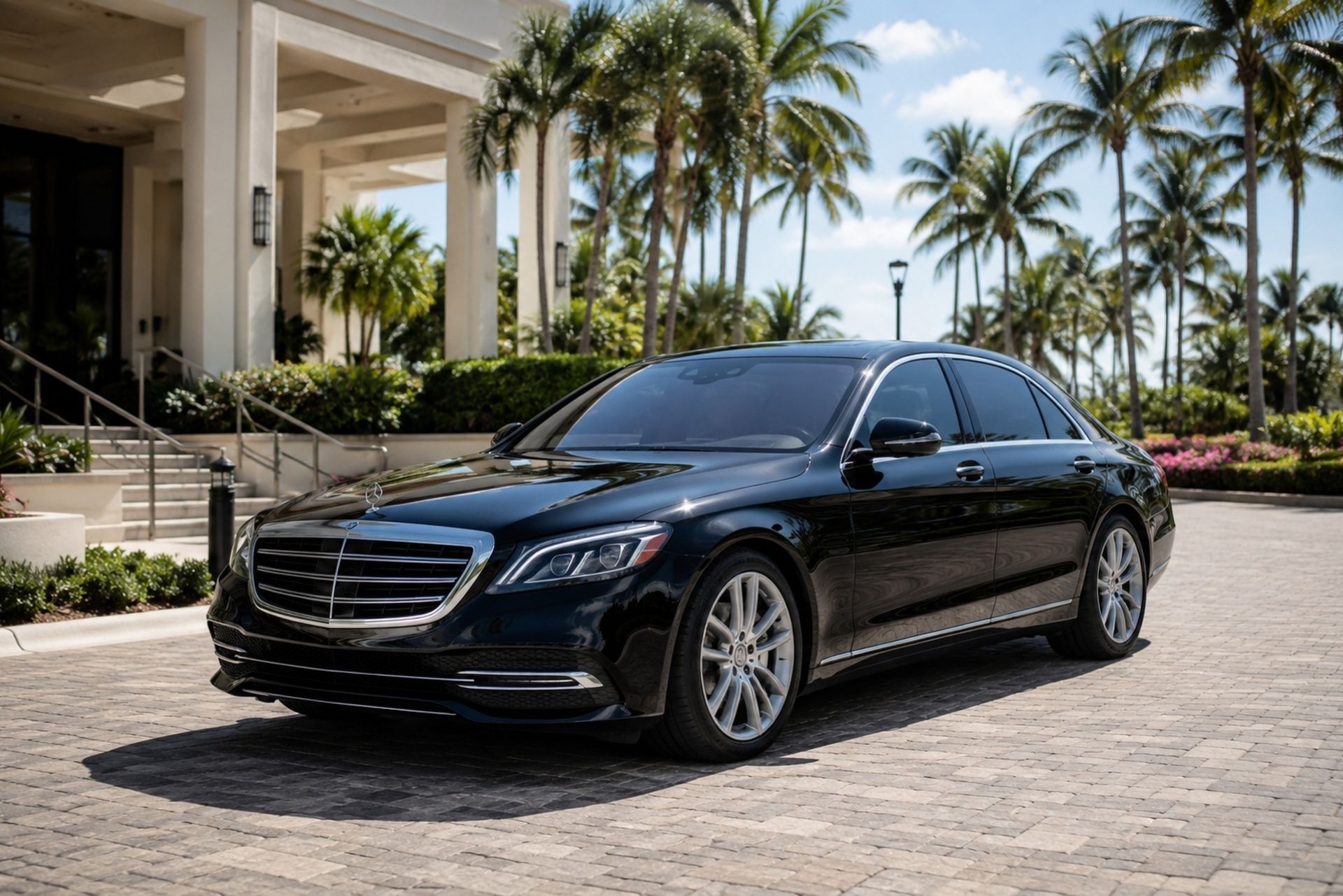
Florida law draws a line between sedan-based black car services and stretch limousines, and your insurer will too. Black car services typically operate sedans or SUVs (think Lincoln Continentals, Cadillac Escalades, or Mercedes S-Class vehicles) on a prearranged basis. Stretch limousines, party buses, and vehicles with passenger capacities above a certain threshold fall into a separate category that triggers higher liability requirements and different underwriting criteria.
The distinction matters because a six-passenger sedan and a 14-passenger stretch limo carry vastly different risk profiles. Insurers price these vehicles on seating capacity, vehicle weight, and the type of service provided. A black car doing airport runs from Fort Lauderdale-Hollywood International faces different exposures than a stretch limo handling
bachelorette parties in South Beach on a Saturday night.
State-Mandated Minimum Liability Limits
Florida requires for-hire passenger carriers to maintain minimum liability coverage, but the floors depend on vehicle capacity. Vehicles seating seven or fewer passengers must carry at least $125,000 per person and $250,000 per incident in bodily injury liability, plus $50,000 in property damage. Vehicles seating eight or more passengers face higher thresholds.
Here's where operators get caught : those are minimums, not recommendations. A serious accident involving multiple passengers in Miami-Dade County can blow through $250,000 in medical bills before the first surgery is complete. Most experienced operators carry $1 million combined single limit (CSL) policies, and many contracts with hotels, venues, and corporate clients require it.
One notable legislative shift is Florida House Bill 377, which now allows limo and black car services with a valid local permit to operate in any Florida county without paying additional fees or obtaining separate permits. That statewide portability is a win for operators expanding their service areas, but it doesn't reduce your insurance obligations in any county you enter.

By: Montreal Morand
Founder & Managing Partner
Macpherson Insurance Agency
Core Coverage Components for Luxury Transport
Building the right policy means layering multiple coverage types. No single line of insurance protects you from every scenario you'll face on Florida roads.
Commercial Auto Liability and Property Damage
Commercial auto liability is the foundation. It covers bodily injury and property damage you cause to third parties. If your driver runs a red light in downtown Jacksonville and T-bones another vehicle, this is the coverage that pays the other driver's medical bills and vehicle repairs.
Most Florida livery insurers write these policies on a combined single limit basis, meaning one dollar amount covers both bodily injury and property damage per occurrence. A $1 million CSL policy is standard for most black car operators. Stretch limo companies running high-capacity vehicles often need $1.5 million to $5 million, depending on passenger count and contract requirements.
Physical Damage and Comprehensive Protection
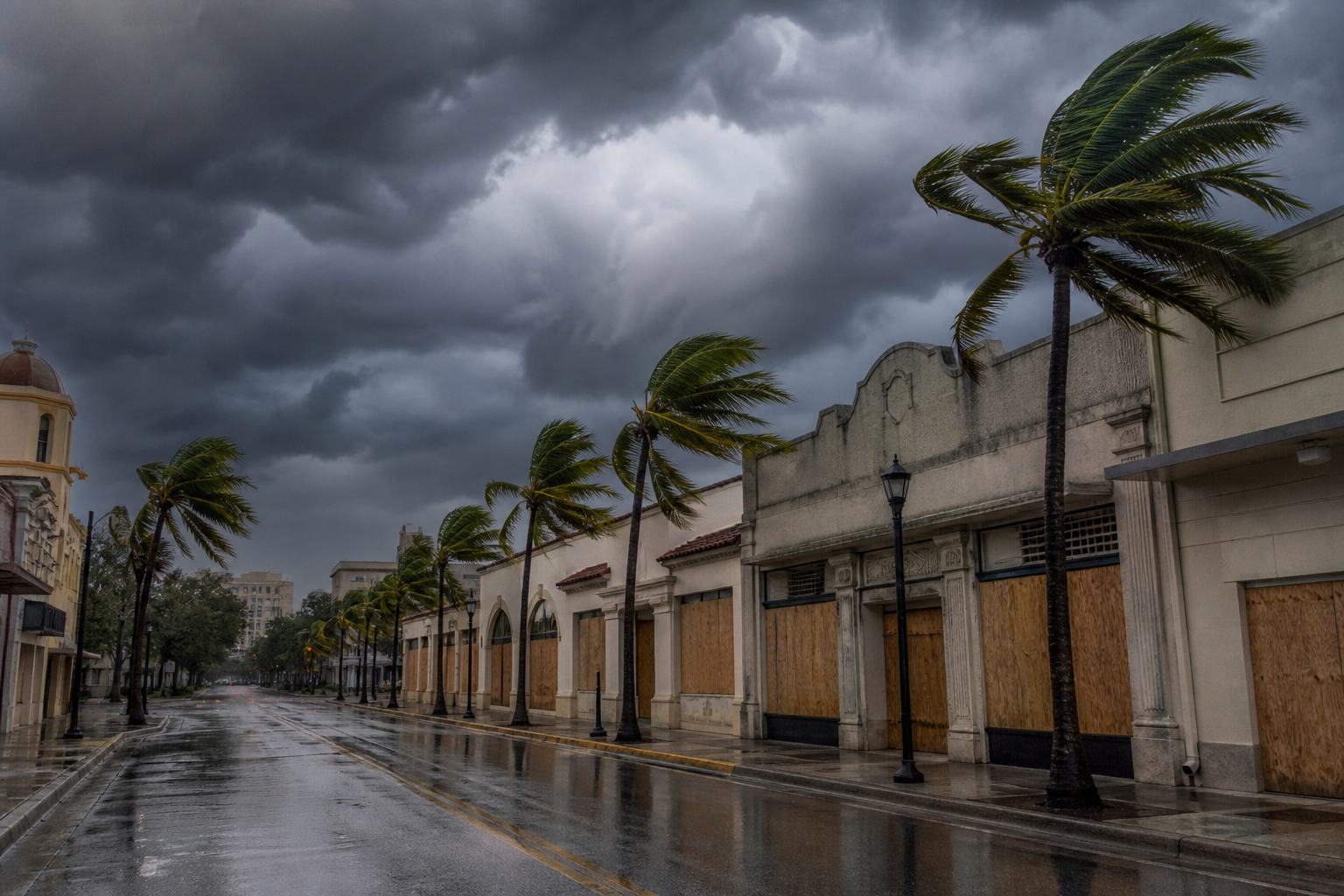
Physical damage coverage protects your own vehicles. It splits into two parts : collision (covers damage from accidents regardless of fault) and comprehensive (covers theft, vandalism, fire, flooding, and falling objects). In Florida, comprehensive coverage isn't optional in any practical sense. Hurricane season alone justifies it. A single storm can flood a parking lot full of Escalades near Brickell or send debris through windshields across the Gulf Coast.
Insurers value luxury vehicles at actual cash value or agreed value. If you're running a fleet of new Lincoln Navigators, push for agreed value endorsements so you're not stuck with a depreciated payout after a total loss.
Uninsured and Underinsured Motorist Coverage
Florida has one of the highest uninsured driver rates in the nation, hovering near 20%. That means roughly one in five drivers sharing the road with your fleet carries no bodily injury liability coverage at all. Uninsured/underinsured motorist (UM/UIM) coverage fills that gap when your driver or passengers are injured by someone who can't pay.
This coverage is often overlooked by operators focused on their liability obligations. But a passenger injured by an uninsured driver will look to your policy for compensation. Carrying UM/UIM limits that match your liability limits is a smart practice.
Specialized Endorsements for Florida Operators
Standard commercial auto policies don't cover everything a livery company faces. Endorsements fill the gaps that base policies leave open.
Airport and Port Authority Permit Requirements
If you're picking up or dropping off passengers at Miami International, Orlando International, Tampa International, or any of Florida's cruise ports like Port Canaveral, you'll need specific permits from those authorities. Most airports and ports require proof of insurance at or above their own minimum thresholds, which often exceed state minimums.
Orlando International, for example, requires operators to maintain commercial liability coverage and provide certificates of insurance naming the airport authority as an additional insured. Your insurer needs to issue these certificates promptly, or you risk losing your airport access. Work with a broker who understands these requirements and can turn certificates around quickly.
General Liability for Off-Vehicle Incidents
Your commercial auto policy covers incidents involving your vehicles. But what happens when a client trips over a cord in your dispatch office, or a valet damages a client's personal property at a pickup location? General liability (GL) coverage handles bodily injury and property damage claims that occur off-vehicle.
A typical GL policy for a small livery operation runs $1 million per occurrence with a $2 million aggregate. If you operate a
physical office, maintain a vehicle lot, or have employees interacting with clients outside the vehicle, GL coverage isn't optional. It's a gap that's easy to ignore until a slip-and-fall claim arrives.
Florida livery insurance premiums are among the highest in the country, driven by
litigation frequency, weather exposure, and dense urban traffic. Understanding what moves your premium helps you control costs.
Driver MVR Standards and Experience Thresholds
Your drivers' motor vehicle records (MVRs) are the single biggest factor insurers examine after vehicle type. A clean MVR with no at-fault accidents and no moving violations in the past three to five years earns favorable rates. One DUI or reckless driving charge on a driver's record can make that individual uninsurable on a commercial livery policy.
Most insurers require drivers to hold a valid chauffeur's license or the appropriate for-hire endorsement. They also set minimum age thresholds, typically 25 years old, and require at least two to three years of
commercial driving experience. Hiring drivers who don't meet these standards forces you into surplus lines markets where premiums can double.
Fleet Size and Vehicle Capacity Considerations
Premiums scale with fleet size, but not always linearly. A five-vehicle fleet might pay $8,000 to $12,000 per vehicle annually for a $1 million CSL policy, while a 20-vehicle fleet could negotiate volume discounts that bring per-vehicle costs down 10% to 15%.
| Factor | Lower Premium Impact | Higher Premium Impact |
|---|---|---|
| Vehicle type | Sedans (4-6 passengers) | Stretch limos (10+ passengers) |
| Driver MVR | Clean record, 5+ years experience | Accidents, violations, under age 25 |
| Fleet size | 10+ vehicles (volume discount) | 1-3 vehicles (no volume leverage) |
| Operating area | Suburban/rural counties | Miami-Dade, Broward, Palm Beach |
| Claims history | Zero claims in 3+ years | Multiple claims in recent years |
Operating in South Florida's tri-county area (Miami-Dade, Broward, Palm Beach) carries a geographic surcharge due to higher accident frequency and litigation costs compared to operating primarily in North Florida or the Panhandle.
Risk Management and Claims Mitigation Strategies
The best way to lower your long-term insurance costs is to reduce claims. Insurers reward operators who demonstrate proactive risk management.
Telematics and Dash Cam Integration
Installing telematics devices and forward-facing dash cams in every vehicle does two things. First, it gives you real-time data on driver behavior: hard braking, speeding, rapid acceleration, and route deviations. Second, it provides video evidence that can exonerate your driver in disputed claims.
A common scenario : your driver is stopped at a red light on International Drive in Orlando, and another vehicle rear-ends the limo. Without dash cam footage, the other party's insurer might argue shared fault. With clear video, the claim resolves faster and your loss record stays clean. Some insurers offer premium credits of 5% to 10% for fleets with verified telematics programs.
Safety Training and Maintenance Documentation
Documented safety training programs show underwriters you're serious about risk reduction. Quarterly driver safety meetings, defensive driving courses, and annual vehicle inspections should all be recorded and filed. Keep maintenance logs for every vehicle, including tire rotations, brake inspections, and fluid changes.
Florida's climate accelerates wear on vehicles. Saltwater air along the coast corrodes brake lines and undercarriages. Summer heat degrades tires faster than in northern states. A blown tire on the Turnpike at 70 mph with four passengers in the back is a nightmare scenario that proper maintenance prevents.
Getting insured as a Florida livery operator requires preparation. Insurers will ask for your USDOT number (if applicable), vehicle schedules with VINs, driver rosters with MVRs, loss runs from the past three to five years, and copies of any local or state permits. Having these documents organized before you approach a broker speeds up the quoting process considerably.
Work with a broker who specializes in commercial transportation, not a generalist who mostly writes homeowners and personal auto. A specialist understands the difference between a hired and non-owned auto endorsement and a livery-specific policy form. They'll also know which carriers are actively writing Florida livery business, since many national carriers have pulled back from the state due to loss ratios.
Request quotes from at least three carriers. Compare not just premiums but deductibles, exclusions, and the carrier's claims handling reputation. A policy that's $2,000 cheaper annually but excludes coverage for vehicles over 10 years old or doesn't cover hired vehicles won't serve you when it matters.
Frequently Asked Questions
Do I need commercial insurance if I only have one black car? Yes. Any vehicle used for hire in Florida must carry commercial auto insurance meeting state minimums, regardless of fleet size.
Does my personal auto policy cover me if I occasionally drive passengers for pay? No. Personal auto policies exclude for-hire use. If you're caught operating without commercial coverage, you face fines, license suspension, and zero coverage if an accident occurs.
How does Florida's tort reform affect my premiums? Florida's 2023 tort reform reduced the statute of limitations for negligence claims and modified fee structures for attorneys. Some carriers have passed savings along, with reported premium reductions in the range of 5% to 15% for commercial auto lines.
Can I add a new vehicle to my policy mid-term? Yes. Most commercial auto policies allow mid-term vehicle additions. Your insurer will prorate the premium for the remaining policy period. Notify your broker before the vehicle enters service.
What happens if I operate without the required airport permit insurance? The airport authority will revoke your ground transportation permit, and you'll lose access to pickups and drop-offs at that facility. Reinstatement typically requires proof of compliant coverage and may involve fines.
Making the Right Choice for Your Fleet
Carrying the right insurance for limo and black car services in Florida isn't just about meeting minimums. It's about building a coverage structure that survives a real claim without bankrupting your business. Start by auditing your current policies against the requirements outlined here. Verify your liability limits match your contracts, confirm your drivers meet underwriting standards, and ensure your endorsements cover every location where you operate.
If you haven't reviewed your coverage in the past 12 months, now is the time. Florida's insurance market shifts frequently, and policies that were competitive last year may have gaps or inflated premiums today. Reach out to a transportation-focused insurance broker, gather your documents, and get fresh quotes. Your fleet, your drivers, and your bottom line depend on it.
ABOUT THE AUTHOR:
MONTREAL MORAND
With over 20 years of leadership experience in the insurance industry, I’ve dedicated my career to helping clients and agents make informed, confident decisions about their coverage. I’ve led high-performing teams, managed more than $128 million in premium, and earned multiple national awards for excellence. Today, my mission remains the same — to educate, empower, and provide dependable protection for the communities we serve.
Contact Us
Protect the Things That Matter Most
Reliable Coverage for Your Home & Lifestyle
Home Insurance
Protect your home, belongings, and personal liability with reliable coverage.
Stronger Coverage for Your Operations
Essential Protection for Your Company
Coverage built for businesses that depend on people, property, and equipment.
Industries We Support
Insurance for Everyday Local Businesses
Simple, reliable protection for the people who keep our communities running.
Plumbers
Plumbers Insurance
Protection for job-site hazards, tools, and customer property.
Restaurants
Restaurants Insurance
Coverage for fire risks, food inventory, and general liability.
HVAC Contractors
HVAC Contractors Insurance
Insurance for service vehicles, equipment, and installation risks.




Frequently Asked Questions
Helpful Answers to Common Questions
Quick guidance to help you understand your coverage.
What types of insurance does Macpherson Insurance Agency offer?
We provide both personal and commercial insurance solutions. On the personal side: homeowners, automobile, condo, renters, windstorm, flood, excess flood, and more. On the commercial side: general liability, property, inland marine, ocean marine, workers compensation, and more.
Do you specialize in homeowners insurance in South Florida?
Yes. We specialize in homeowners coverage in South Florida and work with multiple carriers based on your property’s age, location and replacement cost.
What does “replacement cost” mean in a policy?
Replacement cost is the cost to rebuild your home to the same standard it had before a loss — not the market value of your property.
Why is it important that my insurer is licensed in Florida?
Licensed Florida insurers are continuously monitored for financial stability — if one fails, the Florida Insurance Guaranty Fund may reimburse insureds for unpaid claims up to a limit.
Can I lower my homeowners premium with discounts?
Yes — mitigation features like impact glass, storm shutters, roof straps, and approved sheathing may qualify you for significant credit reductions.
Do you offer payment plans or premium financing?
Yes. In many cases, payment plans and premium financing are available to make coverage more affordable and manageable over time.
From the Blog
Helpful Tips & Insurance Guidance
Articles created to make insurance easier to understand.







Contact Us
Phone
Location