Imagine coming home after a long day to find your apartment damaged by a burst pipe or your belongings stolen during a break-in. Without renters insurance, replacing those items or covering temporary housing costs can become a heavy financial burden. Yet, despite these risks, only about 40% of rental households in Florida carry renters insurance, a stark contrast to the 88% coverage rate among homeowners according to recent data.
For tenants in Florida, understanding renters insurance is crucial. This coverage offers affordable protection tailored to renters’ needs, shielding personal property and providing liability protection. This article breaks down what renters insurance covers, why it matters in Florida’s unique market, and how tenants can secure the right policy without breaking the bank.
What Does Renters Insurance Cover in Florida?
Renters insurance primarily protects your personal belongings against risks like fire, theft, vandalism, and certain natural disasters. Unlike homeowners insurance, it does not cover the physical structure of the building—that responsibility lies with the landlord’s policy. Instead, renters insurance focuses on the tenant’s possessions and liability.
Liability coverage is a key component. If someone is injured in your rental unit or you accidentally cause damage to others’ property, renters insurance can help cover legal fees and medical expenses. This protection is often overlooked but can save renters from costly lawsuits. In Florida, where the weather can be unpredictable, this coverage becomes even more crucial, as the state experiences a variety of incidents that could lead to liability claims, from slip-and-fall accidents to water damage from storms.
Additionally, renters insurance typically includes coverage for additional living expenses. If your rental becomes uninhabitable due to a covered event, the policy can pay for temporary housing, meals, and other related costs. This benefit offers peace of mind during unexpected disruptions. For instance, if a hurricane causes significant damage to your apartment, your renters insurance can help you find a safe place to stay while repairs are being made, alleviating the stress of finding accommodation during a crisis.
It is important to note that certain natural disasters, such as floods or earthquakes, usually require separate policies or endorsements. Florida renters should carefully review their policies to confirm what perils are included and consider additional coverage if needed. Moreover, many insurance providers offer customizable options that allow renters to tailor their policies to fit their unique needs, such as adding coverage for high-value items like jewelry or electronics. Understanding these options can help ensure that you are adequately protected against potential losses.
Furthermore, it’s worth mentioning that many landlords in Florida require tenants to have renters insurance as part of the lease agreement. This requirement not only protects the tenant but also provides a layer of security for the landlord, ensuring that they are not held responsible for tenant-related incidents. As a result, renters insurance is not just a safety net for personal belongings; it can also foster a more responsible rental environment, encouraging tenants to take proactive measures in safeguarding their assets and liabilities.


By: Montreal Morand
Founder & Managing Partner
Macpherson Insurance Agency
Why Florida Renters Should Prioritize Insurance
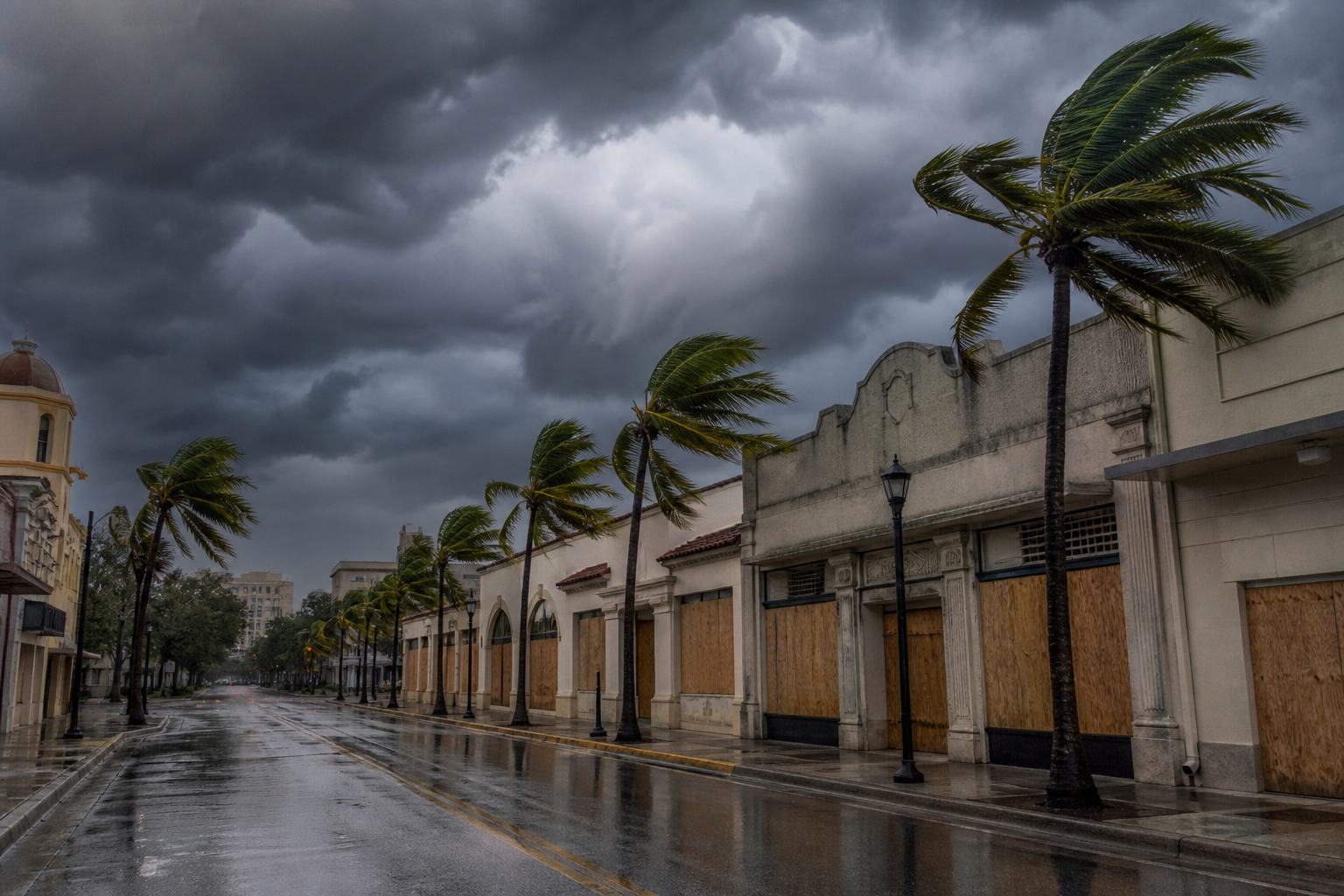
Florida’s unique climate and housing market create specific risks for renters. The state experiences frequent hurricanes, flooding, and other natural disasters that can lead to significant property damage. The Financial Health Network highlights that residents in high-loss states like Florida are more financially vulnerable to such events than those in states with fewer natural disasters according to recent findings.
Meanwhile, Florida’s rental market is growing rapidly. Between 2019 and 2023, the state added over 1 million households, including nearly 195,000 renters according to a 2025 rental market study. With more people renting, the need for renters insurance increases as well. This growth underscores the importance of tenants protecting their belongings and financial security.
Despite these risks and market changes, renters insurance remains underutilized. The affordability of renters insurance—averaging about $148 per year or $12 per month in 2023—makes it a practical choice for most tenants according to NerdWallet. Yet, many renters still forgo this coverage, leaving themselves exposed to costly losses.
In addition to natural disasters, renters in Florida face other risks that make insurance essential. For instance, theft and vandalism can occur in any neighborhood, regardless of its perceived safety. According to the FBI's Uniform Crime Reporting Program, property crime rates in Florida can be significant, and renters without insurance may find themselves unable to replace stolen items or cover damages. Moreover, liability coverage included in many renters insurance policies can protect tenants from financial fallout if someone is injured in their rental unit, adding another layer of security that many renters overlook.
Furthermore, as the rental market evolves, so do the types of coverage available. Many insurance providers now offer customizable policies that allow renters to select coverage limits and additional protections tailored to their specific needs. For example, some policies can cover personal property loss due to water damage, which is particularly relevant in Florida's humid climate. Additionally, options for coverage against specific risks like identity theft or loss of use—where tenants need to temporarily relocate due to damage—are becoming more common. This flexibility empowers renters to choose policies that best suit their lifestyles and the unique challenges posed by living in Florida.
How Florida’s Insurance Market Trends Affect Renters
Florida’s insurance market has faced challenges in recent years, especially for homeowners. Rising premiums have caused concern about property values and affordability. Daryl Fairweather, Redfin’s Chief Economist, notes that homeowners in areas with surging insurance costs risk seeing their properties gain less value compared to those in more stable markets according to his analysis.
For renters, however, the picture is somewhat different. Florida’s personal property insurance market reported its first underwriting profit in 2024 after eight years of losses according to recent news. This improvement suggests a more stable environment for renters insurance pricing and availability. As a result, renters can expect to see a wider range of policy options that cater to their specific needs, which is particularly beneficial for those living in high-risk areas prone to natural disasters.
Additionally, Florida had the lowest average rate filing increase in the U.S. last year, with a nearly flat 1.0% change, compared to double-digit increases in many other states according to the Insurance Information Institute. This stability benefits renters seeking affordable coverage, making it easier to find policies that fit their budgets. Furthermore, as the rental market continues to evolve, many landlords are becoming more proactive in ensuring their properties are adequately insured, which can further enhance the security and peace of mind for tenants.
Moreover, the recent trends in Florida's insurance landscape have prompted discussions about the importance of renters insurance among tenants. Many renters may not realize that having insurance can protect their personal belongings from theft, fire, or water damage, and it can also provide liability coverage in case of accidents. Educational campaigns by insurance companies and local organizations are increasingly emphasizing these benefits, which may lead to a rise in the number of renters opting for coverage. This growing awareness could ultimately contribute to a more informed renting population, fostering a culture of responsibility and preparedness in the face of potential risks.

Choosing the Right Renters Insurance Policy
Selecting a renters insurance policy involves more than just picking the cheapest option. Tenants should evaluate coverage limits, deductibles, and the specific risks covered. A policy with low premiums but insufficient coverage can leave renters underprotected.
Start by taking inventory of your belongings. Knowing the value of your possessions helps determine the amount of personal property coverage needed. Consider high-value items separately, as some policies have limits on certain categories like jewelry or electronics. It's also beneficial to document your items with photographs or receipts, as this can streamline the claims process in case of loss or damage. This thorough inventory not only assists in determining coverage needs but also serves as a valuable reference when filing claims.
Liability protection is another critical factor. Most renters insurance policies include at least $100,000 in liability coverage, but increasing this limit can provide extra security. If you frequently host guests or own pets, higher liability limits might be wise. Additionally, understanding what constitutes a liability claim is essential; for instance, if a visitor is injured in your home, or if your pet causes damage to someone else's property, you could be held financially responsible. Therefore, having adequate liability coverage can safeguard your financial future against unexpected incidents.
Review the policy’s exclusions and endorsements carefully. For example, flood damage is not typically covered under standard renters insurance. Florida renters in flood-prone areas should explore additional flood insurance options through the National Flood Insurance Program or private insurers. Other common exclusions may include damage caused by pests or wear and tear, so it's crucial to understand what is not covered. Some insurers offer endorsements that can add coverage for specific risks, such as identity theft or personal injury, which can enhance your policy and provide peace of mind.
Renters Insurance Cost Breakdown
| Coverage Type | Average Annual Cost | Typical Coverage Limits |
|---|---|---|
| Personal Property | Anne$148 (total policy average) | $20,000 to $50,000 |
| Liability Protection | Included in base policy | $100,000 to $300,000 |
| Additional Living Expenses | Included in base policy | Varies by policy |
This table shows typical renters insurance costs and coverage. While $148 per year is an average, individual premiums vary based on location, coverage limits, and personal factors. For instance, urban areas with higher crime rates may see increased premiums, while rural areas may benefit from lower rates. Additionally, factors such as your credit score, prior claims history, and even the type of building you live in can influence your premium. It's advisable to shop around and compare quotes from multiple insurers to find the best deal that meets your coverage needs.
Moreover, many insurance companies offer discounts that can help lower your premium. These can include bundling your renters insurance with other policies, such as auto insurance, or installing security devices in your home, like smoke detectors or security systems. Taking advantage of these discounts not only reduces costs but also enhances your overall protection. Engaging with your insurance agent to discuss potential savings opportunities can lead to a more tailored and cost-effective insurance solution.
Common Misconceptions About Renters Insurance
Many renters believe their landlord’s insurance will cover their personal belongings. This is not the case. Landlord policies protect the building itself, not tenants’ possessions or liability. Without renters insurance, tenants bear the full cost of replacing stolen or damaged items.
Another misconception is that renters insurance is too expensive or unnecessary. Given the average cost of about $12 per month, renters insurance is one of the most affordable types of coverage available. It offers significant financial protection for a relatively low price.
Some renters also assume natural disasters like hurricanes are covered by their renters insurance. Standard policies often exclude flood damage, which is a common risk in Florida. Tenants should verify their coverage and consider separate flood insurance if needed.
Steps to Get Renters Insurance in Florida
Getting renters insurance is straightforward. Start by comparing quotes from multiple insurers to find the best price and coverage. Many companies offer online tools that simplify the process.
Prepare a list of your belongings and estimate their value. This will help you select appropriate coverage limits. Be honest about your lifestyle and risks to ensure your policy fits your needs.
Once you choose a policy, review the terms carefully. Confirm what perils are covered, the deductible amount, and any exclusions. Ask questions if anything is unclear before finalizing your purchase.
Keep your policy documents accessible and update your coverage if you acquire significant new possessions or move to a different rental.
What Florida Renters Should Remember
Renters insurance is an affordable way to protect your belongings and financial well-being. In Florida’s growing rental market, with increasing exposure to natural disasters, this coverage is more important than ever.
Only about 40% of renters carry renters insurance, leaving many vulnerable to unexpected losses according to Harvard’s Joint Center for Housing Studies. Taking simple steps to secure coverage can prevent major financial setbacks.
With average annual costs around $148, renters insurance offers a cost-effective safety net. It covers personal property, liability, and additional living expenses, providing peace of mind in uncertain situations.
Frequently Asked Questions
Q: Is renters insurance required in Florida?
A: No, Florida law does not require renters insurance, but many landlords may require it as part of the lease agreement.
Q: Does renters insurance cover flood damage?
A: Standard renters insurance policies typically exclude flood damage. Separate flood insurance is needed for that coverage.
Q: How much does renters insurance cost on average?
A: The average cost in Florida is about $148 per year, or roughly $12 per month.
Q: What personal property is covered by renters insurance?
A: Most personal belongings such as furniture, electronics, clothing, and appliances are covered against risks like fire, theft, and vandalism.
Q: Can renters insurance help with temporary housing costs?
A: Yes, if your rental becomes uninhabitable due to a covered event, renters insurance can pay for additional living expenses.
Q: Does renters insurance cover liability if someone is injured in my rental?
A: Yes, liability coverage helps pay for legal fees and medical expenses if someone is injured on your property.
ABOUT THE AUTHOR:
MONTREAL MORAND
With over 20 years of leadership experience in the insurance industry, I’ve dedicated my career to helping clients and agents make informed, confident decisions about their coverage. I’ve led high-performing teams, managed more than $128 million in premium, and earned multiple national awards for excellence. Today, my mission remains the same — to educate, empower, and provide dependable protection for the communities we serve.
Contact Us
Protect the Things That Matter Most
Reliable Coverage for Your Home & Lifestyle
Home Insurance
Protect your home, belongings, and personal liability with reliable coverage.
Stronger Coverage for Your Operations
Essential Protection for Your Company
Coverage built for businesses that depend on people, property, and equipment.
Industries We Support
Insurance for Everyday Local Businesses
Simple, reliable protection for the people who keep our communities running.
Plumbers
Plumbers Insurance
Protection for job-site hazards, tools, and customer property.
Restaurants
Restaurants Insurance
Coverage for fire risks, food inventory, and general liability.
HVAC Contractors
HVAC Contractors Insurance
Insurance for service vehicles, equipment, and installation risks.




Frequently Asked Questions
Helpful Answers to Common Questions
Quick guidance to help you understand your coverage.
What types of insurance does Macpherson Insurance Agency offer?
We provide both personal and commercial insurance solutions. On the personal side: homeowners, automobile, condo, renters, windstorm, flood, excess flood, and more. On the commercial side: general liability, property, inland marine, ocean marine, workers compensation, and more.
Do you specialize in homeowners insurance in South Florida?
Yes. We specialize in homeowners coverage in South Florida and work with multiple carriers based on your property’s age, location and replacement cost.
What does “replacement cost” mean in a policy?
Replacement cost is the cost to rebuild your home to the same standard it had before a loss — not the market value of your property.
Why is it important that my insurer is licensed in Florida?
Licensed Florida insurers are continuously monitored for financial stability — if one fails, the Florida Insurance Guaranty Fund may reimburse insureds for unpaid claims up to a limit.
Can I lower my homeowners premium with discounts?
Yes — mitigation features like impact glass, storm shutters, roof straps, and approved sheathing may qualify you for significant credit reductions.
Do you offer payment plans or premium financing?
Yes. In many cases, payment plans and premium financing are available to make coverage more affordable and manageable over time.
From the Blog
Helpful Tips & Insurance Guidance
Articles created to make insurance easier to understand.







Contact Us
Phone
Location