Florida’s reputation as a hurricane hotspot often overshadows another risk that commercial property owners should not ignore: earthquakes. While seismic activity in Florida is less frequent than in other parts of the country, the potential damage from an unexpected earthquake can be devastating. Preparing your business with the right earthquake insurance coverage is a crucial step to protect your assets and ensure continuity after a disaster.
Understanding the evolving insurance landscape in Florida, especially with climate risks reshaping the market, can help business owners make informed decisions. For instance, the state has seen significant shifts in property insurance availability and pricing, reflecting broader challenges insurers face in managing natural disaster risks. This article explores key considerations for Florida commercial earthquake insurance and practical steps to prepare your business for the unexpected.
Why Earthquake Insurance Matters for Florida Businesses
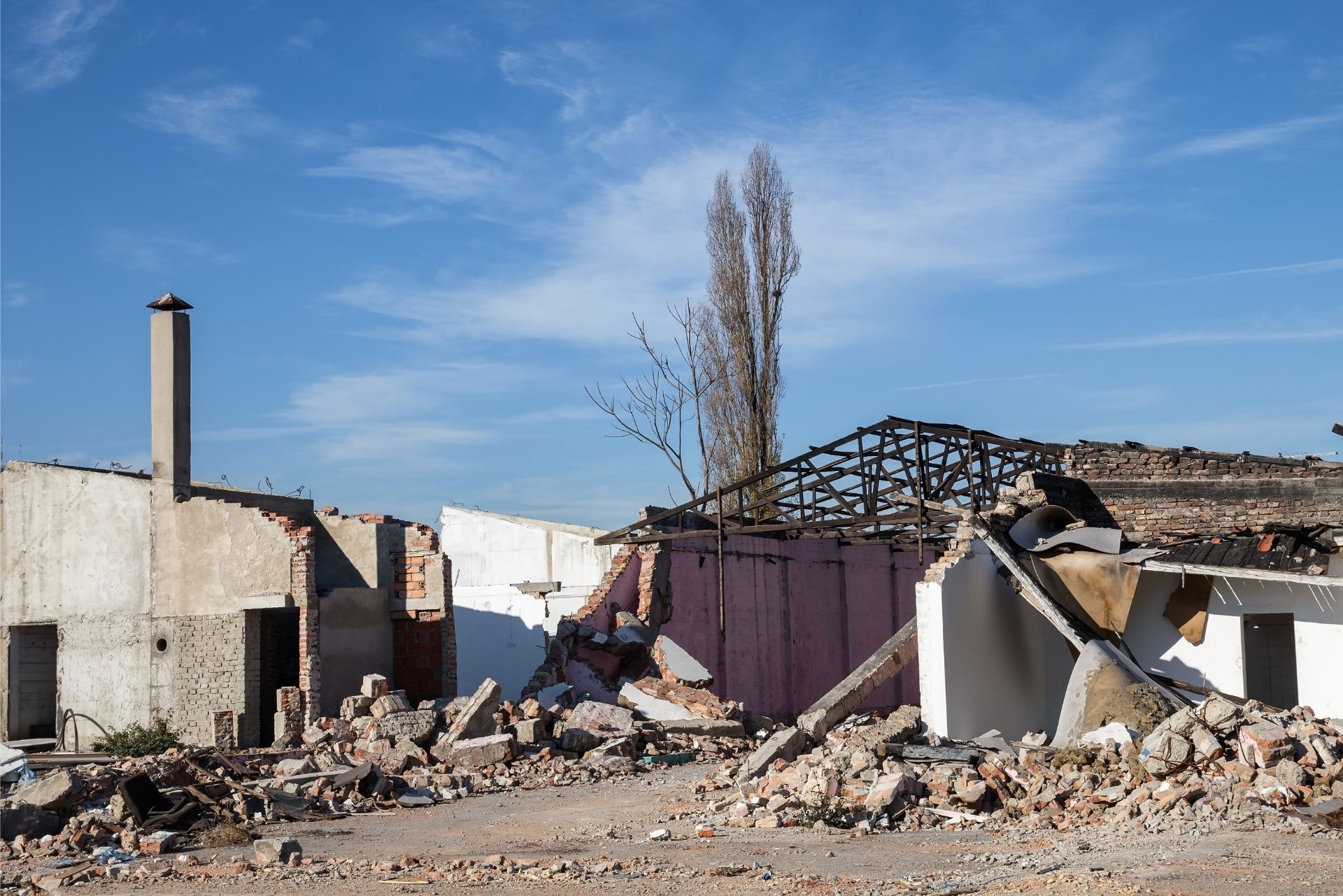
Earthquakes in Florida are rare but not impossible. The state has experienced minor tremors historically, and the risk, while lower than in California or Alaska, remains a factor for commercial properties, especially those with older buildings or located near fault lines. Without earthquake insurance, businesses face the risk of bearing the full cost of repairs or rebuilding after a seismic event.
Many standard commercial property insurance policies exclude earthquake damage, leaving a coverage gap that can be financially crippling. Securing a dedicated earthquake insurance policy or an endorsement to your existing policy can provide essential protection.
Given the challenges in Florida’s insurance market, including a 78% decline in active home insurance policies between 2014 and 2024 due to climate risks overwhelming the system, commercial property owners should be proactive. Although this statistic focuses on home insurance, it signals broader market volatility that can affect commercial insurance availability and pricing as well. Deep Sky Research highlights this market collapse, underscoring the importance of carefully evaluating all insurance needs, including earthquake coverage.
Moreover, the implications of not having earthquake insurance extend beyond immediate financial loss. Businesses may face disruptions that impact their operations, employee safety, and customer trust. In the aftermath of an earthquake, companies could struggle to resume normal activities, leading to lost revenue and potentially damaging their reputation in the community. For industries that rely heavily on physical infrastructure, such as manufacturing or retail, the stakes are even higher, as downtime can result in significant operational setbacks.
Additionally, as Florida continues to experience the effects of climate change, the unpredictability of natural disasters is becoming more pronounced. This evolving landscape means that businesses must not only consider earthquake insurance but also evaluate their overall risk management strategies. Engaging with insurance professionals who understand the unique challenges faced by Florida businesses can help ensure that they are adequately covered against a range of potential disasters, including earthquakes, hurricanes, and flooding. By taking a comprehensive approach to risk management, businesses can safeguard their assets and ensure long-term sustainability in an increasingly volatile environment.
By: Montreal Morand
Founder & Managing Partner
Macpherson Insurance Agency
Assessing Your Business’s Earthquake Risk
Before purchasing earthquake insurance, it’s vital to assess your business’s specific risk. Consider factors such as building age, construction type, and location. Older buildings or those not built to modern seismic standards may be more vulnerable to damage. Additionally, proximity to seismic fault lines or areas with historical tremors can increase risk.
Consulting with risk management experts or insurers who specialize in earthquake coverage can help clarify your exposure. Reinsurers like Swiss Re play a critical role in this space by providing data and risk insights that help businesses understand where dangers lie. Urs Baertschi, CEO of property & casualty reinsurance at Swiss Re, emphasizes that the reinsurance industry acts as a shock absorber when disasters strike and supports risk awareness and prevention efforts. Swiss Re Institute explains this role, which is invaluable for businesses preparing for rare but impactful events like earthquakes.
Understanding these risks allows business owners to make informed decisions about coverage limits and deductibles, balancing protection with cost. Furthermore, it is essential to evaluate the potential impact of an earthquake not just on physical assets but also on operations and employee safety. Businesses situated in high-risk areas should consider implementing comprehensive emergency response plans that include evacuation procedures, employee training, and communication strategies to ensure safety during seismic events. Regular drills and updates to these plans can significantly enhance preparedness and resilience.
Additionally, investing in retrofitting older structures can mitigate risk and reduce insurance premiums. This proactive approach not only safeguards the physical integrity of the business but also demonstrates a commitment to employee safety and community responsibility. Engaging with local building authorities to understand the latest seismic codes and best practices can further bolster a business’s defense against potential earthquake damage. By prioritizing these measures, business owners can create a more robust framework for managing risks associated with seismic activity.
Challenges in Florida’s Property Insurance Market
Florida’s property insurance market has faced significant upheaval in recent years. The withdrawal of private insurers has led to a dramatic increase in market share for Citizens Property Insurance Corporation, the state-backed insurer of last resort, which now covers 63% of the market compared to just 6% a decade ago. Deep Sky Research outlines this shift.
This shift reflects broader challenges insurers face with climate-related risks, litigation, and fraud concerns. For example, nearly 13% of Florida homeowners whose claims were denied filed lawsuits in 2024, up from 12.4% in 2022. While this data focuses on homeowners, commercial insurers often face similar pressures, which can affect policy availability and premiums.
A study in the Journal of Insurance Regulation questions the extent to which litigation and fraud drive property insurance losses and premiums in Florida, suggesting the issue is complex and multifaceted. This study provides valuable context for businesses navigating the insurance market.
These market dynamics mean that commercial property owners must carefully evaluate their insurance options, including earthquake coverage, to avoid gaps that could leave their business vulnerable. The increasing frequency of severe weather events, such as hurricanes and flooding, has made it essential for property owners to reassess their risk exposure and ensure they have adequate coverage. Furthermore, the rising costs of construction materials and labor have also impacted the overall insurance landscape, as replacement costs for damaged properties have surged, leading to higher premiums and stricter underwriting criteria.
Additionally, the regulatory environment in Florida adds another layer of complexity to the property insurance market. Recent legislative efforts aimed at curbing fraud and streamlining claims processes have been met with mixed reactions from industry stakeholders. While some argue that these measures are necessary to stabilize the market, others contend that they may inadvertently limit access to coverage for vulnerable populations. As Florida continues to grapple with these challenges, the interplay between regulatory changes, market dynamics, and climate risks will remain a critical area of focus for both insurers and policyholders alike.
Legislative Reforms and Market Stabilization
Recent legislative reforms passed in 2022 and 2023 have begun to stabilize Florida’s property insurance market. The Insurance Information Institute reports early signs of improvement as these reforms address some underlying issues contributing to market instability. Industry experts note these positive trends.
For commercial property owners, this means better opportunities to secure comprehensive coverage, including earthquake insurance, as insurers regain confidence in the market. However, the risk landscape continues to evolve with climate change and other factors, so ongoing vigilance is essential. As natural disasters become more frequent and severe, understanding the nuances of coverage options becomes increasingly important. Business owners must remain informed about the specific risks associated with their geographical locations and the types of coverage that best mitigate those risks.
Business owners should work closely with knowledgeable insurance agents who understand these reforms and can tailor policies to meet specific needs while taking advantage of new market conditions. These agents can provide insights into the latest trends in risk assessment and help clients navigate the complexities of policy changes. Additionally, they can assist in evaluating the financial health of insurance providers, ensuring that businesses select companies capable of fulfilling their obligations in the event of a claim. Engaging in regular policy reviews and updates can further safeguard against unforeseen challenges, ensuring that coverage remains relevant and effective as the market continues to evolve.
Preparing Your Business for Earthquake Risks
Beyond securing earthquake insurance, businesses can take practical steps to reduce their risk and improve resilience. Conducting a thorough risk assessment and retrofitting buildings to meet seismic safety standards can minimize potential damage. Simple measures like securing heavy equipment, reinforcing walls, and ensuring emergency plans are in place can make a significant difference. Additionally, investing in employee training and drills can enhance preparedness, ensuring that staff know their roles and responsibilities in the event of an earthquake. Regularly reviewing and updating these plans is crucial, as it keeps everyone informed and ready to act swiftly, which can ultimately save lives and protect assets.
Aaron Davis, CEO of Florida Agency Network, highlights a trend where some property owners choose to sell rather than repair damaged homes, especially along the Gulf Coast. His insights reveal market behavior that commercial owners should consider when planning for disaster recovery. This trend underscores the importance of not only having a recovery strategy but also understanding the broader market implications of natural disasters. For businesses, this means being proactive in maintaining property value and considering how community recovery efforts can impact their operations and customer base.
Having a clear disaster response plan, including communication strategies and business continuity plans, ensures your company can recover quickly if an earthquake occurs. Earthquake insurance then acts as a financial safety net, covering repair costs and lost income during downtime. Furthermore, fostering relationships with local emergency services and participating in community preparedness initiatives can enhance your business's resilience. By engaging with local authorities and other businesses, you can stay informed about best practices and resources available in your area, creating a network of support that can be invaluable in the aftermath of a disaster.
The Broader Climate Risk and Insurance Bubble Concerns
Florida’s insurance challenges extend beyond earthquakes. The First Street Foundation warns of a looming "climate insurance bubble," where 39 million homes nationwide could lose value as insurers factor climate risks into premiums. This warning underscores the growing impact of climate change on insurance markets, including commercial lines.
While this primarily concerns flood and hurricane risks, it signals a broader trend of insurers tightening underwriting standards and increasing premiums. Commercial property owners must stay informed about how these trends affect their earthquake insurance options and overall risk management strategies.
Understanding the interconnected nature of climate risks and market dynamics helps businesses prepare for a more uncertain insurance environment. The implications of this climate insurance bubble are profound, particularly for regions like Florida that are already grappling with the financial fallout from extreme weather events. As insurers reassess risk, they may also start to exclude certain high-risk areas from coverage altogether, leaving property owners vulnerable and potentially leading to a significant real estate market downturn.
Moreover, the ripple effects of these changes could extend into the broader economy. As insurance becomes more expensive and less accessible, homeowners may find themselves unable to sell their properties, leading to stagnation in the housing market. This could also impact local governments that rely on property taxes for funding essential services. Additionally, businesses that depend on predictable insurance costs to manage operational risks may face increased financial strain, forcing them to reconsider their location and investment strategies. The shifting landscape of climate risk and insurance thus poses a multifaceted challenge that requires proactive engagement from all stakeholders involved.
Earthquake Insurance Coverage: What to Look For
When shopping for earthquake insurance, it’s important to understand what the policy covers and what it excludes. Typical coverage includes structural damage to the building, repairs to foundations, and sometimes damage to contents inside the building. However, policies often have high deductibles, sometimes a percentage of the insured value, so it’s essential to factor this into your planning.
Check whether the policy covers business interruption losses, which can be critical if your operations are halted after an earthquake. Some policies offer endorsements or riders that expand coverage for additional perils related to seismic events.
Work with an insurance professional who can explain the nuances of earthquake policies and help you select coverage that aligns with your risk tolerance and budget.
Frequently Asked Questions About Florida Commercial Earthquake Insurance
Q: Is earthquake insurance mandatory for commercial properties in Florida?
A: No, earthquake insurance is not required by law in Florida, but it is highly recommended for businesses concerned about seismic risks.
Q: How much does commercial earthquake insurance typically cost?
A: Costs vary widely based on location, building type, and coverage limits, but expect higher premiums in areas with greater seismic risk.
Q: Does standard commercial property insurance cover earthquake damage?
A: Usually not. Earthquake damage is typically excluded and requires a separate policy or endorsement.
Q: What should businesses do to reduce earthquake risk?
A: Retrofit buildings, secure equipment, develop emergency plans, and maintain adequate insurance coverage.
Q: Can earthquake insurance cover business interruption losses?
A: Some policies include business interruption coverage, but it may require an additional rider or endorsement.
Q: How do legislative reforms in Florida affect earthquake insurance?
A: Reforms have improved overall market stability, making it easier for businesses to find comprehensive coverage, including earthquake insurance.
Before You Go: Protecting Your Business Against the Unexpected
Earthquake insurance may not be the first thing on every Florida business owner’s mind, but it deserves serious consideration. With the state’s insurance market in flux and natural disasters becoming more costly, preparing for seismic events is a smart move.
Start by assessing your risk, consulting experts, and exploring coverage options that fit your business needs. Remember that insurance is just one part of a broader risk management strategy that includes physical preparedness and recovery planning.
Staying informed about market changes and legislative developments helps you adapt your coverage over time. Taking these steps today can save your business from financial hardship tomorrow.
ABOUT THE AUTHOR:
MONTREAL MORAND
With over 20 years of leadership experience in the insurance industry, I’ve dedicated my career to helping clients and agents make informed, confident decisions about their coverage. I’ve led high-performing teams, managed more than $128 million in premium, and earned multiple national awards for excellence. Today, my mission remains the same — to educate, empower, and provide dependable protection for the communities we serve.
Contact Us
Protect the Things That Matter Most
Reliable Coverage for Your Home & Lifestyle
Home Insurance
Protect your home, belongings, and personal liability with reliable coverage.
Stronger Coverage for Your Operations
Essential Protection for Your Company
Coverage built for businesses that depend on people, property, and equipment.
Industries We Support
Insurance for Everyday Local Businesses
Simple, reliable protection for the people who keep our communities running.
Plumbers
Plumbers Insurance
Protection for job-site hazards, tools, and customer property.
Restaurants
Restaurants Insurance
Coverage for fire risks, food inventory, and general liability.
HVAC Contractors
HVAC Contractors Insurance
Insurance for service vehicles, equipment, and installation risks.




Frequently Asked Questions
Helpful Answers to Common Questions
Quick guidance to help you understand your coverage.
What types of insurance does Macpherson Insurance Agency offer?
We provide both personal and commercial insurance solutions. On the personal side: homeowners, automobile, condo, renters, windstorm, flood, excess flood, and more. On the commercial side: general liability, property, inland marine, ocean marine, workers compensation, and more.
Do you specialize in homeowners insurance in South Florida?
Yes. We specialize in homeowners coverage in South Florida and work with multiple carriers based on your property’s age, location and replacement cost.
What does “replacement cost” mean in a policy?
Replacement cost is the cost to rebuild your home to the same standard it had before a loss — not the market value of your property.
Why is it important that my insurer is licensed in Florida?
Licensed Florida insurers are continuously monitored for financial stability — if one fails, the Florida Insurance Guaranty Fund may reimburse insureds for unpaid claims up to a limit.
Can I lower my homeowners premium with discounts?
Yes — mitigation features like impact glass, storm shutters, roof straps, and approved sheathing may qualify you for significant credit reductions.
Do you offer payment plans or premium financing?
Yes. In many cases, payment plans and premium financing are available to make coverage more affordable and manageable over time.
From the Blog
Helpful Tips & Insurance Guidance
Articles created to make insurance easier to understand.








Contact Us
Phone
Location