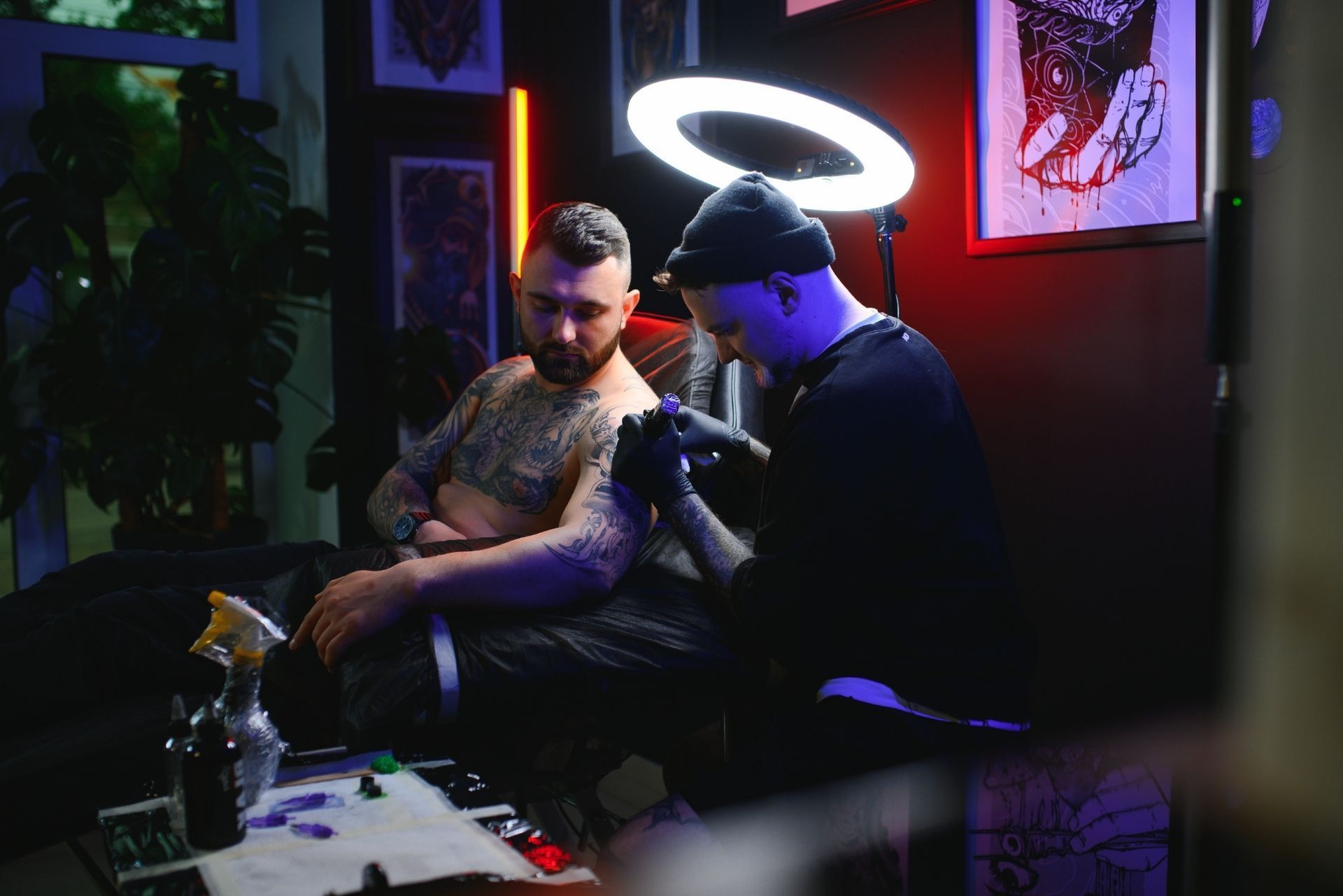
Running a tattoo or piercing studio means managing more than just art and creativity. The risks involved go beyond what many businesses face daily. From accidental injuries to equipment damage, the stakes are high. Understanding the right insurance coverage is crucial for protecting your business and your clients. This article breaks down the essentials of tattoo and piercing studio insurance, focusing on liability and equipment coverage, so you can keep your business safe and thriving.
Why Tattoo and Piercing Studios Need Specialized Insurance
Tattoo and piercing businesses operate in a unique environment where the risk of injury and liability is notably higher than in many other service industries. Unlike typical retail shops, these studios handle needles, inks, and body modifications that can lead to serious health concerns if something goes wrong. According to the Schneiderman Insurance Agency, this high-liability environment demands tailored insurance solutions that address the specific risks faced by these businesses.
The tattoo industry itself is booming, valued at $3.5 billion and growing in complexity as more studios open worldwide. This growth is fueled by shifting cultural perceptions and increased social acceptance of tattoos and piercings. With more studios comes a greater need for comprehensive insurance coverage to manage the risks effectively. The global tattoo studio insurance market is projected to nearly double from $1.2 billion in 2024 to $2.8 billion by 2033, growing at a compound annual growth rate of 9.7%, reflecting this rising demand for protection.
Without the right insurance, studios face exposure to lawsuits, injury claims, and equipment losses that can quickly become financially devastating. In fact, about 30% of tattoo shops have dealt with lawsuits in the past decade, underscoring the importance of having proper coverage in place (Monreal Insurance Solutions).
Moreover, the nature of tattooing and piercing inherently involves a level of risk that can lead to complications such as infections, allergic reactions, or dissatisfaction with the results. These potential issues not only affect the health and safety of clients but can also lead to reputational damage for the studio. As more individuals seek out unique and personalized body art, the stakes rise, making it imperative for studio owners to protect themselves with specialized insurance that covers malpractice, professional liability, and even property damage.
Additionally, many states have specific regulations governing the tattoo and piercing industry, which can vary widely. Compliance with these regulations is crucial, and failing to adhere to local laws can result in hefty fines or even the closure of the business. Specialized insurance can help navigate these complexities by providing coverage that aligns with state requirements, ensuring that studios remain compliant while also safeguarding their financial interests. This multifaceted approach to insurance not only protects the business but also instills confidence in clients, knowing they are receiving services from a well-insured and responsible studio.

By: Montreal Morand
Founder & Managing Partner
Macpherson Insurance Agency
Understanding Liability Coverage for Tattoo and Piercing Studios
Liability insurance is the backbone of protection for tattoo and piercing studios. It covers legal and medical costs if a client suffers an injury or illness related to your services. This can include allergic reactions to ink, infections, or accidental needle sticks. Given the nature of the work, liability risks are significant.
Needlestick injuries and lacerations are not uncommon among tattoo artists themselves, with nearly 19% reporting such incidents during their work (PubMed Central). This highlights the occupational hazards involved and the need for insurance that covers both client and employee risks. Moreover, the emotional toll of such injuries can also be substantial, as artists may experience anxiety or fear about their safety while performing procedures, which can affect their work quality and client interactions.
General liability insurance typically covers third-party bodily injury and property damage. However, tattoo studios often require additional professional liability or malpractice insurance to protect against claims related to the quality of their work or alleged negligence. This type of coverage is essential because a dissatisfied client or a health complication could lead to costly legal battles. The stakes are particularly high in the tattoo industry, where the permanence of the artwork means that any perceived error can result in significant emotional distress for clients, further complicating potential claims.
It is also important to consider product liability coverage. Tattoo inks and piercing materials can cause allergic reactions or infections. If a client claims harm due to these products, your insurance can help cover the resulting claims. Additionally, the sourcing of these products is crucial; ensuring that they are from reputable suppliers can help mitigate risks and enhance the overall safety of your studio’s offerings. Regularly reviewing and updating your inventory to include the latest skin-safe products can also play a role in minimizing liability.
Key Liability Insurance Types for Studios
- General Liability Insurance: Covers accidents and injuries on your premises, such as slips or falls.
- Professional Liability Insurance: Protects against claims of negligence or mistakes in your tattoo or piercing services.
- Product Liability Insurance: Covers claims related to products used during procedures.
- Workers’ Compensation: Essential if you have employees, covering injuries they sustain on the job.
Choosing the right mix depends on your studio’s size, services, and risk profile. Consulting with insurance professionals who understand the tattoo industry can help tailor a policy that fits your specific needs. Furthermore, staying informed about industry trends and best practices can empower studio owners to implement proactive measures that reduce risks, such as regular training on safety protocols and hygiene standards. This not only enhances the studio's reputation but also fosters a culture of safety that benefits both artists and clients alike.
Equipment Coverage: Protecting Your Tools and Studio Assets
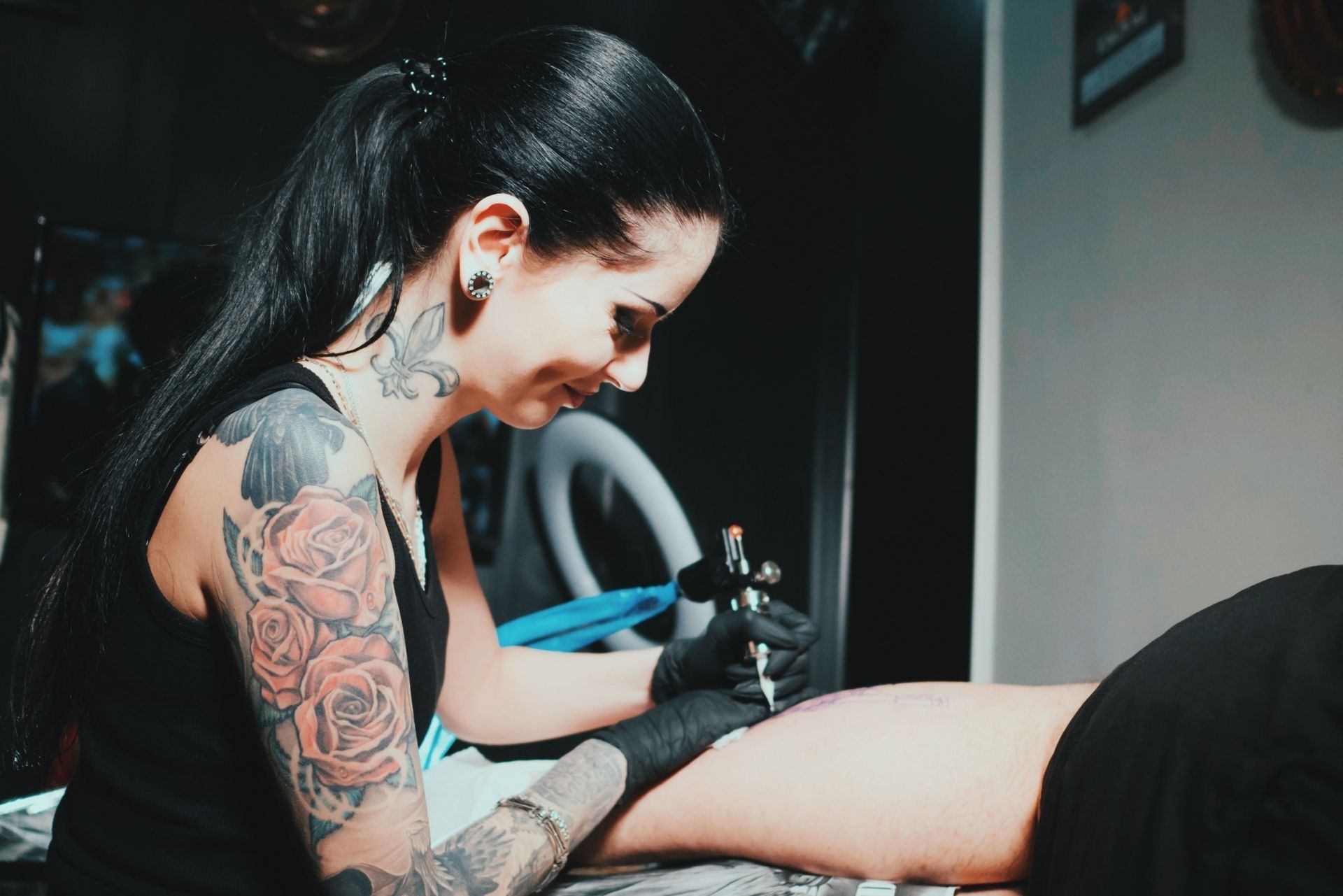
Beyond liability, protecting your equipment is vital. Tattoo and piercing studios rely on specialized tools such as tattoo machines, needles, autoclaves, and sterilization equipment. These items represent a significant investment and are essential for daily operations. Each piece of equipment not only contributes to the quality of the service provided but also plays a crucial role in ensuring the safety and satisfaction of clients. Therefore, having a robust insurance policy in place is not just a precaution; it's a fundamental aspect of running a successful studio.
Equipment insurance covers damage or loss due to theft, fire, vandalism, or accidents. Without this coverage, replacing expensive tools can disrupt your business and lead to costly downtime. The financial implications of such disruptions can be staggering, especially for small businesses that may not have the cash flow to absorb sudden expenses. Moreover, the emotional toll on artists who rely on their tools for creative expression can be significant, as losing equipment can feel like losing a part of their artistic identity.
Many policies also include coverage for electronic equipment and computers, which are increasingly used for appointment scheduling, digital designs, and client records. Protecting these assets ensures your studio can continue operating smoothly even after unexpected events. In today’s digital age, the integration of technology into the tattooing process has become indispensable. From high-resolution digital designs to customer management software, the reliance on electronic devices means that their protection is equally crucial. In the event of a data breach or hardware failure, having insurance can mitigate the risks associated with lost client information and business disruption.
What Equipment Insurance Typically Covers
- Damage or loss from fire, theft, or natural disasters
- Accidental damage during normal use
- Replacement costs for broken or stolen equipment
- Electronic data loss protection (in some cases)
Given the value and necessity of equipment, many studios bundle equipment coverage with their liability insurance to create a comprehensive protection plan. This combination not only streamlines the insurance process but also provides peace of mind, allowing artists to focus on their craft rather than worrying about potential financial setbacks. Furthermore, some insurers offer specialized policies tailored specifically for the tattoo and piercing industry, which can include unique provisions that address the specific risks faced by these businesses. This tailored approach ensures that studio owners are not only covered but are also receiving the most relevant and beneficial protection for their unique needs.
How Tattoo and Piercing Insurance Supports Business Stability
Insurance is more than just a safety net; it is a tool for business stability and growth. With the tattoo industry expanding rapidly, studios that invest in proper insurance coverage position themselves for long-term success.
Insurance can also enhance your studio’s reputation. Clients feel more confident knowing that your business is insured against accidents or mistakes. This trust can be a deciding factor when choosing between studios. A well-insured studio not only conveys professionalism but also demonstrates a commitment to client safety and satisfaction, which can lead to increased customer loyalty and word-of-mouth referrals.
Financially, insurance helps studios avoid crippling costs from lawsuits or equipment loss. The global body piercing market is projected to reach $4 to 5 billion, growing at 5 to 7% annually, which means more competition and more opportunities. Proper insurance ensures you can seize these opportunities without undue risk (CompleteMarkets).
Many insurance providers offer policies specifically designed for tattoo and piercing businesses. These policies consider the unique risks and operational needs, helping owners maintain profitability and compliance with local regulations (Allen Financial Insurance Group). Additionally, having specialized coverage can provide peace of mind, allowing artists to focus on their craft rather than worrying about potential liabilities. This focus on artistry can lead to higher quality work, ultimately enhancing the studio's reputation and attracting a more diverse clientele.
Moreover, as the industry evolves, so do the risks associated with it. Emerging trends such as the increasing popularity of cosmetic tattoos and the use of advanced technologies in body art can introduce new challenges. Insurance policies that adapt to these changes can help studios navigate the complexities of modern practices, ensuring that they remain compliant and protected. By staying informed about industry developments and adjusting their coverage accordingly, studio owners can safeguard their investments and foster a culture of innovation within their businesses.
Choosing the Right Insurance Policy for Your Studio
Selecting the right insurance policy requires a clear understanding of your studio’s risks and coverage needs. Here are some practical steps to guide your decision:
Assess Your Risks
Consider the size of your studio, the number of employees, and the types of services offered. Are you providing advanced piercing services or specialized tattoo work? Each factor influences the coverage you need.
Compare Coverage Options
Look beyond price. Evaluate what each policy covers, limits, and exclusions. Some policies may not cover certain types of injuries or equipment damage, so read the fine print carefully.
Work with Industry-Savvy Insurers
Choose insurers familiar with the tattoo and piercing industry. Their expertise ensures your policy addresses common risks and regulatory requirements specific to body modification businesses.
Consider Bundled Policies
Bundling liability and equipment insurance can save money and simplify claims management. Many providers offer packages tailored to tattoo studios, which can include general liability, professional liability, equipment coverage, and workers’ compensation.
Review and Update Regularly
Your business will evolve. Regularly review your insurance coverage to ensure it keeps pace with new services, equipment purchases, or changes in local laws.
Insurance Coverage Comparison: Liability vs. Equipment
| Coverage Type | What It Protects | Typical Claims Covered | Why It Matters |
|---|---|---|---|
| Liability Insurance | Injuries or damages caused to clients or third parties | Bodily injury, allergic reactions, infections, lawsuits | Protects your business from costly legal and medical claims |
| Equipment Insurance | Physical assets like tattoo machines, needles, sterilizers | Theft, fire damage, accidental breakage, equipment replacement | Ensures business continuity by covering repair or replacement costs |
What to Remember When Insuring Your Tattoo or Piercing Studio
Insurance for tattoo and piercing studios is not optional-it is a business necessity. The combination of high liability risks and valuable equipment means that without proper coverage, studios expose themselves to financial disaster.
Choosing insurance tailored to your studio’s needs protects your livelihood, your employees, and your clients. It also helps you comply with legal requirements and industry standards, which vary by location but are increasingly strict.
As the tattoo and piercing market grows, so does the complexity of risks. Staying informed and proactive about insurance can make the difference between thriving and closing your doors after an unexpected claim.
For more detailed insights into tattoo studio insurance trends and market growth, the Market Intelo report offers comprehensive data and projections that highlight why this coverage is becoming essential for modern studios.
Frequently Asked Questions
Do I need insurance if I run a small tattoo studio
Yes. Even small studios face risks like client injuries or equipment damage. Insurance protects your business from costly claims and lawsuits.
What types of injuries does liability insurance cover?
It covers bodily injuries such as allergic reactions, infections, and accidents that happen during tattoo or piercing procedures.
Is equipment insurance necessary if I lease my tools?
Yes. Leasing does not protect you from damage or theft. Equipment insurance covers repair or replacement costs regardless of ownership.
Can insurance help if a client sues me for a tattoo mistake?
Professional liability insurance is designed to cover claims related to errors or negligence in your services, including tattoo mistakes.
How often should I review my insurance policy?
Review your policy annually or whenever you add new services, hire employees, or purchase expensive equipment to ensure adequate coverage.
Does workers’ compensation cover tattoo artists?
Yes. If you have employees, workers’ compensation covers injuries they sustain while working, including needlestick injuries.
Can insurance improve my studio’s reputation?
Absolutely. Clients feel more confident choosing a studio that is insured, knowing they are protected in case of accidents or complications.
ABOUT THE AUTHOR:
MONTREAL MORAND
With over 20 years of leadership experience in the insurance industry, I’ve dedicated my career to helping clients and agents make informed, confident decisions about their coverage. I’ve led high-performing teams, managed more than $128 million in premium, and earned multiple national awards for excellence. Today, my mission remains the same — to educate, empower, and provide dependable protection for the communities we serve.
Contact Us
Protect the Things That Matter Most
Reliable Coverage for Your Home & Lifestyle
Home Insurance
Protect your home, belongings, and personal liability with reliable coverage.
Stronger Coverage for Your Operations
Essential Protection for Your Company
Coverage built for businesses that depend on people, property, and equipment.
Industries We Support
Insurance for Everyday Local Businesses
Simple, reliable protection for the people who keep our communities running.
Plumbers
Plumbers Insurance
Protection for job-site hazards, tools, and customer property.
Restaurants
Restaurants Insurance
Coverage for fire risks, food inventory, and general liability.
HVAC Contractors
HVAC Contractors Insurance
Insurance for service vehicles, equipment, and installation risks.




Frequently Asked Questions
Helpful Answers to Common Questions
Quick guidance to help you understand your coverage.
What types of insurance does Macpherson Insurance Agency offer?
We provide both personal and commercial insurance solutions. On the personal side: homeowners, automobile, condo, renters, windstorm, flood, excess flood, and more. On the commercial side: general liability, property, inland marine, ocean marine, workers compensation, and more.
Do you specialize in homeowners insurance in South Florida?
Yes. We specialize in homeowners coverage in South Florida and work with multiple carriers based on your property’s age, location and replacement cost.
What does “replacement cost” mean in a policy?
Replacement cost is the cost to rebuild your home to the same standard it had before a loss — not the market value of your property.
Why is it important that my insurer is licensed in Florida?
Licensed Florida insurers are continuously monitored for financial stability — if one fails, the Florida Insurance Guaranty Fund may reimburse insureds for unpaid claims up to a limit.
Can I lower my homeowners premium with discounts?
Yes — mitigation features like impact glass, storm shutters, roof straps, and approved sheathing may qualify you for significant credit reductions.
Do you offer payment plans or premium financing?
Yes. In many cases, payment plans and premium financing are available to make coverage more affordable and manageable over time.
From the Blog
Helpful Tips & Insurance Guidance
Articles created to make insurance easier to understand.







Contact Us
Phone
Location