
Florida’s transportation sector faces unique challenges that make insurance coverage a critical part of managing risk. With the state ranking as the sixth most expensive for car insurance, averaging $3,201 annually for full coverage, understanding how to protect fleets, cargo, and liabilities is more important than ever according to Insurify. Whether you operate a small delivery business or manage a commercial trucking fleet, the right insurance can safeguard your operations from costly claims and legal pitfalls.
This article breaks down the essential aspects of transportation insurance in Florida. It explores the factors driving insurance costs, legislative reforms shaping the market, and emerging technologies that influence risk management. By the end, you’ll have a clearer picture of how to navigate insurance options tailored to Florida’s complex transportation environment.
Understanding the Cost Drivers in Florida’s Transportation Insurance
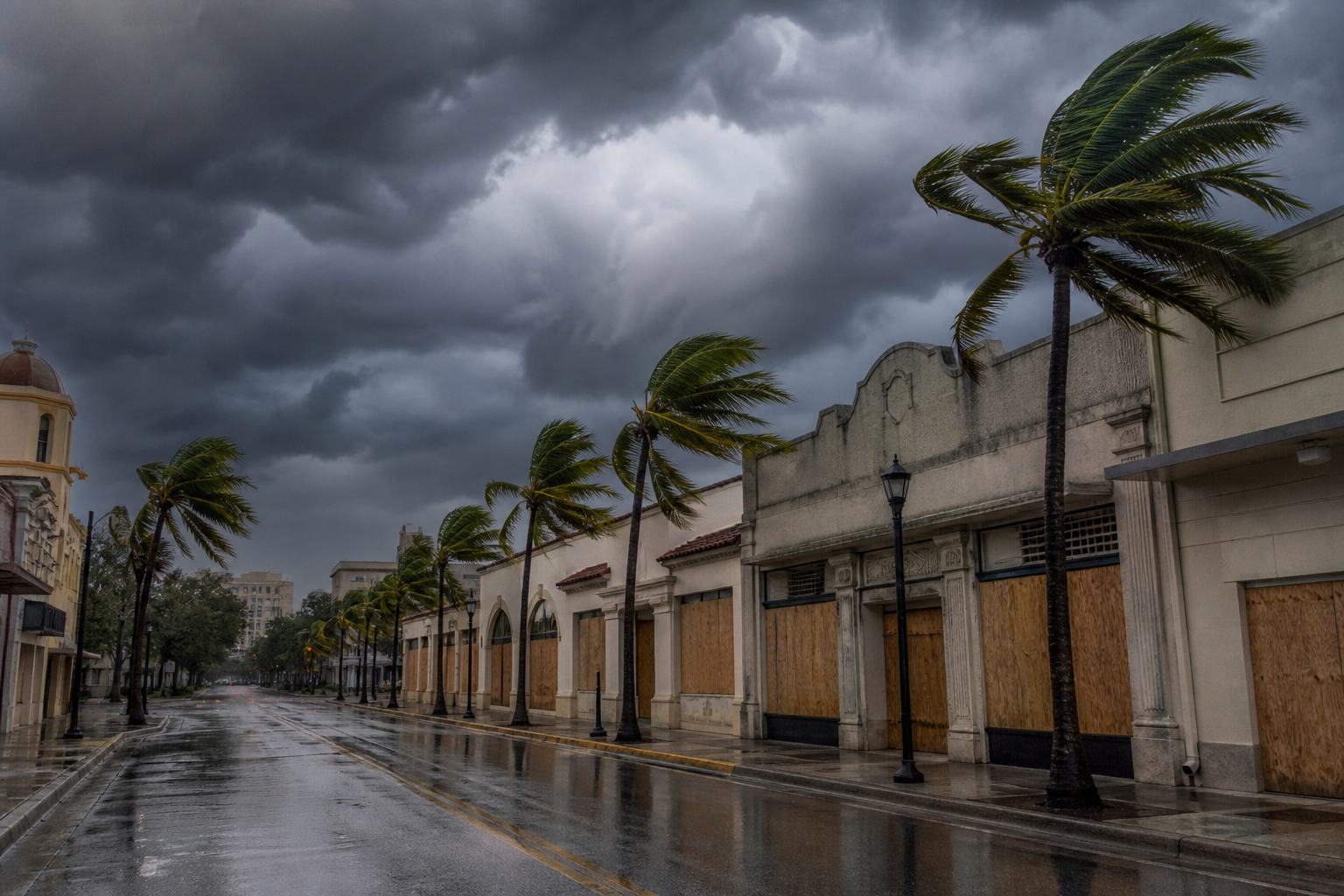
Insurance premiums in Florida have long been influenced by several factors that make this state stand out. One major element is the high frequency of severe weather events. From 2017 to 2023, Florida experienced over $50 billion in insured losses due to catastrophic storms, which continues to push premiums upward according to Southwest Florida Lawyers. This exposure to hurricanes and flooding means insurers must factor in substantial risks when pricing policies. Additionally, Florida's unique geography, with its extensive coastline and vulnerable inland areas, exacerbates the potential for widespread damage, making it a high-risk state for insurers. The combination of high property values and the likelihood of severe weather creates a perfect storm for rising insurance costs.
Another significant driver is the legal environment. Florida has grappled with claim fraud and legal system abuse, particularly in property and casualty insurance markets. Recent legislative reforms targeting these issues have begun to stabilize the market by curbing abusive practices that once inflated costs reports the Insurance Information Institute. This has helped slow the rapid premium increases seen in previous years. However, the ongoing battle against fraudulent claims remains a concern for insurers, as they continue to invest in advanced technologies and data analytics to detect and prevent fraud before it impacts their bottom line. The legal landscape in Florida is evolving, and insurers must remain vigilant to adapt to these changes effectively.
For commercial auto insurance specifically, premiums have seen a 9.4% rise recently, driven by social inflation, nuclear verdicts, and reinsurance costs according to Insurance Business America. These factors reflect broader national trends but are amplified in Florida’s complex risk environment. The rise in social inflation, where jury awards and settlements exceed traditional expectations, has made it increasingly challenging for insurers to predict liabilities. This unpredictability is particularly pronounced in Florida, where high-profile cases often set precedents that ripple through the insurance market, leading to more conservative underwriting practices and higher premiums.
Recent Trends in Auto Insurance Rates
After a sharp 31.7% surge in 2023, Florida’s top five auto insurers reported an average rate decrease of 6.5% in 2025 according to the Florida Office of Insurance Regulation. This shift highlights the impact of regulatory changes and risk mitigation strategies on controlling costs. For fleet operators, this could mean more manageable premiums if they adopt best practices and leverage new technologies. The integration of telematics and driver monitoring systems is becoming increasingly popular, as these tools provide insurers with real-time data on driving behavior, allowing for more personalized pricing models. As fleets become more efficient and safer, the potential for reduced premiums becomes a tangible goal.

By: Montreal Morand
Founder & Managing Partner
Macpherson Insurance Agency
Fleet Insurance: Protecting Your Vehicles and Drivers
Fleet insurance covers multiple vehicles under one policy, offering protection against physical damage, liability, and other risks. In Florida, where traffic congestion and accident rates are high, comprehensive fleet coverage is essential. The unique challenges posed by the state's diverse driving conditions—from bustling urban centers like Miami to rural areas—make it imperative for fleet operators to tailor their insurance policies to meet specific operational needs.
Liability coverage is a cornerstone of fleet insurance. It protects your business if a driver causes injury or property damage. Given Florida’s high auto insurance costs, ensuring adequate liability limits can prevent devastating out-of-pocket expenses. Moreover, with the increasing number of rideshare services and delivery vehicles on the road, the potential for accidents has escalated, underscoring the importance of robust liability coverage to safeguard against legal claims and financial repercussions.
Physical damage coverage includes collision and comprehensive protection. Collision covers damage from accidents, while comprehensive protects against theft, vandalism, or weather-related damage. Considering Florida’s vulnerability to hurricanes and flooding, comprehensive coverage is often a wise investment. Additionally, the prevalence of wildlife crossings in certain regions can lead to unexpected accidents, making it crucial for fleet managers to consider all potential risks when selecting their coverage.
Managing Risk with Technology
Emerging technologies like Connected and Autonomous Vehicles (CAVs) and Shared Autonomous Vehicles (SAVs) are reshaping transportation risk profiles. Studies show that integrating just 25% of CAVs into evacuation traffic during hurricanes can reduce potential collisions by up to 42.5% according to recent research. Similarly, higher SAV integration improves traffic distribution and reduces congestion during disaster evacuations in rural areas as demonstrated in a simulation-based framework. This technological advancement not only enhances safety but also streamlines operations, allowing fleet managers to optimize routes and reduce fuel consumption.
For fleet operators, investing in telematics, driver monitoring, and autonomous technologies can lower risk and potentially reduce insurance premiums. Insurers are increasingly rewarding businesses that adopt these innovations with better rates and coverage terms. Furthermore, real-time data analytics can provide insights into driver behavior, helping to identify areas for improvement and training. By fostering a culture of safety and accountability, fleet managers can not only enhance their insurance profiles but also contribute to a safer driving environment for everyone on the road.
Cargo Insurance: Safeguarding Goods in Transit
Cargo insurance protects the goods your fleet carries from loss or damage during transportation. This coverage is crucial for businesses that rely on timely and intact deliveries to maintain customer trust and profitability.
Florida’s position as a logistics hub with busy ports and highways increases exposure to risks such as theft, accidents, and natural disasters. Cargo insurance policies can be tailored to cover specific types of goods, transit routes, and modes of transportation.
When selecting cargo insurance, consider the value of the goods, the likelihood of delays or damage, and any special handling requirements. Combining cargo insurance with robust security measures and proper packaging can minimize losses and claims.
In addition to the basic coverage, businesses may also want to explore additional options such as coverage for contingent cargo, which protects against the risks associated with third-party carriers. This is particularly important for companies that outsource logistics or use multiple transport methods, as it ensures that goods remain protected even when they are not in the direct control of the business. Furthermore, understanding the nuances of international shipping can be vital, as different countries have varying regulations and risks that could affect the cargo's safety and insurance claims.
Moreover, the rise of e-commerce has led to an increase in the volume of goods being shipped, making cargo insurance even more relevant. As businesses expand their reach globally, they must navigate complex logistics networks and potential disruptions. Insurers are now offering more comprehensive policies that address the unique challenges of modern supply chains, including cyber threats and geopolitical risks. By staying informed about these evolving trends and working closely with insurance providers, businesses can ensure they are adequately covered against the myriad of risks that come with transporting goods in today’s fast-paced environment.

Liability risks in transportation are multifaceted. Beyond vehicle accidents, businesses face potential claims related to cargo damage, environmental harm, and employee injuries. Florida’s legal climate, while improving, still presents challenges with social inflation and nuclear verdicts driving up costs. The rise in social inflation, which refers to the increasing costs of claims due to broader societal factors, has made it essential for businesses to reassess their risk management strategies. As jury awards grow larger, companies must be proactive in understanding the implications of these trends on their operations and insurance premiums.
Maintaining adequate liability coverage is not just about compliance; it is about protecting your business’s financial health. Insufficient limits can leave companies vulnerable to lawsuits that exceed policy caps, leading to costly settlements or judgments. Furthermore, the complexity of liability laws can create additional hurdles, as businesses must navigate various regulations that differ from state to state. This makes it imperative for transportation companies to work closely with legal and insurance professionals to tailor their coverage to fit their specific needs and risk profile.
Legal reforms in Florida have begun to address abusive claim practices, helping to stabilize the property and casualty insurance market according to the Insurance Information Institute. Staying informed about these changes can help transportation businesses anticipate shifts in liability exposure and insurance pricing. Additionally, engaging in risk mitigation strategies, such as investing in safety training and technology, can further reduce the likelihood of incidents that lead to claims. By fostering a culture of safety, companies can not only protect their employees but also enhance their reputation and customer trust.
Property Owners Without Insurance: A Hidden Risk
Florida ranks ninth nationally for the number of property owners without insurance according to the University of Florida. This can indirectly affect transportation businesses, especially those involved in logistics and warehousing. Uninsured property owners may delay repairs or dispute claims, complicating cargo handling and increasing liability risks. The ripple effect of uninsured properties can lead to significant operational disruptions, as transportation companies may find themselves unable to access necessary facilities or facing unexpected delays due to unresolved property issues.
Moreover, the presence of uninsured property owners can create a precarious environment for businesses that rely on consistent and reliable partnerships. When property owners are unable or unwilling to maintain their assets, it can lead to deteriorating conditions that pose risks not only to the cargo being transported but also to the safety of employees and drivers. Transportation companies must therefore conduct thorough due diligence when selecting partners and ensure that they have contingency plans in place to mitigate the risks associated with uninsured properties. This proactive approach can help safeguard against potential liabilities and ensure smoother operations in an unpredictable landscape.
Strategies to Manage Transportation Insurance Costs
Controlling insurance costs in Florida requires a proactive approach. Here are some strategies that can help:
- Implement safety programs: Driver training and safety protocols reduce accident frequency and severity.
- Leverage technology: Telematics and autonomous vehicle features can lower risk and demonstrate responsibility to insurers.
- Review coverage regularly: Adjust policies to reflect current fleet size, cargo types, and operational changes.
- Engage with insurers: Work with providers who understand Florida’s unique risks and offer tailored solutions.
- Stay informed on legislation: Monitor legal reforms that may impact claims and premiums.
These steps not only help control premiums but also improve overall risk management, making your transportation operations more resilient. Additionally, fostering a culture of safety within your organization can yield long-term benefits. Encouraging open communication about safety concerns and rewarding safe driving behaviors can lead to a more conscientious workforce. Regular safety meetings and workshops can keep safety at the forefront of your team’s priorities, ultimately leading to fewer incidents and claims.
Moreover, consider the potential advantages of joining industry associations or groups that focus on transportation safety and insurance. These organizations often provide valuable resources, including access to best practices, training programs, and networking opportunities with other professionals facing similar challenges. By collaborating with peers, you can share insights and strategies that have proven effective in managing costs and enhancing safety, which can further strengthen your position when negotiating with insurers.
What the Future Holds for Florida Transportation Insurance
Insurance markets in Florida are gradually stabilizing after years of volatility. Legislative reforms and technological advances are key drivers behind this positive trend. As insurers gain confidence in the state’s legal and risk environment, rate hikes may moderate further.
At the same time, the adoption of autonomous and connected vehicle technologies promises to reshape risk landscapes. Reduced collisions and improved traffic flow during emergencies could lower claims frequency, benefiting both insurers and insureds.
Transportation businesses that stay ahead of these trends and invest in risk mitigation will be better positioned to secure favorable insurance terms and protect their bottom lines.
Understanding the interplay of weather risks, legal reforms, technology, and market dynamics is essential for anyone managing fleets or cargo in Florida. This knowledge helps navigate the complexities of transportation insurance and make informed decisions that safeguard assets and ensure business continuity.
Frequently Asked Questions
Q: Why is car insurance so expensive in Florida?
A: Florida’s high insurance costs stem from frequent severe weather, legal system abuse, and high accident rates, which increase claims and premiums.
Q: How can technology reduce fleet insurance costs?
A: Technologies like telematics and autonomous vehicle features improve safety and reduce accidents, which can lead to lower insurance premiums.
Q: What does cargo insurance cover?
Cargo insurance protects goods in transit from loss, damage, or theft, tailored to the type of cargo and transportation method.
Q: Are there recent legal reforms affecting transportation insurance in Florida?
Yes. Reforms targeting claim fraud and legal abuse have helped stabilize insurance markets and control premium increases.
Q: How does Florida’s weather impact transportation insurance?
Severe weather events cause significant insured losses, which insurers factor into premiums to cover potential damage and claims.
Q: What is social inflation, and how does it affect insurance?
Social inflation refers to rising insurance costs due to broader legal and societal trends, such as larger jury awards and increased litigation.
ABOUT THE AUTHOR:
MONTREAL MORAND
With over 20 years of leadership experience in the insurance industry, I’ve dedicated my career to helping clients and agents make informed, confident decisions about their coverage. I’ve led high-performing teams, managed more than $128 million in premium, and earned multiple national awards for excellence. Today, my mission remains the same — to educate, empower, and provide dependable protection for the communities we serve.
Contact Us
Protect the Things That Matter Most
Reliable Coverage for Your Home & Lifestyle
Home Insurance
Protect your home, belongings, and personal liability with reliable coverage.
Stronger Coverage for Your Operations
Essential Protection for Your Company
Coverage built for businesses that depend on people, property, and equipment.
Industries We Support
Insurance for Everyday Local Businesses
Simple, reliable protection for the people who keep our communities running.
Plumbers
Plumbers Insurance
Protection for job-site hazards, tools, and customer property.
Restaurants
Restaurants Insurance
Coverage for fire risks, food inventory, and general liability.
HVAC Contractors
HVAC Contractors Insurance
Insurance for service vehicles, equipment, and installation risks.




Frequently Asked Questions
Helpful Answers to Common Questions
Quick guidance to help you understand your coverage.
What types of insurance does Macpherson Insurance Agency offer?
We provide both personal and commercial insurance solutions. On the personal side: homeowners, automobile, condo, renters, windstorm, flood, excess flood, and more. On the commercial side: general liability, property, inland marine, ocean marine, workers compensation, and more.
Do you specialize in homeowners insurance in South Florida?
Yes. We specialize in homeowners coverage in South Florida and work with multiple carriers based on your property’s age, location and replacement cost.
What does “replacement cost” mean in a policy?
Replacement cost is the cost to rebuild your home to the same standard it had before a loss — not the market value of your property.
Why is it important that my insurer is licensed in Florida?
Licensed Florida insurers are continuously monitored for financial stability — if one fails, the Florida Insurance Guaranty Fund may reimburse insureds for unpaid claims up to a limit.
Can I lower my homeowners premium with discounts?
Yes — mitigation features like impact glass, storm shutters, roof straps, and approved sheathing may qualify you for significant credit reductions.
Do you offer payment plans or premium financing?
Yes. In many cases, payment plans and premium financing are available to make coverage more affordable and manageable over time.
From the Blog
Helpful Tips & Insurance Guidance
Articles created to make insurance easier to understand.









Contact Us
Phone
Location