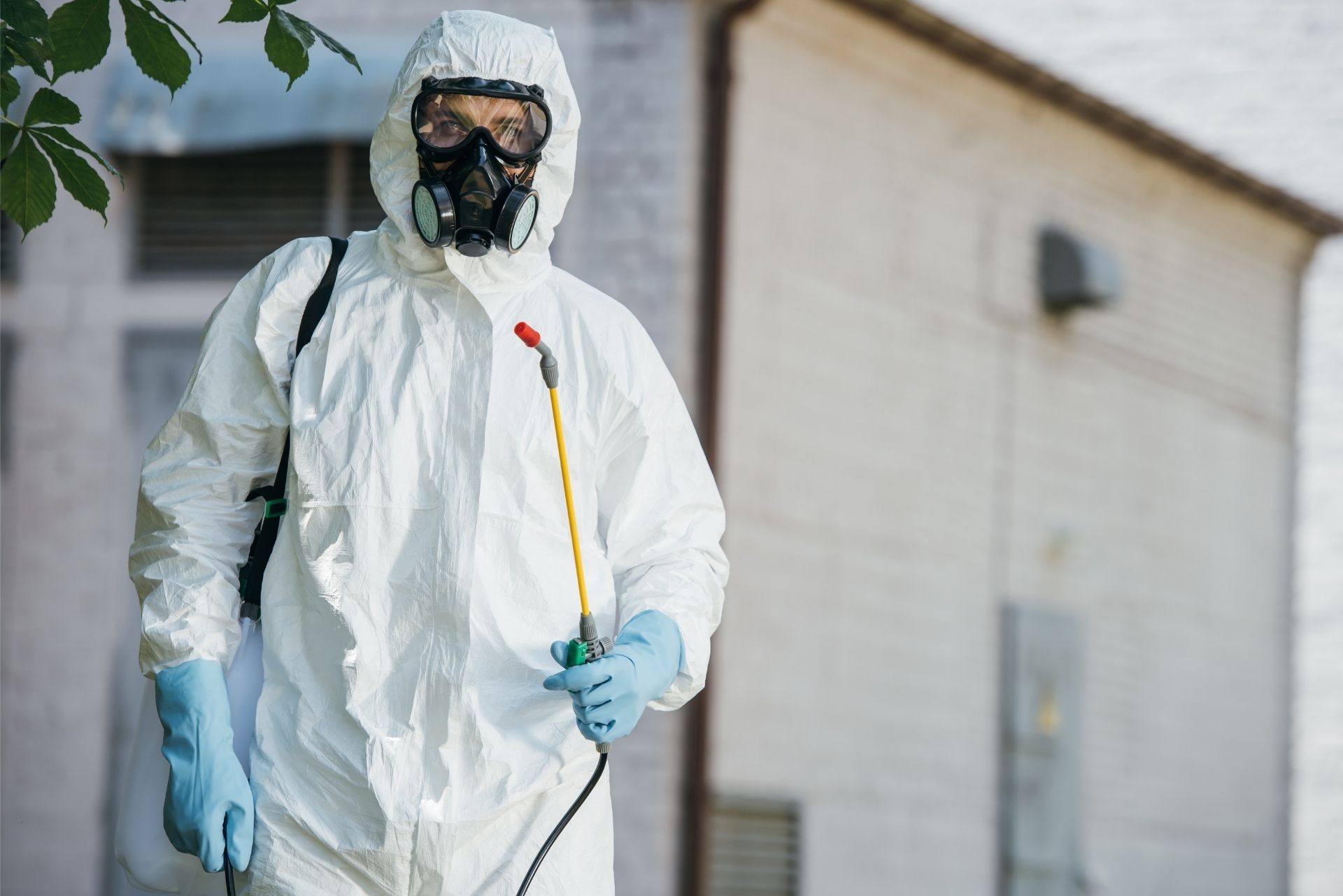
Handling pest control in Florida is not just about managing bugs and rodents. It’s about navigating a complex landscape of chemical use, property risks, and regulatory demands. With over 17,000 people employed in Florida’s pest management industry as of 2020, the stakes are high for companies looking to protect their business and clients effectively. Understanding the right insurance coverage is crucial to managing these risks without compromising service quality or financial stability. This article breaks down the essentials of pest control insurance in Florida, focusing on chemical and property risks, and what companies need to know to stay protected.
The Growing Pest Control Industry in Florida
Florida’s pest control sector has seen significant growth, with employment rising 31% since before the recession. This expansion reflects not only increased demand for pest management but also the complexity of services offered. A 2023 survey found that 80% of pest control companies provide ant control, 74% offer rodent control, and 66% focus on perimeter pest control services. These varied offerings come with distinct risks, especially when dealing with chemical treatments and property damage.
Rodent control, for example, has become more labor-intensive. Bruce McCown, technical director of Florida Pest Control & Chemical Company, highlights that modern rodent management requires repeated visits to check traps and remove carcasses. This hands-on approach increases exposure to potential liabilities, such as property damage or chemical mishandling, underscoring the need for comprehensive insurance coverage tailored to these challenges. For more insight into industry trends, visit this detailed state of the industry report.
In addition to traditional pest control methods, many companies are now incorporating integrated pest management (IPM) strategies, which emphasize environmentally friendly practices. This approach not only minimizes the use of harmful chemicals but also focuses on long-term prevention through habitat modification and biological control methods. As consumers become more environmentally conscious, pest control companies are adapting their services to meet these expectations, often leading to increased customer loyalty and satisfaction.
Moreover, the rise of technology in pest control is reshaping the industry landscape. Companies are increasingly utilizing data analytics and smart technology to monitor pest activity and optimize treatment plans. For instance, the implementation of remote monitoring systems allows technicians to receive real-time updates on pest activity, enabling them to respond more swiftly and effectively. This technological shift not only enhances service efficiency but also provides clients with greater transparency and peace of mind regarding pest management efforts.

By: Montreal Morand
Founder & Managing Partner
Macpherson Insurance Agency
Why Specialized Insurance Matters for Pest Control Businesses
Pest control companies face unique risks that general business insurance often does not cover. Chemical treatments can lead to pollution claims, while property damage can result from equipment use or accidental spills. Additionally, workers face hazards that require tailored workers’ compensation coverage. Recognizing these risks, insurance providers like Stewart & Sons Insurance, Inc. offer customizable packages that include coverage for wood-destroying insects, job site pollution, and auto hazard pollution.
Specialized insurance policies also provide protection against claims related to professional liability, general liability, and property damage. CWI Underwriters stresses the importance of these coverages, noting that pest control contractors benefit from policies that cover inland marine equipment and workers’ compensation alongside standard liability insurance. Without this tailored protection, pest control businesses risk significant financial losses from lawsuits or regulatory fines. Learn more about these insurance options at CWI Underwriters’ pest control insurance overview.
Moreover, the pest control industry is constantly evolving, with new regulations and standards emerging to ensure the safety of both the environment and public health. This dynamic landscape means that pest control businesses must stay informed and compliant, which can be challenging without the right insurance coverage. For instance, if a company inadvertently uses a banned pesticide, the repercussions can be severe, including hefty fines and damage to their reputation. Specialized insurance can help mitigate these risks by providing legal defense and coverage for fines, allowing businesses to focus on their core operations rather than potential legal entanglements.
In addition to regulatory compliance, pest control companies often deal with a wide variety of pests, each presenting its own set of challenges and risks. From termites that can cause extensive structural damage to rodents that may carry diseases, the diverse nature of pest control work necessitates a comprehensive insurance approach. Policies that address specific pest-related issues, such as damage to client property or injury to customers during treatment, can provide peace of mind. This tailored coverage not only protects the business but also fosters trust with clients, who can feel secure knowing that their pest control provider is adequately insured against potential mishaps.
Managing Chemical Risks in Pest Control
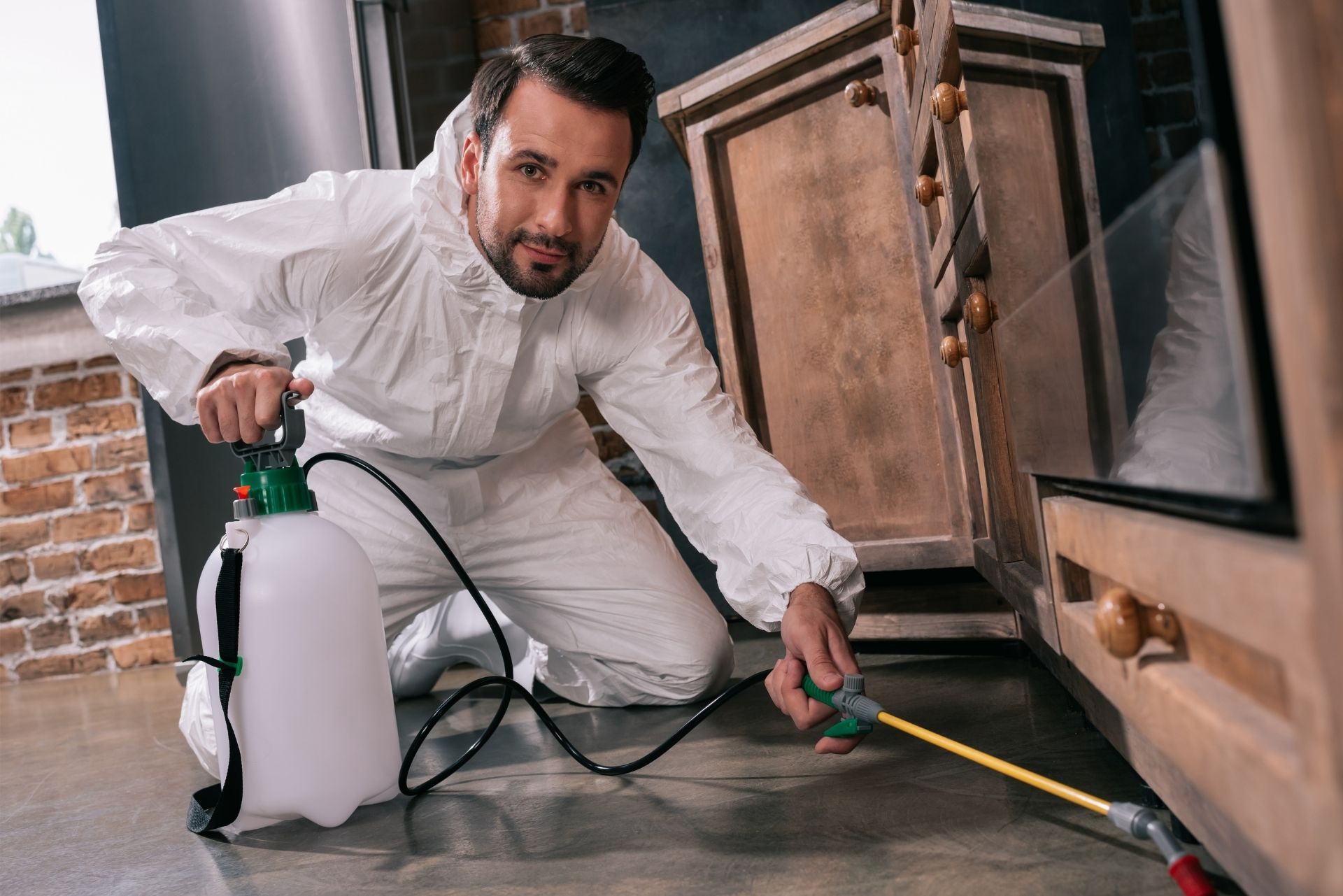
Using chemicals safely is at the core of pest control, but it also introduces considerable risks. Chemical spills, improper application, or environmental contamination can lead to costly claims. Insurance policies that include pollution liability are essential for protecting businesses against these exposures. Coverage for job site pollution, for instance, helps mitigate financial damage if chemicals accidentally contaminate soil or water.
Florida’s climate and ecosystem make chemical management even more critical. The state’s humid conditions can affect chemical stability and increase runoff risks. Insurance providers recognize these factors and often require pest control companies to implement strict safety protocols as part of their coverage agreements. This combination of insurance and risk management helps companies avoid incidents that could jeopardize their reputation and financial health.
Moreover, pest control operators must stay informed about the latest regulations and best practices concerning chemical usage. Continuous education and training programs are vital in ensuring that technicians are well-versed in the safe handling and application of pesticides. Many organizations offer certification courses that not only enhance knowledge but also improve safety standards across the industry. By fostering a culture of safety and compliance, pest control companies can significantly reduce the likelihood of accidents and enhance their credibility with clients.
In addition to training, the integration of technology in pest control practices is becoming increasingly important. Modern tools such as GPS tracking and drones can help in monitoring pest populations and applying chemicals more precisely, thereby minimizing waste and environmental impact. These advancements not only improve the effectiveness of pest control efforts but also align with sustainable practices that are becoming more critical in today’s eco-conscious market. As consumers become more aware of environmental issues, pest control businesses that adopt these innovative methods may find themselves at a competitive advantage, appealing to a growing demographic that prioritizes sustainability in their service providers.
Property Risks and Insurance in Florida’s Pest Control Sector
Property damage is a common risk in pest control operations. Whether it’s damage to a client’s home during termite treatment or harm to landscaping from rodent control measures, these incidents can lead to expensive claims. Florida’s commercial property insurance market has evolved, with excess and surplus carriers now holding nearly 45% of the market as of 2023. This shift reflects the increasing complexity and risk in property coverage for businesses operating in the state.
Moreover, Lloyd’s of London underwriters control 18% of Florida’s excess and surplus commercial insurance market, with $1.3 billion in premiums. This presence indicates a strong appetite for underwriting complex risks, including those faced by pest control companies. Businesses can leverage this market to secure coverage that addresses specific property risks, such as damage from equipment use or accidental chemical exposure. For a deeper dive into Florida’s insurance market dynamics, check out this analysis of Florida’s commercial insurance market.
Custom Coverage Options for Property Risks
Insurance packages tailored for pest control companies often include protection against wood-destroying insect damage, a critical concern in Florida’s termite-prone environment. Additionally, coverage for auto hazard pollution protects vehicles used in service delivery, which can be a source of chemical spills or accidents. These specialized coverages ensure that pest control businesses can respond to claims promptly without jeopardizing their operations.
Furthermore, pest control companies face unique challenges due to Florida's diverse ecosystems, which can influence the types of pests they encounter and the methods they employ. For instance, the prevalence of tropical pests may require specialized treatments that could inadvertently affect surrounding flora and fauna. As a result, insurance policies may also include environmental liability coverage, which protects businesses from claims related to unintentional harm to the environment. This is particularly relevant in Florida, where the delicate balance of its ecosystems is often threatened by invasive species. By understanding these nuances, pest control operators can better navigate the insurance landscape and ensure comprehensive protection against a variety of risks.
In addition to property damage, pest control businesses must also consider the potential for business interruption due to unforeseen events, such as natural disasters or regulatory changes. Florida is prone to hurricanes, which can disrupt operations and lead to significant financial losses. Many insurance providers now offer business interruption coverage, which compensates for lost income during such downtimes. This type of coverage is essential for pest control companies, allowing them to maintain financial stability while recovering from disruptions. By proactively addressing these risks through tailored insurance solutions, pest control operators can safeguard their livelihoods and continue to provide essential services to their clients.
Employment and Liability Considerations
With Florida’s pest management industry accounting for more than 14% of the nation’s pest control and extermination establishments in 2021, managing employment risks is vital. Workers’ compensation insurance is a must-have, covering injuries that can occur during labor-intensive tasks like trap checking and chemical application. In addition to workers' compensation, employers should also consider implementing comprehensive training programs that emphasize safety protocols and proper handling of chemicals. This proactive approach not only minimizes the risk of accidents but also fosters a culture of safety that can enhance employee morale and productivity.
Liability insurance also plays a crucial role. General liability protects against third-party claims of bodily injury or property damage, while professional liability covers errors in service delivery that cause client losses. Given the hands-on nature of pest control, these coverages help businesses handle claims without disrupting daily operations or financial stability. Furthermore, as pest control methods evolve with advancements in technology and changes in regulations, businesses must stay informed and adapt their insurance policies accordingly. This ensures that they are not only compliant with state laws but also adequately protected against emerging risks associated with new pest management techniques, such as the use of drones for inspections or the application of eco-friendly pesticides, which may carry their own unique liability considerations.
Choosing the Right Insurance for Your Pest Control Business
Finding the right insurance means balancing coverage needs with cost and risk tolerance. Not all policies are created equal, and pest control companies should look for insurers that understand the industry’s unique challenges. Customizable packages that include chemical pollution coverage, property damage protection, and workers’ compensation are essential.
Working with insurance providers experienced in pest control can simplify the process. They can tailor policies to the specific services offered, whether that’s ant control, rodent management, or perimeter pest services. This approach ensures that companies are not overpaying for unnecessary coverage or left exposed to gaps in protection.
Comparison of Common Coverage Types
| Coverage Type | What It Covers | Why It Matters for Pest Control |
|---|---|---|
| General Liability | Third-party bodily injury and property damage | Protects against claims from clients or bystanders during service |
| Professional Liability | Errors or omissions in service delivery | Covers mistakes like improper chemical application causing damage |
| Pollution Liability | Chemical spills and environmental contamination | Essential for managing risks from pesticide use and disposal |
| Workers’ Compensation | Employee injuries on the job | Protects workers during labor-intensive tasks like trap monitoring |
| Property Insurance | Damage to business property and client sites | Covers accidental damage during pest control operations |
What Florida Pest Control Companies Should Keep in Mind
Insurance is not a one-size-fits-all solution, especially in a state like Florida with its unique environmental and market conditions. Pest control companies must consider local risks, such as termite prevalence and the state’s evolving insurance market. The rise of excess and surplus carriers in Florida’s commercial property insurance sector means more options but also requires careful evaluation to find the right fit.
Staying informed about industry trends and regulatory changes is equally important. The shift toward more labor-intensive rodent control practices means increased exposure to liability. Companies should ensure their insurance covers these evolving operational realities. For those navigating this landscape, resources like the
University of Florida’s pest management employment report provide valuable context on the state’s pest control workforce and industry growth.
Frequently Asked Questions
Q: Do pest control companies need pollution liability insurance?
A: Yes. Chemical use in pest control carries risks of environmental contamination, so pollution liability coverage helps protect against related claims.
Q: What types of property damage are common in pest control?
A: Damage can include harm to client homes during termite treatments, landscaping damage from rodent control, or vehicle-related chemical spills.
Q: How does workers’ compensation apply to pest control?
A: It covers injuries employees might suffer during tasks like trap monitoring, chemical application, or equipment handling.
Q: Can pest control insurance be customized?
A: Yes. Many insurers offer tailored packages that fit specific services and risk profiles, including coverage for wood-destroying insects and pollution risks.
Q: Why is Florida’s insurance market unique for pest control?
A: The state has a large share of excess and surplus carriers, and Lloyd’s of London underwriters play a significant role, reflecting the complex risks involved.
Q: How often should pest control companies review their insurance policies?
A: Annually or whenever there’s a change in services, workforce size, or regulatory environment to ensure adequate coverage.
ABOUT THE AUTHOR:
MONTREAL MORAND
With over 20 years of leadership experience in the insurance industry, I’ve dedicated my career to helping clients and agents make informed, confident decisions about their coverage. I’ve led high-performing teams, managed more than $128 million in premium, and earned multiple national awards for excellence. Today, my mission remains the same — to educate, empower, and provide dependable protection for the communities we serve.
Contact Us
Protect the Things That Matter Most
Reliable Coverage for Your Home & Lifestyle
Home Insurance
Protect your home, belongings, and personal liability with reliable coverage.
Stronger Coverage for Your Operations
Essential Protection for Your Company
Coverage built for businesses that depend on people, property, and equipment.
Industries We Support
Insurance for Everyday Local Businesses
Simple, reliable protection for the people who keep our communities running.
Plumbers
Plumbers Insurance
Protection for job-site hazards, tools, and customer property.
Restaurants
Restaurants Insurance
Coverage for fire risks, food inventory, and general liability.
HVAC Contractors
HVAC Contractors Insurance
Insurance for service vehicles, equipment, and installation risks.




Frequently Asked Questions
Helpful Answers to Common Questions
Quick guidance to help you understand your coverage.
What types of insurance does Macpherson Insurance Agency offer?
We provide both personal and commercial insurance solutions. On the personal side: homeowners, automobile, condo, renters, windstorm, flood, excess flood, and more. On the commercial side: general liability, property, inland marine, ocean marine, workers compensation, and more.
Do you specialize in homeowners insurance in South Florida?
Yes. We specialize in homeowners coverage in South Florida and work with multiple carriers based on your property’s age, location and replacement cost.
What does “replacement cost” mean in a policy?
Replacement cost is the cost to rebuild your home to the same standard it had before a loss — not the market value of your property.
Why is it important that my insurer is licensed in Florida?
Licensed Florida insurers are continuously monitored for financial stability — if one fails, the Florida Insurance Guaranty Fund may reimburse insureds for unpaid claims up to a limit.
Can I lower my homeowners premium with discounts?
Yes — mitigation features like impact glass, storm shutters, roof straps, and approved sheathing may qualify you for significant credit reductions.
Do you offer payment plans or premium financing?
Yes. In many cases, payment plans and premium financing are available to make coverage more affordable and manageable over time.
From the Blog
Helpful Tips & Insurance Guidance
Articles created to make insurance easier to understand.





Contact Us
Phone
Location