
When a personal trainer guides a client through a workout, the last thing anyone wants is an unexpected injury or legal claim. Yet, accidents happen. In Florida, where the fitness industry is booming alongside a complex insurance market, personal trainer insurance is more than a safety net-it’s a necessity. Understanding how to protect yourself and your studio can save you from costly lawsuits and financial setbacks.
Florida’s property insurance market recently hit a milestone, reporting its first underwriting profit in eight years, a sign that the state’s insurance climate is slowly stabilizing after years of turmoil. Still, challenges remain for professionals seeking coverage.
Active Property Care highlights how these shifts impact homeowners and businesses alike, including fitness studios.
Why Personal Trainer Insurance Matters in Florida
Personal trainers face unique risks every day. From slips and falls during a session to claims of negligence, the liability exposure is real. Without proper insurance, one claim could jeopardize an entire career or business. Insurance offers protection against the financial burden of accidents, injuries, or lawsuits that might arise while training clients.
Experts emphasize that personal trainer insurance safeguards professionals from costly legal battles. As noted by HTF Market Intelligence, this coverage is essential to mitigate risks associated with personal training, especially as the global market grows.
In Florida, the stakes are even higher. The state’s exposure to natural disasters and a historically litigious environment have pushed insurance rates upward. The fitness industry, valued at over $96 billion globally in 2021, continues to expand, drawing more trainers into the spotlight and increasing the need for protection.
Understanding the Risks
Fitness professionals often work in close physical proximity with clients, increasing the chance of injury. Whether it’s a torn muscle or a more serious accident, clients may hold trainers responsible. Without insurance, covering medical bills or legal fees can be overwhelming.
Additionally, studios face risks such as property damage or claims arising from equipment failure. Liability insurance tailored to personal trainers covers these scenarios, ensuring business continuity even in tough situations.
Moreover, the nature of personal training often involves customizing workout plans that cater to individual client needs. This personalized approach, while beneficial, can also lead to misunderstandings or dissatisfaction if clients do not achieve their expected results. In such cases, trainers may face claims of professional negligence, further underscoring the importance of having adequate insurance coverage. Trainers must also be aware of the evolving regulations regarding health and safety standards, which can vary significantly from state to state. In Florida, staying compliant with these regulations not only protects clients but also shields trainers from potential legal repercussions.
In addition to liability coverage, personal trainers may consider additional policies that protect against theft, property damage, or even cyber liability, especially if they manage client information digitally. As technology becomes more integrated into fitness training, safeguarding sensitive data is crucial. The rise of online training platforms and virtual coaching has created new avenues for trainers, but it also introduces new risks that can be mitigated through comprehensive insurance solutions. Understanding these multifaceted risks can empower trainers to make informed decisions about their insurance needs, ultimately enhancing their professional credibility and client trust.

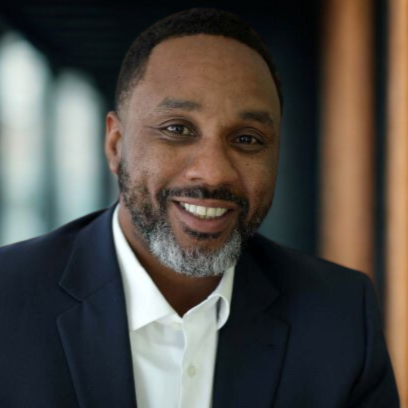
By: Montreal Morand
Founder & Managing Partner
Macpherson Insurance Agency
Florida’s Insurance Market and Its Impact on Trainers
Florida’s insurance landscape has been turbulent, with rising costs and regulatory changes shaping the market. One significant factor driving premiums higher is the skyrocketing cost of reinsurance, as explained by Locke Burt, CEO of Security First Insurance. This increase trickles down to all policyholders, including fitness professionals.
In 2024, Florida’s property insurance market finally reported its first underwriting profit in eight years, signaling some relief. However, the road to stability is ongoing, and personal trainers must navigate these fluctuations carefully. The state government has taken steps to address some challenges, such as the 2023 bill signed by Governor Ron DeSantis aimed at reducing frivolous lawsuits that have historically driven insurance rates up.
This legislation targets the litigation that inflated claims following major hurricanes like Irma and Michael. According to a report from the Florida Department of Financial Services, claims from these storms were ten times higher than average, with litigation increasing claim costs by 30% to 50%. Such factors have a ripple effect on all insurance lines, including those relevant to personal trainers and fitness studios.
For trainers and studio owners, staying informed about these market dynamics is crucial. Understanding how external factors influence insurance premiums helps in budgeting and choosing the right coverage. Additionally, trainers should consider investing in risk management strategies, such as comprehensive liability insurance and accident prevention protocols, to mitigate potential claims. By doing so, they not only protect their businesses but also foster a safer environment for their clients, which can enhance their reputation and attract more clientele.
Moreover, as the fitness industry continues to evolve, trainers may also want to explore specialized insurance products tailored to their unique needs. Policies that cover equipment damage, client injuries, and even cyber liability for online training sessions can provide peace of mind. With the rise of digital fitness platforms, trainers who offer virtual sessions must be aware of the specific liabilities associated with online training, ensuring they are adequately covered against potential risks that could arise in a digital environment.
Types of Insurance Coverage for Personal Trainers in Florida
Personal trainer insurance isn’t one-size-fits-all. It typically involves several key coverages tailored to protect against specific risks. Knowing what each type covers helps trainers make informed decisions.
General Liability Insurance
This is the foundation of personal trainer insurance. It covers bodily injury and property damage claims from accidents that occur during training sessions. For example, if a client trips over equipment or suffers an injury, general liability insurance can cover medical expenses and legal fees. Additionally, this coverage can also protect trainers from claims related to defamation or slander, should a client feel that their reputation has been harmed due to the trainer's actions or statements.
Professional Liability Insurance
Also known as errors and omissions insurance, this protects trainers against claims of negligence, misrepresentation, or failure to deliver promised services. If a client alleges that advice or training caused harm, this coverage can be critical. It is particularly relevant in the fitness industry, where clients may have unique health considerations or pre-existing conditions that require specialized training. This insurance ensures that trainers are protected from the financial fallout of claims that could arise from their professional advice.
Property Insurance
For those who own or lease fitness studios, property insurance covers damage to the physical space and equipment. Given Florida’s vulnerability to hurricanes and storms, this coverage is especially important to safeguard assets. Furthermore, property insurance can also extend to cover theft or vandalism, ensuring that trainers are not left to bear the financial burden of unexpected losses. This is crucial for maintaining a functional and inviting training environment for clients.
Workers’ Compensation
If trainers employ staff, workers’ compensation insurance is often required by law. It covers medical costs and lost wages if an employee is injured on the job. This coverage not only protects the employees but also shields the business owner from potential lawsuits stemming from workplace injuries. In a dynamic environment like a gym or fitness studio, where physical activity is constant, having this insurance can significantly reduce the financial risks associated with employee injuries.
Choosing the right combination depends on business size, services offered, and risk tolerance. Many trainers opt for bundled policies that provide comprehensive protection at competitive rates. Additionally, trainers should regularly review their insurance needs as their business grows or changes, ensuring that they are adequately covered for any new services or increased client loads. Consulting with an insurance professional can help trainers navigate the complexities of coverage options and find the best fit for their unique circumstances.

Certification and Its Role in Insurance
Certification from nationally recognized organizations such as NASM, ACE, or NSCA can influence insurance rates and coverage options. Approximately 35% of personal trainers hold such credentials, signaling professionalism and adherence to industry standards.
Insurance providers often view certified trainers as lower risk, which can translate into more favorable premiums. Certification also demonstrates a commitment to safety and best practices, which clients appreciate. Furthermore, having a recognized certification can enhance a trainer's marketability, as potential clients often seek assurance that their trainer possesses the necessary knowledge and skills to provide safe and effective training programs.
For trainers seeking insurance, maintaining up-to-date certifications and continuing education can be a strategic move to reduce costs and enhance credibility. Many organizations offer workshops and online courses that not only keep trainers informed about the latest fitness trends and safety protocols but also provide them with opportunities to network with other professionals in the industry. This ongoing education can lead to a more comprehensive understanding of client needs and the ability to tailor programs accordingly, which is invaluable in a competitive market.
Moreover, some insurance companies may even offer discounts or incentives for trainers who participate in additional training or specialized certifications, such as those focusing on injury prevention or nutrition. This not only helps trainers save money but also encourages them to expand their skill set, ultimately benefiting their clients. As the fitness industry continues to evolve, the importance of certification and continuous education will remain a pivotal factor in ensuring both trainer success and client safety.
How to Choose the Right Insurance Policy
Selecting personal trainer insurance requires careful consideration. Here are some tips to guide the process:
- Assess Your Risks: Identify the specific risks related to your training style, client base, and studio setup.
- Compare Coverage Options: Look beyond price. Evaluate what each policy covers and any exclusions.
- Check Limits and Deductibles: Ensure coverage limits match potential liabilities. Deductibles should be affordable.
- Ask About Claims Support: Reliable claims handling can make a big difference during stressful situations.
- Review State Requirements: Florida may have specific insurance mandates for fitness businesses.
Consulting with an insurance professional familiar with Florida’s market can help tailor coverage to your needs. Remember, the cheapest policy may not offer adequate protection.
In addition to evaluating the basic coverage options, consider the importance of additional endorsements that can enhance your policy. For instance, if you specialize in high-risk activities like outdoor training or sports coaching, you may want to look into liability coverage that specifically addresses these scenarios. Similarly, if you offer online training sessions, ensure your policy covers any liabilities that may arise from virtual interactions with clients, as this is an increasingly common aspect of personal training.
Moreover, it’s beneficial to stay informed about industry trends and changes in regulations that could impact your insurance needs. For example, as the fitness industry evolves, new types of risks may emerge, such as those related to digital privacy or health-related claims. Engaging with professional associations or attending workshops can provide valuable insights into best practices for risk management and insurance selection, ensuring that you remain well-protected as you grow your business.
The Growing Demand for Personal Trainer Insurance
The personal trainer insurance market is expanding globally, with a projected compound annual growth rate of 6.1%. This growth reflects increasing awareness of risks and the rising number of fitness professionals seeking protection.
As more trainers enter the field and studios multiply, insurance becomes a key factor in sustainable business operations. The fitness industry’s economic impact, valued at over $96 billion in 2021, underscores the importance of safeguarding this vibrant sector.
Insurance also supports innovation and growth by allowing trainers to focus on their clients without the constant worry of financial fallout from accidents or lawsuits.
Moreover, the rise in digital fitness platforms has further amplified the need for comprehensive insurance coverage. With many trainers now offering virtual sessions, they face unique challenges, such as ensuring the safety of clients in their own environments. This shift necessitates tailored insurance policies that address the nuances of online training, including liability for injuries that may occur during remote sessions. As a result, insurance providers are developing specialized packages that cater specifically to the needs of digital fitness professionals, thereby enhancing their market appeal.
In addition, the growing trend of specialization within the personal training field—ranging from prenatal fitness to rehabilitation training—has led to an increased demand for insurance that covers specific practices and methodologies. Trainers who focus on niche markets often face unique risks that require customized insurance solutions. This specialization not only helps trainers mitigate potential liabilities but also allows them to build trust with their clients, knowing they are protected in their specific area of expertise. As the landscape of personal training continues to evolve, the insurance industry is adapting to meet these diverse needs, ensuring that fitness professionals can thrive in a competitive environment.
What Florida Trainers Should Keep in Mind
Florida’s unique insurance environment demands vigilance. The state’s history of natural disasters and legal challenges means trainers must be proactive in securing robust coverage.
Recent legislative changes aim to reduce frivolous lawsuits, which have inflated insurance costs. Staying updated on these developments can help trainers anticipate changes in premiums and coverage options.
Understanding the insurance market’s nuances and working with knowledgeable agents ensures trainers and studios are well protected against the unexpected.
Frequently Asked Questions
Q: Is personal trainer insurance required in Florida?
A: While not always legally required, insurance is strongly recommended to protect against liability and financial loss.
Q: Does certification affect insurance rates?
A: Yes. Certified trainers often receive better rates due to perceived lower risk.
Q: What does general liability insurance cover?
A: It covers bodily injury and property damage claims related to your training activities.
Q: Can I get insurance if I work independently without a studio?
A: Absolutely. Many insurers offer policies tailored for independent trainers.
Q: How do hurricanes affect insurance costs in Florida?
A: Natural disasters increase claims and premiums, but recent laws aim to reduce related litigation costs.
Q: Should I bundle different insurance types?
A: Bundling can offer comprehensive protection and sometimes lower premiums.
Q: Where can I find reliable insurance for personal trainers?
A: Look for providers experienced in fitness industry coverage and familiar with Florida’s market.
ABOUT THE AUTHOR:
MONTREAL MORAND
With over 20 years of leadership experience in the insurance industry, I’ve dedicated my career to helping clients and agents make informed, confident decisions about their coverage. I’ve led high-performing teams, managed more than $128 million in premium, and earned multiple national awards for excellence. Today, my mission remains the same — to educate, empower, and provide dependable protection for the communities we serve.
Contact Us
Protect the Things That Matter Most
Reliable Coverage for Your Home & Lifestyle
Home Insurance
Protect your home, belongings, and personal liability with reliable coverage.
Stronger Coverage for Your Operations
Essential Protection for Your Company
Coverage built for businesses that depend on people, property, and equipment.
Industries We Support
Insurance for Everyday Local Businesses
Simple, reliable protection for the people who keep our communities running.
Plumbers
Plumbers Insurance
Protection for job-site hazards, tools, and customer property.
Restaurants
Restaurants Insurance
Coverage for fire risks, food inventory, and general liability.
HVAC Contractors
HVAC Contractors Insurance
Insurance for service vehicles, equipment, and installation risks.




Frequently Asked Questions
Helpful Answers to Common Questions
Quick guidance to help you understand your coverage.
What types of insurance does Macpherson Insurance Agency offer?
We provide both personal and commercial insurance solutions. On the personal side: homeowners, automobile, condo, renters, windstorm, flood, excess flood, and more. On the commercial side: general liability, property, inland marine, ocean marine, workers compensation, and more.
Do you specialize in homeowners insurance in South Florida?
Yes. We specialize in homeowners coverage in South Florida and work with multiple carriers based on your property’s age, location and replacement cost.
What does “replacement cost” mean in a policy?
Replacement cost is the cost to rebuild your home to the same standard it had before a loss — not the market value of your property.
Why is it important that my insurer is licensed in Florida?
Licensed Florida insurers are continuously monitored for financial stability — if one fails, the Florida Insurance Guaranty Fund may reimburse insureds for unpaid claims up to a limit.
Can I lower my homeowners premium with discounts?
Yes — mitigation features like impact glass, storm shutters, roof straps, and approved sheathing may qualify you for significant credit reductions.
Do you offer payment plans or premium financing?
Yes. In many cases, payment plans and premium financing are available to make coverage more affordable and manageable over time.
From the Blog
Helpful Tips & Insurance Guidance
Articles created to make insurance easier to understand.










Contact Us
Phone
Location