
Running a grocery store in Florida comes with a unique set of challenges. Between unpredictable weather, a fluctuating insurance market, and the daily demands of keeping shelves stocked and staff safe, having the right insurance coverage is not just smart - it’s essential. The state’s insurance landscape has shifted dramatically in recent years, making it crucial for grocery store owners to understand how to protect their business effectively.
Florida’s home and property insurance markets have seen significant changes, impacting rates and coverage availability. For grocery stores, this means navigating a complex environment to secure insurance that covers everything from employee injuries to inventory losses. This article breaks down what grocery store owners need to know about insurance in Florida, focusing on protecting staff, inventory, and property.
Understanding Florida’s Insurance Market Challenges
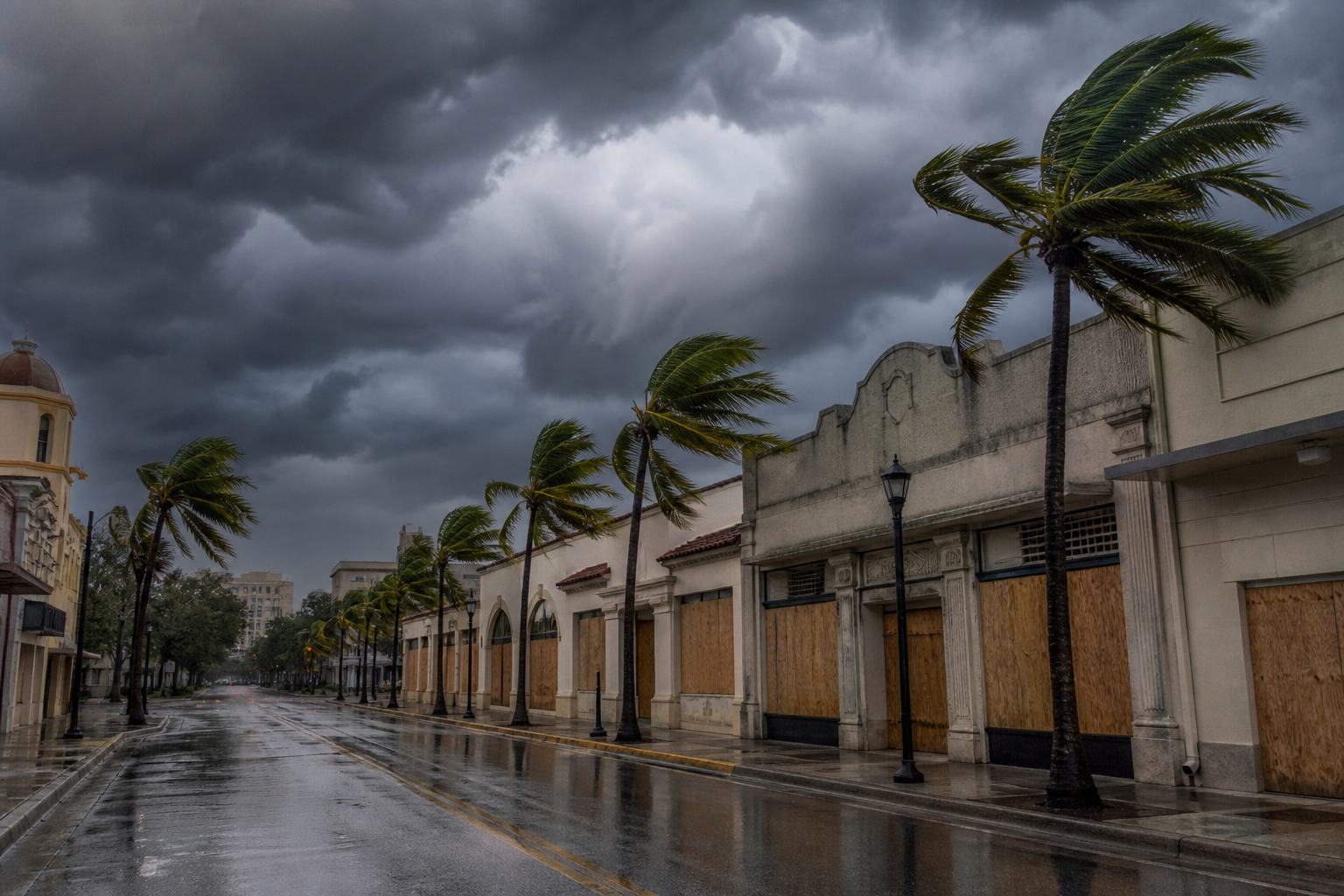
Florida’s insurance market has been under pressure for over a decade. The state’s home insurance market, for example, has contracted sharply, with active policies dropping by 78% over the last ten years. This decline reflects broader difficulties insurers face in managing risks in Florida’s hurricane-prone environment and legal system challenges. The combination of frequent severe weather events and a litigious landscape has created a perfect storm for insurers, leading to increased premiums and, in many cases, a withdrawal from the market altogether.
Despite these hurdles, recent legislative reforms aimed at curbing legal system abuse and fraudulent claims have begun to stabilize the property and casualty insurance market. These changes help insurers feel more confident about underwriting policies in Florida, which can benefit businesses like grocery stores seeking reliable coverage. The reforms include measures to limit attorney fees in certain cases and enhance transparency in claims processing, which are crucial steps toward restoring faith in the insurance system. As a result, insurers are starting to re-enter the market, offering more competitive rates and coverage options for small businesses.
Still, grocery store owners must remain vigilant. The personal property insurance market in Florida reported its first underwriting profit after eight consecutive years of losses in 2024, signaling some improvement but also highlighting the volatility that has marked the market for years. Understanding these dynamics helps store owners anticipate potential rate changes and coverage conditions. Furthermore, grocery stores, which often carry substantial inventories and equipment, are particularly vulnerable to disruptions caused by natural disasters. Therefore, maintaining an ongoing dialogue with insurance agents and staying informed about market trends is essential for these business owners to protect their investments effectively.
In addition to legislative reforms, the role of technology in the insurance market cannot be overlooked. Insurers are increasingly leveraging data analytics and predictive modeling to assess risk more accurately and tailor policies to meet the specific needs of Florida businesses. This technological shift not only enhances underwriting practices but also improves customer service, allowing grocery store owners to receive quicker responses to claims and inquiries. As the market continues to evolve, staying abreast of these innovations will be vital for grocery store operators looking to navigate the complexities of Florida's insurance landscape.
For more on Florida’s insurance market stabilization efforts, see the
Triple-I report on legislative reforms.

By: Montreal Morand
Founder & Managing Partner
Macpherson Insurance Agency
Protecting Grocery Store Staff with Workers’ Compensation
Employees are the backbone of any grocery store. Protecting them with adequate workers’ compensation insurance is a legal requirement in Florida and a vital step in managing risk. Grocery store work involves physical tasks like stocking shelves, operating machinery, and managing deliveries, all of which carry injury risks. The bustling environment of a grocery store can lead to a variety of hazards, from wet floors to heavy lifting, making it essential for employers to prioritize safety and health protocols. Training programs that educate staff on safe handling practices and proper equipment usage can significantly reduce the likelihood of accidents occurring.
Workers’ compensation insurance covers medical expenses and lost wages if an employee is injured on the job. Given the physical nature of grocery work, claims can range from minor slips to more serious accidents involving heavy equipment. Having this coverage not only safeguards employees but also protects the store from costly lawsuits. Furthermore, the presence of a robust workers’ compensation policy can enhance employee morale, as staff members feel more secure knowing that their well-being is taken seriously. Regular safety audits and a culture of open communication about workplace hazards can further reinforce this sense of security and responsibility.
Florida’s insurance market challenges can affect workers’ compensation rates, but legislative efforts to reduce fraud and legal abuses have helped stabilize premiums. This means grocery store owners may find more predictable and affordable options than in recent years. Additionally, some grocery chains are exploring alternative risk management strategies, such as self-insurance or participation in group purchasing arrangements, to further control costs. By taking proactive measures to ensure a safe working environment and investing in comprehensive training, grocery store owners can not only comply with legal requirements but also foster a culture of safety that benefits everyone involved.
Inventory Insurance: Managing Shrinkage and Stock Loss
Inventory is the lifeblood of any grocery store. Losses due to theft, spoilage, or inaccurate inventory records can quickly erode profits. Studies show that performing regular inventory audits can lead to an 11% sales lift, especially by addressing negative inventory record inaccuracies. This highlights the importance of not only insurance but also strong inventory management practices. Implementing technology such as barcode scanning and inventory management software can streamline this process, allowing for real-time tracking of stock levels and reducing human error. Additionally, training staff on proper inventory handling and security measures can further mitigate risks associated with shrinkage.
Insurance policies that cover inventory losses protect against risks like theft, fire, water damage, and spoilage. For Florida grocery stores, weather-related risks such as hurricanes and flooding are critical considerations. Ensuring that inventory insurance covers these perils can mean the difference between a manageable loss and a business-ending disaster. Furthermore, understanding the specific terms of an insurance policy is essential; for instance, some policies may have exclusions for certain types of spoilage or may require specific preventive measures to be in place. Grocery store owners should also consider the importance of having a robust disaster recovery plan that complements their insurance coverage, ensuring that they can quickly resume operations after an incident.
Given the resilience of the grocery industry in Florida, as noted by Lorena Holley, VP and general counsel for the Florida Retail Federation, investing in comprehensive inventory insurance is a smart move to maintain stability and growth despite market fluctuations. The grocery sector has shown remarkable adaptability, with many stores enhancing their online shopping and delivery services in response to changing consumer behaviors. This shift not only helps to mitigate losses but also opens up new revenue streams, making it even more crucial to protect inventory through insurance. As grocery stores continue to evolve, staying informed about the latest trends and risks will be vital for long-term success.
Learn more about the grocery industry’s resilience in Florida
from the Florida Retail Federation.
Property Insurance: Safeguarding Your Store’s Physical Assets
Property insurance is essential for protecting the physical structure of a grocery store, as well as fixtures, equipment, and signage. Florida’s property insurance rates have increased significantly in recent years, with statewide increases around 30% and even higher spikes of 40% in Central Florida since 2022. These hikes reflect the growing risks from natural disasters and market instability.
Securing property insurance that adequately covers rebuilding costs and equipment replacement is critical. Grocery stores often have expensive refrigeration units, shelving, and technology systems that require coverage beyond basic property policies. Specialized endorsements or commercial property insurance can fill these gaps.
The quality of insurers in Florida varies widely. Many small insurers are financially weak and may not meet federal guidelines to back mortgages, which raises concerns about their ability to pay claims. Choosing a financially stable insurer is crucial to ensure claims are handled promptly and fairly.
For insights into insurer quality in Florida, see this study on Florida’s insurance market quality.
In addition to the basic coverage, grocery store owners should consider the potential impact of business interruption insurance. This type of coverage can provide crucial financial support in the event that a store must close for repairs or due to damage from a natural disaster. For instance, if a hurricane damages the building, business interruption insurance can help cover lost income and ongoing expenses, allowing the store to recover more quickly and resume operations without suffering devastating financial losses.
Moreover, as grocery stores are often at the forefront of community support, having robust property insurance can also enhance their reputation. Customers tend to feel more secure shopping at stores that demonstrate a commitment to safety and preparedness. By investing in comprehensive insurance, grocery store owners not only protect their assets but also reassure their customers that they are taking proactive steps to ensure the store's longevity and reliability in the community.
Auto Insurance Considerations for Grocery Stores
Many grocery stores operate delivery vehicles or fleet vehicles for business purposes. Auto insurance tailored to commercial needs covers liability, physical damage, and medical expenses related to these vehicles. In Florida, auto insurance rates have recently seen reductions, with some companies lowering rates by more than 20% on average since October 2024. This trend could make commercial auto insurance more affordable for grocery stores.
Choosing the right auto insurance coverage involves assessing risks such as delivery routes, driver safety programs, and vehicle types. Comprehensive coverage ensures that accidents or theft do not disrupt business operations or lead to unexpected expenses.
Stay updated on auto insurance trends to take advantage of potential savings and better coverage options.
More on recent auto insurance rate changes can be found in this
State Farm report on rate reductions.
Strategies for Managing Insurance Costs and Risks
With insurance rates rising and market conditions fluctuating, grocery store owners must be proactive in managing costs and risks. Regularly reviewing policies, comparing insurers, and working with knowledgeable brokers can uncover better coverage options and savings.
Investing in risk management practices, such as employee safety training, inventory audits, and property maintenance, can reduce claims and improve insurer confidence. For example, addressing inventory inaccuracies not only boosts sales but also lowers insurance risk.
Understanding Florida’s evolving insurance landscape and legislative reforms helps grocery store owners anticipate changes and adapt their coverage accordingly. Staying informed about market trends and insurer stability is key to long-term protection.
Coverage Comparison: Key Insurance Types for Florida Grocery Stores
| Insurance Type | What It Covers | Why It Matters for Grocery Stores | Typical Risks Covered |
|---|---|---|---|
| Workers’ Compensation | Employee injuries and related medical costs | Protects staff and limits liability for workplace accidents | Slips, falls, equipment injuries |
| Inventory Insurance | Loss or damage to stock and supplies | Prevents financial loss from theft, spoilage, or damage | Theft, fire, water damage, spoilage |
| Property Insurance | Building, fixtures, equipment | Covers repair or replacement costs after disasters or accidents | Hurricanes, fire, vandalism |
| Commercial Auto Insurance | DaBusiness vehicles and liability ve | Protects delivery and fleet vehicles from accidents or theft | Collision, theft, liability claims |
Before You Go: Key Takeaways for Florida Grocery Store Owners
Insurance is a vital tool for grocery stores to manage risks and protect their business assets. Florida’s insurance market has faced significant challenges, but recent reforms and market shifts offer some optimism. Understanding the nuances of workers’ compensation, inventory, property, and auto insurance helps store owners build a comprehensive protection plan.
Regular audits, risk management practices, and choosing financially stable insurers can reduce costs and improve coverage reliability. Staying informed about market trends and legislative changes is essential to navigating Florida’s complex insurance environment.
By prioritizing insurance and risk management, grocery stores can focus on what matters most: serving their communities and growing their business.
Frequently Asked Questions
Q: What type of insurance is required for grocery store employees in Florida?
A: Workers’ compensation insurance is mandatory and covers medical costs and lost wages if employees are injured on the job.
Q: How can grocery stores protect their inventory from loss?
Inventory insurance covers losses from theft, spoilage, or damage. Regular inventory audits also help reduce shrinkage and improve sales.
Q: Why are property insurance rates rising in Florida?
Rates have increased due to higher risks from natural disasters and market instability, with some areas seeing increases up to 40% since 2022.
Q: Are there any recent improvements in Florida’s insurance market?
Yes. Legislative reforms have helped stabilize the market by reducing legal abuses and fraudulent claims, improving insurer confidence.
Q: Should grocery stores consider commercial auto insurance?
Yes. If your store uses vehicles for deliveries or business operations, commercial auto insurance protects against accidents, theft, and liability.
Q: How can grocery store owners lower their insurance costs?
Implementing safety training, conducting regular inventory audits, and working with experienced brokers can help reduce premiums and improve coverage.
ABOUT THE AUTHOR:
MONTREAL MORAND
With over 20 years of leadership experience in the insurance industry, I’ve dedicated my career to helping clients and agents make informed, confident decisions about their coverage. I’ve led high-performing teams, managed more than $128 million in premium, and earned multiple national awards for excellence. Today, my mission remains the same — to educate, empower, and provide dependable protection for the communities we serve.
Contact Us
Protect the Things That Matter Most
Reliable Coverage for Your Home & Lifestyle
Home Insurance
Protect your home, belongings, and personal liability with reliable coverage.
Stronger Coverage for Your Operations
Essential Protection for Your Company
Coverage built for businesses that depend on people, property, and equipment.
Industries We Support
Insurance for Everyday Local Businesses
Simple, reliable protection for the people who keep our communities running.
Plumbers
Plumbers Insurance
Protection for job-site hazards, tools, and customer property.
Restaurants
Restaurants Insurance
Coverage for fire risks, food inventory, and general liability.
HVAC Contractors
HVAC Contractors Insurance
Insurance for service vehicles, equipment, and installation risks.




Frequently Asked Questions
Helpful Answers to Common Questions
Quick guidance to help you understand your coverage.
What types of insurance does Macpherson Insurance Agency offer?
We provide both personal and commercial insurance solutions. On the personal side: homeowners, automobile, condo, renters, windstorm, flood, excess flood, and more. On the commercial side: general liability, property, inland marine, ocean marine, workers compensation, and more.
Do you specialize in homeowners insurance in South Florida?
Yes. We specialize in homeowners coverage in South Florida and work with multiple carriers based on your property’s age, location and replacement cost.
What does “replacement cost” mean in a policy?
Replacement cost is the cost to rebuild your home to the same standard it had before a loss — not the market value of your property.
Why is it important that my insurer is licensed in Florida?
Licensed Florida insurers are continuously monitored for financial stability — if one fails, the Florida Insurance Guaranty Fund may reimburse insureds for unpaid claims up to a limit.
Can I lower my homeowners premium with discounts?
Yes — mitigation features like impact glass, storm shutters, roof straps, and approved sheathing may qualify you for significant credit reductions.
Do you offer payment plans or premium financing?
Yes. In many cases, payment plans and premium financing are available to make coverage more affordable and manageable over time.
From the Blog
Helpful Tips & Insurance Guidance
Articles created to make insurance easier to understand.








Contact Us
Phone
Location