
Florida's waste hauling and recycling industry operates under a unique set of pressures that most other states simply don't share. Between hurricane seasons that can shut down operations for weeks, saltwater corrosion eating through fleet vehicles, and some of the strictest
environmental enforcement in the Southeast, the margin for error is razor thin. A single pollution incident near the Everglades or a rollover on I-95 can generate claims that dwarf an entire year's revenue. That's why waste hauling and recycling business insurance in Florida isn't just a line item on your budget : it's the backbone of your company's survival. Operators who treat coverage as an afterthought often discover the hard way that a
standard commercial policy won't cut it for this industry. The combination of
heavy equipment, hazardous materials, high employee injury rates, and Florida-specific environmental laws creates a risk profile that demands specialized attention. If you're running a hauling or recycling operation anywhere from Jacksonville to the Keys, understanding your insurance needs isn't optional. It's the difference between weathering a crisis and closing your doors.
The Evolving Risk Landscape for Florida Waste and Recycling
Florida's waste management sector has grown rapidly alongside the state's booming population. More residents mean more municipal solid waste, more construction debris, and more recyclable material flowing through facilities from Tampa Bay to Palm Beach County. That growth brings opportunity, but it also compounds risk. Operators are handling larger volumes, running bigger fleets, and managing facilities that process materials around the clock.
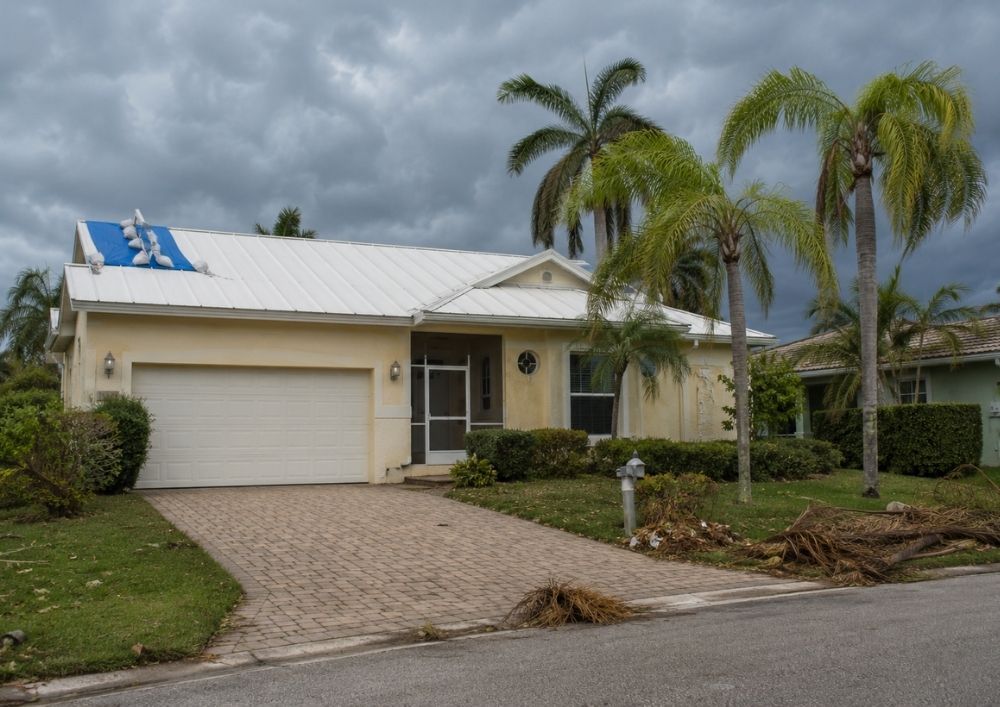
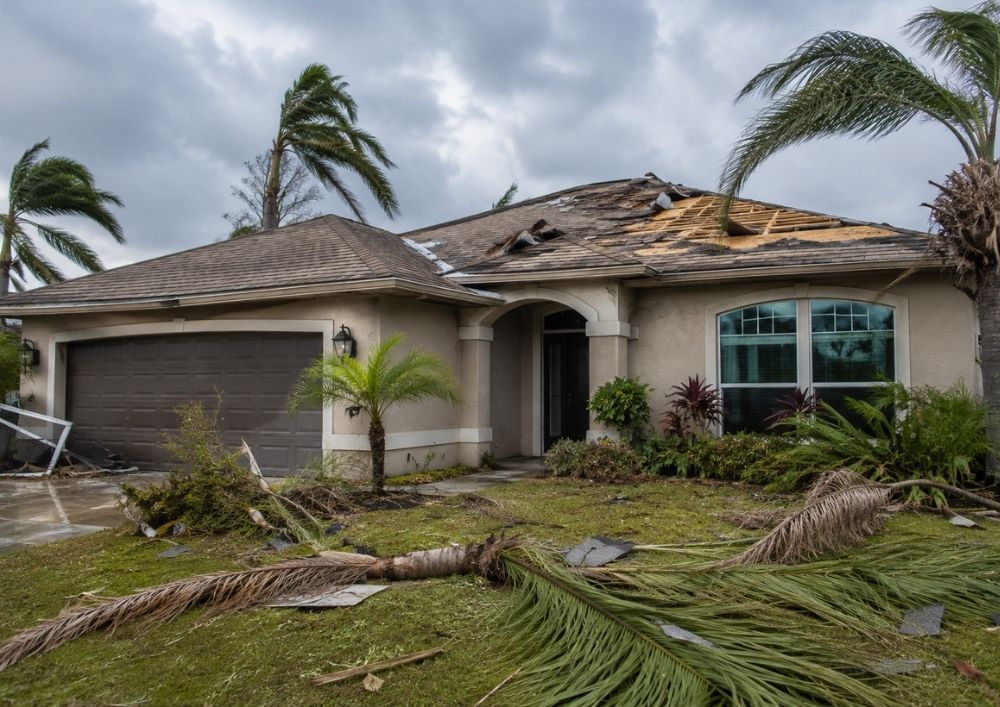
The risk profile for these businesses has shifted over the past decade. Lithium-ion batteries showing up in recycling streams have introduced fire risks that didn't exist fifteen years ago. Climate patterns are intensifying, with hurricane seasons producing more Category 4 and 5 storms that can destroy transfer stations and scatter hazardous materials across communities. Your insurance program needs to account for these evolving threats, not just the ones that existed when you first got your policy.
Unique Environmental Hazards in the Sunshine State
Florida's geography creates hazards you won't find in landlocked states. The high water table across much of South Florida means that any spill, whether diesel fuel from a collection truck or leachate from a processing facility, can reach groundwater fast. Contamination near areas like the Biscayne Aquifer, which supplies drinking water to millions in Miami-Dade and Broward counties, triggers immediate regulatory action and massive remediation costs.
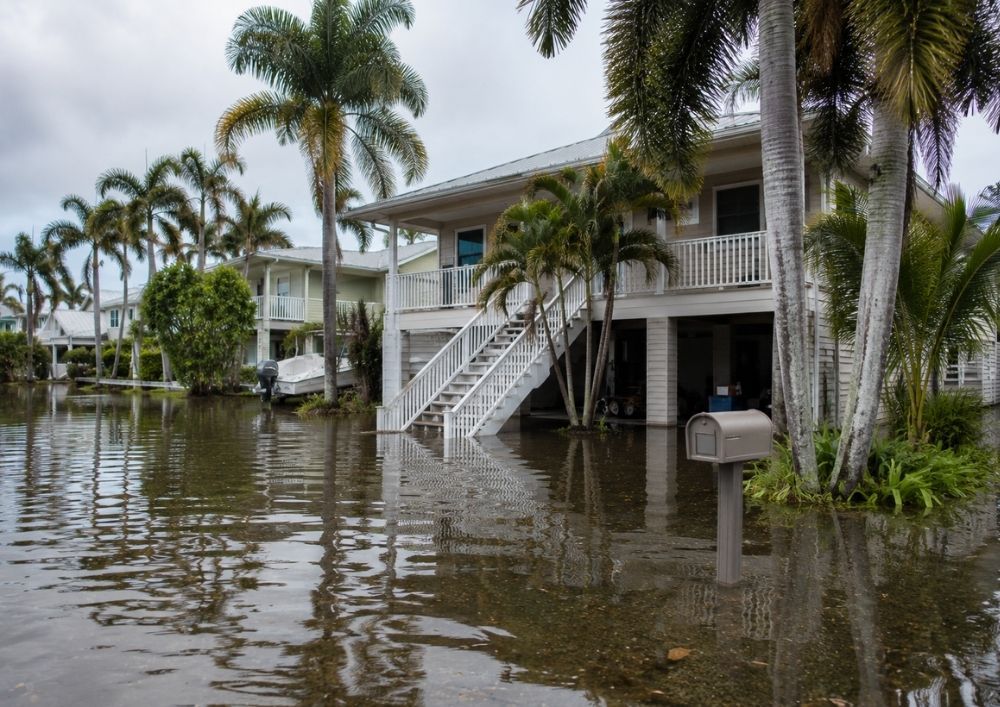
Saltwater air corrodes vehicle undercarriages and container walls, accelerating equipment failure. Frequent afternoon thunderstorms create slippery conditions for drivers hauling heavy loads on highways like the Florida Turnpike. Hurricane storm surge can flood recycling facilities and scatter stored materials into surrounding neighborhoods, creating both environmental liability and third-party property damage claims.
Regulatory Compliance and DEP Standards
The Florida Department of Environmental Protection (DEP) holds waste operators to strict permitting and operational standards. Solid waste management facilities must comply with Chapter 62-701 of the Florida Administrative Code, which governs everything from liner systems to closure requirements. Violations can result in fines exceeding $10,000 per day.
Your insurance policy should align with DEP requirements. Many permits require proof of financial assurance for closure and post-closure care, and certain pollution liability policies can satisfy those obligations. If you're transporting hazardous waste, you'll also need to meet federal RCRA requirements and carry specific coverage thresholds. Falling out of compliance doesn't just mean fines : it can mean losing your operating permit entirely.

By: Montreal Morand
Founder & Managing Partner
Macpherson Insurance Agency
Essential Coverage Types for Hauling Operations
Building the right insurance program for a Florida waste hauler means layering multiple coverage types. No single policy covers everything. The goal is eliminating gaps where a claim could fall through and land directly on your balance sheet.
Commercial Auto and Fleet Liability
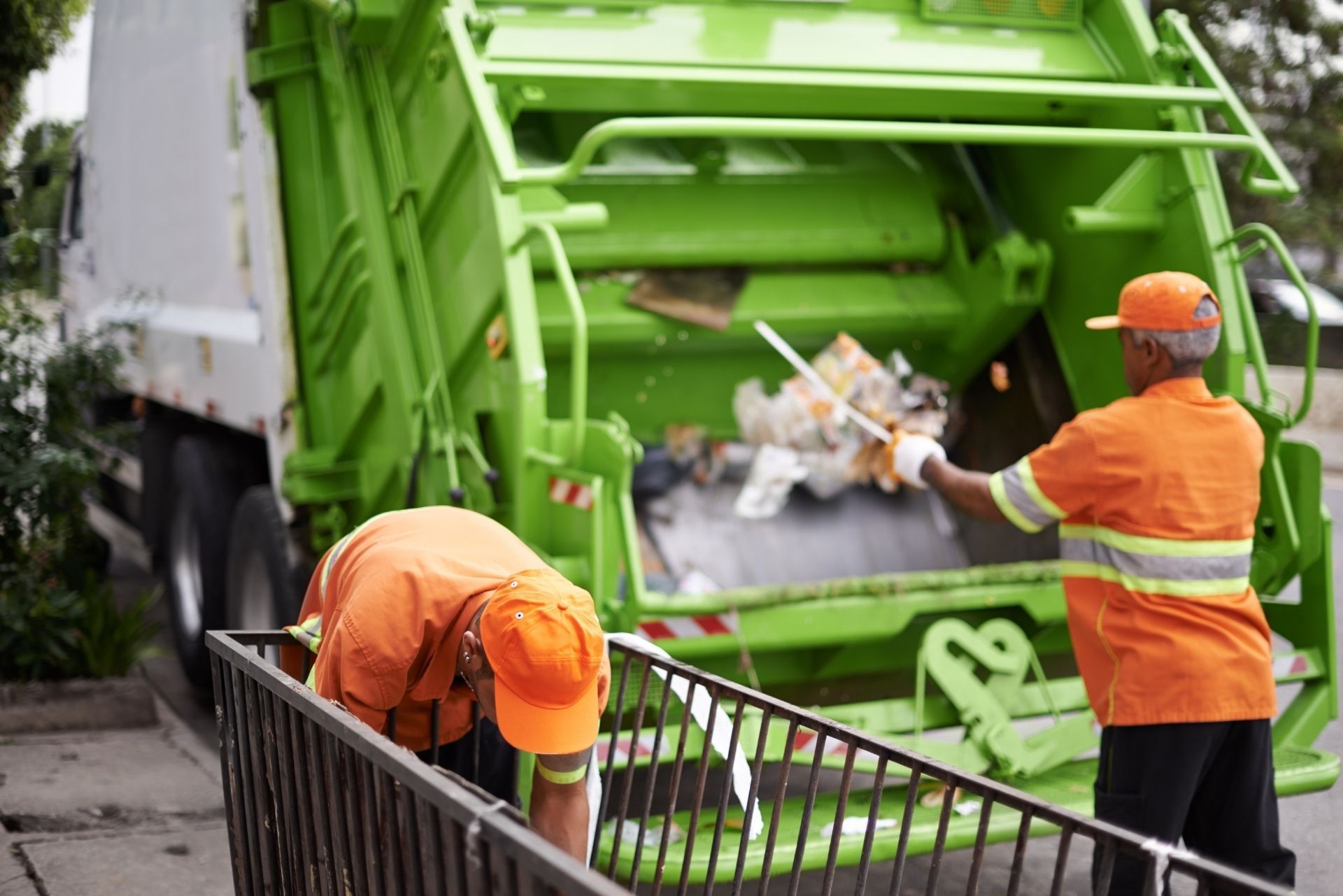
Your trucks are your business, and they're also your biggest liability exposure. A fully loaded rear-loader or roll-off truck weighing 60,000 pounds can cause catastrophic damage in a collision. Florida requires minimum commercial auto liability limits, but those minimums are far too low for waste hauling operations. Most brokers recommend carrying at least $1 million in combined single limits, with many municipal contracts requiring $5 million or more.
Here's a comparison of typical coverage tiers :
| Coverage Element | Basic Tier | Extended Tier |
|---|---|---|
| Auto Liability Limit | $1M CSL | $5M CSL |
| Physical Damage | Actual cash value | Agreed value |
| Hired/Non-Owned Auto | Not included | Included |
| MCS-90 Endorsement | Not included | Included for hazmat |
| Trailer Interchange | Not included | Included |
Don't overlook hired and non-owned auto coverage. If you're using subcontracted drivers or renting equipment during peak season, gaps in this area can leave you exposed.
Pollution and Environmental Impairment Liability
Standard general liability policies exclude pollution events. That's a massive gap for any waste operation. A hydraulic line rupture on a collection truck that spills fluid into a storm drain near Brickell, or a leachate leak at your transfer station, won't be covered under your GL policy.
Environmental impairment liability (EIL) policies cover both sudden and gradual pollution events, including remediation costs, third-party bodily injury, and legal defense. Premiums vary widely based on the materials you handle, but expect to pay between $5,000 and $25,000 annually for a mid-sized hauling operation. Carriers will want to see your spill response plan, employee training records, and DEP compliance history before quoting.
General Liability and Property Coverage
General liability protects against third-party bodily injury and property damage claims unrelated to pollution or auto incidents. Think of a visitor slipping at your facility or a customer's property being damaged during a container swap. Typical policies start at $1 million per occurrence with a $2 million aggregate.
Property coverage should account for Florida-specific perils. Standard policies often exclude windstorm damage, so you'll likely need a separate wind policy or a named-storm deductible. If your facility is in a flood zone, and many along the coast are, you'll need a flood policy through the NFIP or a private carrier. Equipment like balers, sorting lines, and compactors should be scheduled at replacement cost, not actual cash value.
Addressing Workers' Compensation and Safety Protocols
Florida law requires workers' compensation coverage for any construction-related employer with one or more employees, and for non-construction businesses with four or more employees. Waste hauling often straddles both categories, so most operators need coverage regardless of crew size.
Managing High-Risk Occupational Hazards
Waste collection and recycling rank among the most dangerous occupations in the country. Workers face crush injuries from compaction mechanisms, needlestick injuries from improperly disposed medical waste, and repetitive strain from manual sorting. Heat-related illness is a constant concern in Florida's summer months, particularly for crews working routes in areas like Orlando or Fort Myers where temperatures regularly exceed 95 degrees.
A common claim scenario : a sorter at a material recovery facility suffers a deep laceration from broken glass hidden in a bale of recyclables. The resulting medical bills, lost wages, and potential infection complications can easily exceed $50,000. Implementing proper PPE requirements, regular safety training, and documented protocols reduces both injury frequency and your experience modification rate.
Impact of Florida's Labor Laws on Premiums
Florida's 2023 tort reform (HB 837) brought meaningful changes that affect insurance costs. The shift from a pure comparative negligence standard to a modified comparative fault system means plaintiffs who are more than 50% at fault can no longer recover damages. This has started to reduce some liability premiums, with early estimates suggesting savings of 10-15% for certain commercial lines.
Workers' comp classification codes for waste hauling carry high base rates. Code 7590 (garbage collection) typically runs between $5 and $8 per $100 of payroll. Maintaining a low experience modification factor through strong safety programs is the most direct way to control these costs. Every dollar you invest in loss prevention pays dividends at renewal time.

Mitigating Risks in Recycling and Material Recovery Facilities
Recycling facilities face a distinct set of risks that differ from collection operations. The concentration of combustible materials, heavy machinery, and processing chemicals creates an environment where incidents can escalate quickly.
Fire Hazards and Thermal Runaway Prevention
Lithium-ion batteries are the number one fire threat in recycling facilities nationwide. When these batteries are crushed or punctured during sorting, they can enter thermal runaway, generating temperatures exceeding 1,000 degrees Fahrenheit. Facilities in Florida have reported multiple battery-related fires, some causing over $500,000 in damage.
Insurers increasingly require fire suppression systems, thermal imaging cameras on sorting lines, and documented battery diversion protocols before they'll write coverage. If your facility doesn't have these safeguards, expect higher premiums or outright declinations. Investing $20,000-$50,000 in early detection systems can save you from a total loss.
Equipment Breakdown and Business Interruption
A single baler or optical sorter going down can halt your entire processing line. Equipment breakdown coverage, sometimes called boiler and machinery insurance, pays for the repair or replacement of mechanical and electrical equipment that fails due to internal causes. Standard property policies don't cover this.
Pair equipment breakdown with business interruption coverage to replace lost income during downtime. A two-week shutdown at a mid-sized MRF processing 200 tons per day can mean $150,000 or more in lost revenue. Make sure your policy's waiting period and coverage duration match your realistic recovery timeline.
Florida's insurance market has tightened considerably since 2020. Several carriers have pulled out of the state entirely, and those remaining are being selective about the risks they'll write. Understanding what drives your premiums gives you the ability to control costs.
Telematics and Fleet Safety Technology
Installing telematics in your fleet vehicles does more than track routes. Carriers view GPS monitoring, dashcams, and driver behavior scoring as strong risk mitigation tools. Fleets using telematics typically see premium reductions of 8-12% compared to unmonitored operations.
Forward-facing and cab-facing cameras are particularly valuable. In Florida's litigious environment, video evidence can resolve disputed claims quickly and prevent fraudulent lawsuits. One waste hauler in the Tampa area avoided a $300,000 claim after dashcam footage proved their driver wasn't at fault in an intersection collision.
Claims History and Loss Control Strategies
Your loss history over the past three to five years is the single biggest factor in your premium calculation. Carriers scrutinize both frequency and severity. Multiple small claims can be more damaging to your renewal than one large claim, because they suggest systemic safety problems.
Proactive loss control measures include regular vehicle inspections, documented driver training programs, pre-trip and post-trip checklists, and quarterly safety audits. Some carriers offer premium credits for participating in their loss control programs. Take advantage of every credit available : they add up fast.
Securing the Right Policy for Long-Term Sustainability
Getting the right insurance coverage for your Florida waste and recycling operation isn't a one-time event. It's an ongoing process that should evolve as your business grows, regulations change, and new risks emerge. Review your policies annually with a broker who specializes in environmental and transportation risks, not a generalist who writes a little bit of everything.
Start by auditing your current coverage against the specific exposures outlined above. Check for pollution exclusions in your GL policy, verify your auto limits meet contract requirements, and confirm your property coverage accounts for windstorm and flood. If you're operating a recycling facility, make sure your fire prevention measures meet carrier expectations.
The operators who thrive long-term in Florida's waste industry are the ones who treat insurance as a strategic investment. Work with a specialized broker, invest in safety technology, and build a culture of loss prevention. Your premiums, your employees, and your bottom line will all benefit.
Frequently Asked Questions About Florida Workers’ Compensation
Does my general liability policy cover a chemical spill from one of my trucks? Almost certainly not. Standard GL policies contain pollution exclusions. You'll need a separate environmental impairment liability or pollution liability policy to cover spill-related claims.
How much does fleet insurance typically cost for a small waste hauler in Florida? A fleet of five to ten collection trucks usually runs between $15,000 and $40,000 annually for commercial auto coverage, depending on driver records, vehicle age, and coverage limits.
Are lithium-ion battery fires covered under my property insurance? Most property policies cover fire damage regardless of the ignition source. However, carriers may impose higher deductibles or require specific fire prevention protocols for recycling facilities that process mixed streams.
Do I need workers' comp if I only have three employees? If your work involves any construction-related activity, including demolition debris hauling, Florida requires workers' comp with just one employee. Non-construction waste businesses need it at four or more employees.
Can telematics really lower my insurance premiums? Yes. Most carriers offer 8-12% discounts for fleets with active telematics and dashcam systems. The data also helps you defend against fraudulent claims, which keeps your loss history clean.
What happens if my DEP permit lapses and I have a claim? Operating without a valid permit can trigger policy exclusions and void certain coverages. Keep your permits current and provide copies to your insurer at every renewal.
ABOUT THE AUTHOR:
MONTREAL MORAND
With over 20 years of leadership experience in the insurance industry, I’ve dedicated my career to helping clients and agents make informed, confident decisions about their coverage. I’ve led high-performing teams, managed more than $128 million in premium, and earned multiple national awards for excellence. Today, my mission remains the same — to educate, empower, and provide dependable protection for the communities we serve.
Contact Us
Protect the Things That Matter Most
Reliable Coverage for Your Home & Lifestyle
Home Insurance
Protect your home, belongings, and personal liability with reliable coverage.
Stronger Coverage for Your Operations
Essential Protection for Your Company
Coverage built for businesses that depend on people, property, and equipment.
Industries We Support
Insurance for Everyday Local Businesses
Simple, reliable protection for the people who keep our communities running.
Plumbers
Plumbers Insurance
Protection for job-site hazards, tools, and customer property.
Restaurants
Restaurants Insurance
Coverage for fire risks, food inventory, and general liability.
HVAC Contractors
HVAC Contractors Insurance
Insurance for service vehicles, equipment, and installation risks.




Frequently Asked Questions
Helpful Answers to Common Questions
Quick guidance to help you understand your coverage.
What types of insurance does Macpherson Insurance Agency offer?
We provide both personal and commercial insurance solutions. On the personal side: homeowners, automobile, condo, renters, windstorm, flood, excess flood, and more. On the commercial side: general liability, property, inland marine, ocean marine, workers compensation, and more.
Do you specialize in homeowners insurance in South Florida?
Yes. We specialize in homeowners coverage in South Florida and work with multiple carriers based on your property’s age, location and replacement cost.
What does “replacement cost” mean in a policy?
Replacement cost is the cost to rebuild your home to the same standard it had before a loss — not the market value of your property.
Why is it important that my insurer is licensed in Florida?
Licensed Florida insurers are continuously monitored for financial stability — if one fails, the Florida Insurance Guaranty Fund may reimburse insureds for unpaid claims up to a limit.
Can I lower my homeowners premium with discounts?
Yes — mitigation features like impact glass, storm shutters, roof straps, and approved sheathing may qualify you for significant credit reductions.
Do you offer payment plans or premium financing?
Yes. In many cases, payment plans and premium financing are available to make coverage more affordable and manageable over time.
From the Blog
Helpful Tips & Insurance Guidance
Articles created to make insurance easier to understand.



Contact Us
Phone
Location