Florida’s art scene is vibrant and growing, with the industry projected to reach $456.2 million by 2025. This booming market, however, faces unique challenges when it comes to protecting valuable collections and exhibits. From climate risks to rising insurance premiums, art galleries in Florida must navigate a complex landscape to ensure their assets remain secure. Understanding how to tailor insurance coverage to these specific risks is essential for gallery owners and art dealers alike.
With Florida accounting for 76% of property-related insurer litigation in the United States in 2021, the stakes are high for property and art insurance in the state. This article explores the key factors influencing Florida art gallery insurance, highlighting how galleries can safeguard their collections against growing risks and rising costs. For galleries seeking to stay ahead, insights from industry experts and market trends offer a clear path forward.
Florida’s insurance litigation landscape sets the stage for understanding these challenges.
Understanding the Unique Risks Facing Florida Art Galleries
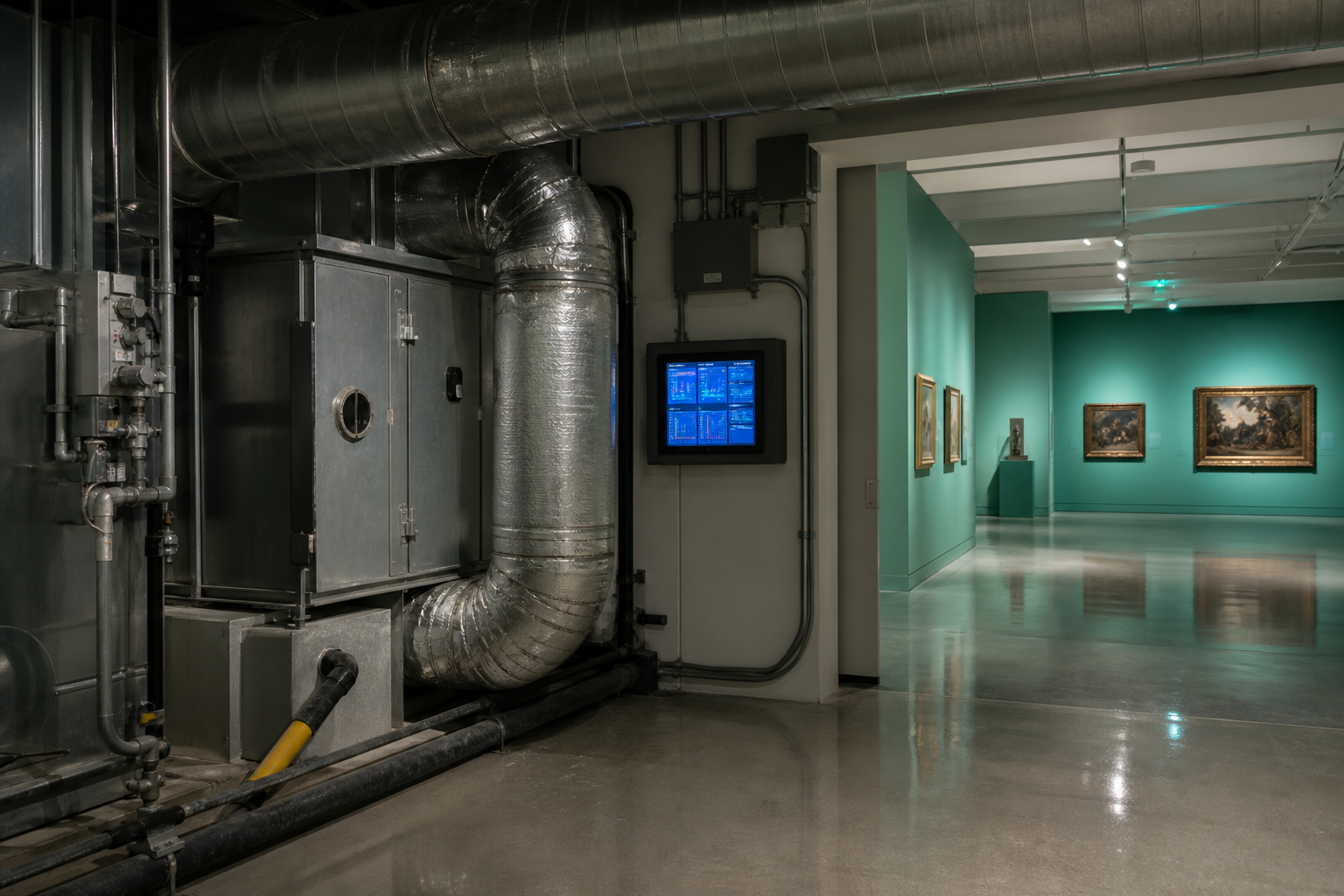
Florida’s climate and legal environment create a perfect storm of risks for art galleries. The state’s susceptibility to hurricanes, flooding, and humidity poses a direct threat to delicate and high-value art pieces. Galleries must consider environmental controls and emergency preparedness as part of their risk management strategy. The implementation of advanced climate control systems, such as dehumidifiers and temperature regulation technologies, becomes essential not only for preserving the integrity of the artwork but also for ensuring a comfortable experience for visitors. Additionally, galleries should explore the use of smart technology to monitor environmental conditions in real-time, allowing for immediate adjustments to mitigate potential damage.
Legal risks compound these physical threats. Florida’s property insurance market has been under pressure due to a high volume of litigation, with the state responsible for over three-quarters of property-related insurer lawsuits nationwide in 2021. This litigation environment has led to rising insurance premiums, which directly impact galleries and collectors who require specialized coverage. The complexities of navigating this landscape necessitate that gallery owners stay informed about changes in legislation and insurance practices, as well as seek advice from legal professionals who specialize in art law. Furthermore, understanding the nuances of contracts and liability waivers can help galleries protect themselves from potential disputes.
Gallery owners should also be aware of the evolving expectations from insurers. According to Blythe Hogan of Aon Private Risk Management, insurers increasingly demand detailed, actionable emergency plans from collectors, especially in high-risk regions like Florida. This means galleries must not only insure their collections but also demonstrate proactive risk mitigation measures to qualify for coverage and favorable terms. Developing comprehensive emergency response plans that include evacuation procedures, communication strategies, and recovery protocols can serve as a vital component of a gallery's risk management framework.
Climate and Environmental Hazards
Florida’s warm, humid climate accelerates the deterioration of artworks, especially those made from organic materials like canvas, wood, and paper. Maintaining strict climate control within gallery spaces is essential to prevent damage from mold, mildew, and warping. Art galleries may also consider investing in specialized display cases that offer additional protection against environmental factors. These cases can be equipped with UV filters to shield artworks from harmful light exposure while maintaining optimal humidity levels. Moreover, regular maintenance and inspections of the gallery's infrastructure, including roofs and windows, can help prevent leaks and other issues that could compromise the safety of the collection.
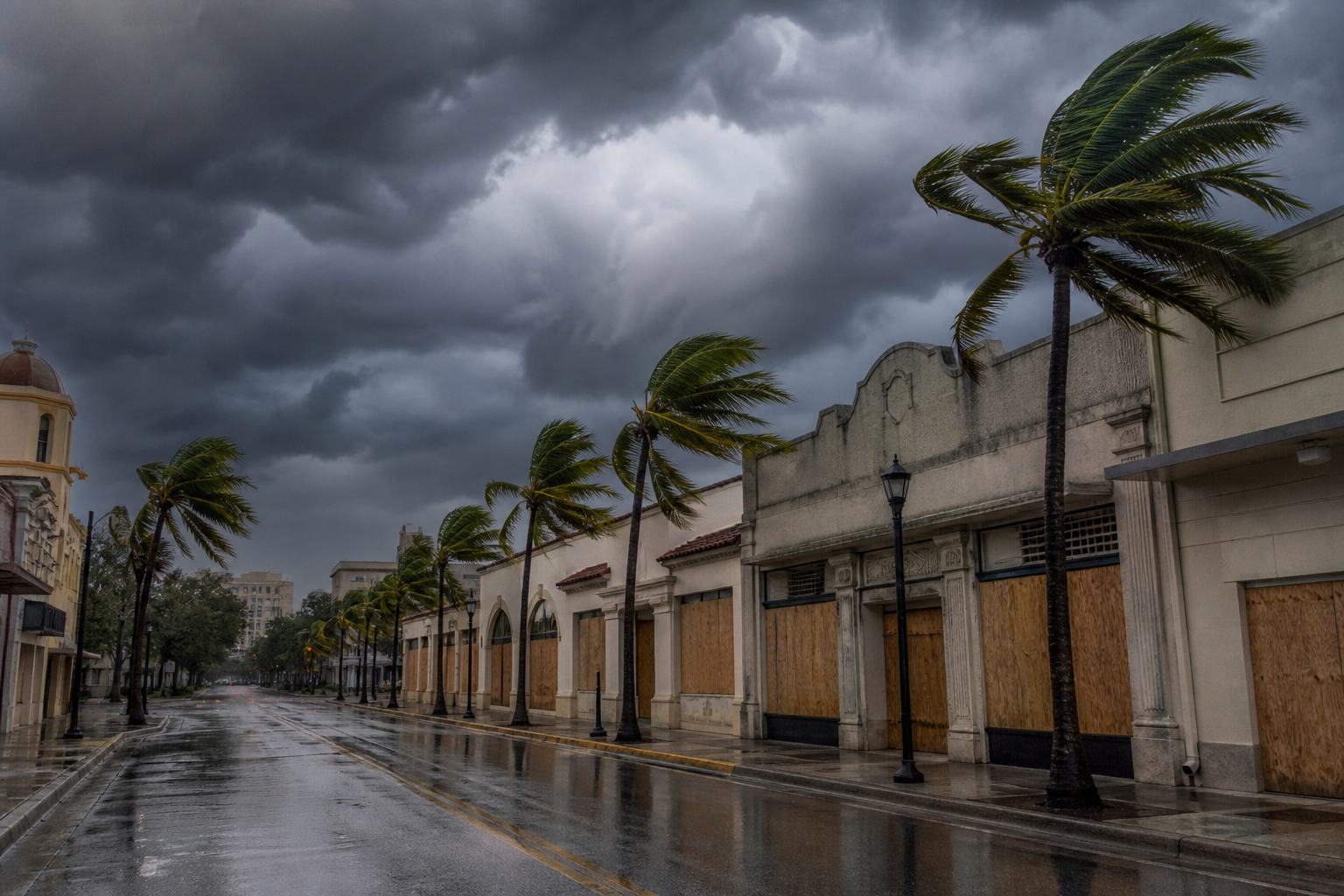
Hurricane season brings the risk of severe wind and water damage. Galleries located near coastal areas face heightened exposure to flooding and storm surges. Insurance policies need to address these specific perils, often requiring separate flood coverage or endorsements. In addition to insurance, galleries should develop a comprehensive disaster preparedness plan that includes securing artworks and valuable items well in advance of a storm. This could involve creating a detailed inventory of pieces, establishing a secure storage location, and training staff on emergency protocols. Engaging with local emergency management services can also provide galleries with valuable insights and resources for enhancing their resilience against climate-related disasters.
Legal and Litigation Pressures
The state’s insurance market has been shaped by legislative efforts such as the March 2023 bill signed by Governor Ron DeSantis aimed at reducing frivolous lawsuits. While intended to stabilize the market, this legislation has paradoxically contributed to increased premiums for homeowners and businesses alike, including art galleries. Understanding these regulatory shifts is crucial when negotiating insurance policies. Gallery owners must stay vigilant about their rights and responsibilities under the law, as well as the implications of any new regulations that may arise. Engaging with industry associations can provide galleries with resources and advocacy to navigate these challenges more effectively.

By: Montreal Morand
Founder & Managing Partner
Macpherson Insurance Agency
Tailoring Fine Art Insurance to Florida’s Market
Fine art insurance is no longer a one-size-fits-all product. Florida galleries must look for policies that reflect the state’s unique risks and legal environment. The global fine art insurance market, valued at $4.5 billion in 2023 and expected to grow to $8.3 billion by 2033, is evolving rapidly, incorporating new technologies and risk management standards.
Insurers now often use AI-assisted valuation tools and blockchain provenance verification to assess and verify artworks. Over 60% of leading insurers had adopted these technologies by 2025, enhancing accuracy and reducing fraud. Galleries can benefit from these advances by ensuring their policies reflect up-to-date valuations and secure ownership records.
Coverage Essentials for Florida Galleries
Standard fine art insurance covers theft, accidental damage, and natural disasters. However, galleries in Florida should consider additional protections such as:
- Flood and hurricane endorsements: Given Florida’s exposure, these are critical add-ons.
- Climate control damage coverage: Protection against damage caused by humidity or temperature fluctuations.
- Transit and exhibition coverage: For artworks loaned or transported outside the gallery.
- Emergency response planning: Insurers may require proof of detailed emergency procedures.
These specialized coverages help galleries manage the full spectrum of risks, reducing the likelihood of costly claims and premium hikes. Additionally, galleries should consider the implications of local environmental factors, such as the prevalence of saltwater exposure, which can accelerate deterioration of certain materials. By understanding these nuances, gallery owners can better tailor their insurance policies to safeguard their collections against specific threats unique to Florida's coastal climate.
Premium Trends and Cost Management
Insurance premiums in Florida are rising, especially in high-risk areas. William Fleischer, president of Bernard Fleischer & Sons, notes that residents in these zones face premium increases of up to 25% upon renewal. Galleries located in vulnerable regions should anticipate similar trends.
Proactive risk management can help control costs. Insurers reward galleries that implement robust security systems, climate control, and emergency plans. Working closely with insurers to tailor coverage and demonstrate risk mitigation is key to balancing protection with affordability. Furthermore, galleries should explore potential partnerships with local emergency services and disaster response organizations to enhance their preparedness. Such collaborations not only improve safety protocols but can also lead to favorable terms with insurers who value proactive risk management strategies.
For galleries seeking to understand market dynamics, the
recent legislative changes in Florida’s insurance market offer critical context on why premiums are shifting. These changes reflect a growing awareness of climate-related risks and the need for adaptive insurance solutions. As galleries navigate these evolving landscapes, staying informed about legislative developments and engaging with industry experts will be essential for securing the best possible coverage.
Integrating Technology and Risk Management in Art Insurance
Technology is reshaping how galleries insure and protect their collections. AI-powered valuation tools provide real-time, data-driven appraisals that reflect current market conditions. This reduces disputes over value and speeds up claims processing. By leveraging algorithms that analyze historical sales data and current trends, galleries can ensure that their artworks are accurately valued, thus avoiding underinsurance or overinsurance scenarios that can lead to financial losses.
Blockchain technology offers a secure way to verify provenance and ownership history. This transparency helps prevent fraud and theft, two major concerns in the art world. Galleries that adopt these technologies position themselves as lower-risk clients, often benefiting from better insurance terms. Furthermore, the integration of smart contracts within blockchain can automate transactions and claims processes, providing an additional layer of efficiency and security that traditional methods lack.
Emergency Preparedness and Insurer Expectations
Insurers now expect galleries to have actionable emergency plans. These include detailed procedures for natural disasters, theft, and accidental damage. Having a clear plan helps minimize losses and speeds up recovery efforts. Additionally, galleries are encouraged to conduct regular drills and training sessions to ensure that staff are familiar with emergency protocols, which can significantly enhance response times during actual incidents.
Blythe Hogan of Aon Private Risk Management highlights that in Florida, where risks are elevated, insurers are particularly focused on preparedness. Galleries that can demonstrate thorough emergency protocols are more likely to secure comprehensive coverage at competitive rates. This proactive approach not only reassures insurers but also instills confidence in clients and collectors, fostering a reputation for reliability and care in the management of valuable artworks.
Case Study: Implementing Risk Controls
A mid-sized Florida gallery recently upgraded its climate control systems, installed advanced security cameras, and developed a hurricane emergency response plan. These steps not only protected the collection but also resulted in a 15% premium discount when renewing their fine art insurance policy. The gallery also engaged in regular risk assessments, which allowed them to identify vulnerabilities and implement additional controls, such as enhanced fire suppression systems and improved lighting for security purposes.
This example illustrates how combining technology with practical risk management can deliver real financial benefits while safeguarding priceless artworks. Moreover, the gallery's commitment to ongoing education and training for its staff on the latest security technologies and risk management practices further solidifies its position as a leader in the art insurance landscape, setting a benchmark for other galleries to follow in the pursuit of excellence in art protection.
Florida’s Art Dealers Industry and Insurance Implications
The Florida art dealers industry supports nearly 2,000 establishments and employs over 2,400 people. As the market expands, so does the need for specialized insurance products that address the unique risks of art dealers and galleries.
Insurance policies must cover inventory in transit, consignment risks, and liability exposures related to sales and exhibitions. Dealers often require flexible coverage that adapts to fluctuating inventory values and temporary storage locations.
With the fine art insurance market expected to grow at a 6.5% compound annual growth rate through 2033, galleries and dealers who invest in tailored insurance solutions position themselves for long-term stability and growth. More details on the industry outlook can be found at IBISWorld’s Florida art dealers report.
Balancing Coverage and Cost
Art dealers must carefully balance comprehensive coverage with cost control. Given the rising premiums in Florida, working with brokers who understand the art market and local risks is essential. Customized policies that include transit insurance, storage coverage, and liability protection help dealers avoid gaps that could lead to significant financial losses.
Liability and Legal Considerations
Legal claims related to property damage or disputes over authenticity can be costly. Florida’s high litigation rates mean dealers and galleries should consider liability insurance that covers legal defense costs and settlements. This protection is especially important given the state’s ongoing efforts to curb frivolous lawsuits, which have nonetheless contributed to premium increases.
What Florida Galleries Should Do Next
Protecting high-value collections in Florida requires a proactive, informed approach. Galleries should start by assessing their unique risks, including environmental, legal, and operational factors. Consulting with insurance professionals who specialize in fine art coverage is critical to crafting a policy that fits these needs.
Investing in technology and risk management pays off. From AI valuation tools to emergency plans, these measures not only protect collections but also help control insurance costs. Staying informed about legislative changes and market trends ensures galleries remain prepared for shifts in the insurance landscape.
For galleries looking to deepen their understanding, resources like the insurance industry’s focus on risk management provide valuable insights into best practices and emerging trends.
Key Actions for Gallery Owners
- Conduct a thorough risk assessment focusing on climate, security, and legal exposure.
- Work with specialized brokers to customize fine art insurance policies.
- Implement and document emergency preparedness plans.
- Adopt technology solutions for valuation and provenance verification.
- Stay updated on Florida’s insurance market developments and legislation.
Final Thoughts
Florida’s art galleries operate in a challenging environment where climate risks and legal pressures intersect. Protecting valuable collections demands more than standard insurance-it requires a strategic blend of tailored coverage, risk management, and technology adoption. By understanding the evolving landscape and taking proactive steps, galleries can safeguard their treasures and thrive in this dynamic market.
Frequently Asked Questions
Q: Why are insurance premiums rising for Florida art galleries?
A: Premiums are increasing due to Florida’s high rate of property insurance litigation and the state’s exposure to climate risks like hurricanes and flooding.
Q: What special coverage should Florida galleries consider?
Flood and hurricane endorsements, climate control damage coverage, and transit insurance are important additions to standard fine art policies.
Q: How does technology help with art insurance?
AI valuation tools improve accuracy in appraisals, while blockchain ensures secure provenance verification, reducing fraud risk.
Q: What role do emergency plans play in insurance?
Insurers often require detailed emergency response plans to qualify for coverage and better premiums, especially in high-risk areas like Florida.
Q: Can galleries get discounts for risk management?
Yes. Galleries that invest in security systems, climate control, and documented emergency procedures may receive premium discounts.
Q: How does Florida’s legal environment affect art insurance?
High litigation rates and recent laws targeting frivolous lawsuits have led to increased premiums and more cautious underwriting.
Q: Is fine art insurance different from standard property insurance?
Yes. Fine art insurance covers unique risks such as transit damage, provenance disputes, and climate-related deterioration not typically included in standard policies.
ABOUT THE AUTHOR:
MONTREAL MORAND
With over 20 years of leadership experience in the insurance industry, I’ve dedicated my career to helping clients and agents make informed, confident decisions about their coverage. I’ve led high-performing teams, managed more than $128 million in premium, and earned multiple national awards for excellence. Today, my mission remains the same — to educate, empower, and provide dependable protection for the communities we serve.
Contact Us
Protect the Things That Matter Most
Reliable Coverage for Your Home & Lifestyle
Home Insurance
Protect your home, belongings, and personal liability with reliable coverage.
Stronger Coverage for Your Operations
Essential Protection for Your Company
Coverage built for businesses that depend on people, property, and equipment.
Industries We Support
Insurance for Everyday Local Businesses
Simple, reliable protection for the people who keep our communities running.
Plumbers
Plumbers Insurance
Protection for job-site hazards, tools, and customer property.
Restaurants
Restaurants Insurance
Coverage for fire risks, food inventory, and general liability.
HVAC Contractors
HVAC Contractors Insurance
Insurance for service vehicles, equipment, and installation risks.




Frequently Asked Questions
Helpful Answers to Common Questions
Quick guidance to help you understand your coverage.
What types of insurance does Macpherson Insurance Agency offer?
We provide both personal and commercial insurance solutions. On the personal side: homeowners, automobile, condo, renters, windstorm, flood, excess flood, and more. On the commercial side: general liability, property, inland marine, ocean marine, workers compensation, and more.
Do you specialize in homeowners insurance in South Florida?
Yes. We specialize in homeowners coverage in South Florida and work with multiple carriers based on your property’s age, location and replacement cost.
What does “replacement cost” mean in a policy?
Replacement cost is the cost to rebuild your home to the same standard it had before a loss — not the market value of your property.
Why is it important that my insurer is licensed in Florida?
Licensed Florida insurers are continuously monitored for financial stability — if one fails, the Florida Insurance Guaranty Fund may reimburse insureds for unpaid claims up to a limit.
Can I lower my homeowners premium with discounts?
Yes — mitigation features like impact glass, storm shutters, roof straps, and approved sheathing may qualify you for significant credit reductions.
Do you offer payment plans or premium financing?
Yes. In many cases, payment plans and premium financing are available to make coverage more affordable and manageable over time.
From the Blog
Helpful Tips & Insurance Guidance
Articles created to make insurance easier to understand.



Contact Us
Phone
Location