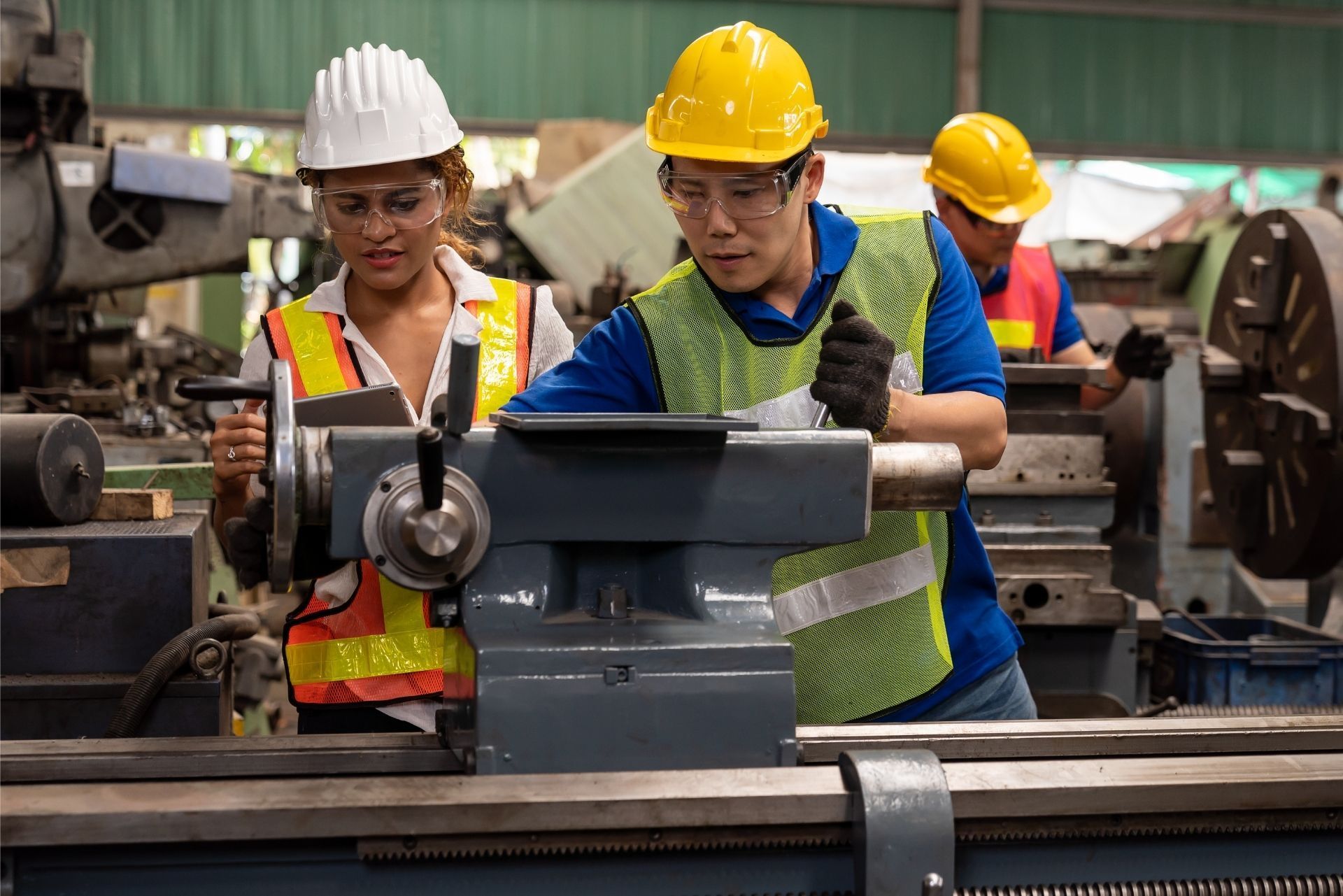
When a single machine breaks down or a worker suffers an injury, the ripple effects can stretch far beyond the factory floor. Manufacturing businesses face unique risks every day-from costly equipment damage to workforce challenges and property losses. Understanding how insurance fits into this picture is essential for protecting what matters most. In 2024, global insured losses reached a staggering $140 billion, the highest since 2017, underscoring just how critical comprehensive coverage has become for manufacturers and industrial operations alike.
Munich Re reports this alarming trend, highlighting the need for tailored insurance solutions that keep pace with evolving risks.
Why Manufacturing Insurance Is Different
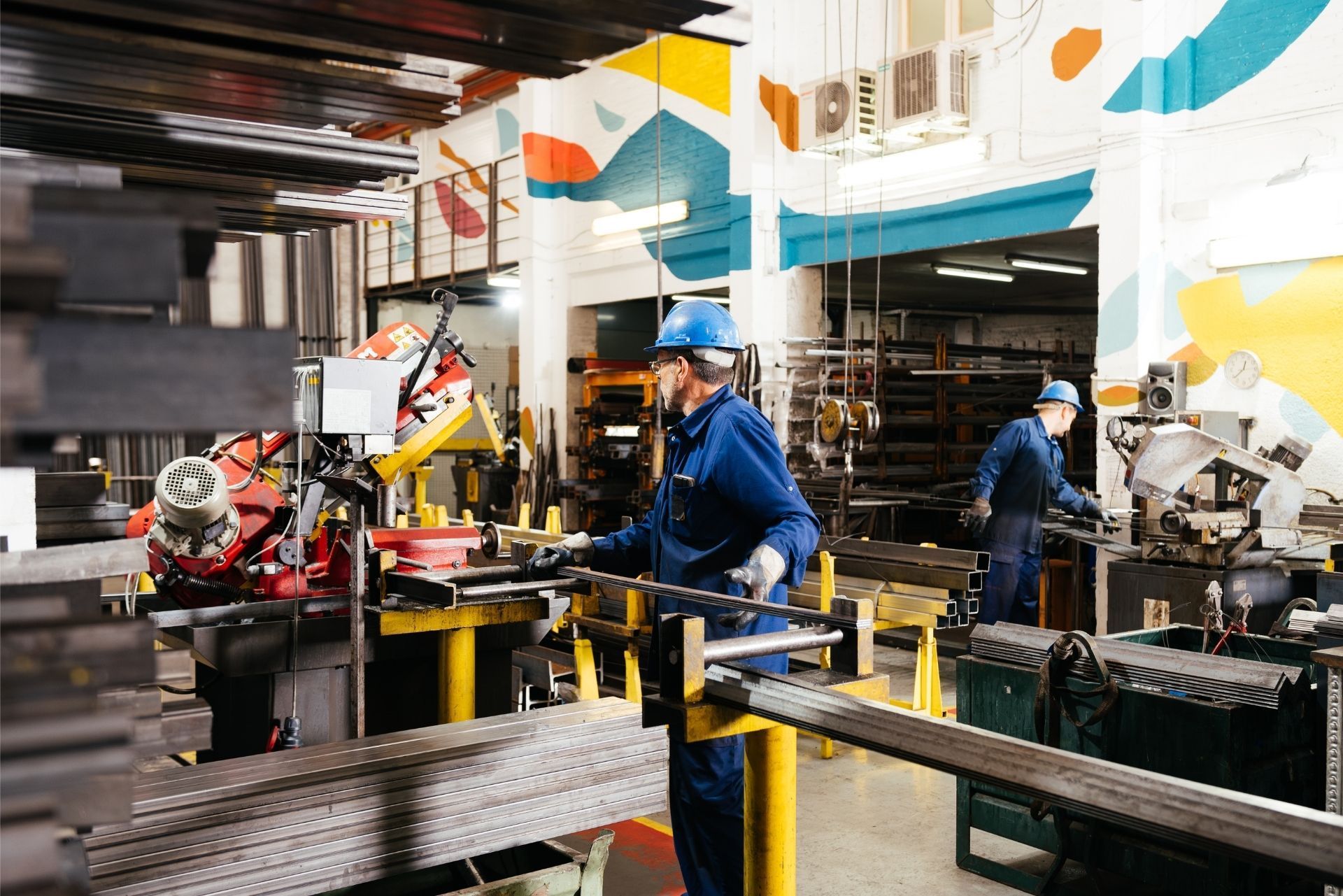
Manufacturing is not just about producing goods; it’s about managing complex machinery, skilled labor, and often hazardous materials. This combination creates a risk profile unlike many other industries. Insurance policies must address a broad spectrum of exposures—from equipment breakdown and property damage to workers’ compensation and liability claims.
One challenge manufacturers face today is attracting and retaining skilled workers. A 2025 study found that 64% of manufacturers struggle with this issue, which directly impacts operational stability and safety standards. Insurance providers who understand these workforce dynamics can better tailor workers’ compensation and liability coverage to the realities on the ground. Nationwide’s research sheds light on this ongoing challenge. Furthermore, the aging workforce in the manufacturing sector poses additional risks, as experienced workers retire and leave behind a gap in knowledge and expertise. This transition requires not only effective training programs but also insurance solutions that account for the increased likelihood of accidents and errors during the onboarding of new employees.
Manufacturers are also leaning into technology to improve efficiency. According to the same study, 91% are implementing inventory management systems, which can reduce losses and streamline claims processes. Insurance partners who grasp these technological shifts can offer more precise risk management advice and coverage options. Additionally, the integration of IoT devices and automation in manufacturing processes allows companies to monitor equipment health in real-time, potentially preventing costly breakdowns before they occur. Insurers who stay ahead of these advancements can provide tailored policies that incentivize the adoption of such technologies, ultimately benefiting both manufacturers and their insurance providers by reducing overall risk exposure.

By: Montreal Morand
Founder & Managing Partner
Macpherson Insurance Agency
Key Types of Insurance for Manufacturing and Industrial Businesses
Property Insurance
Property insurance protects physical assets like buildings, machinery, and inventory. Given the high value and critical nature of equipment in manufacturing, this coverage is a cornerstone of any insurance program. Interestingly, the 2024 Manufacturing Industry Insurance Benchmark Report shows property insurance rates have decreased by about 15% year over year, offering some financial relief in a tough market. Mahoney Group’s report highlights this trend, which can encourage manufacturers to review and optimize their current policies.
Still, property risks remain significant. Fires, natural disasters, and equipment malfunctions can halt production and lead to substantial losses. Insurance that covers equipment breakdown specifically can help manufacturers get back on track quickly. Additionally, manufacturers should consider the benefits of including coverage for business personal property, which extends protection to items like tools and supplies that are essential to daily operations. As the industry evolves, the integration of smart technologies and IoT devices also necessitates a reevaluation of property insurance to ensure that all assets, including digital infrastructure, are adequately protected against cyber threats and technological failures.
Workers’ Compensation
Injuries on the job are an unfortunate reality in manufacturing. Workers’ compensation insurance covers medical expenses and lost wages for employees hurt while working. The construction sector, closely related to manufacturing in terms of risk, accounted for 20% of workers’ compensation premiums in NCCI states in 2024, illustrating the high-risk nature of these industries. NCCI data confirms the importance of this coverage.
With skilled labor shortages, manufacturers must also focus on safety programs to reduce claims and maintain workforce productivity. Insurance partners can play a key role by offering risk management resources and insights tailored to manufacturing’s unique hazards. Furthermore, investing in employee training and ergonomic assessments can significantly lower the incidence of workplace injuries, ultimately leading to lower insurance premiums and a healthier work environment. Engaging employees in safety initiatives not only fosters a culture of safety but also enhances morale and retention, which are crucial in a competitive labor market.
Liability Insurance
Liability coverage protects manufacturers against claims arising from bodily injury or property damage caused by their products or operations. This can include product liability, general liability, and professional liability depending on the business scope.
Given the complexity of manufacturing processes and the potential for defects or accidents, liability insurance is essential to safeguard against costly lawsuits and reputational damage. Manufacturers should also consider the implications of emerging technologies, such as automation and artificial intelligence, which can introduce new liability risks. As products become more sophisticated, the potential for product recalls or legal claims increases, making it imperative for manufacturers to stay informed about the latest regulations and industry standards. Regular audits and compliance checks can help mitigate these risks and ensure that liability coverage remains adequate in the face of evolving challenges.
Business Interruption Insurance
When a manufacturing facility faces unexpected downtime due to covered events like fire or equipment failure, business interruption insurance helps cover lost income and ongoing expenses. This coverage is critical because even short delays can disrupt supply chains and client commitments.
Manufacturers who invest in technology and inventory management often find this coverage particularly valuable, as it helps smooth over operational hiccups while systems get back online. Moreover, with the increasing frequency of natural disasters and global supply chain disruptions, having a robust business interruption policy can be a lifeline for manufacturers. It allows them to maintain financial stability and fulfill contractual obligations even during challenging times. Additionally, manufacturers may want to explore contingent business interruption insurance, which covers losses resulting from disruptions in the supply chain caused by incidents at a supplier’s facility, further safeguarding their operations against unforeseen events.
Workforce Challenges and Insurance Strategies
Manufacturers are navigating a tough labor market. Laurie Harbour, a Wipfli Partner, notes that “manufacturers are doing their best to hold on in a tough environment.” This resilience is tested by the difficulty in attracting skilled workers and the need to maintain high safety standards. The current labor shortage has led many manufacturers to rethink their recruitment strategies, often turning to innovative training programs that upskill existing employees while also appealing to a younger workforce eager for growth opportunities. This shift not only addresses immediate staffing needs but also fosters a culture of loyalty and engagement among employees.
Insurance solutions must reflect these realities. Customized workers’ compensation programs that reward safety improvements can help manufacturers reduce premiums while protecting employees. Meanwhile, liability coverage tailored to the specific operations and workforce size ensures appropriate protection without unnecessary costs. Additionally, manufacturers are increasingly exploring cyber insurance as they adopt more advanced technologies and automation. With the rise of digital threats, safeguarding sensitive data and operational integrity has become paramount, making it essential for insurance policies to evolve alongside these technological advancements.
Manufacturers also benefit from insurance advisors who understand these workforce dynamics and can recommend strategies to manage risk effectively. Erika Melander, Head of National Manufacturing Practice for Nationwide, emphasizes that “manufacturers are leaning into opportunity, and they’re looking for partners who can keep pace.” This insight highlights the value of proactive insurance partnerships. Advisors who are well-versed in industry trends can provide critical insights into emerging risks, allowing manufacturers to stay ahead of potential challenges. By fostering these relationships, manufacturers can not only secure better coverage but also gain valuable guidance on compliance issues and best practices that enhance overall operational efficiency.
Employment Trends in the Insurance Industry Supporting Manufacturing
The insurance sector itself is growing to meet the needs of manufacturing and industrial clients. In December 2024, the U.S. insurance industry added 13,300 jobs, pushing total employment beyond 3.049 million. This expansion suggests more resources and expertise are becoming available to serve complex industries like manufacturing. Insurance Business reports on this positive employment trend.
More insurance professionals mean better access to specialized advice and claims support. Manufacturers benefit when their insurance partners understand the nuances of their operations and can respond quickly to emerging risks.
This growth in employment also reflects a broader trend of increasing collaboration between the insurance and manufacturing sectors. As manufacturers adopt new technologies and processes, they face unique challenges that require tailored insurance solutions. For instance, the rise of automation and smart manufacturing has introduced new liabilities, prompting insurers to develop innovative products that address these specific risks. This synergy not only enhances the resilience of manufacturing firms but also fosters a more dynamic insurance marketplace, where providers are incentivized to create bespoke policies that cater to the evolving needs of their clients.
Furthermore, the influx of new talent into the insurance industry is likely to lead to advancements in data analytics and risk assessment methodologies. With a fresh wave of professionals entering the field, there is an opportunity for the integration of cutting-edge technology, such as artificial intelligence and machine learning, into underwriting processes. This could result in more accurate pricing models and improved risk management strategies for manufacturers. As the industry continues to adapt, the relationship between insurance providers and manufacturing clients will become increasingly sophisticated, paving the way for a more secure and efficient operational landscape.
How Technology Is Changing Risk Management
Technology adoption in manufacturing is not just about boosting productivity; it also transforms risk management. The widespread use of inventory management technology-reported by 91% of manufacturers in a 2025 study-helps reduce losses by improving tracking and reducing errors. Nationwide’s findings confirm this shift.
Insurance providers who integrate technology insights into their offerings can deliver more accurate pricing and better claims handling. For example, data from inventory systems can support faster claims verification and reduce disputes.
Manufacturers who invest in technology also position themselves better for partnerships with insurers who value innovation and risk reduction.
Insurance Coverage Comparison for Manufacturing Risks
| Coverage Type | What It Protects | Why It Matters | Typical Challenges |
|---|---|---|---|
| Property Insurance | Buildings, machinery, inventory erty damage | Protects against fire, theft, natural disasters | High equipment value, downtime risks |
| Workers’ Compensation | Employee injuries and illnesses | Covers medical costs and lost wages | High injury rates, skilled labor shortages |
| Liability Insurance | Claims from bodily injury or property damage | Protects against lawsuits and reputational harm | Product defects, operational accidents |
| Business Interruption | Lost income during downtime | Helps maintain cash flow after disruptions | Supply chain impacts, equipment failures |
What Manufacturers Should Ask Their Insurance Advisors
Choosing the right insurance partner means asking the right questions. Here are some key points manufacturers should discuss:
- How do you tailor coverage to the specific risks of our manufacturing process?
- What strategies do you recommend for managing workers’ compensation costs?
- How can technology integration improve our insurance program?
- What support do you provide for claims management and risk mitigation?
- Are there discounts or incentives for safety improvements or technology adoption?
Getting clear answers helps manufacturers ensure they have the right protection without paying for unnecessary coverage.
Before You Go: Final Thoughts on Manufacturing Insurance
Manufacturing and industrial businesses operate in a high-stakes environment where equipment, people, and property are constantly at risk. Insurance is more than a safety net-it is a strategic tool that helps manufacturers manage uncertainty and seize opportunities.
With global insured losses climbing to $140 billion in 2024 and workforce challenges mounting, partnering with knowledgeable insurance advisors is crucial. Manufacturers who embrace technology, invest in safety, and choose tailored coverage will be better positioned to thrive despite economic and operational headwinds.
Finding insurance that keeps pace with your business means looking beyond standard policies to solutions designed for manufacturing’s unique demands. That approach can protect your bottom line and keep your operations running smoothly.
Frequently Asked Questions
Q: What types of insurance are essential for manufacturing businesses?
A: Property insurance, workers’ compensation, liability coverage, and business interruption insurance are fundamental to protecting manufacturing operations.
Q: How can manufacturers reduce workers’ compensation costs?
A: Implementing strong safety programs and partnering with insurers who offer risk management resources can help lower premiums and reduce claims.
Q: Why is technology important in manufacturing insurance?
A: Technology like inventory management improves accuracy, reduces losses, and helps insurers price policies more precisely.
Q: Are insurance rates for manufacturing property coverage increasing?
A: Actually, property insurance rates for manufacturing have decreased about 15% year over year in 2024, offering some cost relief.
Q: How does business interruption insurance benefit manufacturers?
A: It covers lost income and ongoing expenses during unexpected downtime, helping manufacturers maintain financial stability.
Q: What workforce challenges affect manufacturing insurance?
A: Difficulty attracting and retaining skilled workers impacts safety and claims, making tailored workers’ compensation coverage important.
Q: How can insurance advisors support manufacturers?
A: Advisors provide customized coverage, risk management advice, and claims support tailored to manufacturing’s unique risks and opportunities.
ABOUT THE AUTHOR:
MONTREAL MORAND
With over 20 years of leadership experience in the insurance industry, I’ve dedicated my career to helping clients and agents make informed, confident decisions about their coverage. I’ve led high-performing teams, managed more than $128 million in premium, and earned multiple national awards for excellence. Today, my mission remains the same — to educate, empower, and provide dependable protection for the communities we serve.
Contact Us
Protect the Things That Matter Most
Reliable Coverage for Your Home & Lifestyle
Home Insurance
Protect your home, belongings, and personal liability with reliable coverage.
Stronger Coverage for Your Operations
Essential Protection for Your Company
Coverage built for businesses that depend on people, property, and equipment.
Industries We Support
Insurance for Everyday Local Businesses
Simple, reliable protection for the people who keep our communities running.
Plumbers
Plumbers Insurance
Protection for job-site hazards, tools, and customer property.
Restaurants
Restaurants Insurance
Coverage for fire risks, food inventory, and general liability.
HVAC Contractors
HVAC Contractors Insurance
Insurance for service vehicles, equipment, and installation risks.




Frequently Asked Questions
Helpful Answers to Common Questions
Quick guidance to help you understand your coverage.
What types of insurance does Macpherson Insurance Agency offer?
We provide both personal and commercial insurance solutions. On the personal side: homeowners, automobile, condo, renters, windstorm, flood, excess flood, and more. On the commercial side: general liability, property, inland marine, ocean marine, workers compensation, and more.
Do you specialize in homeowners insurance in South Florida?
Yes. We specialize in homeowners coverage in South Florida and work with multiple carriers based on your property’s age, location and replacement cost.
What does “replacement cost” mean in a policy?
Replacement cost is the cost to rebuild your home to the same standard it had before a loss — not the market value of your property.
Why is it important that my insurer is licensed in Florida?
Licensed Florida insurers are continuously monitored for financial stability — if one fails, the Florida Insurance Guaranty Fund may reimburse insureds for unpaid claims up to a limit.
Can I lower my homeowners premium with discounts?
Yes — mitigation features like impact glass, storm shutters, roof straps, and approved sheathing may qualify you for significant credit reductions.
Do you offer payment plans or premium financing?
Yes. In many cases, payment plans and premium financing are available to make coverage more affordable and manageable over time.
From the Blog
Helpful Tips & Insurance Guidance
Articles created to make insurance easier to understand.






Contact Us
Phone
Location