
Food trucks have become a staple on Florida’s streets, serving everything from gourmet tacos to vegan delights. Yet, behind the sizzling grills and vibrant menus lies a complex web of risks that every mobile food operator must navigate. With employment in mobile food services skyrocketing by over 900% since 2000, the stakes for protecting these businesses have never been higher. Understanding the ins and outs of food truck insurance in Florida is essential for anyone looking to keep their wheels turning smoothly and their business safeguarded.
Whether you’re just starting out or looking to expand, this guide breaks down what food truck insurance covers, why it matters, and how evolving trends in the industry affect your coverage needs. For a closer look at the growth in mobile food services, check out the
U.S. Bureau of Labor Statistics report.
Why Food Truck Insurance Is a Must in Florida
Florida’s food truck scene is booming, but it comes with unique challenges. Unlike traditional restaurants, food trucks operate on wheels and often in public spaces, which means they face different types of risks. From accidents on the road to liability claims from customers, the right insurance coverage can make or break a mobile food business.
One pressing issue is the rise in uninsured restaurant owners. Recent surveys reveal that in 2025, 38% of restaurant owners reported lacking business insurance, a jump from 29% the year before. This trend highlights a gap in protection that food truck operators cannot afford to ignore, especially with Florida’s unpredictable weather and busy urban environments (NEXT Insurance Survey).
Food trucks also face zoning restrictions in over 70% of major U.S. cities, including many in Florida. These rules limit where trucks can park and operate, often to avoid conflicts with brick-and-mortar restaurants. Navigating these regulations safely requires coverage that protects against fines, legal issues, and operational interruptions (Food Truck Profit Survey).
Key Risks Food Truck Insurance Covers
Food truck insurance typically bundles several types of coverage to address the unique risks of mobile food service:
- General Liability: Protects against customer injuries or property damage caused by your truck or operations.
- Commercial Auto Insurance: Covers accidents, damage, or theft involving your food truck vehicle.
- Property Insurance: Safeguards your equipment, inventory, and the truck itself from damage or loss.
- Product Liability: Covers claims related to foodborne illnesses or allergic reactions.
- Business Interruption: Offers income protection if your truck is out of service due to covered events.
Without this coverage, a single accident or claim could lead to costly lawsuits or repairs that stall your business. Given that the average new food truck costs over $108,000, protecting this investment is critical (Food Truck Profit Survey).
Moreover, the dynamic nature of food truck operations means that owners must also consider the potential for loss of income due to unforeseen circumstances. For instance, if a food truck is involved in an accident, not only may the vehicle need repairs, but the business could also face a significant drop in revenue during the downtime. This is where business interruption insurance becomes invaluable, as it can help cover lost income and fixed expenses while the truck is being repaired, allowing owners to focus on getting back on the road rather than worrying about finances.
Additionally, food trucks often participate in events, festivals, and catering opportunities, which can expose them to even greater risks. These events typically attract large crowds, increasing the likelihood of accidents or incidents that could lead to liability claims. Having comprehensive insurance that includes coverage for special events can provide peace of mind, ensuring that food truck operators are protected against the unexpected challenges that come with serving food in bustling environments.


By: Montreal Morand
Founder & Managing Partner
Macpherson Insurance Agency
How Florida’s Market Trends Shape Insurance Needs
Several trends in Florida’s food truck industry have a direct impact on insurance requirements. For starters, the rapid growth in mobile food employment means more trucks on the road, increasing the likelihood of accidents and claims. The 907% increase in employment since 2000 reflects a highly competitive and expanding market (U.S. Bureau of Labor Statistics).
Another important factor is the push toward sustainability. Food trucks adopting eco-friendly practices such as composting and using biodegradable packaging are seeing faster customer growth, around 20% more than their less sustainable counterparts. This shift not only appeals to consumers but also influences insurance policies, as some providers offer incentives or specialized coverage for green operations (Gitnux Report). Additionally, many food truck owners are now integrating local and organic ingredients into their menus, which not only enhances their brand image but also aligns with the growing consumer demand for healthier food options. This trend can lead to increased liability concerns, as sourcing from local farms may introduce new variables in food safety and quality assurance.
Technology adoption also plays a role. With 85% of food trucks now accepting mobile payments, there is an increased need for cyber liability coverage to protect against data breaches or fraud. This is a newer but growing concern for mobile food businesses (Gitnux Report). Furthermore, the rise of food delivery apps has transformed how food trucks operate, allowing them to reach a broader audience but also presenting unique challenges related to delivery logistics and insurance coverage for third-party delivery services.
The Rise of Electric Food Trucks and Insurance Innovation
Florida fleets are gradually shifting toward electric vehicles, reflecting broader environmental goals. This change requires insurers to develop flexible risk models and repair coverage tailored to electric technology, which is still relatively new in the market. According to insurance analyst Maria Nelson, this innovation is reshaping how policies are structured for mobile food businesses (Insure Commercial Vehicle). As electric food trucks become more prevalent, the need for specialized training for operators on the unique features and maintenance of electric vehicles is also emerging. This knowledge can help mitigate risks associated with operating these advanced vehicles.
Electric food trucks may have different maintenance and repair costs, so it’s important to discuss these specifics with your insurer to ensure your coverage matches your vehicle’s needs. Additionally, the integration of telematics in electric food trucks can provide real-time data on vehicle performance and driver behavior, potentially leading to lower insurance premiums for operators who demonstrate safe driving practices. This data-driven approach not only enhances safety but also encourages food truck owners to adopt more responsible operational habits, ultimately benefiting the entire industry.
Choosing the Right Coverage for Your Food Truck
Picking the right insurance policy means balancing cost with comprehensive protection. Here are some tips to help you decide what fits your Florida food truck best:
Assess Your Risks
Consider where you operate, what kind of food you serve, and your truck’s value. High-traffic areas or locations with strict zoning laws may increase liability risks. If your menu includes allergenic ingredients, product liability coverage is essential. Additionally, think about the potential for accidents or injuries that could occur on-site, such as slips and falls, which can lead to costly claims. Understanding your unique risk profile will help you choose a policy that adequately protects your business.
Understand Policy Limits and Exclusions
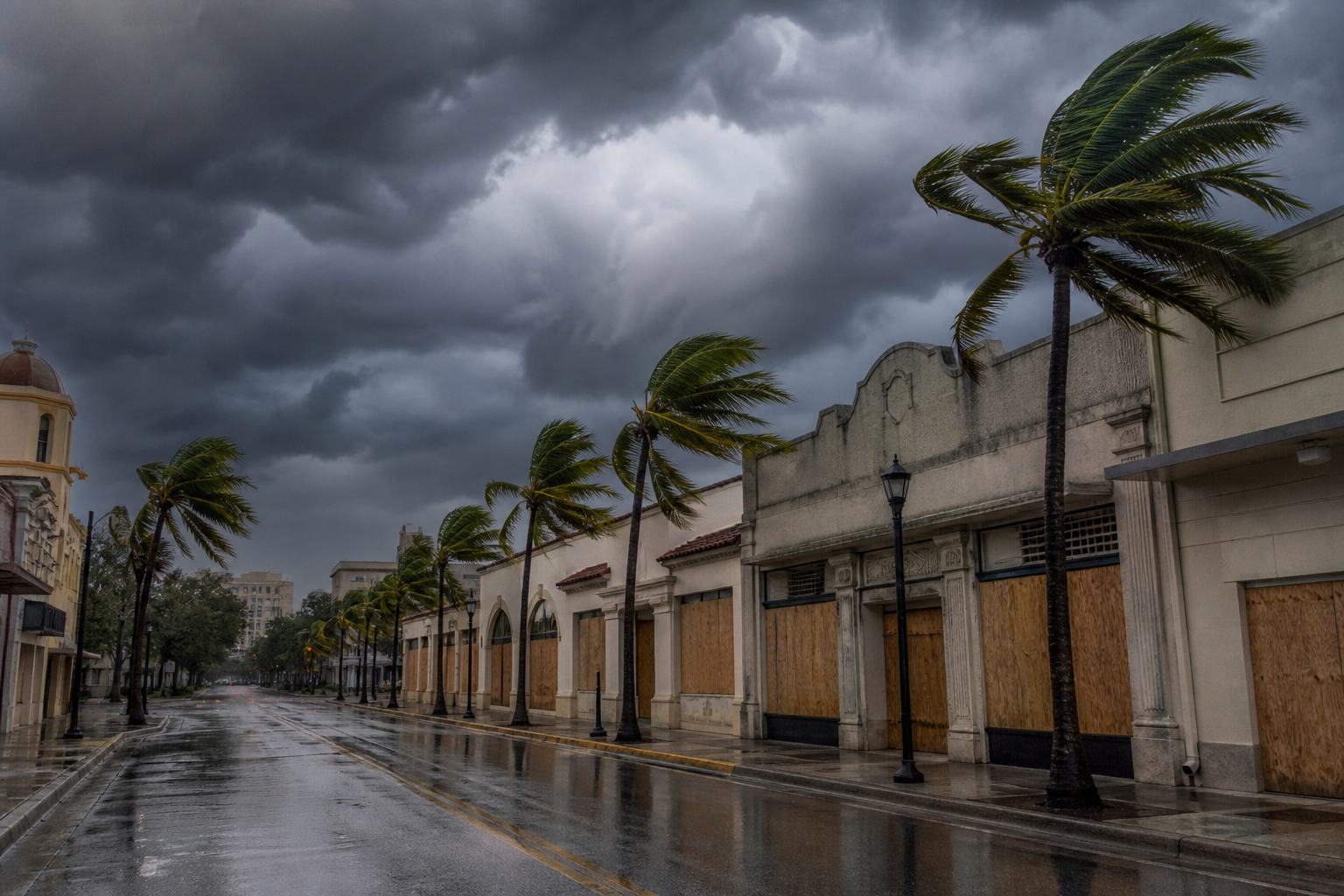
Not all policies cover every risk. Check limits on liability, property damage, and business interruption. Some policies exclude certain natural disasters, which is crucial in Florida’s hurricane-prone environment. It's also important to read the fine print regarding coverage for theft or vandalism, especially if you park your food truck overnight in less secure areas. Knowing these exclusions can save you from unexpected financial burdens in the event of a claim.
Look for Specialized Add-Ons
Coverage options like equipment breakdown, spoilage protection for refrigerated goods, and cyber liability for mobile payments can add valuable layers of security. Furthermore, consider adding coverage for employee injuries, which is vital in the food service industry. Workers’ compensation can protect your business from lawsuits related to workplace injuries, ensuring that your employees are cared for while also safeguarding your financial interests.
Compare Quotes and Providers
Rates can vary widely. Compare multiple insurers and ask about discounts for safety features, sustainable practices, or bundling policies. When seeking quotes, don’t hesitate to inquire about the insurer's reputation and claims process. Reading customer reviews and testimonials can provide insight into how responsive and fair an insurance provider is when it comes to handling claims. This knowledge can be invaluable when you need to rely on your insurance during a challenging time.

Food Truck Insurance Market Outlook
The food truck insurance market is growing steadily. Projections show it expanding from $415.7 million in 2025 to $566.6 million by 2034, with a compound annual growth rate of 3.5%. This growth reflects increasing demand for tailored coverage as the industry matures (USD Analytics).
As more entrepreneurs enter the market, insurance providers are developing more specialized products. This benefits food truck owners by offering policies that better fit their operational realities, including coverage for emerging risks and technology. For instance, many food truck operators are now incorporating advanced point-of-sale systems and mobile payment options, which not only enhance customer experience but also introduce new vulnerabilities. Insurers are beginning to recognize these changes and are crafting policies that address the unique challenges posed by the integration of technology in mobile food services.
Moreover, the rise of food trucks has led to a diversification of cuisine offerings, which in turn influences insurance needs. With food trucks serving everything from gourmet burgers to vegan delicacies, the risk profiles can vary significantly. Insurers are adapting by providing coverage that accounts for the specific ingredients and preparation methods used, as well as the potential liabilities associated with food allergies and dietary restrictions. This level of customization is crucial in an industry where the stakes are high and the operational landscape is constantly evolving.
Insurance Cost Factors
| Factor | Impact on Premium | Notes |
|---|---|---|
| Truck Value | High | Average new food truck costs $108,500 |
| Location | Medium to High | Zoning restrictions and traffic density matter |
| Coverage Types ability | Medium | More coverage means higher premiums |
| Safety Features | Low to Medium | Discounts possible for alarms, cameras |
| Business Practices | Low to Medium | Sustainable practices may lower risk |
In addition to these factors, the experience level of the food truck operator can also play a significant role in determining insurance costs. Newer operators may face higher premiums due to their lack of operational history, while seasoned veterans with a proven track record of safety and compliance may qualify for lower rates. Insurers often look at claims history as a key indicator of risk, meaning that food truck owners who maintain a clean record can benefit from reduced premiums over time. Furthermore, as the market evolves, insurers are increasingly offering incentives for food truck operators who implement risk management strategies, such as employee training programs and regular vehicle maintenance checks.
Another important aspect to consider is the impact of seasonal fluctuations on insurance costs. Many food trucks experience varying levels of business throughout the year, which can affect their insurance needs. For instance, during peak seasons, food trucks may require additional coverage to account for increased customer traffic and potential liability. Conversely, during off-peak months, operators might explore options for temporary coverage adjustments to save on costs. This flexibility in policy management is becoming a crucial selling point for insurance providers aiming to attract a diverse range of food truck businesses.
Frequently Asked Questions About Florida Food Truck Insurance
Q: Is commercial auto insurance required for food trucks in Florida?
A: Yes. Since food trucks operate as vehicles, commercial auto insurance is mandatory to cover accidents and liability on the road.
Q: Can I get coverage if my food truck uses electric power?
A: Absolutely. Insurers are adapting to electric vehicles, but be sure to discuss specific repair and risk coverage with your provider.
Q: What happens if my food truck is damaged during a hurricane?
Many policies exclude certain natural disasters. You may need additional coverage or endorsements for hurricane damage.
Q: Does food truck insurance cover food spoilage?
Some policies offer spoilage protection as an add-on, which covers losses from refrigeration breakdowns or power outages.
Q: How can sustainable practices affect my insurance?
Food trucks with eco-friendly operations may qualify for discounts or specialized coverage that rewards lower risk profiles.
Q: Are mobile payment systems covered under standard policies?
Cyber liability coverage is often needed to protect against data breaches or fraud related to mobile payments.
Q: What if I operate in multiple cities with different zoning laws?
Check that your policy covers all operating locations and understand local restrictions to avoid fines or claims.
Before You Go: Protecting Your Mobile Food Business
Running a food truck in Florida means juggling many moving parts-from navigating city regulations to managing daily operations. Insurance is not just a safety net; it’s a strategic tool that helps you manage risks and focus on growing your business.
With employment in mobile food services reaching over 44,000 in 2024 and the industry evolving rapidly, staying informed about insurance options is crucial. Whether you’re investing in a new truck or upgrading your coverage, understanding the landscape will help you avoid surprises and keep your business thriving.
For more detailed insights on the food truck industry, including sustainability trends and payment technology adoption, visit the
Gitnux Report.
ABOUT THE AUTHOR:
MONTREAL MORAND
With over 20 years of leadership experience in the insurance industry, I’ve dedicated my career to helping clients and agents make informed, confident decisions about their coverage. I’ve led high-performing teams, managed more than $128 million in premium, and earned multiple national awards for excellence. Today, my mission remains the same — to educate, empower, and provide dependable protection for the communities we serve.
Contact Us
Protect the Things That Matter Most
Reliable Coverage for Your Home & Lifestyle
Home Insurance
Protect your home, belongings, and personal liability with reliable coverage.
Stronger Coverage for Your Operations
Essential Protection for Your Company
Coverage built for businesses that depend on people, property, and equipment.
Industries We Support
Insurance for Everyday Local Businesses
Simple, reliable protection for the people who keep our communities running.
Plumbers
Plumbers Insurance
Protection for job-site hazards, tools, and customer property.
Restaurants
Restaurants Insurance
Coverage for fire risks, food inventory, and general liability.
HVAC Contractors
HVAC Contractors Insurance
Insurance for service vehicles, equipment, and installation risks.




Frequently Asked Questions
Helpful Answers to Common Questions
Quick guidance to help you understand your coverage.
What types of insurance does Macpherson Insurance Agency offer?
We provide both personal and commercial insurance solutions. On the personal side: homeowners, automobile, condo, renters, windstorm, flood, excess flood, and more. On the commercial side: general liability, property, inland marine, ocean marine, workers compensation, and more.
Do you specialize in homeowners insurance in South Florida?
Yes. We specialize in homeowners coverage in South Florida and work with multiple carriers based on your property’s age, location and replacement cost.
What does “replacement cost” mean in a policy?
Replacement cost is the cost to rebuild your home to the same standard it had before a loss — not the market value of your property.
Why is it important that my insurer is licensed in Florida?
Licensed Florida insurers are continuously monitored for financial stability — if one fails, the Florida Insurance Guaranty Fund may reimburse insureds for unpaid claims up to a limit.
Can I lower my homeowners premium with discounts?
Yes — mitigation features like impact glass, storm shutters, roof straps, and approved sheathing may qualify you for significant credit reductions.
Do you offer payment plans or premium financing?
Yes. In many cases, payment plans and premium financing are available to make coverage more affordable and manageable over time.
From the Blog
Helpful Tips & Insurance Guidance
Articles created to make insurance easier to understand.









Contact Us
Phone
Location