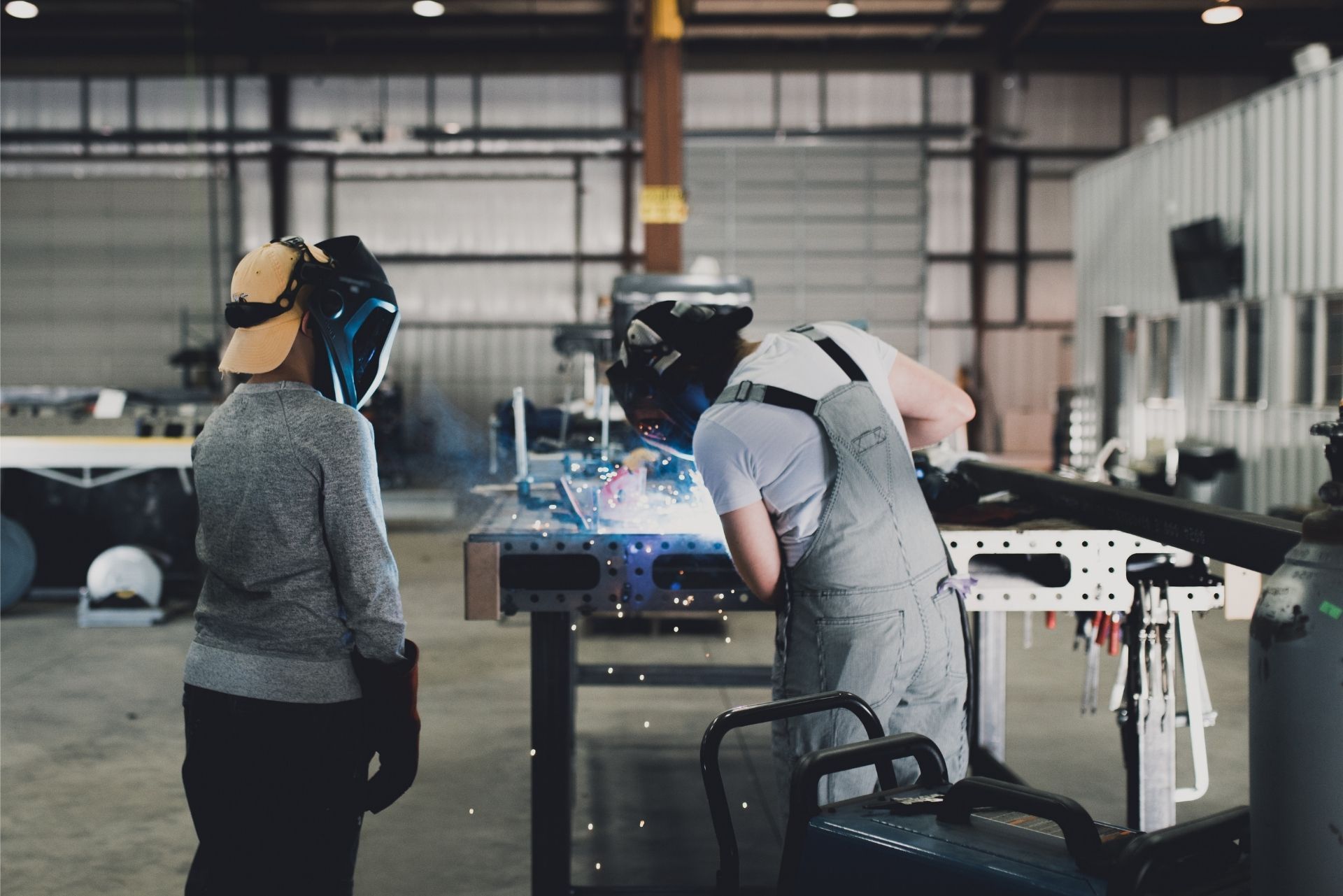
Florida's welding and metal fabrication industry faces a unique combination of risks that most business owners don't fully appreciate until a claim hits. Between the sparks flying in your shop, the mobile rigs traveling to job sites, and the ever-present threat of hurricane season, your operation needs protection that accounts for these realities. Understanding coverage basics for welding and metal fabrication shops in Florida isn't just about checking boxes for compliance. It's about building a safety net that keeps your business running when something goes wrong. A single workplace injury or property damage claim can drain years of profits, and Florida's legal environment tends to favor plaintiffs in liability disputes.
The right insurance program protects your employees, your equipment, your reputation, and your ability to serve customers tomorrow. Many shop owners piece together policies without understanding how they interact, leaving dangerous gaps that only become apparent during a claim. This guide breaks down what you actually need, what Florida law requires, and where you can save money without sacrificing protection.
Essential Liability Coverage for Florida Welders
Liability insurance forms the foundation of any welding shop's risk management strategy. These policies respond when your work causes harm to others or their property.
General Liability for On-Site and Shop Accidents
General liability insurance covers third-party bodily injury and property damage claims arising from your operations. When a customer visits your shop and trips over welding cables, or when sparks from your work damage a client's building, this policy responds.
Florida courts have awarded substantial settlements in premises liability cases, making adequate limits essential. Most welding shops need at least $1 million per occurrence with a $2 million aggregate limit. Larger operations or those working on commercial projects often require $2 million per occurrence to meet contract requirements.
Your general liability policy also covers advertising injury claims, like accusations of slander or copyright infringement in your marketing materials. The defense costs alone can justify the premium, since insurance companies provide legal representation even for frivolous claims.
Professional Liability and Errors and Omissions
If your shop provides design services, engineering calculations, or technical specifications, professional liability coverage becomes critical. Standard general liability policies exclude claims arising from professional services or advice.
A fabrication error based on your design recommendations could result in structural failure months after project completion. Professional liability, sometimes called errors and omissions coverage, protects against these claims. Custom fabrication shops and those offering certified welding services should discuss this coverage with their agent.
Completed Operations and Product Liability
Completed operations coverage protects you after you've finished a job and left the site. If a handrail you fabricated fails six months later and injures someone, this coverage responds. Product liability extends similar protection to items you manufacture and sell.
Florida's statute of limitations for product liability claims can extend up to twelve years in some circumstances, meaning claims can surface long after you've forgotten about a project. Maintaining adequate completed operations limits is particularly important for shops doing structural work or manufacturing safety-critical components.

By: Montreal Morand
Founder & Managing Partner
Macpherson Insurance Agency
Protecting Physical Assets and Equipment
Your physical assets represent significant capital investment. Proper coverage ensures you can rebuild and re-equip after a loss.
Commercial Property Insurance for Shop Facilities
Commercial property insurance covers your building, if you own it, plus all the contents inside. This includes welding machines, fabrication equipment, raw materials, and finished inventory awaiting delivery.
Florida property policies require careful attention to valuation methods. Replacement cost coverage pays to replace damaged items with new equivalents, while actual cash value deducts depreciation. For expensive equipment like CNC plasma tables or automated welding systems, the difference can be substantial after a total loss.
Your policy should also cover business income loss, which replaces revenue while you're rebuilding after a covered claim. Most shops need at least six months of coverage, though complex operations may require twelve months.
Inland Marine Coverage for Mobile Welding Rigs
Standard property policies only cover equipment while it's at your listed location. Mobile welding rigs, portable generators, and tools transported to job sites need inland marine coverage, sometimes called a floater policy.
Inland marine policies can be written on a scheduled basis, listing specific high-value items, or as a blanket covering all portable equipment up to a limit. Scheduled coverage typically provides broader protection and agreed-value settlements, while blanket coverage offers flexibility as your equipment inventory changes.
Equipment Breakdown and Tool Protection
Standard property insurance covers damage from external causes like fire, theft, and windstorm. Equipment breakdown coverage, formerly called boiler and machinery insurance, covers internal failures from electrical surge, mechanical breakdown, or operator error.
When your $80,000 welding power source fails due to an internal electrical fault, standard property insurance won't pay. Equipment breakdown coverage fills this gap. It can also cover the cost of temporary rental equipment while yours is being repaired.
Florida State Mandates and Worker Protections
Florida law imposes specific insurance requirements on businesses with employees. Non-compliance carries serious penalties.
Workers' Compensation Requirements in Florida
Florida requires workers' compensation insurance for construction industry employers with one or more employees. Since welding and fabrication work often falls under construction classifications, most shops need coverage regardless of size.
| Business Type | Employee Threshold | Penalty for Non-Complianceum Impact |
|---|---|---|
| Construction | 1 employee | Stop-work order, $1,000/day fine |
| Non-Construction | 4 employees | Stop-work order, 2x premium penalty |
| Minor plumbing, fixtures | 6 regular or 12 seasonal | Class D felony for fraud |
Workers' comp premiums for welding operations run higher than many industries due to the inherent hazards. Your experience modification rate, which reflects your claim history compared to similar businesses, significantly impacts your premium. Shops with strong safety records can achieve mods below 1.0, reducing premiums substantially.
Commercial Auto Insurance for Fleet Vehicles
Any vehicle used for business purposes needs commercial auto insurance. Personal auto policies exclude business use, leaving you uninsured if an accident occurs during a work-related trip.
Florida requires minimum liability limits of $10,000 for property damage and $10,000 for personal injury protection. These minimums are dangerously inadequate for commercial operations. Most welding shops should carry at least $500,000 in combined single limit liability, with $1 million recommended for operations running heavy trucks or mobile rigs.
Industry-Specific Risks and Hurricane Preparedness
Welding operations face hazards that require specialized coverage considerations beyond standard policies.
Fire and Explosive Hazard Management
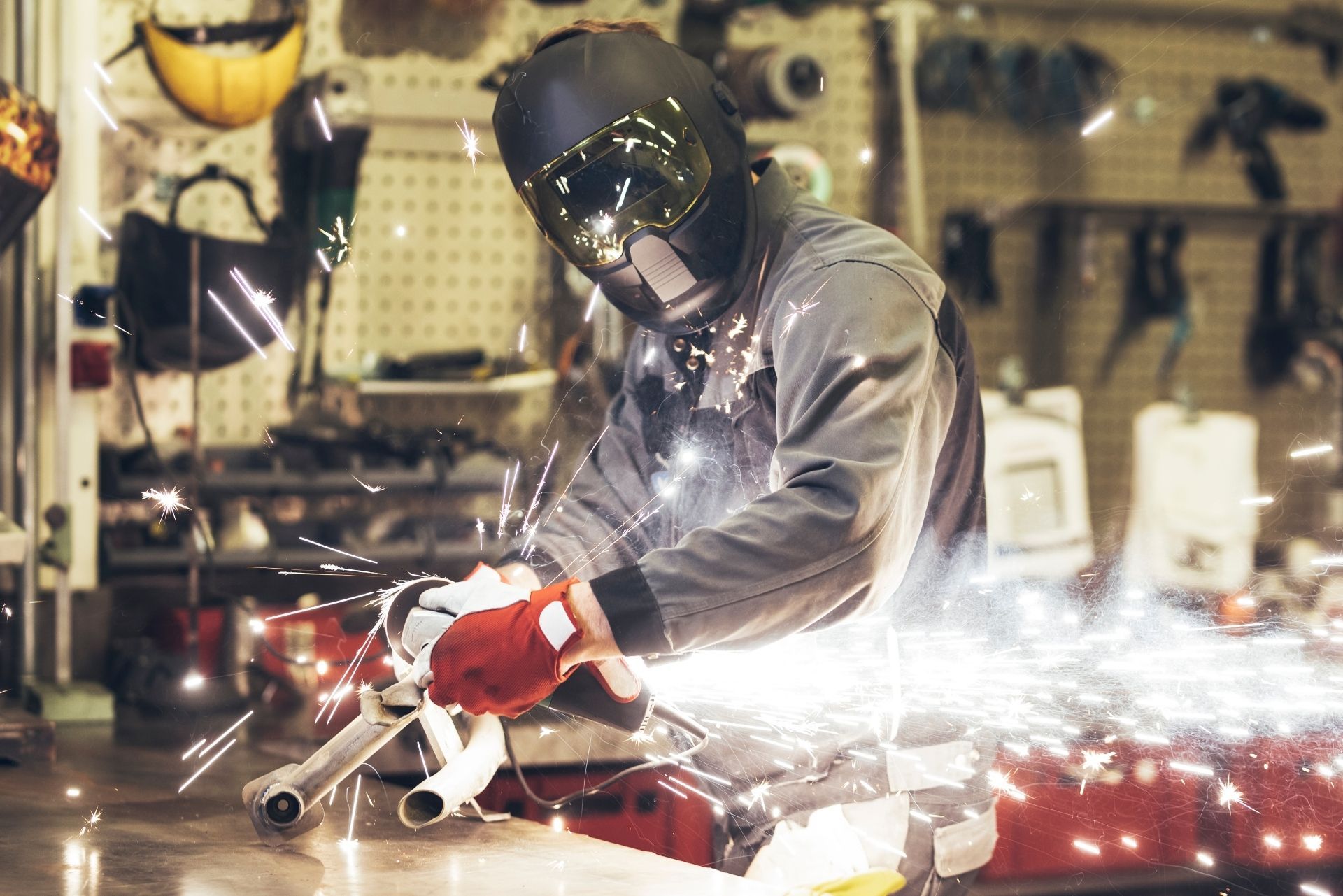
Insurance underwriters scrutinize welding operations closely due to fire risk. Your premium depends heavily on your fire prevention practices, including hot work permits, fire watch procedures, and proper storage of flammable materials.
Shops storing compressed gases need coverage that specifically addresses explosion risks. Some property policies exclude or limit coverage for losses involving pressurized containers. Review your policy carefully and discuss any exclusions with your agent.
Maintaining documentation of your safety procedures helps during both underwriting and claims. Insurers look favorably on shops with written hot work programs, regular equipment inspections, and employee training records.
Windstorm and Flood Considerations for Coastal Shops
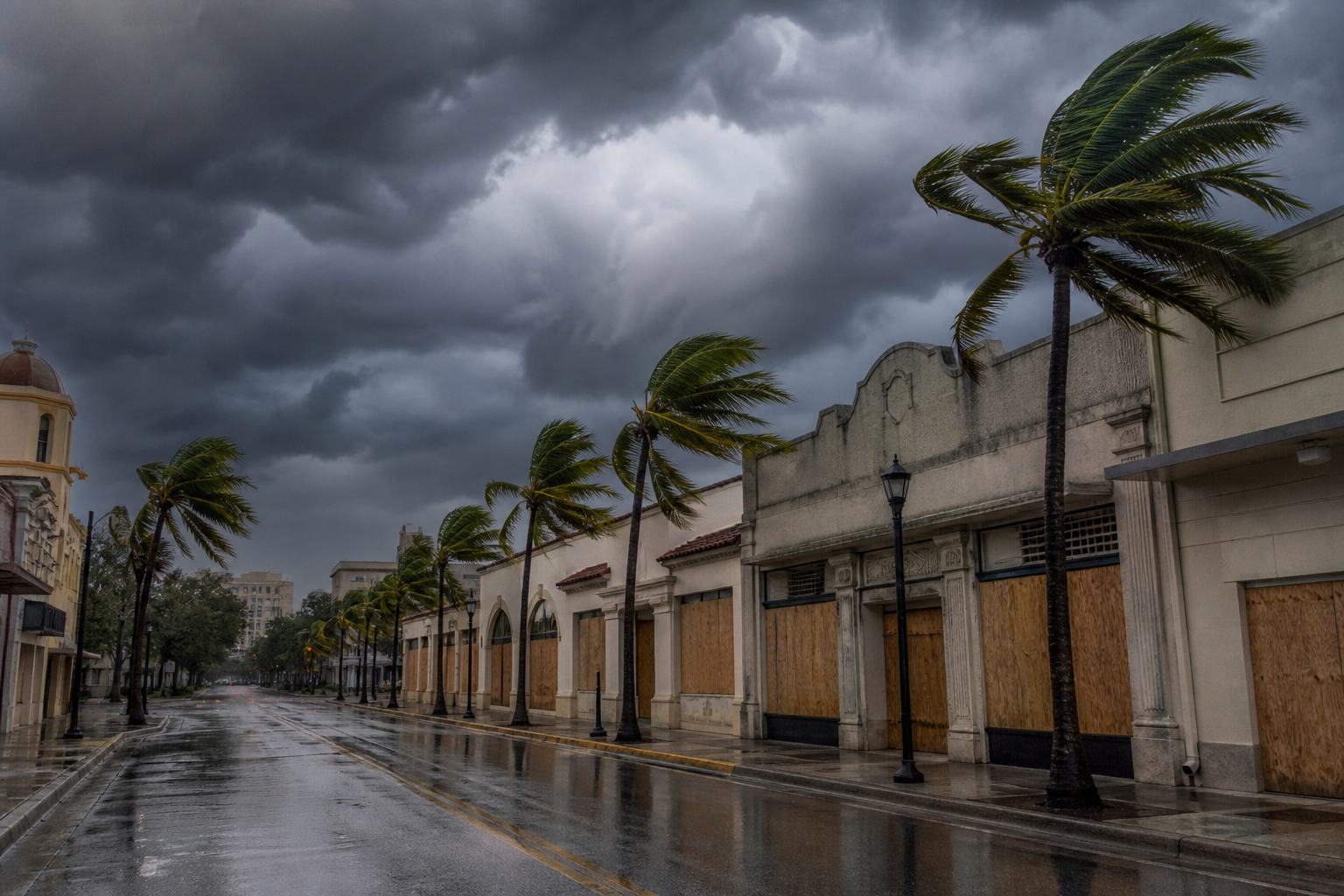
Standard Florida property policies typically exclude windstorm damage in coastal areas. You'll need a separate windstorm policy, often through Citizens Property Insurance if private coverage isn't available or affordable.
Flood insurance requires a separate policy through the National Flood Insurance Program or a private carrier. FEMA flood maps determine your zone and premium, but don't assume you're safe because you're not in a high-risk zone. Over 25% of flood claims come from moderate and low-risk areas.
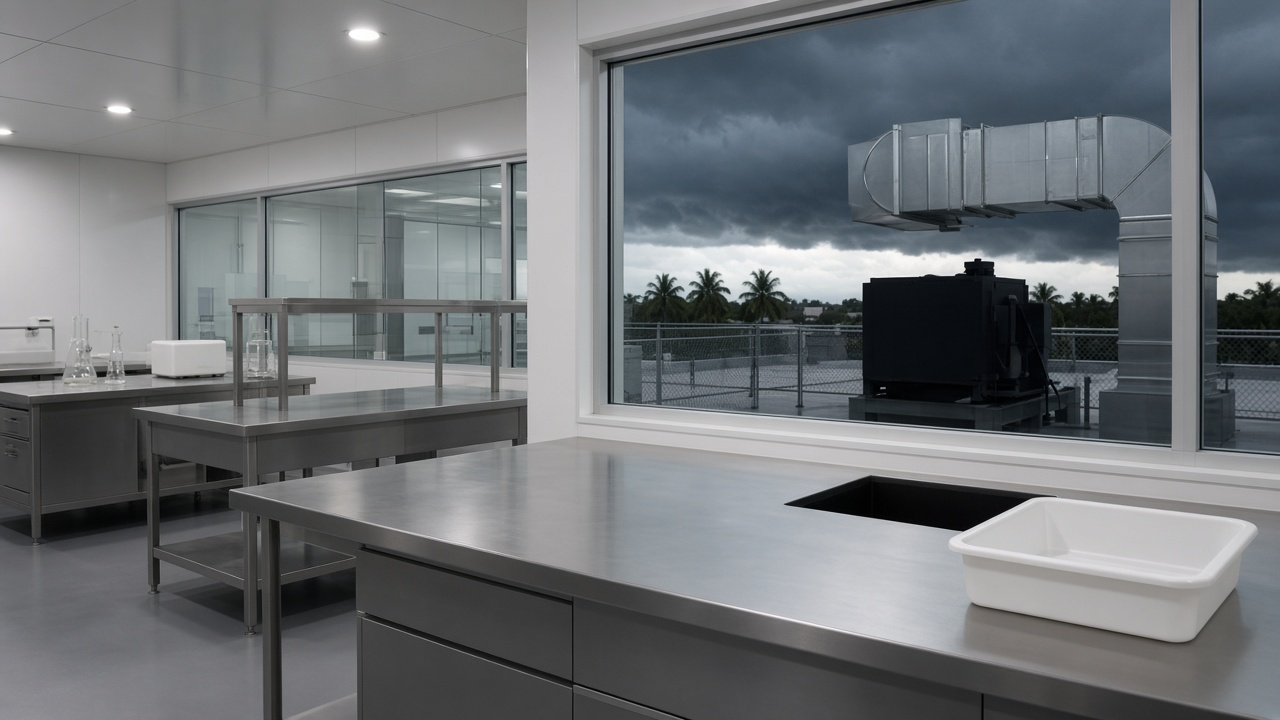
Coverage for welding and metal fabrication shops in Florida must account for these weather-related exposures. A single hurricane can destroy unprotected equipment and shut down operations for months.
Smart risk management reduces both your actual losses and your insurance costs.
Implementing OSHA-Compliant Safety Programs
Insurance companies reward documented safety programs with premium discounts. A formal safety program that meets OSHA welding standards demonstrates your commitment to loss prevention.
Effective programs include regular safety meetings, documented training for all employees, proper PPE requirements, and incident investigation procedures. Some carriers offer premium credits of 5-15% for shops with comprehensive safety programs and favorable loss histories.
Consider working with your insurance carrier's loss control department. Many offer free consultations and can identify hazards you've overlooked. Their recommendations also signal to underwriters that you're serious about risk management.
Navigating Florida-Specific Policy Deductibles
Florida property policies often include percentage-based deductibles for hurricane and windstorm losses. A 2% hurricane deductible on a $500,000 building means you're responsible for the first $10,000 of any hurricane claim.
Higher deductibles reduce premiums but increase your out-of-pocket exposure. Evaluate your cash reserves when selecting deductibles. Some shops maintain dedicated savings accounts to cover potential deductible amounts, essentially self-insuring the first layer of loss.
Bundling multiple policies with one carrier often unlocks additional discounts. A business owner's policy combining general liability and property coverage typically costs less than separate policies while simplifying administration.
Frequently Asked Questions
How much does insurance cost for a Florida welding shop? Premiums vary widely based on revenue, payroll, location, and claims history. Small shops typically pay $8,000-15,000 annually for a basic package including general liability, property, and workers' comp.
Do I need insurance for a one-person welding operation? Yes. General liability protects you from third-party claims regardless of employee count. If you do any construction-related work, Florida may require workers' comp even for sole proprietors.
What happens if I work without required insurance? Florida can issue stop-work orders, impose daily fines, and pursue criminal charges for workers' comp fraud. You're also personally liable for any injuries or damages.
Does my insurance cover work performed out of state? Most policies provide coverage throughout the U.S., but you should confirm with your agent before taking out-of-state jobs. Some states have specific licensing and insurance requirements.
How often should I review my coverage?
Review annually at minimum, and whenever you add equipment, hire employees, or expand services. Outdated coverage limits leave you exposed.
Making the Right Choice for Your Shop
Building the right insurance program for your Florida welding operation requires balancing adequate protection against budget constraints. Start with the legally required coverages, then add protection based on your specific exposures and risk tolerance.
Work with an agent who understands manufacturing and construction risks. Generic business insurance brokers often miss industry-specific exposures that could leave you vulnerable. The cheapest policy rarely provides the best value when a serious claim occurs.
Your insurance program should evolve as your business grows. Schedule annual reviews to ensure your coverage keeps pace with new equipment purchases, expanded services, and changing regulations. Taking time now to understand your options prevents painful surprises when you need your insurance most.
ABOUT THE AUTHOR:
MONTREAL MORAND
With over 20 years of leadership experience in the insurance industry, I’ve dedicated my career to helping clients and agents make informed, confident decisions about their coverage. I’ve led high-performing teams, managed more than $128 million in premium, and earned multiple national awards for excellence. Today, my mission remains the same — to educate, empower, and provide dependable protection for the communities we serve.
Contact Us
Protect the Things That Matter Most
Reliable Coverage for Your Home & Lifestyle
Home Insurance
Protect your home, belongings, and personal liability with reliable coverage.
Stronger Coverage for Your Operations
Essential Protection for Your Company
Coverage built for businesses that depend on people, property, and equipment.
Industries We Support
Insurance for Everyday Local Businesses
Simple, reliable protection for the people who keep our communities running.
Plumbers
Plumbers Insurance
Protection for job-site hazards, tools, and customer property.
Restaurants
Restaurants Insurance
Coverage for fire risks, food inventory, and general liability.
HVAC Contractors
HVAC Contractors Insurance
Insurance for service vehicles, equipment, and installation risks.




Frequently Asked Questions
Helpful Answers to Common Questions
Quick guidance to help you understand your coverage.
What types of insurance does Macpherson Insurance Agency offer?
We provide both personal and commercial insurance solutions. On the personal side: homeowners, automobile, condo, renters, windstorm, flood, excess flood, and more. On the commercial side: general liability, property, inland marine, ocean marine, workers compensation, and more.
Do you specialize in homeowners insurance in South Florida?
Yes. We specialize in homeowners coverage in South Florida and work with multiple carriers based on your property’s age, location and replacement cost.
What does “replacement cost” mean in a policy?
Replacement cost is the cost to rebuild your home to the same standard it had before a loss — not the market value of your property.
Why is it important that my insurer is licensed in Florida?
Licensed Florida insurers are continuously monitored for financial stability — if one fails, the Florida Insurance Guaranty Fund may reimburse insureds for unpaid claims up to a limit.
Can I lower my homeowners premium with discounts?
Yes — mitigation features like impact glass, storm shutters, roof straps, and approved sheathing may qualify you for significant credit reductions.
Do you offer payment plans or premium financing?
Yes. In many cases, payment plans and premium financing are available to make coverage more affordable and manageable over time.
From the Blog
Helpful Tips & Insurance Guidance
Articles created to make insurance easier to understand.



Contact Us
Phone
Location