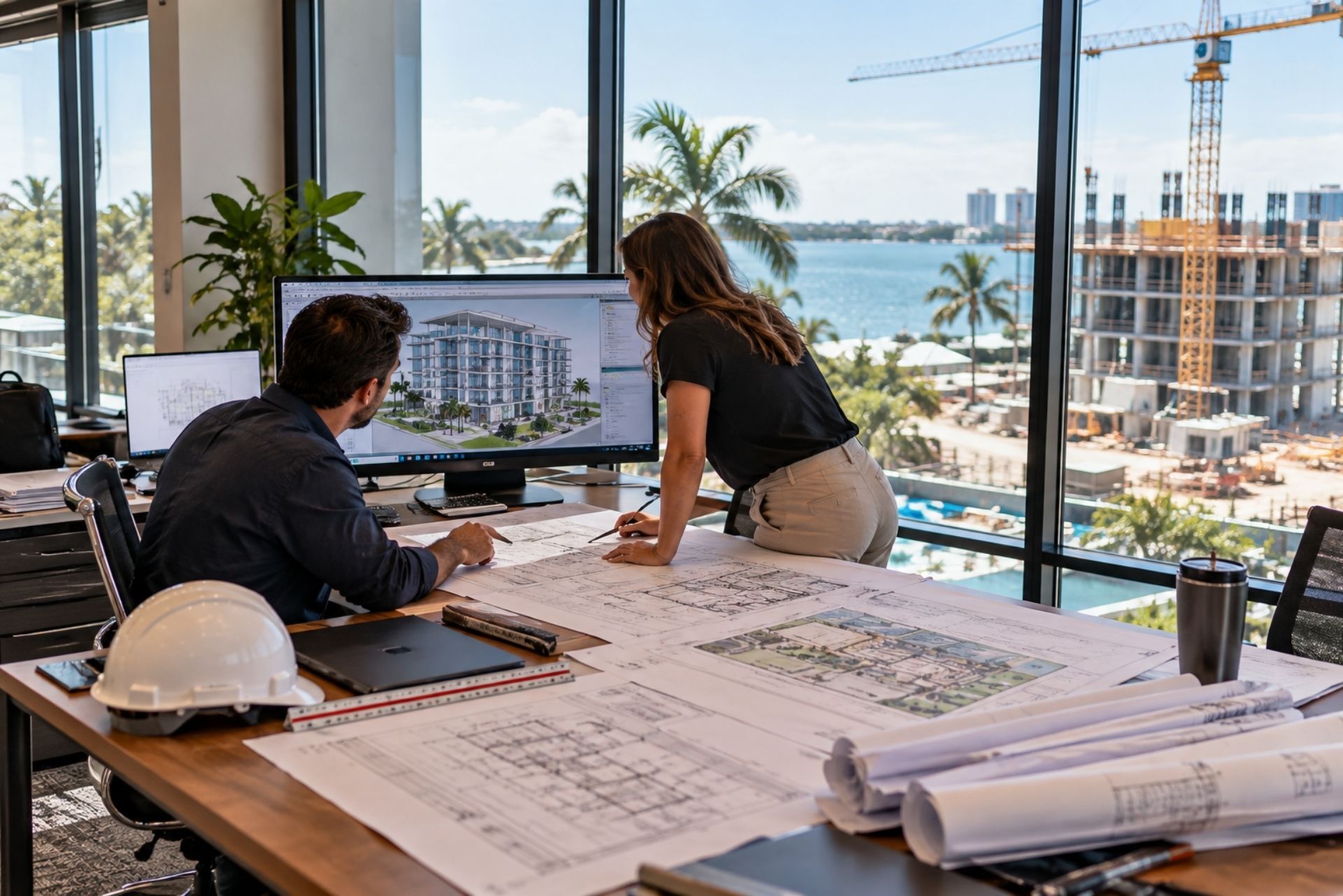
A single design flaw in a set of structural plans can trigger a lawsuit that costs more than a decade of revenue. For architecture and engineering firms operating in Florida, that risk is compounded by hurricane exposure, coastal construction standards, and a tort system that's shifted significantly since 2023. Choosing the right insurance for your A&E firm in Florida means understanding how professional liability, general liability, property, cyber, and workers' compensation coverages work together, and what gaps can leave you exposed. The stakes are high : the wrong policy structure won't just cost you money, it could cost you your license and your firm. This guide breaks down each coverage type, Florida-specific risks, and real cost expectations so you can make informed decisions about protecting your practice.
Core Insurance Requirements for Florida Design Professionals
Florida's regulatory environment creates a unique set of demands for A&E firms. The state requires specific coverages depending on your firm size, project types, and whether you're bidding on public contracts. Getting this wrong isn't just a financial risk : it can disqualify you from projects entirely.
Most firms need a minimum of three core policies : professional liability, general liability, and workers' compensation. But the details of each matter far more than simply having them in place. A $1 million professional liability policy with a $50,000 deductible behaves very differently than one with a $5,000 deductible, and the claims trigger mechanisms vary widely between carriers.
Professional Liability (Errors & Omissions)
This is the single most important policy for any design professional. Professional liability, often called E&O insurance, covers claims arising from errors, omissions, or negligence in your professional services. If a structural calculation is off, a drainage design fails, or a building envelope specification leads to water intrusion, this policy responds.
Small firms with one to five professionals can expect annual premiums typically ranging from $3,000 to $15,000, depending on revenue, project types, and claims history. Firms doing multi-family residential or complex infrastructure work will land at the higher end of that range, and carriers are applying greater underwriting scrutiny to requests for higher limits on those project types.
One common mistake : assuming your policy covers work done by subconsultants. Most E&O policies cover your firm's liability for the work you direct, but they won't automatically extend to an independent subconsultant's errors. You need to verify this in your policy language and require certificates from subs.
Florida Workers' Compensation Compliance
Florida requires workers' compensation coverage for construction-related firms with one or more employees. For non-construction businesses, the threshold is four employees. A&E firms often fall into a gray area : if your engineers are doing site inspections, the state may classify some of your operations as construction-related.
The good news is that workers' comp rates in Florida have been trending downward. NCCI proposed a 6.9% average rate decrease for Florida businesses in 2026, following a 15.1% reduction in 2024. For a firm with mostly office-based professionals, classification codes will keep your rates relatively low. But any field work, site visits, or construction administration duties can trigger higher-rated classifications.
General Liability vs. Professional Liability Comparison
These two policies are often confused, but they protect against completely different risks. Here's how they break down :
By: Montreal Morand
Founder & Managing Partner
Macpherson Insurance Agency
Comparison: General Liability vs. Professional Liability
| Feature | General Liability | Professional Liability |
|---|---|---|
| What it covers | Bodily injury, property damage, personal injury from operations | Errors, omissions, or negligence in professional services |
| Example claim | Client trips over equipment at your office | Your design spec leads to a structural failure |
| Policy type | Occurrence-based (covers events during the policy period) | Claims-made (covers claims filed during the policy period) |
| Typical limits | $1M per occurrence / $2M aggregate | $1M per claim / $1M or $2M aggregate |
| Required for | Most commercial leases, client contracts | State licensing boards, public project bids |
| Covers subs? | May include additional insured endorsements | Rarely extends to independent subconsultants |
A common gap : firms carry only general liability because it's cheaper and easier to obtain. But GL won't respond when a client sues over a design defect. That's a professional services claim, and without E&O coverage, you're paying out of pocket for defense costs alone, which can easily exceed $100,000 before a case even reaches trial.
How Costs Are Trending for A&E Insurance in 2026
Rate increases are a reality this year. Roughly 73% of leading A&E insurers plan rate hikes for 2026, mostly in the single-digit range. The primary driver is claim severity : 60% of insurers reported higher claim severity in recent years, with 93% of carriers identifying rising defense costs as a material impact on their bottom line.
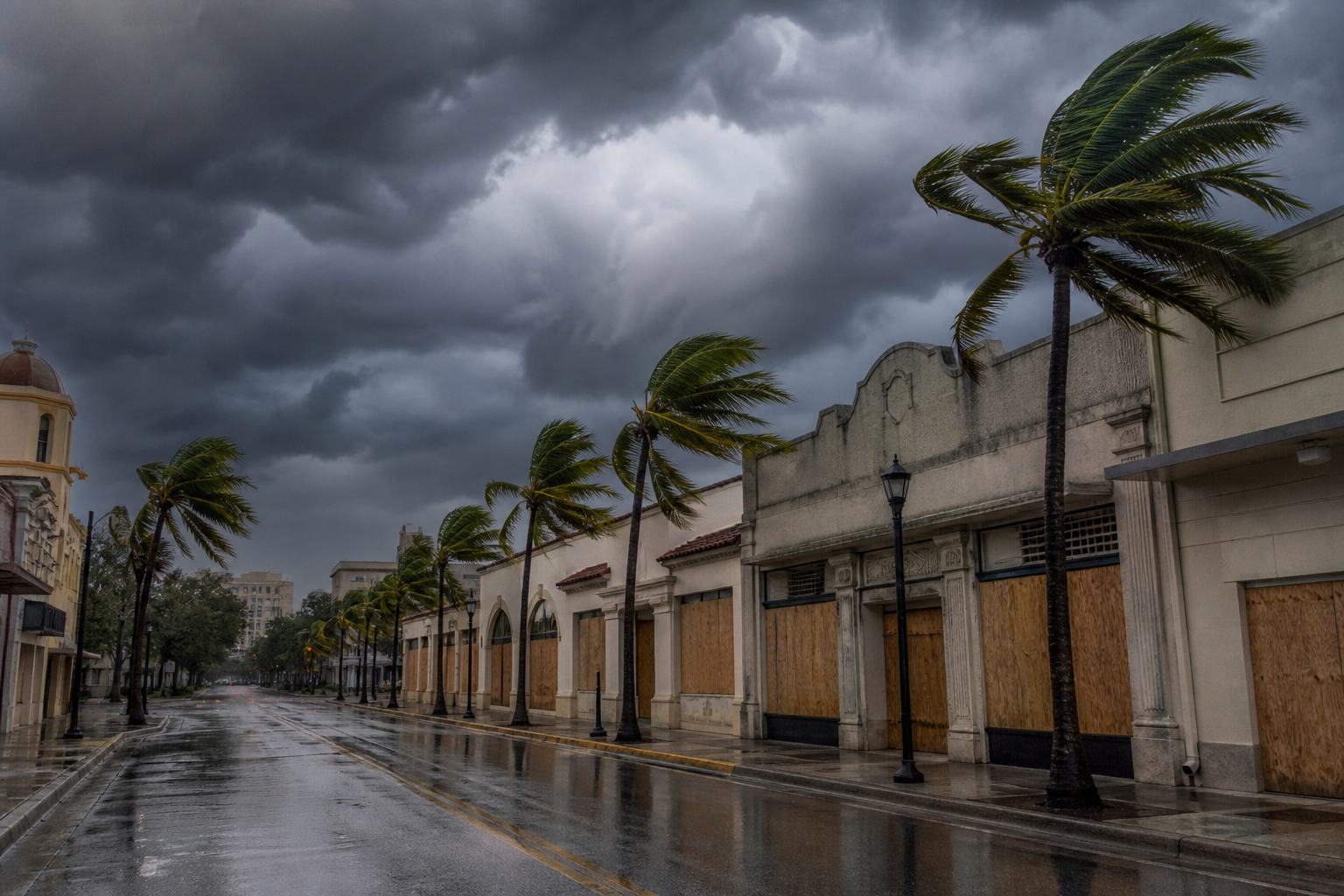
For Florida firms specifically, property insurance costs remain elevated due to hurricane exposure, though the reinsurance market has stabilized somewhat since the 2022-2023 crisis. Your firm's location matters : a practice in Jacksonville will pay less for property coverage than one operating out of a Brickell office tower or a Fort Myers storefront.
One factor that's new this cycle : 76% of A&E insurers are now monitoring how firms use AI in design. If your firm uses AI-generated calculations or design outputs, expect questions on your application. Carriers want to understand both the AI models being used and how your firm validates those outputs before they go into construction documents.
Managing Florida-Specific Risks and Regulations
Florida's legal and environmental conditions create insurance considerations you won't find in most other states. Understanding these factors helps you avoid coverage gaps that only become apparent after a claim.
Statute of Repose and Limitations in Florida
Florida's statute of repose for construction defect claims is 7 years from project completion, with a two-year statute of limitations from the date a defect is discovered for incidents occurring after March 24, 2023. This means a claim can surface years after you've finished a project. If you've switched carriers or let your E&O policy lapse during that window, you may have no coverage for the claim.
That's why claims-made policies require careful management. You need either continuous coverage or an extended reporting period, sometimes called "tail coverage," to protect against claims filed after your policy ends. Florida's recent tort reform also shifted the state from pure comparative negligence to a modified system : plaintiffs can no longer recover damages if they're found more than 50% at fault. This change benefits design firms in some litigation scenarios, but it doesn't eliminate your exposure.
Coastal Construction and Environmental Risks
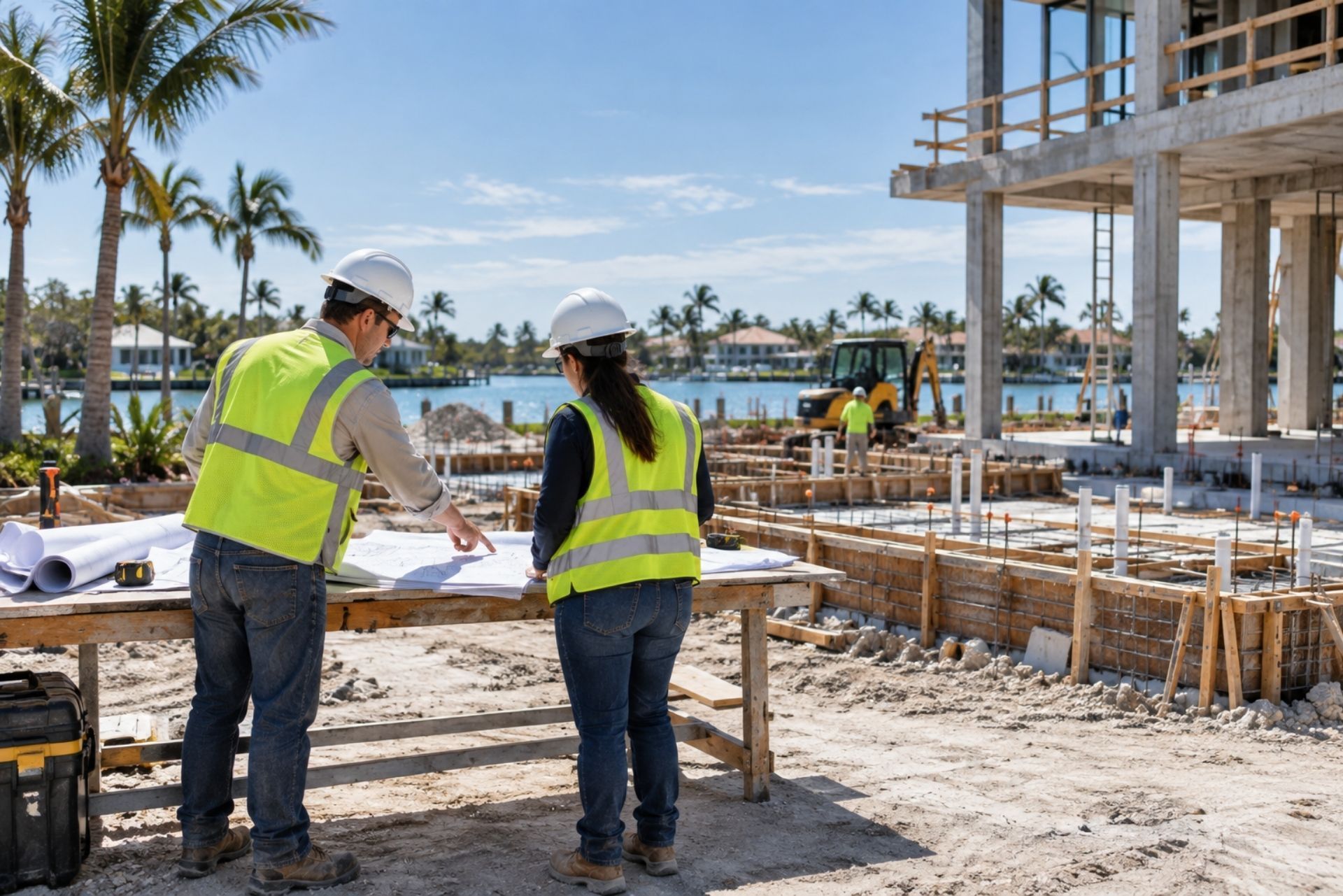
Firms designing structures within Florida's Coastal Construction Control Line face heightened standards under the Florida Building Code. Projects in these zones require wind-load calculations, flood-resistant design, and compliance with FEMA flood zone requirements. Any error in these calculations can result in catastrophic property damage during a storm, and the resulting claims tend to be among the most expensive in the A&E space.
Saltwater corrosion is another factor that drives claims in coastal Florida. Specifying the wrong grade of rebar or an inadequate protective coating for a waterfront structure can lead to premature deterioration and a professional liability claim years down the road.
Additional Coverages for Growing Engineering Firms
Beyond the core policies, several supplemental coverages fill gaps that standard A&E firm insurance in Florida doesn't address.
Cyber Liability for Digital Blueprints
Your firm stores client data, proprietary designs, and project specifications digitally. A ransomware attack that locks you out of active project files doesn't just cost you data recovery fees : it can delay construction schedules and trigger breach of contract claims. Cyber liability policies cover breach notification costs, data recovery, business interruption from cyber events, and third-party claims from compromised client information.
Valuable Papers and Records Insurance
If your firm maintains physical plans, survey records, or historical documents, valuable papers coverage pays for the cost of reconstructing or replacing those records if they're destroyed by fire, flood, or another covered peril. Digital backups reduce this risk but don't eliminate it entirely.
Hired and Non-Owned Auto Insurance
Engineers and architects regularly drive personal vehicles to job sites, client meetings, and municipal offices. If an employee causes an accident while on firm business in their own car, your firm can be held liable. Hired and non-owned auto coverage fills this gap without requiring a full commercial auto policy.
Common Questions About Architecture and Engineering Insurance
Do I need insurance if I am a sole proprietor? Yes. Florida doesn't exempt sole proprietors from professional liability exposure. If a client sues over a design error, your personal assets are on the line without E&O coverage. Workers' comp exemptions exist for sole proprietors with no employees, but you'll still need GL and professional liability for most contracts.
How much does professional liability cost in Florida? Small firms with one to five professionals typically pay between $3,000 and $15,000 annually. Your exact premium depends on revenue, project types, claims history, and the limits you select. Firms working on multi-family housing or public infrastructure projects tend to pay more.
What is a 'claims-made' policy? A claims-made policy covers claims that are both made and reported during the active policy period. Unlike occurrence policies, if you cancel a claims-made policy and a claim comes in later, you have no coverage unless you've purchased tail coverage. This is the standard structure for professional liability in the A&E industry.
Does my insurance cover subcontractors? Usually not automatically. Your professional liability policy may cover your vicarious liability for directing a sub's work, but it won't cover the sub's own negligence. Require certificates of insurance from every subconsultant and verify their coverage limits match your contract requirements.
What is the minimum coverage required for state projects?
Florida public projects typically require professional liability and general liability coverage, with specific limits determined by the contracting agency. Check the specific RFQ or RFP requirements, as they vary by agency.
Making the Right Choice for Your Firm
Protecting your architecture or engineering practice in Florida requires more than checking boxes on a coverage list. The interplay between professional liability, general liability, workers' comp, cyber, and property coverage creates a system where a gap in one area can undermine the others.
Start by auditing your current policies against your actual risk profile. Are you covered for coastal projects? Does your E&O policy have adequate limits for the size of contracts you're pursuing? Have you disclosed your AI usage to your carrier? These aren't theoretical questions : they're the exact issues that determine whether a claim gets paid or denied.
Get quotes from brokers who specialize in A&E insurance, not generalists. A broker who understands Florida's statute of repose, coastal construction requirements, and the current rate environment will structure your program differently than one who treats your firm like any other small business. Your firm's reputation and financial stability depend on getting this right.
ABOUT THE AUTHOR:
MONTREAL MORAND
With over 20 years of leadership experience in the insurance industry, I’ve dedicated my career to helping clients and agents make informed, confident decisions about their coverage. I’ve led high-performing teams, managed more than $128 million in premium, and earned multiple national awards for excellence. Today, my mission remains the same — to educate, empower, and provide dependable protection for the communities we serve.
Contact Us
Protect the Things That Matter Most
Reliable Coverage for Your Home & Lifestyle
Home Insurance
Protect your home, belongings, and personal liability with reliable coverage.
Stronger Coverage for Your Operations
Essential Protection for Your Company
Coverage built for businesses that depend on people, property, and equipment.
Industries We Support
Insurance for Everyday Local Businesses
Simple, reliable protection for the people who keep our communities running.
Plumbers
Plumbers Insurance
Protection for job-site hazards, tools, and customer property.
Restaurants
Restaurants Insurance
Coverage for fire risks, food inventory, and general liability.
HVAC Contractors
HVAC Contractors Insurance
Insurance for service vehicles, equipment, and installation risks.




Frequently Asked Questions
Helpful Answers to Common Questions
Quick guidance to help you understand your coverage.
What types of insurance does Macpherson Insurance Agency offer?
We provide both personal and commercial insurance solutions. On the personal side: homeowners, automobile, condo, renters, windstorm, flood, excess flood, and more. On the commercial side: general liability, property, inland marine, ocean marine, workers compensation, and more.
Do you specialize in homeowners insurance in South Florida?
Yes. We specialize in homeowners coverage in South Florida and work with multiple carriers based on your property’s age, location and replacement cost.
What does “replacement cost” mean in a policy?
Replacement cost is the cost to rebuild your home to the same standard it had before a loss — not the market value of your property.
Why is it important that my insurer is licensed in Florida?
Licensed Florida insurers are continuously monitored for financial stability — if one fails, the Florida Insurance Guaranty Fund may reimburse insureds for unpaid claims up to a limit.
Can I lower my homeowners premium with discounts?
Yes — mitigation features like impact glass, storm shutters, roof straps, and approved sheathing may qualify you for significant credit reductions.
Do you offer payment plans or premium financing?
Yes. In many cases, payment plans and premium financing are available to make coverage more affordable and manageable over time.
From the Blog
Helpful Tips & Insurance Guidance
Articles created to make insurance easier to understand.



Contact Us
Phone
Location