Running a retail business in Florida means navigating a complex insurance landscape shaped by unique risks. From hurricanes to rising premiums, the state’s insurance market is in flux. For retail owners, understanding how to protect inventory, staff, and property is more critical than ever. The stakes are high, especially with Florida’s surplus lines insurance market hitting $1.6 billion in premiums in July 2024-a 21% jump from the previous year
according to Reinsurance News. This surge reflects broader challenges and opportunities in securing coverage that fits Florida’s volatile environment.
Why Florida’s Insurance Market Matters to Retailers
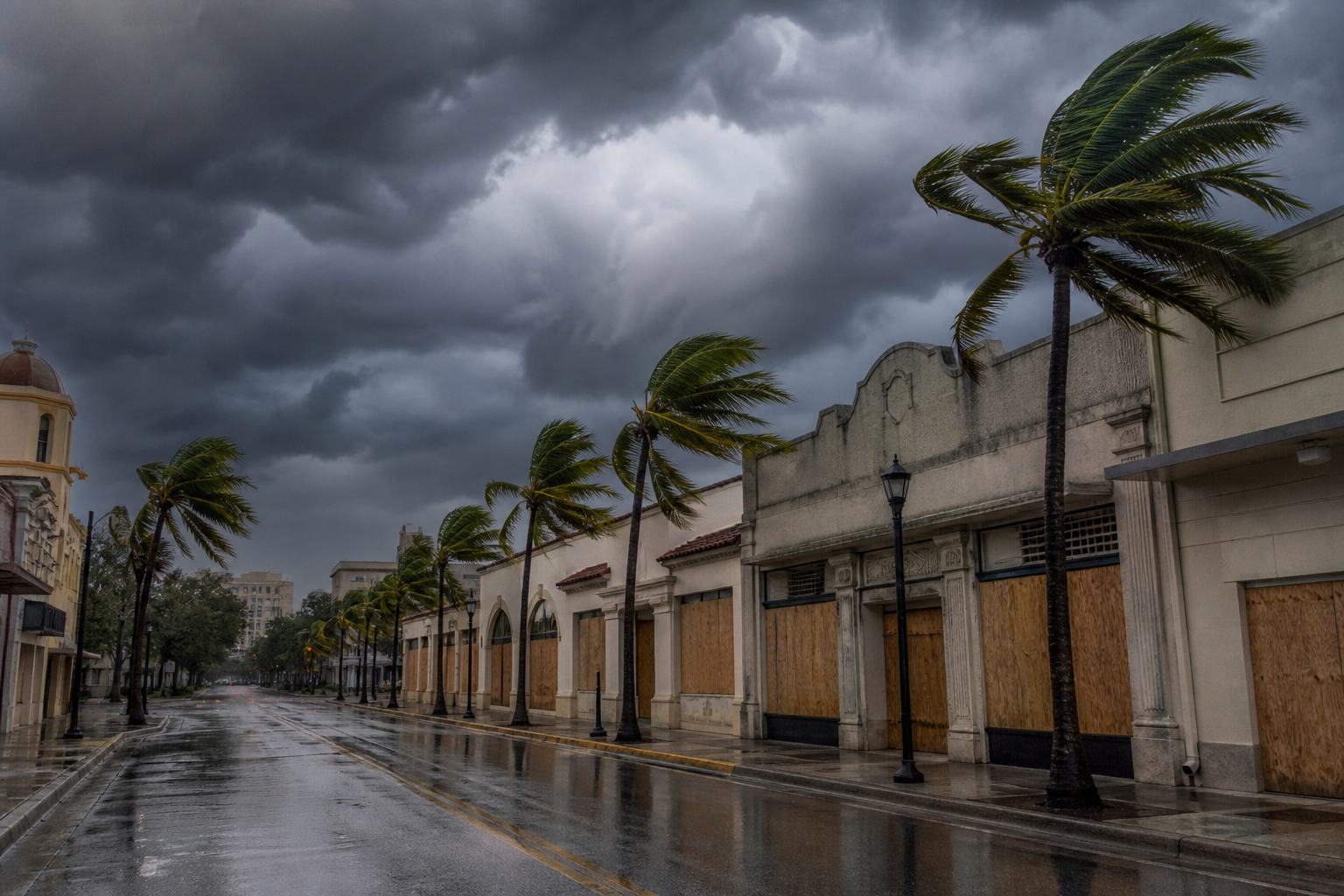
Florida’s insurance market is unlike any other in the country. The state faces frequent natural disasters, especially hurricanes, which drive up claims and premiums. Retail businesses are particularly vulnerable because they rely heavily on physical locations and inventory that can be damaged or destroyed. The recent collapse of many home insurance providers highlights a financial strain that also ripples into commercial coverage.
Between 2014 and 2024, Florida saw a dramatic 78% decline in active home insurance policies, dropping from 3.2 million to just 710,000 Insurance Business America reports. This trend signals a tightening market where insurers are more selective, and premiums are rising sharply. Retailers must be prepared for similar shifts in their commercial policies.
Adding to the complexity, many small insurers in Florida struggle financially. A recent study found that most small companies do not meet federal guidelines for insuring mortgaged homes, raising concerns about their stability Florida Trend reveals. For retail businesses, partnering with financially sound insurers is essential to avoid coverage gaps or sudden policy cancellations.
Moreover, the implications of these insurance market dynamics extend beyond just financial stability; they also affect the overall business environment in Florida. Retailers may find themselves facing higher operational costs as they navigate increased insurance premiums, which can ultimately be passed on to consumers. This situation could lead to reduced consumer spending, as shoppers become more cautious with their finances amidst rising prices. Additionally, the uncertainty surrounding insurance availability may deter new businesses from entering the market, stifling growth and innovation in the retail sector.
Furthermore, the unique geographical and climatic challenges that Florida presents necessitate a proactive approach to risk management for retailers. Many businesses are now investing in disaster preparedness plans and infrastructure improvements, such as reinforced buildings and advanced inventory management systems, to mitigate potential losses. This shift not only helps protect their assets but also positions them as responsible community members who prioritize safety and sustainability, potentially enhancing their brand reputation in the eyes of consumers.

By: Montreal Morand
Founder & Managing Partner
Macpherson Insurance Agency
Key Coverage Areas for Florida Retail Businesses
Protecting Your Inventory
Inventory is often the largest asset for retail businesses. Damage or loss can disrupt operations and lead to significant financial setbacks. Property insurance tailored for retail typically covers fire, theft, vandalism, and weather-related damages. In Florida, weather risks are particularly acute. Hurricanes and flooding can cause catastrophic losses, making it crucial to understand what your policy covers and where exclusions might apply.
Many retailers turn to surplus lines insurance to fill gaps left by admitted carriers. The surplus lines market in Florida has grown substantially, reflecting demand for specialized or high-risk coverage. In 2023, Florida’s commercial property market expanded by more than 42% across admitted and non-admitted markets Insurance Insider US reports. This growth indicates more retailers are seeking flexible options to protect their inventory. Additionally, retailers are increasingly investing in inventory management systems that utilize real-time data analytics to monitor stock levels and predict potential losses, allowing for more proactive risk management strategies.
Staff Protection and Liability
Retail businesses must also safeguard their employees. Workers compensation insurance is mandatory and covers medical expenses and lost wages if staff are injured on the job. Beyond legal requirements, liability coverage protects against lawsuits stemming from accidents on your premises—like slip-and-fall injuries.
Given Florida’s insurance challenges, premiums for liability and workers comp have been rising. Tanya Rodriques, owner of Evolve Insurance Group, describes the current market as a "perfect storm for premium increases" Seminole Business News quotes. Retailers should budget accordingly and work closely with brokers to find cost-effective solutions without sacrificing coverage quality. Furthermore, implementing comprehensive safety training programs can not only reduce the likelihood of accidents but may also lead to lower premiums, as insurers often reward proactive risk management with discounts.
Property and Business Interruption Coverage
Physical store locations face constant risks from natural disasters, theft, and accidents. Property insurance covers damage to buildings and fixtures, but it’s equally important to consider business interruption insurance. This coverage helps replace lost income if your store must close temporarily due to a covered event.
Florida’s personal property insurance market showed signs of recovery in 2024, posting its first underwriting profit in eight years
Reinsurance News highlights. While this is encouraging, the overall environment remains challenging. Retailers should review policies annually to ensure adequate limits and understand any new terms or exclusions. Additionally, many businesses are exploring the integration of technology, such as cloud-based systems, to streamline operations and enhance resilience against interruptions, ensuring they can bounce back more swiftly in the event of a disaster.
How Rising Premiums Affect Retail Insurance Decisions
Insurance premiums in Florida have been climbing steadily. The average annual premium for personal residential policies reached $3,023 in 2024, a 34% increase since late 2022 Insurance Journal reports. Commercial policies often follow similar trends, driven by the same risk factors.
For retail businesses, this means insurance costs can consume a larger share of operating budgets. It’s tempting to reduce coverage to save money, but that can backfire if a claim arises. Instead, consider risk mitigation strategies that might lower premiums, such as installing security systems, reinforcing property against storms, or improving employee safety protocols.
Working with experienced insurance brokers who understand Florida’s market nuances is vital. They can help identify the best carriers and coverage combinations tailored to your business size and risk profile.
Moreover, the impact of rising premiums extends beyond just the financial burden. Retailers may find themselves reassessing their overall risk management strategies, leading to a more proactive approach to safeguarding their assets. For instance, businesses might invest in comprehensive training programs for employees to minimize workplace accidents, which not only enhances safety but can also lead to lower insurance premiums over time. Additionally, retailers could explore joining industry associations that offer group insurance plans, potentially reducing costs through collective bargaining.
Another important consideration is the evolving landscape of consumer expectations. As customers become more aware of the risks associated with natural disasters and other unforeseen events, they may seek out businesses that demonstrate a commitment to risk management and resilience. Retailers who invest in robust insurance coverage and transparent communication about their risk strategies can build trust and loyalty among their clientele, ultimately positioning themselves as leaders in their respective markets.

Choosing the Right Insurer: Quality Matters
Not all insurers are created equal, especially in Florida’s turbulent market. The financial health of your insurance company directly impacts claim handling and policy stability. Retailers should prioritize carriers with strong ratings and proven track records.
Since many small insurers in Florida are financially weak, failing to meet federal standards, it is wise to research and verify insurer credentials before committing Florida Trend study. Larger, more established companies or surplus lines insurers with solid reputations may offer more reliable protection, even if premiums are higher.
Moreover, understanding the nuances of policy offerings is crucial. Some insurers may provide comprehensive coverage options that include additional benefits like flood insurance or hurricane protection, which are particularly relevant in Florida. In contrast, others may have limited offerings that could leave you vulnerable during extreme weather events. It’s essential to compare not just the cost of premiums but also the breadth of coverage and the exclusions that may apply.
Additionally, customer service and claims support play a significant role in the overall insurance experience. Reading customer reviews and seeking feedback from peers can provide insight into how an insurer handles claims and interacts with policyholders. A company that is responsive and supportive during the claims process can make a significant difference in your peace of mind, especially in times of crisis when you need it most.
Practical Tips for Florida Retailers Navigating Insurance
- Review policies annually: Insurance needs change as your business grows or market conditions shift. Regular reviews ensure your coverage keeps pace. Consider scheduling a review at the same time each year, perhaps during a slow season, to ensure you have ample time to assess your needs without the pressure of daily operations.
- Document your inventory: Keep detailed records and photos to support claims if loss occurs. This not only aids in the claims process but also helps in managing your stock effectively. Utilizing inventory management software can streamline this process, allowing you to track changes in your inventory in real-time and maintain an accurate record of your assets.
- Invest in risk reduction: Storm-proofing, fire alarms, and employee training can reduce both risk and premiums. Additionally, consider implementing a comprehensive safety program that includes regular drills and safety audits. This proactive approach not only protects your business but also fosters a culture of safety among your employees, which can lead to higher morale and productivity.
- Consult with experts: Brokers familiar with Florida’s market can navigate complex options and find the best fit. They can provide insights into local risks, such as hurricanes or flooding, and recommend tailored policies that address these specific challenges. Building a relationship with your broker can also lead to better service and quicker responses when you need to make changes or file a claim.
- Understand exclusions: Know what is not covered, especially for flood or hurricane damage, which may require separate policies. Being aware of these exclusions can help you make informed decisions about additional coverage or endorsements that may be necessary to protect your business fully. Additionally, consider joining local business associations that may offer resources or group insurance plans to help mitigate these risks.
What Retailers Should Keep in Mind Moving Forward
Florida’s insurance market will continue evolving, shaped by climate risks, regulatory changes, and economic factors. Retailers must stay informed and proactive. The recent surge in surplus lines premiums and commercial property market growth shows the market is adapting, but challenges remain. As natural disasters become more frequent and severe, understanding how these events affect insurance rates and availability is crucial for retailers. Engaging with insurance professionals who specialize in Florida's unique market can provide insights that help businesses navigate these complexities.
Insurance is not just a cost but a critical investment in your business’s resilience. Protecting inventory, staff, and property ensures you can recover quickly from setbacks and maintain customer trust. With the right coverage and strategy, Florida retailers can face the future with greater confidence. Additionally, investing in risk management practices, such as disaster preparedness plans and employee training, can further mitigate potential losses. Retailers should also consider leveraging technology to monitor risks and streamline claims processes, making it easier to respond to incidents as they arise.
Moreover, the landscape of consumer behavior is shifting, with more customers prioritizing businesses that demonstrate social responsibility and sustainability. Retailers who adapt to these changing preferences by incorporating eco-friendly practices and transparent policies may not only enhance their brand image but also attract a loyal customer base. As the market continues to evolve, staying ahead of these trends will be essential for long-term success in Florida's competitive retail environment.
Frequently Asked Questions
Q: Why are insurance premiums rising so fast in Florida?
A: Increased natural disasters, financial strain on insurers, and a shrinking pool of stable companies drive up premiums. This creates a "perfect storm" for higher costs. The frequency and intensity of hurricanes, tropical storms, and flooding events have surged in recent years, leading to significant losses for insurers. As a result, many companies are forced to raise their rates to cover these escalating risks, while others may even withdraw from the market altogether, further limiting options for consumers.
Q: What is surplus lines insurance and why might I need it?
A: Surplus lines insurance covers risks that standard insurers avoid. It’s often used in Florida for high-risk properties or specialized coverage not available through admitted carriers. This type of insurance can be crucial for businesses that operate in unique or hazardous environments, such as those located in flood-prone areas or those that require specialized equipment. Additionally, surplus lines insurers often have more flexibility in underwriting, allowing them to tailor policies to meet the specific needs of high-risk businesses.
Q: Can I get flood insurance as part of my retail property policy?
A: Usually, flood insurance is separate. Retailers should consider purchasing it through the National Flood Insurance Program or private flood insurers. It’s important to note that standard property insurance policies typically do not cover flood damage, which can lead to significant financial losses in the event of a flood. Retailers should assess their risk exposure based on their location and consider the potential impact of flooding on their operations, especially during hurricane season when heavy rains can lead to unexpected flooding.
Q: How can I lower my insurance premiums without sacrificing coverage?
A: Implementing safety measures, improving security, and maintaining good claims history can help reduce premiums. Working with a knowledgeable broker also helps find cost-effective options. Additionally, bundling insurance policies, such as combining property and liability coverage, can often lead to discounts. Regularly reviewing and updating your risk management strategies can also demonstrate to insurers that you are proactive about minimizing risks, which may result in lower premiums.
Q: What should I do if my insurer is financially weak?
A: Consider switching to a more financially stable carrier to avoid coverage interruptions or claim payment issues. Always check insurer ratings and reviews. It’s also wise to consult with an insurance advisor who can provide insights into the financial health of various insurers and help you navigate the complexities of switching policies. Understanding the claims process and the insurer's reputation for handling claims efficiently can also be critical in ensuring your business remains protected.
Q: Is business interruption insurance necessary for retail stores?
A: Yes. It covers lost income if your store must close due to a covered event, helping maintain cash flow during repairs or rebuilding. This type of insurance can be particularly vital for retailers, as it not only covers lost profits but also ongoing expenses such as rent and utilities. In the wake of unexpected events, such as natural disasters or even pandemics, business interruption insurance can provide a financial safety net, allowing retailers to focus on recovery without the added stress of financial instability.
Q: How often should I review my retail insurance policies?
A: At least once a year or after any major business changes to ensure coverage remains adequate and up to date. Changes such as expanding your retail space, introducing new products, or altering your business model can all impact your insurance needs. Additionally, staying informed about changes in local laws and regulations can also affect your coverage requirements. Regular reviews can help identify gaps in coverage and ensure that your business is adequately protected against evolving risks.
ABOUT THE AUTHOR:
MONTREAL MORAND
With over 20 years of leadership experience in the insurance industry, I’ve dedicated my career to helping clients and agents make informed, confident decisions about their coverage. I’ve led high-performing teams, managed more than $128 million in premium, and earned multiple national awards for excellence. Today, my mission remains the same — to educate, empower, and provide dependable protection for the communities we serve.
Contact Us
Protect the Things That Matter Most
Reliable Coverage for Your Home & Lifestyle
Home Insurance
Protect your home, belongings, and personal liability with reliable coverage.
Stronger Coverage for Your Operations
Essential Protection for Your Company
Coverage built for businesses that depend on people, property, and equipment.
Industries We Support
Insurance for Everyday Local Businesses
Simple, reliable protection for the people who keep our communities running.
Plumbers
Plumbers Insurance
Protection for job-site hazards, tools, and customer property.
Restaurants
Restaurants Insurance
Coverage for fire risks, food inventory, and general liability.
HVAC Contractors
HVAC Contractors Insurance
Insurance for service vehicles, equipment, and installation risks.




Frequently Asked Questions
Helpful Answers to Common Questions
Quick guidance to help you understand your coverage.
What types of insurance does Macpherson Insurance Agency offer?
We provide both personal and commercial insurance solutions. On the personal side: homeowners, automobile, condo, renters, windstorm, flood, excess flood, and more. On the commercial side: general liability, property, inland marine, ocean marine, workers compensation, and more.
Do you specialize in homeowners insurance in South Florida?
Yes. We specialize in homeowners coverage in South Florida and work with multiple carriers based on your property’s age, location and replacement cost.
What does “replacement cost” mean in a policy?
Replacement cost is the cost to rebuild your home to the same standard it had before a loss — not the market value of your property.
Why is it important that my insurer is licensed in Florida?
Licensed Florida insurers are continuously monitored for financial stability — if one fails, the Florida Insurance Guaranty Fund may reimburse insureds for unpaid claims up to a limit.
Can I lower my homeowners premium with discounts?
Yes — mitigation features like impact glass, storm shutters, roof straps, and approved sheathing may qualify you for significant credit reductions.
Do you offer payment plans or premium financing?
Yes. In many cases, payment plans and premium financing are available to make coverage more affordable and manageable over time.
From the Blog
Helpful Tips & Insurance Guidance
Articles created to make insurance easier to understand.






Contact Us
Phone
Location