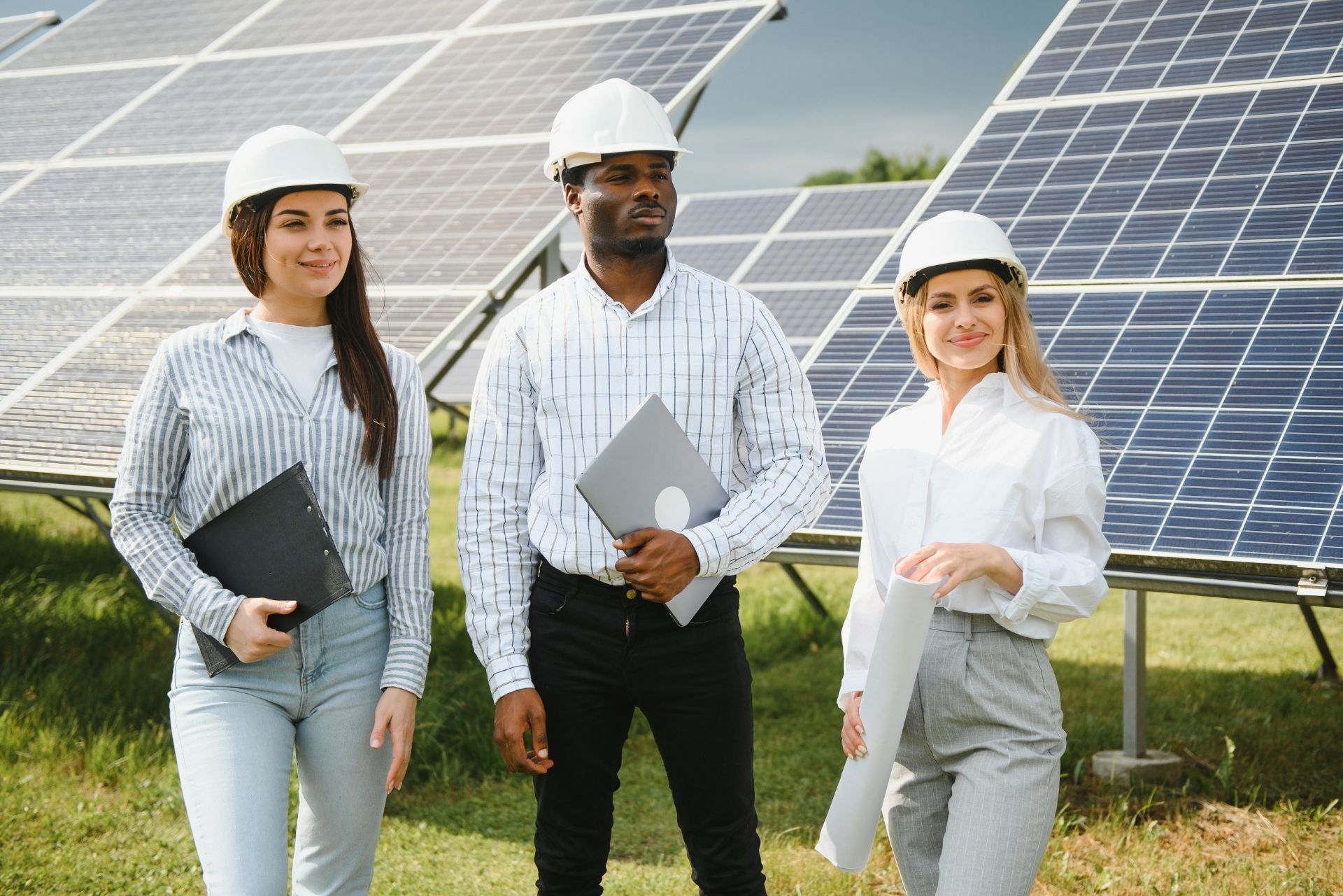
Florida’s solar industry is booming, with the state ranking second nationally for solar-generation capacity added in 2024. This rapid growth presents exciting opportunities but also unique risks for solar installation companies. Protecting your business requires a clear understanding of the challenges and smart strategies to manage them effectively.
Understanding Florida’s Solar Market Landscape
Florida installed over 3.1 gigawatts of solar capacity in 2024, trailing only Texas nationwide. This surge allowed Florida to surpass California in new utility-scale solar installations for the first time, signaling a major shift in the solar energy market according to CNBC. With more than 500 solar companies operating statewide and a market valued at $23.1 billion in 2023 per SEIA, the industry is both competitive and lucrative.
Yet, despite this growth, Florida is still tapping only about 2% of its rooftop solar potential, even though rooftop installations have increased more than tenfold in the past five years reports The Invading Sea. This gap highlights ample room for expansion but also underscores the need for companies to build resilience amid rapid scaling. The state’s unique geographical advantages, including abundant sunshine and a favorable climate, create an ideal environment for solar energy generation. As homeowners and businesses increasingly recognize the long-term savings and environmental benefits of solar, the demand for innovative financing options and installation services is likely to grow.
Moreover, Florida's regulatory landscape is evolving to support this burgeoning market. Recent legislative efforts have aimed at simplifying the permitting process for solar installations, making it easier for consumers to adopt solar technologies. Additionally, various incentive programs are being introduced to encourage both residential and commercial entities to invest in solar energy solutions. As the state continues to develop its solar infrastructure, partnerships between government agencies and private companies are becoming crucial in driving forward initiatives that promote sustainability and energy independence. This collaborative approach not only enhances the state's energy resilience but also positions Florida as a leader in the national transition towards renewable energy sources.
By: Montreal Morand
Founder & Managing Partner
Macpherson Insurance Agency
Key Risks Facing Solar Installation Companies in Florida
Regulatory and Compliance Challenges
Solar companies must navigate complex local and state regulations, including permitting, grid interconnection standards, and incentive program requirements. These rules can change quickly, and failure to comply can lead to costly delays or fines.
Staying informed about evolving policies and maintaining strong relationships with regulatory bodies helps avoid surprises. Investing in compliance expertise or consulting legal professionals familiar with Florida’s renewable energy laws is a wise preventative step. Moreover, the rapid pace of technological advancement in solar energy means that regulations may not always keep up, leading to potential gaps that companies must be prepared to address. Engaging in industry associations or advocacy groups can also provide valuable insights and collective lobbying power to influence favorable regulatory changes.
Installation and Operational Risks
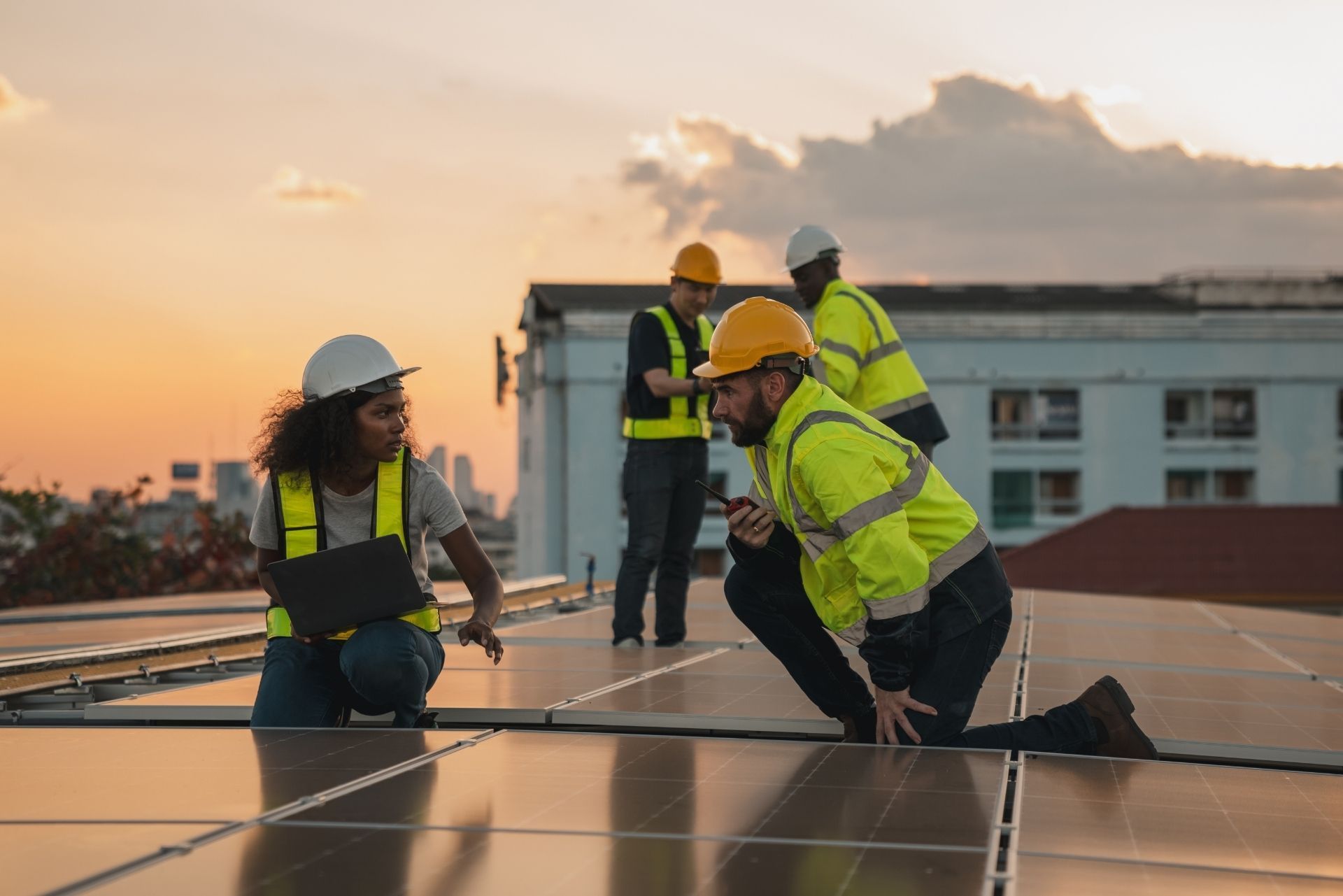
Solar installation involves working with electrical systems, heavy equipment, and rooftops, creating significant safety hazards. Injuries to workers or property damage during installation can result in expensive claims and legal exposure.
Proper training, strict adherence to safety protocols, and quality control reduce these risks. Additionally, using reliable suppliers and certified products limits the chance of equipment failure or warranty disputes. Beyond physical safety, companies must also consider the operational risks associated with project delays due to weather conditions, which can be particularly unpredictable in Florida's climate. Implementing contingency plans and scheduling flexibility can help mitigate the impact of such delays, ensuring that projects remain on track despite unforeseen challenges.
Financial Risks and Market Volatility
Although solar technology costs are becoming more affordable, as noted by Stephen Smith from the Southern Alliance for Clean Energy, who said solar plus storage is now more cost-effective than other generation technologies according to Renewable Energy World, companies still face financial risks. These include fluctuating material prices, changing incentive programs, and competition driving down margins.
Careful financial planning, flexible contracts, and diversified service offerings can help companies weather market shifts. Securing appropriate insurance coverage also protects against unexpected losses. Furthermore, as consumer awareness and demand for solar energy grow, companies must also be prepared for the potential influx of new entrants into the market, which could intensify competition and pressure pricing strategies. Developing a strong brand identity and focusing on customer service excellence can differentiate a company from its competitors, allowing it to maintain a loyal customer base even amidst market fluctuations.
Insurance Coverage Essential for Solar Installation Businesses
Insurance is a critical tool for managing the risks solar companies face. The right policies provide financial protection and peace of mind, allowing businesses to focus on growth. As the solar industry continues to expand, the need for comprehensive insurance coverage becomes increasingly vital. This not only safeguards the business assets but also enhances the company's credibility in the eyes of clients and partners, who often seek assurance that their investments are protected.
General Liability Insurance
This coverage protects against third-party claims for bodily injury or property damage caused by your operations. Given the physical nature of solar installations, general liability is fundamental. It can cover legal fees, settlements, and medical expenses that may arise from accidents on the job site. Moreover, having this insurance can help build trust with clients, as they feel more secure knowing that your business is prepared for unforeseen incidents that could impact their property or safety.
Workers’ Compensation Insurance
With over 40,000 jobs supported by Florida’s rooftop solar industry according to The Floridian, protecting employees is paramount. Workers’ compensation covers medical expenses and lost wages if a worker is injured on the job. In addition to providing financial support, this insurance fosters a safer work environment by encouraging companies to implement rigorous safety protocols. By prioritizing employee well-being, solar businesses can reduce the likelihood of accidents and enhance overall productivity.
Professional Liability Insurance
Also called errors and omissions insurance, this protects against claims of negligence or mistakes in design, consulting, or installation services. It is especially important as solar projects grow in complexity. With the rapid advancements in solar technology and design, the potential for errors increases, making this coverage essential for protecting against costly lawsuits. Furthermore, having professional liability insurance can serve as a marketing advantage, as it demonstrates a commitment to quality and accountability in the services provided.
Equipment and Property Insurance
Solar companies invest heavily in tools, vehicles, and inventory. Coverage for theft, damage, or loss ensures business continuity. This type of insurance can also extend to cover specialized equipment such as solar panels, inverters, and installation machinery, which are crucial for project success. By safeguarding these assets, businesses can minimize downtime and maintain operational efficiency, even in the face of unexpected setbacks.
Commercial Auto Insurance
Many solar businesses rely on vehicles for transporting equipment and personnel. Commercial auto policies cover accidents and liability related to business vehicles. These policies are vital not only for protecting the vehicles themselves but also for covering any damages or injuries that may occur during transportation. Additionally, having robust commercial auto insurance can help solar companies manage the risks associated with their mobile workforce, ensuring that employees are protected while on the road and that the business remains compliant with state regulations.
Strategies Beyond Insurance to Protect Your Business
Implement Strong Contractual Agreements
Clear, detailed contracts with clients, suppliers, and subcontractors reduce disputes. Include terms covering scope of work, payment schedules, warranties, and liability limits. Well-drafted agreements can prevent costly litigation. Additionally, consider incorporating clauses that address unforeseen circumstances, such as changes in regulations or natural disasters. This foresight ensures that all parties are prepared for potential disruptions, fostering a more resilient business relationship. Regularly reviewing and updating these contracts can also help adapt to evolving industry standards and legal requirements, keeping your agreements relevant and effective.
Invest in Employee Training and Safety Programs
Safety is non-negotiable in solar installation. Regular training on best practices, hazard recognition, and emergency response lowers accident rates. A culture of safety also improves morale and productivity. Furthermore, consider implementing mentorship programs where experienced workers guide newer employees. This not only enhances skill development but also strengthens team cohesion. By promoting a proactive approach to safety, employees are more likely to take ownership of their work environment, leading to innovative safety solutions and a more engaged workforce.
Adopt Quality Control Measures
Consistent inspection and testing ensure installations meet standards and client expectations. This reduces callbacks, warranty claims, and reputational damage. Establishing a feedback loop with clients can also enhance quality control; by soliciting their input post-installation, you can identify areas for improvement and reinforce customer trust. Additionally, utilizing third-party audits can provide an unbiased assessment of your quality control processes, ensuring compliance with industry regulations and best practices. Investing in continuous improvement initiatives can further elevate the quality of your services, setting your business apart in a competitive market.
Leverage Technology and Data
Modern project management software can track progress, budgets, and compliance documentation. Monitoring systems for installed solar arrays help identify issues early, enhancing customer satisfaction and reducing liability. Moreover, utilizing data analytics can provide insights into operational efficiencies and customer preferences, allowing you to tailor your offerings more effectively. Implementing customer relationship management (CRM) systems can also streamline communication and follow-ups, ensuring that clients feel valued and informed throughout the project lifecycle. By harnessing technology, you not only improve operational efficiency but also create a more responsive and customer-centric business model.
Positioning for Long-Term Success in Florida’s Solar Market
Florida’s solar industry is set for continued expansion. Solar currently accounts for over 8% of the state’s electricity generation according to SEIA, and integrating rooftop solar with battery storage and electric vehicles promises further growth and savings as a 2023 study on arXiv highlights. This growth is not merely a trend but a reflection of a broader shift towards sustainable energy solutions that are becoming increasingly vital in combating climate change. With Florida's abundant sunshine, the state is uniquely positioned to harness solar energy, making it a leader in renewable energy initiatives.
Companies that protect their operations with the right insurance, maintain compliance, prioritize safety, and build strong client relationships will thrive. The potential for job creation and economic impact remains vast, with the rooftop solar sector alone contributing billions to Florida’s GDP. Furthermore, as more homeowners and businesses invest in solar technology, the demand for skilled labor in installation, maintenance, and customer service is expected to surge. Educational institutions and training programs are beginning to adapt, offering specialized courses that equip the workforce with the necessary skills to meet this growing demand. This not only enhances job prospects but also fosters a culture of innovation and sustainability within the community.
Moreover, as the solar market evolves, the introduction of new technologies such as smart inverters and advanced energy management systems will play a crucial role in optimizing energy consumption. These innovations allow for better integration of solar power into the existing grid, enhancing reliability and efficiency. As utilities and solar companies collaborate to develop smart grid solutions, consumers will benefit from increased energy independence and reduced utility costs. The synergy between technology and renewable energy is paving the way for a more resilient and sustainable energy future in Florida, making it an exciting time for stakeholders across the industry.
Frequently Asked Questions
Q: What types of insurance are most important for solar installation companies?
A: General liability, workers’ compensation, professional liability, equipment/property, and commercial auto insurance are key to covering common risks. These insurance types not only protect the company’s assets but also ensure that employees and clients are safeguarded against potential mishaps. For instance, general liability insurance can cover claims related to bodily injury or property damage that may occur during installation, while workers’ compensation is essential for covering medical expenses and lost wages for employees injured on the job. Additionally, having professional liability insurance can protect against claims of negligence or failure to deliver services as promised, which is particularly important in a highly technical field like solar energy.
Q: How can solar companies stay compliant with Florida regulations?
A: Regularly reviewing state and local rules, working with legal experts, and maintaining open communication with regulatory agencies is essential. Florida's solar regulations can be complex and may change frequently, so companies must stay informed about any updates or new requirements. Engaging in industry associations or attending workshops can also provide valuable insights into compliance best practices. Furthermore, implementing a compliance management system can help track regulatory changes and ensure that all installations adhere to the necessary codes, ultimately reducing the risk of fines or legal challenges.
Q: What steps reduce installation-related injuries?
A: Providing thorough safety training, enforcing protocols, and using certified equipment help minimize accidents. Regular safety drills and refresher courses can keep safety top of mind for all employees, ensuring that they are well-prepared for any situation that may arise during installation. Additionally, conducting risk assessments before starting a project can identify potential hazards, allowing teams to implement specific measures to mitigate those risks. Investing in high-quality personal protective equipment (PPE) and ensuring that all tools and machinery are well-maintained further contribute to a safer working environment.
Q: Why is contract clarity important?
A: Clear contracts prevent misunderstandings, define responsibilities, and limit legal disputes. A well-drafted contract outlines the scope of work, payment terms, timelines, and warranties, which helps set clear expectations for both parties. This clarity not only fosters trust but also provides a reference point in case of disagreements. Including detailed provisions for change orders and dispute resolution can further streamline the process should issues arise, making it easier for both the solar company and the client to navigate any challenges that may come up during the project.
Q: How does Florida’s solar growth impact business opportunities?
A: Rapid expansion creates demand for installations, maintenance, and related services, offering growth potential for prepared companies. As more homeowners and businesses look to adopt solar energy solutions, the need for skilled labor and innovative technology increases. This surge in interest can lead to partnerships with local governments and organizations focused on sustainability, opening new avenues for collaboration. Moreover, as the market matures, companies that invest in research and development may find opportunities to introduce new products or services, such as energy storage solutions or smart home integrations, further enhancing their competitive edge in the evolving solar landscape.
ABOUT THE AUTHOR:
MONTREAL MORAND
With over 20 years of leadership experience in the insurance industry, I’ve dedicated my career to helping clients and agents make informed, confident decisions about their coverage. I’ve led high-performing teams, managed more than $128 million in premium, and earned multiple national awards for excellence. Today, my mission remains the same — to educate, empower, and provide dependable protection for the communities we serve.
Contact Us
Protect the Things That Matter Most
Reliable Coverage for Your Home & Lifestyle
Home Insurance
Protect your home, belongings, and personal liability with reliable coverage.
Stronger Coverage for Your Operations
Essential Protection for Your Company
Coverage built for businesses that depend on people, property, and equipment.
Industries We Support
Insurance for Everyday Local Businesses
Simple, reliable protection for the people who keep our communities running.
Plumbers
Plumbers Insurance
Protection for job-site hazards, tools, and customer property.
Restaurants
Restaurants Insurance
Coverage for fire risks, food inventory, and general liability.
HVAC Contractors
HVAC Contractors Insurance
Insurance for service vehicles, equipment, and installation risks.




Frequently Asked Questions
Helpful Answers to Common Questions
Quick guidance to help you understand your coverage.
What types of insurance does Macpherson Insurance Agency offer?
We provide both personal and commercial insurance solutions. On the personal side: homeowners, automobile, condo, renters, windstorm, flood, excess flood, and more. On the commercial side: general liability, property, inland marine, ocean marine, workers compensation, and more.
Do you specialize in homeowners insurance in South Florida?
Yes. We specialize in homeowners coverage in South Florida and work with multiple carriers based on your property’s age, location and replacement cost.
What does “replacement cost” mean in a policy?
Replacement cost is the cost to rebuild your home to the same standard it had before a loss — not the market value of your property.
Why is it important that my insurer is licensed in Florida?
Licensed Florida insurers are continuously monitored for financial stability — if one fails, the Florida Insurance Guaranty Fund may reimburse insureds for unpaid claims up to a limit.
Can I lower my homeowners premium with discounts?
Yes — mitigation features like impact glass, storm shutters, roof straps, and approved sheathing may qualify you for significant credit reductions.
Do you offer payment plans or premium financing?
Yes. In many cases, payment plans and premium financing are available to make coverage more affordable and manageable over time.
From the Blog
Helpful Tips & Insurance Guidance
Articles created to make insurance easier to understand.








Contact Us
Phone
Location