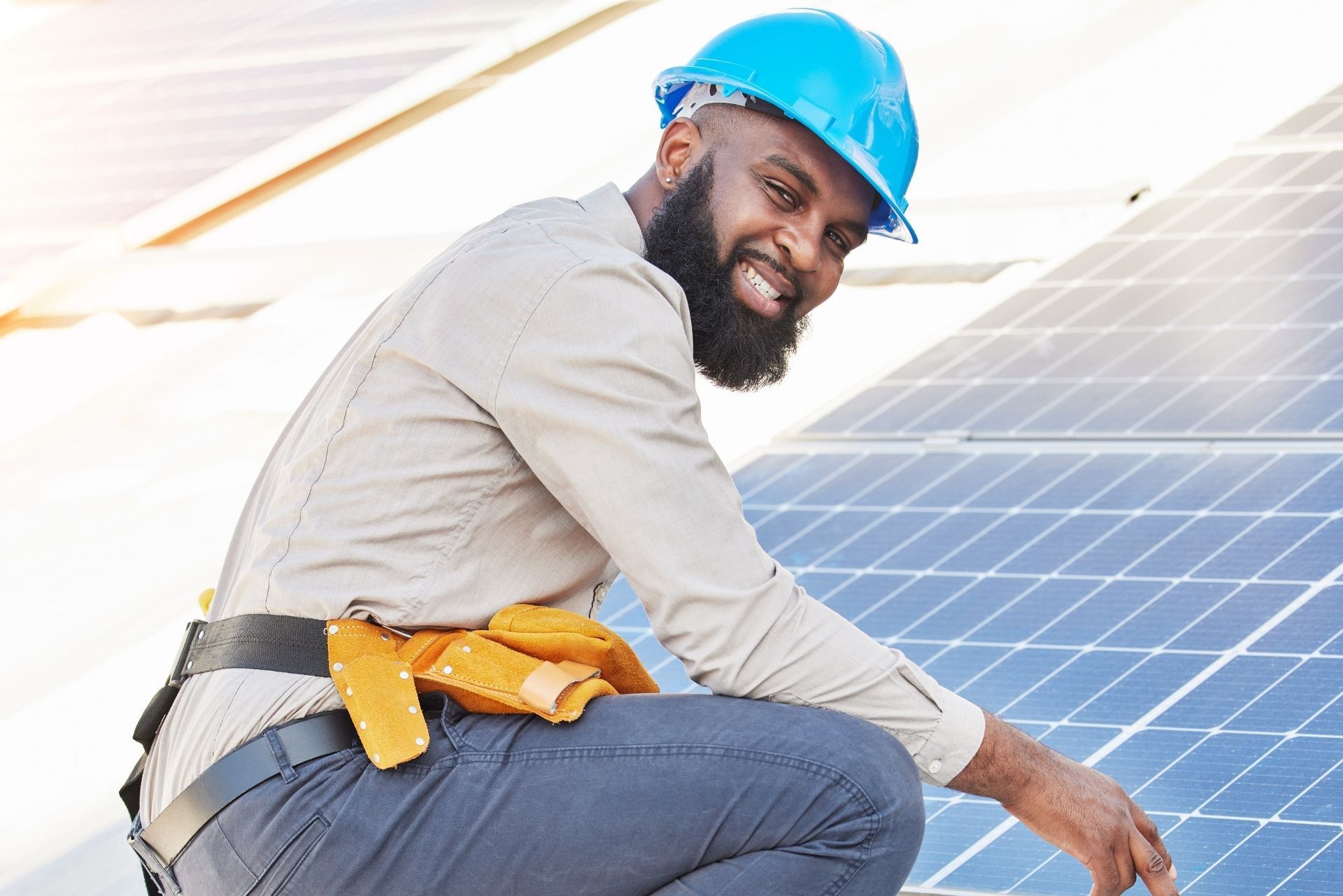
Florida’s solar market has expanded rapidly, with over 71,500 properties sporting solar installations as of early 2021. This surge reflects a growing demand for renewable energy solutions but also introduces unique challenges for solar contractors and installers. Navigating insurance coverage in this evolving landscape requires understanding both the risks and the regulatory environment specific to Florida’s solar industry. This guide breaks down what local solar and renewable contractors need to know about insurance coverage to protect their businesses and clients effectively. For context, Florida’s solar sector has seen an almost eight-fold increase in installations since 2017, according to Insurance Journal.
Understanding the Risks for Florida Solar Installers
Solar installation involves more than just mounting panels on rooftops. Contractors face risks ranging from property damage during installation to potential liability claims if equipment malfunctions later. Florida’s weather patterns, including hurricanes and intense sun exposure, add complexity to these risks. Insurers are increasingly cautious due to the relative novelty of solar technology and the limited historical data on claims.
Christy Wolfe, a sales development manager with Florida Peninsula Insurance and Edison Insurance, highlights the challenge: “There’s not a lot of history on solar panels. There’s not a lot of data, so a lot of carriers won’t cover homes with solar.” This means contractors must be proactive in securing tailored insurance policies that address the unique liabilities of solar work.
Additionally, insurers are now asking for proof of ongoing solar panel maintenance before approving claims. The International Solar Contractors Association notes this trend, emphasizing that maintenance documentation can be critical in avoiding claim denials and ensuring smooth payouts. This places an extra responsibility on contractors to educate clients about maintenance and possibly offer maintenance services themselves to protect all parties involved.
Moreover, the installation process itself can be fraught with challenges. For instance, improper installation can lead to roof leaks or structural damage, which not only jeopardizes the integrity of the home but also exposes contractors to significant liability. Florida's diverse building codes and regulations further complicate the installation process, requiring contractors to stay informed and compliant with local laws. This necessitates ongoing training and education for installers to ensure they are equipped with the latest knowledge and skills to navigate these complexities effectively.
Furthermore, as the solar industry continues to grow, the competition among installers is intensifying. This competitive landscape can lead to cost-cutting measures that may compromise safety and quality. Contractors must balance the need to remain competitive with the imperative of maintaining high standards of workmanship and safety. Engaging in industry associations and networking with peers can provide valuable insights into best practices and emerging trends, helping contractors to mitigate risks while enhancing their service offerings in this rapidly evolving market.

By: Montreal Morand
Founder & Managing Partner
Macpherson Insurance Agency
Key Insurance Coverages Solar Installers Should Consider
Solar contractors need a combination of insurance policies to cover the full spectrum of risks. Here are the essential types of coverage to prioritize:
General Liability Insurance
This is the foundation for any solar installation business. It protects against third-party bodily injury and property damage claims arising from your operations. For example, if a panel installation accidentally damages a client’s roof or causes injury, general liability insurance covers legal fees and settlements. Additionally, it can help manage the costs associated with advertising injuries, such as claims related to copyright infringement or defamation, which can arise from marketing efforts.
Professional Liability Insurance
Also known as errors and omissions insurance, this coverage protects against claims related to design flaws, installation errors, or failure to meet contractual obligations. Given the technical nature of solar systems, mistakes can lead to costly disputes. This type of insurance is particularly important as solar technology evolves, with new systems and regulations emerging frequently, increasing the potential for oversight or miscommunication.
Workers’ Compensation Insurance
Florida law requires businesses with employees to carry workers’ compensation insurance. This covers medical costs and lost wages if a worker is injured on the job, a significant concern given the physical demands and height risks in solar installation. Furthermore, having this insurance not only ensures compliance with state laws but also fosters a safer workplace environment, as it encourages employers to implement safety protocols and training programs.
Equipment and Tools Coverage
Solar installers rely on specialized equipment that can be expensive to repair or replace. Coverage for tools and equipment protects against theft, damage, or loss, ensuring minimal disruption to business operations. This coverage can also extend to rented equipment, which is often necessary for large installations, providing peace of mind that any unforeseen incidents won’t derail a project or lead to significant financial losses.
Commercial Auto Insurance
Many installers use vehicles to transport panels and equipment. Commercial auto insurance covers accidents involving business vehicles, protecting both your assets and employees. This type of insurance is crucial, especially for businesses that operate in multiple locations or have a fleet of vehicles, as it can also cover liability arising from accidents that occur while employees are driving for work-related purposes.
Installation Floater Insurance
This specialized coverage protects solar equipment while in transit and during installation. Since panels and batteries are costly, this insurance shields contractors from losses due to theft, damage, or accidents before the system is operational. Additionally, installation floater insurance can cover unexpected delays caused by weather events or other unforeseen circumstances, ensuring that contractors are not financially burdened while waiting for repairs or replacements to arrive.
Insurance Challenges in Florida’s Solar Market
The rapid growth of solar installations in Florida has not come without hurdles. Rising costs, bankruptcies, and legal disputes have slowed the industry recently. In 2024 alone, at least 100 solar-related bankruptcies were reported, signaling financial instability among some providers. These developments can complicate insurance underwriting and claims processes.
Florida’s Chief Financial Officer, Jimmy Patronis, has issued warnings about potential pitfalls tied to solar panel installations, including increased property insurance premiums. He pointed out the nationwide 1,106% surge in residential solar panel installations over five years, which has put pressure on insurers to adjust their risk models accordingly. Contractors must be aware that adding solar panels to a property can sometimes lead to higher insurance costs or stricter policy terms for homeowners, indirectly affecting contractor liability and client relationships. More details on these concerns are available through Florida CFO's consumer alert.
In addition to the financial implications, the regulatory landscape surrounding solar energy in Florida remains complex. Local governments often have varying policies regarding solar installations, which can lead to confusion for homeowners and contractors alike. Some municipalities have embraced solar energy with open arms, offering incentives and streamlined permitting processes, while others impose stringent regulations that can delay projects and increase costs. This patchwork of regulations can create additional hurdles for insurance providers who must navigate these local laws while assessing risks associated with solar installations.
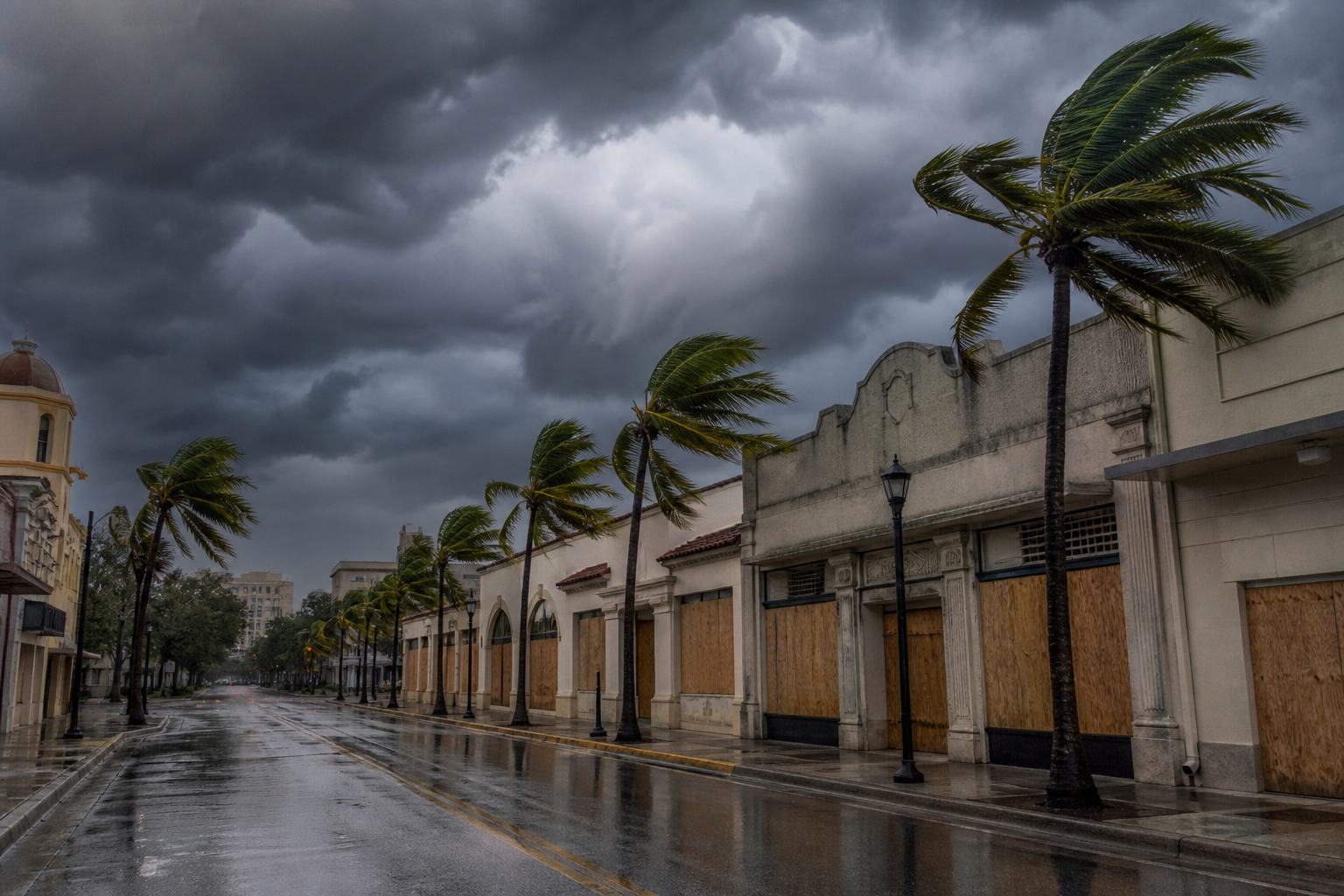
Moreover, the environmental factors unique to Florida, such as hurricanes and tropical storms, also play a significant role in shaping the insurance landscape for solar energy. Insurers must account for the potential damage that extreme weather can inflict on solar panels, which can lead to increased premiums or even exclusions in some policies. As a result, homeowners considering solar energy must not only weigh the benefits of renewable energy but also the implications of their insurance coverage in the face of Florida's unpredictable climate. Understanding these dynamics is crucial for both consumers and contractors to ensure that they are adequately protected and informed throughout the installation process.

Cost Considerations for Solar Installers and Their Clients
Understanding installation costs is crucial for contractors when advising clients and managing project budgets. The average cost of a solar system in Florida is approximately $2.75 per watt, though this varies based on system size, technology, and location. Contractors must factor these costs into their insurance and warranty planning to mitigate financial exposure. Additionally, they should consider the potential for incentives and rebates, which can significantly affect the overall financial picture. For instance, federal tax credits can reduce upfront costs, making solar installations more accessible to a broader range of clients. As the solar market evolves, staying informed about these financial incentives becomes essential for contractors aiming to provide the best value to their customers.
On the client side, studies show that solar investments can yield positive returns over time. For instance, a December 2024 study projected that existing homes in Orlando with a 9.5 kW photovoltaic system and a 42.2 kWh battery would start generating positive returns by 2029. Newly built homes could reach this milestone as early as 2024. This economic outlook supports the continued growth of solar installations, but also underscores the importance of reliable insurance coverage to protect these valuable assets. Moreover, clients should be aware of the long-term savings on utility bills, which can be substantial. In many cases, homeowners report a decrease in their monthly energy expenses, which can be reinvested into other home improvements or savings. The study is available for review at
arXiv.org.
Best Practices for Solar Installers to Secure Insurance
Securing the right insurance coverage requires a strategic approach. Solar contractors should start by conducting a thorough risk assessment of their operations. This includes evaluating job site hazards, equipment value, and client contract terms.
Building strong relationships with insurance brokers who understand the solar industry is vital. These professionals can tailor policies to fit specific business needs and help navigate Florida’s regulatory environment. Given the limited historical data on solar claims, insurers may require detailed documentation, including maintenance records and installation protocols.
Contractors should also educate clients about how solar installations may impact their property insurance. Transparency about potential premium increases or coverage limitations builds trust and reduces surprises down the line.
Maintaining Compliance and Managing Claims Effectively
Proper maintenance documentation is becoming a non-negotiable factor for insurance claims related to solar panels. Insurers want proof that panels are regularly inspected and serviced to minimize risk. Contractors who offer maintenance services or provide clients with clear maintenance schedules can improve claim outcomes.
In the event of a claim, prompt communication with insurers and thorough record-keeping are essential. Photographs, service logs, and detailed incident reports help establish the facts and support a smooth resolution.
Coverage Comparison Table for Florida Solar Installers
| Coverage Type | What It Covers | Why It Matters |
|---|---|---|
| General Liability | Third-party injuries and property damage | Protects against common onsite accidents and lawsuits |
| Professional Liability | Errors in design or installation | Covers costly mistakes and contract disputes |
| Workers’ Compensation | Employee injuries on the job | Required by law; safeguards workers and business |
| Equipment and Tools | Theft or damage to tools and equipment | Minimizes downtime and replacement costs |
| Commercial Auto | Business vehicle accidents | Protects vehicles and drivers during transport |
| Installation Floater | Solar equipment in transit and during installation | Shields against losses before system activation |
What Florida Solar Contractors Should Keep in Mind
The solar industry in Florida is dynamic and full of opportunity, but it demands careful risk management. Contractors must stay informed about market trends, regulatory changes, and insurance requirements. The recent slowdown in the industry due to financial pressures and legal challenges highlights the importance of solid insurance coverage as a foundation for sustainable growth.
Maintaining clear communication with clients about insurance implications and system maintenance can prevent disputes and enhance reputation. As the market matures, insurers will likely develop more specialized products tailored to solar contractors, making it easier to find comprehensive coverage.
For contractors looking to deepen their understanding of insurance challenges and opportunities in Florida’s solar market, the
International Solar Contractors Association offers valuable insights into maintenance and claims trends.
Frequently Asked Questions
Q: Do I need special insurance to install solar panels in Florida
A: Yes. While general liability is essential, solar installers should also consider professional liability, workers’ compensation, and installation floater insurance to cover specific risks.
Q: How does solar panel installation affect homeowners’ insurance?
A: Adding solar panels can increase property insurance premiums or change coverage terms. Homeowners should notify their insurers and discuss any adjustments needed.
Q: What documentation do insurers require for solar panel claims?
A: Proof of regular maintenance and inspection records are increasingly required to process claims related to solar equipment damage or failure.
Q: Can insurance cover damage caused by hurricanes to solar installations?
A: Yes, but coverage depends on the policy. Installation floater and property insurance may cover hurricane damage, but it’s important to verify specific terms.
Q: Are there risks of higher insurance costs for contractors installing solar panels?
A: Yes. Due to the rapid growth and emerging risks in solar, some insurers may charge higher premiums or limit coverage for solar-related work.
Q: How can solar contractors reduce insurance risks?
A: Implementing strict safety protocols, maintaining detailed records, and educating clients on maintenance can lower risks and improve insurance outcomes.
Q: Is workers’ compensation mandatory for solar installation businesses in Florida?
A: Yes. Any business with employees must carry workers’ compensation insurance to cover workplace injuries.
Solar contractors in Florida face a unique set of challenges and opportunities. By understanding the insurance landscape and preparing accordingly, they can protect their businesses, support their clients, and contribute to the state’s renewable energy future with confidence.
ABOUT THE AUTHOR:
MONTREAL MORAND
With over 20 years of leadership experience in the insurance industry, I’ve dedicated my career to helping clients and agents make informed, confident decisions about their coverage. I’ve led high-performing teams, managed more than $128 million in premium, and earned multiple national awards for excellence. Today, my mission remains the same — to educate, empower, and provide dependable protection for the communities we serve.
Contact Us
Protect the Things That Matter Most
Reliable Coverage for Your Home & Lifestyle
Home Insurance
Protect your home, belongings, and personal liability with reliable coverage.
Stronger Coverage for Your Operations
Essential Protection for Your Company
Coverage built for businesses that depend on people, property, and equipment.
Industries We Support
Insurance for Everyday Local Businesses
Simple, reliable protection for the people who keep our communities running.
Plumbers
Plumbers Insurance
Protection for job-site hazards, tools, and customer property.
Restaurants
Restaurants Insurance
Coverage for fire risks, food inventory, and general liability.
HVAC Contractors
HVAC Contractors Insurance
Insurance for service vehicles, equipment, and installation risks.




Frequently Asked Questions
Helpful Answers to Common Questions
Quick guidance to help you understand your coverage.
What types of insurance does Macpherson Insurance Agency offer?
We provide both personal and commercial insurance solutions. On the personal side: homeowners, automobile, condo, renters, windstorm, flood, excess flood, and more. On the commercial side: general liability, property, inland marine, ocean marine, workers compensation, and more.
Do you specialize in homeowners insurance in South Florida?
Yes. We specialize in homeowners coverage in South Florida and work with multiple carriers based on your property’s age, location and replacement cost.
What does “replacement cost” mean in a policy?
Replacement cost is the cost to rebuild your home to the same standard it had before a loss — not the market value of your property.
Why is it important that my insurer is licensed in Florida?
Licensed Florida insurers are continuously monitored for financial stability — if one fails, the Florida Insurance Guaranty Fund may reimburse insureds for unpaid claims up to a limit.
Can I lower my homeowners premium with discounts?
Yes — mitigation features like impact glass, storm shutters, roof straps, and approved sheathing may qualify you for significant credit reductions.
Do you offer payment plans or premium financing?
Yes. In many cases, payment plans and premium financing are available to make coverage more affordable and manageable over time.
From the Blog
Helpful Tips & Insurance Guidance
Articles created to make insurance easier to understand.






Contact Us
Phone
Location