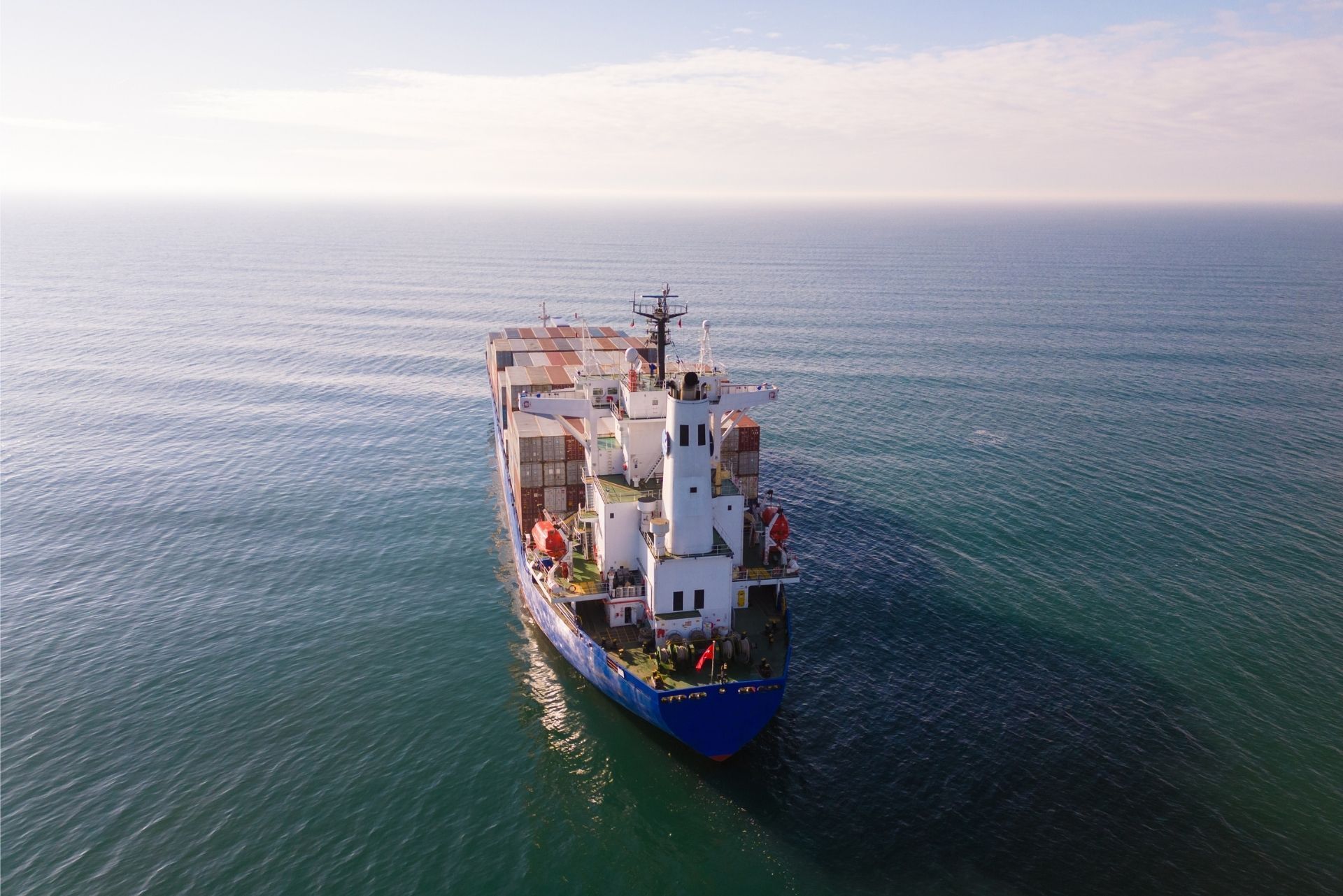
Operating a maritime business in Florida means navigating more than just the waters. With the state’s coastline exposed to hurricanes, storm surges, and rising insurance costs, understanding ocean marine insurance is crucial for protecting vessels, cargo, and business assets. The Florida insurance market has faced significant upheaval recently, making it even more important for maritime operators to secure the right coverage.
Between 2014 and 2024, Florida saw a dramatic 78% drop in active home insurance policies, reflecting broader challenges in the state’s insurance landscape according to Deep Sky Research. While this statistic focuses on home insurance, it signals the growing risks insurers face in Florida, risks that also impact ocean marine insurance. Understanding how ocean marine insurance works and what it covers can help maritime businesses stay afloat despite these challenges.
What Is Ocean Marine Insurance?
Ocean marine insurance is a specialized type of coverage designed to protect vessels, cargo, and liabilities associated with maritime operations. Unlike typical commercial insurance, ocean marine policies address risks unique to waterborne activities, including damage from storms, collisions, piracy, and cargo loss at sea.
For Florida’s maritime businesses, this insurance is essential. Whether you operate fishing boats, charter services, cargo shipping, or offshore support vessels, ocean marine insurance safeguards your investment against the unpredictable nature of marine environments.
The coverage typically includes hull insurance for physical damage to the vessel, protection and indemnity (P&I) insurance for third-party liabilities, and cargo insurance to cover goods in transit. Each component can be tailored to the specific needs of the business, which is crucial given Florida’s exposure to hurricanes and other climate risks.
In addition to the standard coverage options, many ocean marine insurance policies also offer endorsements that can enhance protection. For example, businesses may opt for coverage against environmental liabilities, which is increasingly important as regulations tighten around pollution and waste disposal in marine settings. This is particularly relevant for industries such as oil and gas, where the potential for spills or leaks can have devastating consequences for both the environment and the company's financial standing.
Furthermore, the intricacies of international shipping often necessitate additional considerations. For businesses engaged in global trade, understanding the nuances of marine insurance becomes even more critical. Factors such as the choice of shipping routes, the type of cargo being transported, and the legal frameworks of different countries can all influence the terms and pricing of marine insurance policies. As such, maritime operators are encouraged to work closely with insurance professionals who specialize in ocean marine coverage to ensure that their policies are comprehensive and aligned with their operational risks.
By: Montreal Morand
Founder & Managing Partner
Macpherson Insurance Agency
Why Florida’s Maritime Insurance Market Is Challenging
Florida’s insurance market has been under pressure for years, driven by climate risks and rising costs. The state’s personal property insurance market recently reported its first underwriting profit in eight years according to AM Best, signaling some recovery. However, premiums remain high, with the average annual property insurance premium surging to $6,000 in 2024—a 42% increase in just one year, more than three times the national average Rich Report reveals.
For maritime businesses, these trends translate into higher insurance costs and more cautious underwriting. The cost of reinsurance—the insurance companies buy to protect themselves—has skyrocketed, making ocean marine insurance pricier and harder to obtain explains Locke Burt, CEO of Security First Insurance. This ripple effect means maritime operators must carefully evaluate their insurance needs and shop for policies that balance coverage and affordability.
The Impact of Climate Risks
Florida’s coastline is vulnerable to hurricanes and storm surges, which pose significant threats to vessels and cargo. Research shows that natural barriers like mangroves play a vital role in reducing storm surge losses. In Collier County alone, mangroves help reduce property damage by $67.5 million annually according to a recent study. For maritime businesses, this highlights the importance of environmental factors in risk assessment and insurance pricing.
Insurers are increasingly factoring in these climate risks when underwriting policies. This means that businesses located in high-risk zones or those with vessels frequently exposed to harsh conditions may face higher premiums or stricter terms. Additionally, the frequency of severe weather events has led to a reevaluation of risk models, prompting insurers to adopt more conservative approaches. As a result, companies may find themselves needing to invest in risk mitigation strategies, such as upgrading their vessels or implementing more robust safety protocols, to secure favorable insurance terms.
Moreover, the interplay between climate change and regulatory changes adds another layer of complexity to the maritime insurance landscape. As state and federal governments push for more stringent environmental regulations, maritime businesses must navigate compliance while also managing their insurance costs. This can lead to a juggling act where companies must balance operational efficiency with the need for comprehensive coverage, all while adapting to an evolving regulatory environment that may impose additional liabilities.
Key Components of Florida Ocean Marine Insurance
Hull Insurance
Hull insurance covers physical damage to the vessel itself. Whether from storms, collisions, or accidents, this coverage protects the boat owner’s investment. In Florida, where hurricanes can cause severe damage, hull insurance is often mandatory for commercial vessels.
Policies can cover partial or total loss and may include protection against theft or vandalism. Given the rising costs in the insurance market, it’s important to review hull insurance limits and deductibles carefully to ensure adequate protection without overpaying. Additionally, boat owners should consider the age and condition of their vessel when selecting a policy, as older boats may require specialized coverage that accounts for their unique risks. Regular maintenance and inspections can also play a crucial role in both preventing damage and potentially lowering insurance premiums, as insurers often reward proactive measures with discounts.
Protection and Indemnity (P&I) Insurance
P&I insurance covers liabilities to third parties, such as injury to crew members, damage to other vessels, or environmental pollution. This coverage is essential for maritime businesses that interact with other boats, ports, or the public.
Florida’s complex waterways and busy ports increase the risk of liability claims. Having robust P&I coverage can protect a business from costly lawsuits and regulatory fines. Furthermore, the state’s stringent environmental regulations necessitate that maritime operators not only understand their coverage limits but also stay informed about evolving laws that could impact their liability. Engaging with legal experts and insurance advisors can help businesses navigate these complexities, ensuring they are adequately covered against potential claims that could arise from unforeseen incidents, such as oil spills or accidents involving sensitive marine life.
Cargo Insurance
For businesses transporting goods by sea, cargo insurance covers loss or damage to the shipment. This can include everything from fishing hauls to commercial freight. Cargo insurance terms vary depending on the type of goods, route, and mode of transport.
Given Florida’s strategic position as a maritime hub, cargo insurance often needs to cover risks associated with loading, unloading, and inland transportation as well. The diverse range of goods shipped from Florida, including perishables, electronics, and industrial equipment, requires tailored insurance solutions that address specific vulnerabilities. Additionally, businesses should be aware of the Incoterms—international commercial terms that define the responsibilities of buyers and sellers—since these can significantly affect liability and insurance coverage during transit. By understanding these terms and working closely with insurance providers, businesses can better mitigate risks associated with cargo loss or damage, ensuring smoother operations in the competitive maritime landscape.
How to Choose the Right Ocean Marine Insurance
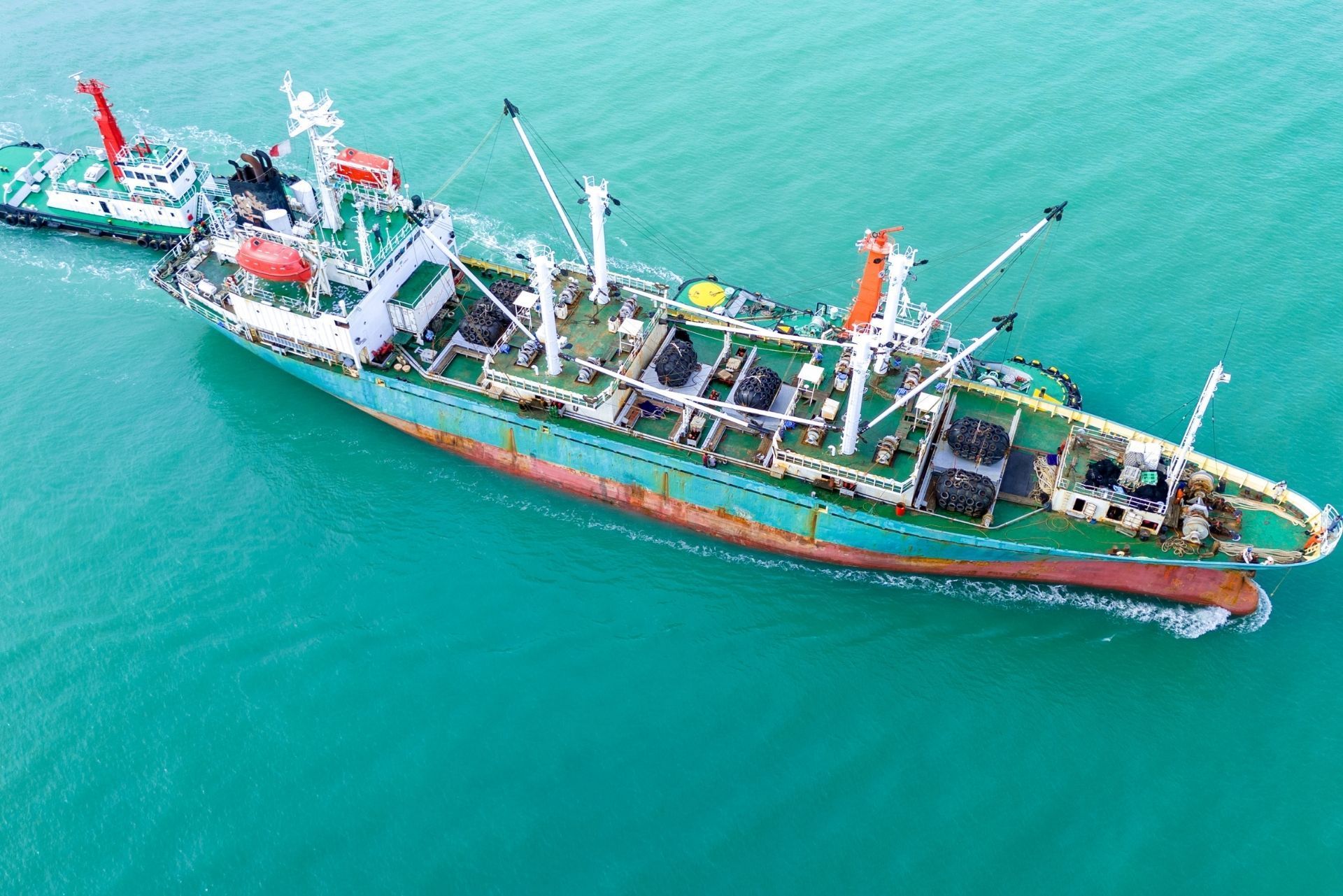
Selecting the right policy requires understanding your business’s unique risks and needs. Here are some factors to consider:
- Vessel Type and Use: Different vessels face different risks. A fishing boat’s coverage needs differ from those of a charter yacht or cargo ship.
- Operational Area: Operating in hurricane-prone zones or busy shipping lanes affects risk and premiums.
- Coverage Limits and Deductibles: Balancing protection with cost is key. Higher deductibles can lower premiums but increase out-of-pocket expenses after a claim.
- Claims History: A clean claims record can help secure better rates.
- Environmental Considerations: Businesses that invest in risk mitigation, such as maintaining vessels properly or supporting natural barriers like mangroves, may benefit from more favorable terms.
Working with an insurance professional experienced in Florida’s marine market can help tailor coverage effectively. They can also navigate the state’s evolving insurance environment, which has seen reforms aimed at reducing fraud and stabilizing the market. Bryon Ehrhart from AON notes, “I think we’ve gotten it back to an insurance market rather than a fraud market” highlighting recent improvements.
Moreover, understanding the nuances of marine insurance can significantly impact your operational efficiency and financial health. For instance, policies may include coverage for specific perils such as piracy, environmental damage, or even crew injuries, which are particularly relevant for businesses operating in high-risk areas. Additionally, the inclusion of endorsements or riders can provide enhanced protection for specialized equipment or cargo, ensuring that your investment is safeguarded against unforeseen events.
It’s also essential to keep abreast of industry trends and advancements in technology that can influence marine insurance. The rise of telematics and data analytics is enabling insurers to offer more personalized and precise coverage options. By leveraging real-time data on vessel performance and environmental conditions, businesses can not only optimize their operations but also potentially lower their insurance premiums by demonstrating a commitment to risk management and safety protocols. This proactive approach can lead to a more resilient business model in an ever-evolving maritime landscape.
Managing Risk Beyond Insurance
Insurance is just one part of protecting a maritime business. Proactive risk management can reduce premiums and improve safety.
Environmental Protection
Supporting natural coastal defenses like mangroves not only benefits the environment but also reduces storm damage risks. This can indirectly influence insurance costs and claims frequency. Furthermore, investing in eco-friendly practices can enhance a company's reputation, attracting environmentally conscious clients and partners. By engaging in restoration projects or sustainable practices, maritime businesses can contribute to the resilience of coastal ecosystems, which play a crucial role in mitigating the impacts of climate change and preserving biodiversity.
Maintenance and Safety Protocols
Regular vessel maintenance and strict safety procedures reduce accidents and claims. Insurers often reward businesses that demonstrate strong risk management with better rates. Additionally, implementing advanced technology such as predictive maintenance systems can help identify potential issues before they escalate into costly repairs or accidents. Training crew members in safety protocols and emergency response not only fosters a culture of safety but also enhances team cohesion and operational efficiency, ultimately leading to a more robust business model.
Emergency Preparedness
Having plans for severe weather, evacuation, and cargo protection can limit losses during hurricanes or storms. This readiness is especially important in Florida’s climate. Establishing a comprehensive emergency response plan that includes regular drills and communication strategies ensures that all personnel are well-prepared for unexpected events. Furthermore, collaborating with local authorities and other maritime businesses can enhance community resilience, creating a network of support that can be invaluable during crises. By fostering these relationships, businesses can share resources and information, leading to more effective responses and recovery efforts in the face of natural disasters.
What Florida Maritime Businesses Should Know Now
The Florida insurance market remains in flux, but there are signs of stabilization. The state’s insurer of last resort has expanded its market share from 6% to 63%, reflecting shifts in where coverage is available according to PR Newswire. While this has helped keep some coverage accessible, it also underscores the challenges private insurers face. The increasing frequency and intensity of storms, coupled with rising sea levels, have forced many insurers to reevaluate their risk assessments, leading to higher premiums and stricter underwriting criteria. This evolving landscape highlights the importance of understanding the specific risks associated with maritime operations in Florida.
For maritime businesses, this means staying informed and flexible. Insurance costs may remain high, but careful planning and risk management can make coverage more affordable and effective. The first underwriting profit in Florida’s personal property market in eight years is a hopeful sign, but the road ahead requires vigilance and smart choices AM Best reports. Additionally, businesses should consider diversifying their insurance portfolios to include specialized coverages tailored to their unique operational risks, such as pollution liability and cargo insurance. Engaging with knowledgeable brokers who understand the maritime sector can provide invaluable insights and help navigate the complexities of the current market.
Ultimately, ocean marine insurance is a vital tool for Florida’s maritime operators. Understanding the coverage options, market conditions, and risk factors can help businesses protect their vessels, cargo, and livelihoods in a challenging environment. Furthermore, as technology continues to advance, integrating risk management tools such as real-time tracking systems and predictive analytics can enhance operational efficiency and safety. By leveraging these innovations, maritime businesses can not only mitigate risks but also position themselves for growth in an increasingly competitive market.
Frequently Asked Questions
What does ocean marine insurance typically cover?
It covers physical damage to vessels (hull insurance), liabilities to third parties (protection and indemnity), and loss or damage to cargo during transit.
Why is ocean marine insurance more expensive in Florida?
Florida’s exposure to hurricanes and storm surges increases risk. Additionally, the cost of reinsurance has skyrocketed, leading to higher premiums.
Can natural barriers like mangroves affect my insurance costs?
Yes. Mangroves reduce storm surge damage, which can lower risk and potentially influence insurance pricing positively.
How can I reduce my ocean marine insurance premiums?
Maintaining your vessel, implementing safety protocols, managing risks proactively, and working with an experienced insurer can help lower premiums.
Is P&I insurance necessary for all maritime businesses?
While not legally required for all, P&I insurance is highly recommended to protect against third-party liabilities, which are common in maritime operations.
What should I consider when choosing coverage limits?
Assess your vessel’s value, typical cargo worth, and potential liability exposure to select limits that provide adequate protection without excessive cost.
How has Florida’s insurance market changed recently?
The market has contracted sharply, with fewer active policies and higher premiums, but recent reforms have improved conditions, reducing fraud and stabilizing underwriting.
ABOUT THE AUTHOR:
MONTREAL MORAND
With over 20 years of leadership experience in the insurance industry, I’ve dedicated my career to helping clients and agents make informed, confident decisions about their coverage. I’ve led high-performing teams, managed more than $128 million in premium, and earned multiple national awards for excellence. Today, my mission remains the same — to educate, empower, and provide dependable protection for the communities we serve.
Contact Us
Protect the Things That Matter Most
Reliable Coverage for Your Home & Lifestyle
Home Insurance
Protect your home, belongings, and personal liability with reliable coverage.
Stronger Coverage for Your Operations
Essential Protection for Your Company
Coverage built for businesses that depend on people, property, and equipment.
Industries We Support
Insurance for Everyday Local Businesses
Simple, reliable protection for the people who keep our communities running.
Plumbers
Plumbers Insurance
Protection for job-site hazards, tools, and customer property.
Restaurants
Restaurants Insurance
Coverage for fire risks, food inventory, and general liability.
HVAC Contractors
HVAC Contractors Insurance
Insurance for service vehicles, equipment, and installation risks.




Frequently Asked Questions
Helpful Answers to Common Questions
Quick guidance to help you understand your coverage.
What types of insurance does Macpherson Insurance Agency offer?
We provide both personal and commercial insurance solutions. On the personal side: homeowners, automobile, condo, renters, windstorm, flood, excess flood, and more. On the commercial side: general liability, property, inland marine, ocean marine, workers compensation, and more.
Do you specialize in homeowners insurance in South Florida?
Yes. We specialize in homeowners coverage in South Florida and work with multiple carriers based on your property’s age, location and replacement cost.
What does “replacement cost” mean in a policy?
Replacement cost is the cost to rebuild your home to the same standard it had before a loss — not the market value of your property.
Why is it important that my insurer is licensed in Florida?
Licensed Florida insurers are continuously monitored for financial stability — if one fails, the Florida Insurance Guaranty Fund may reimburse insureds for unpaid claims up to a limit.
Can I lower my homeowners premium with discounts?
Yes — mitigation features like impact glass, storm shutters, roof straps, and approved sheathing may qualify you for significant credit reductions.
Do you offer payment plans or premium financing?
Yes. In many cases, payment plans and premium financing are available to make coverage more affordable and manageable over time.
From the Blog
Helpful Tips & Insurance Guidance
Articles created to make insurance easier to understand.







Contact Us
Phone
Location