
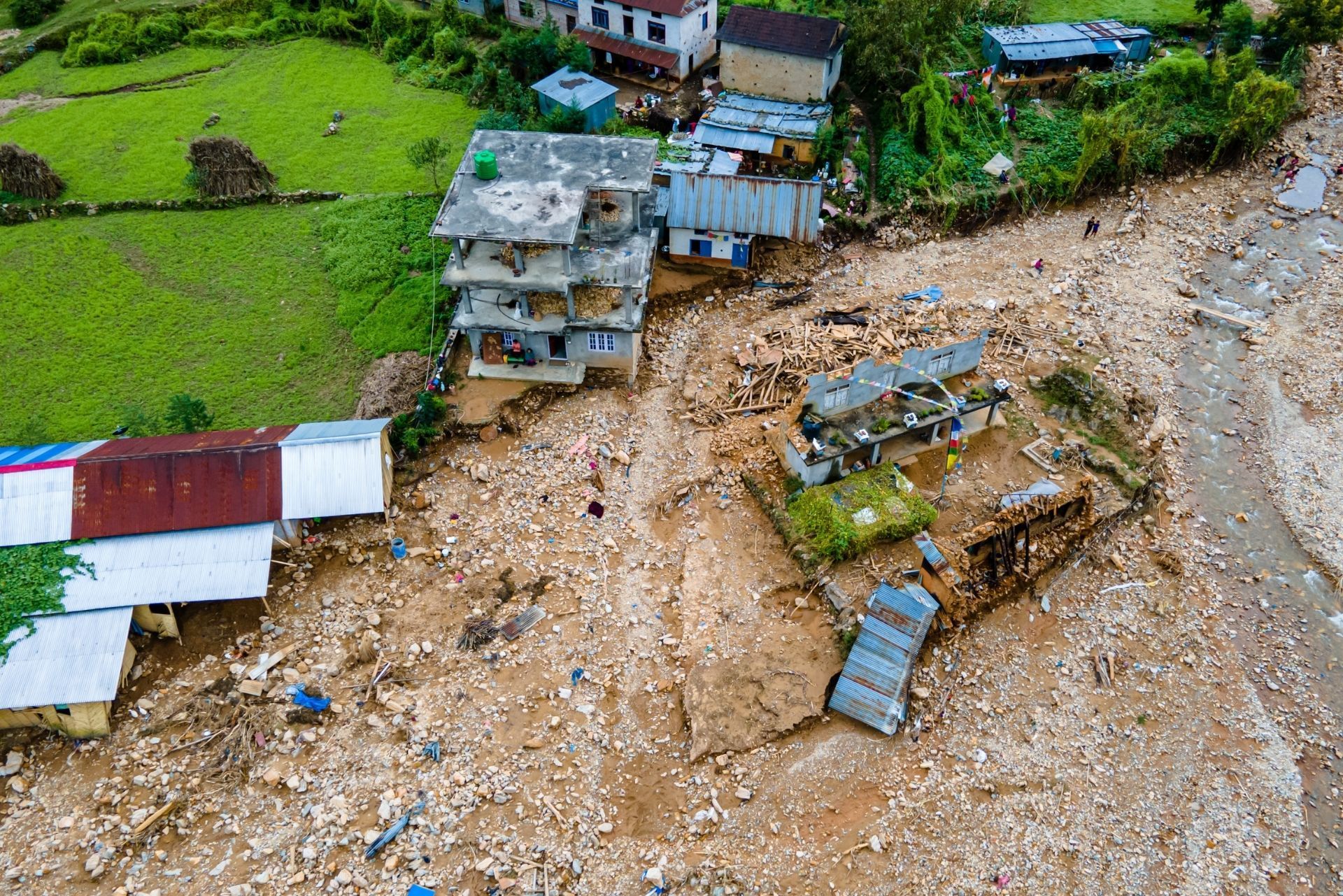
Florida homeowners face some of the most challenging insurance landscapes in the United States. With hurricanes and flooding becoming increasingly frequent and severe, understanding insurance options is critical for protecting property and financial security. In 2023 alone, the National Flood Insurance Program (NFIP) paid out $629 million to Florida residents, representing nearly 69% of the total NFIP payouts nationwide. This staggering figure highlights the scale of flood risk in the state and the importance of having the right coverage in place.
Insurify’s report on NFIP flood claims offers a detailed look at this growing challenge.
Why Florida’s Insurance Market Is Under Pressure
Florida’s insurance market is undergoing significant shifts. Between 2014 and 2024, the number of active home insurance policies in the state plummeted from 3.2 million to just 710,000. Meanwhile, Citizens Property Insurance Corporation, Florida’s insurer of last resort, has expanded its market share from 6% to 63%. This dramatic change reflects the increasing difficulty private insurers face in managing risks tied to hurricanes and flooding. Insurance Business America’s analysis sheds light on this collapse.
One key driver behind this market contraction is the rising cost of insurance premiums. Florida homeowners now pay the highest average annual home insurance premium in the U.S.-$10,996 in 2023-almost five times the national average of $2,377. This steep rise is a direct response to the escalating risks posed by natural disasters, especially hurricanes and flooding.
Jeremy Porter, a climate risk expert at First Street Foundation, points out that these rising costs are a clear signal of climate change’s deep impacts in west Florida. Communities like Fort Myers Beach are repeatedly hit by storms that cause costly damage and long recovery periods. This cycle puts immense pressure on insurers and homeowners alike. CNBC’s coverage offers expert insight into these climate-driven insurance challenges.
Additionally, the impact of fraudulent claims and litigation has exacerbated the situation. Insurers have reported a surge in fraudulent roofing claims, where unscrupulous contractors convince homeowners to file claims for unnecessary repairs. This not only inflates costs for insurers but also leads to higher premiums for all policyholders. The legal environment in Florida, often seen as favorable to plaintiffs, further complicates matters, as insurers face a barrage of lawsuits that drive up operational costs and deter new entrants into the market.
Moreover, the demographic shifts in Florida are also influencing the insurance landscape. As more people flock to the Sunshine State, the demand for housing and insurance increases, putting further strain on an already beleaguered market. Many new residents, often from areas less prone to natural disasters, may not fully grasp the risks associated with Florida's unique climate challenges. This lack of awareness can lead to underinsurance, leaving homeowners vulnerable when disaster strikes. The combination of these factors creates a perfect storm, making it increasingly difficult for insurers to provide affordable coverage while maintaining financial stability.

By: Montreal Morand
Founder & Managing Partner
Macpherson Insurance Agency
Understanding Flood Insurance in Florida
Flooding is one of the most destructive natural disasters in Florida. Yet, only about 7.6% of Florida residents had flood insurance policies through the NFIP as of February 2024. This low uptake is concerning given the state’s vulnerability. The NFIP is a government-backed program designed to provide flood coverage where private insurers often hesitate to step in. The unique geography of Florida, with its extensive coastline and low-lying areas, makes it particularly susceptible to flooding, especially during the hurricane season when heavy rains and storm surges can lead to devastating consequences.
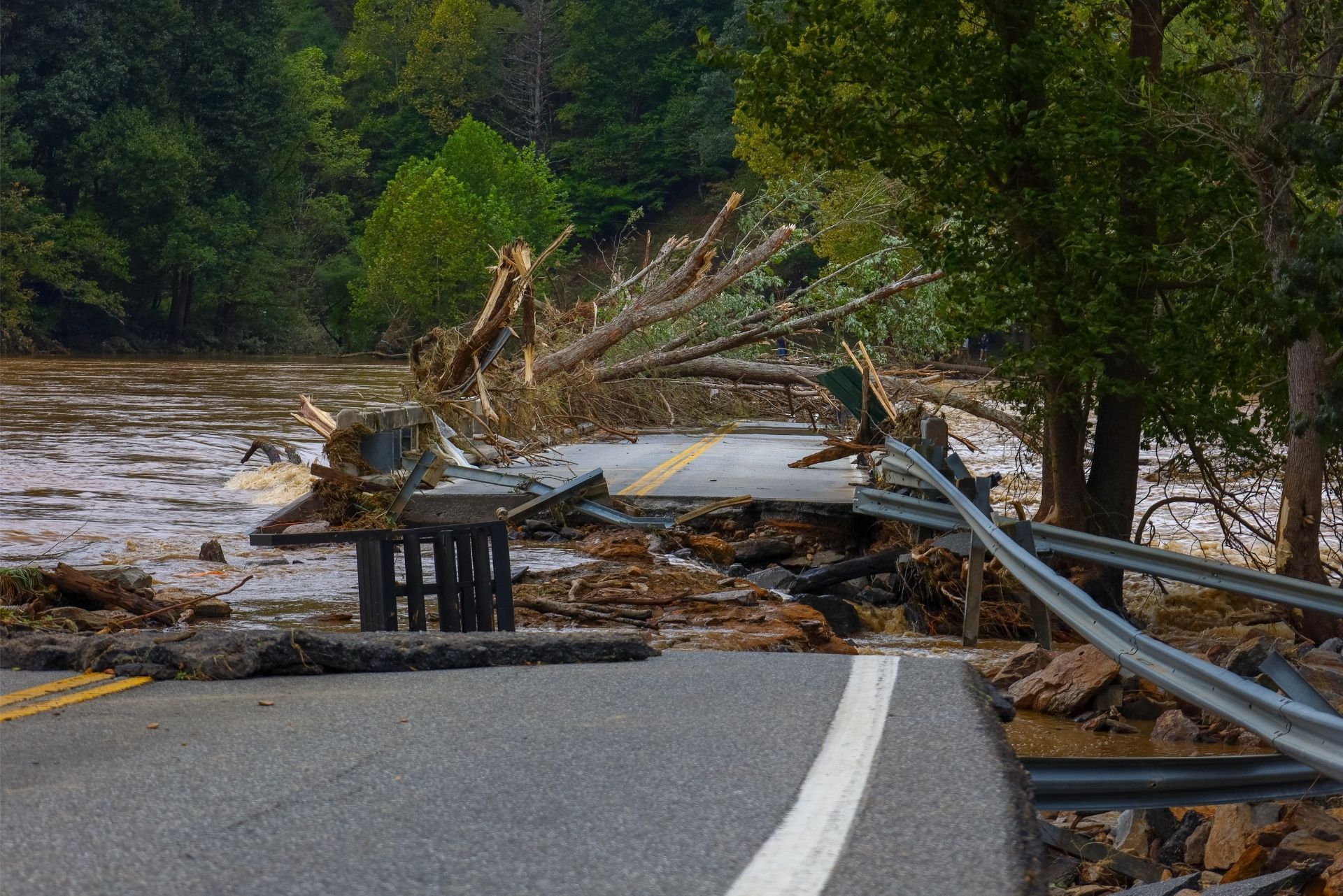
Flood insurance through the NFIP covers damages caused by flooding, including storm surges from hurricanes, which are common in Florida. In 2023, the NFIP’s $629 million payout to Florida residents was largely driven by hurricane-related flooding. These payouts underscore the importance of flood insurance, especially in coastal and low-lying areas where storm surges can cause catastrophic damage. Additionally, the increasing frequency of extreme weather events due to climate change has made it even more critical for Floridians to assess their flood risk and consider obtaining coverage. Many residents remain unaware that standard homeowners insurance does not cover flood damage, which can lead to significant financial burdens after a disaster strikes.
Mark Friedlander, Director of Corporate Communications at the Insurance Information Institute, emphasizes that the growing number of flood events in Florida means more homeowners are at risk and should consider flood insurance seriously. CBS Miami’s report highlights this urgent need for coverage. Furthermore, community awareness initiatives are being launched to educate residents about the importance of flood insurance and the potential financial repercussions of being uninsured. These programs aim to empower homeowners with knowledge about their options and the steps they can take to protect their properties.
What Flood Insurance Covers
Flood insurance typically covers the structure of the home and its foundation, electrical and plumbing systems, appliances, and personal belongings damaged by flooding. However, it does not cover damage from storms unrelated to flooding, such as wind damage from hurricanes. That means homeowners often need separate policies or endorsements to fully protect against hurricane damage. It's important for homeowners to carefully review their policies and understand the specific terms and conditions, as well as any exclusions that may apply. Additionally, some policies may offer coverage for additional living expenses if a home becomes uninhabitable due to flood damage, providing crucial support during the recovery process.
Limitations and Considerations
NFIP policies have coverage limits, usually up to $250,000 for the building and $100,000 for contents. For many homeowners, especially in high-value coastal areas, this may not be sufficient. Private flood insurance options are emerging but can come with higher premiums and stricter underwriting. Homeowners should also consider the waiting period for flood insurance coverage, which is typically 30 days after purchase, making it essential to secure a policy well in advance of hurricane season. Additionally, factors such as the elevation of the property, proximity to water bodies, and local flood zone designations can significantly influence insurance rates and availability, making it crucial for homeowners to stay informed about their specific risk factors and insurance options.
Hurricane Insurance: What You Need to Know
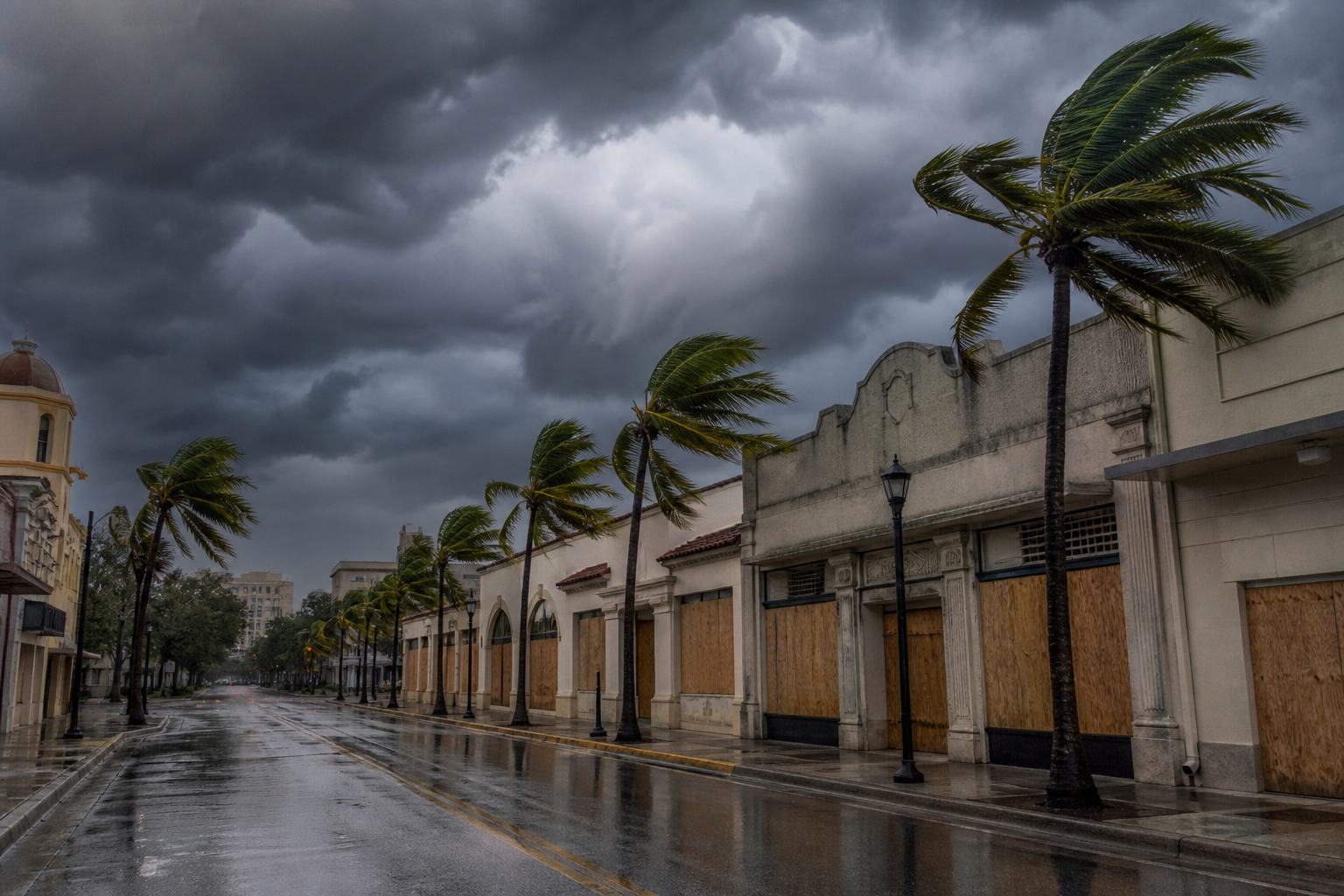
Hurricanes bring a combination of wind damage, flooding, and storm surge, making insurance coverage complex. Standard homeowners insurance policies often cover wind damage but exclude flood damage, which requires separate flood insurance. Given Florida’s exposure, many insurers have tightened underwriting standards or raised premiums significantly. Homeowners must navigate these complexities to ensure they have adequate protection, especially in regions prone to severe weather events. Understanding the nuances of different policies and the risks associated with hurricanes is crucial for safeguarding one’s investment.
The collapse of Florida’s private home insurance market has forced many homeowners to rely on Citizens Property Insurance Corporation. While this insurer provides a safety net, it is not a long-term solution for all. The increasing frequency of hurricanes means more claims, which in turn drives premiums higher and reduces the availability of affordable coverage. Homeowners are encouraged to explore all available options, including potential coverage through private insurers that may offer more competitive rates or better terms. Additionally, staying informed about legislative changes that could impact insurance availability and costs is vital for homeowners seeking the best coverage.
Windstorm Coverage and Deductibles
Windstorm coverage is typically part of a homeowners policy but often comes with a separate hurricane deductible. These deductibles can be a percentage of the home’s insured value rather than a fixed dollar amount, sometimes reaching 5% or more. This can result in substantial out-of-pocket costs after a hurricane. Homeowners should carefully review their policies to understand how these deductibles work and plan accordingly. Some may find it beneficial to set aside emergency funds specifically for these potential costs, ensuring they are better prepared should a hurricane strike.
Mitigation and Its Impact on Insurance
Investing in hurricane mitigation measures—such as impact-resistant windows, reinforced roofs, and storm shutters—can reduce insurance premiums. Some insurers offer discounts for homes that meet specific building codes or have undergone certified upgrades. These steps not only protect property but also make insurance more affordable. Furthermore, local governments and organizations often provide resources and incentives for homeowners to implement these safety measures, recognizing the long-term benefits of reduced risk and enhanced community resilience. By taking proactive steps, homeowners can not only safeguard their properties but also contribute to the overall safety and stability of their neighborhoods during hurricane season.
The Role of Natural Defenses in Reducing Insurance Risk
Florida’s natural environment plays a crucial role in mitigating storm damage. Mangroves, for instance, act as buffers against storm surges and flooding. A study focusing on Collier County estimated that mangroves reduce storm surge losses by $67.5 million annually. During major hurricanes, these natural defenses have saved billions in property damage—$725 million during Hurricane Irma in 2017 and an astonishing $4.1 billion during Hurricane Ian in 2022. This research highlights the economic value of preserving and restoring natural barriers.
Homeowners and communities that prioritize environmental conservation can indirectly influence their insurance costs by reducing overall risk. While insurance companies do not yet widely factor in proximity to natural defenses, this could change as climate risk modeling evolves. The integration of natural defenses into urban planning and development strategies not only enhances resilience but also fosters a sense of community stewardship. As neighborhoods work together to plant trees, restore wetlands, and maintain coastal ecosystems, they create a collective buffer that benefits all residents, ultimately leading to a more sustainable environment.
Furthermore, the role of natural defenses extends beyond mere financial savings; they also contribute to biodiversity and ecosystem health. Healthy mangrove forests, for example, provide habitat for various species, including fish, birds, and other wildlife, which in turn supports local fisheries and tourism industries. The interplay between natural defenses and economic vitality underscores the importance of holistic approaches to disaster preparedness and environmental management. As awareness grows regarding the interconnectedness of ecosystems and human settlements, there is a pressing need for policies that incentivize the conservation of these vital natural resources, ensuring that both people and nature thrive in harmony.
Choosing the Right Coverage: A Practical Guide
Given the complexity of Florida’s natural disaster risks, selecting the right insurance coverage requires careful consideration. Here are key points to keep in mind:
- Separate Flood Insurance: Always verify whether your homeowners policy includes flood coverage. If not, consider purchasing an NFIP policy or a private flood insurance plan.
- Understand Deductibles: Know your hurricane and windstorm deductibles and prepare financially for potential out-of-pocket expenses.
- Mitigation Efforts: Invest in home improvements that reduce hurricane damage risk to lower premiums.
- Review Coverage Limits: Ensure your policy limits reflect the current value of your home and possessions, especially in high-risk areas.
- Monitor Market Changes: Stay informed about shifts in Florida’s insurance market, including the role of Citizens Property Insurance Corporation and private insurers.
Comparing Flood and Homeowners Insurance Coverage
| Coverage Aspect | First NaHomeowners Insurance me | Flood Insurance (NFIP) |
|---|---|---|
| Damage from wind | Covered | Not covered |
| Damage from flooding | Not covered | Covered |
| Coverage limits | Varies by policy | Up to $250,000 for structure, $100,000 for contents |
| Deductibles | May include hurricane-specific deductible | Standard deductible applies |
| Availability | Private insurers and Citizens Property Insurance | NFIP and some private flood insurers |
What Florida Homeowners Should Keep in Mind
Rising insurance costs and increasing natural disaster risks make it essential for Florida homeowners to be proactive. Only a small fraction of residents currently carry flood insurance, despite the state’s vulnerability. The financial impact of hurricanes and flooding can be devastating without adequate coverage.
Understanding the distinction between flood and hurricane coverage is the first step. Then, homeowners should evaluate their risk based on location, home value, and exposure to storm surge or flooding. Consulting with insurance professionals who understand Florida’s unique market can help tailor coverage to individual needs.
While the insurance market faces challenges, natural defenses like mangroves offer hope by reducing damage and potentially lowering risk over time. Supporting conservation efforts can be a community-level strategy to mitigate future losses.
Keeping an eye on market developments is also wise. With Citizens Property Insurance Corporation now covering a majority of Florida’s homeowners, changes in policy terms or pricing can have wide-reaching effects. Staying informed helps homeowners avoid surprises and make timely decisions.
Florida’s natural disaster insurance landscape is complicated but navigable. Armed with the right knowledge and coverage, homeowners can protect their investments and weather the storms ahead.
Frequently Asked Questions
Q: Do I need flood insurance if I already have homeowners insurance?
A: Yes. Standard homeowners insurance generally does not cover flood damage. Flood insurance is a separate policy, often through the NFIP or private insurers.
Q: How much does flood insurance typically cost in Florida?
A: Costs vary based on location and risk, but with only about 7.6% of residents carrying flood insurance, many still underestimate the expense. Premiums tend to be higher in high-risk coastal areas.
Q: What is a hurricane deductible?
A: It is a special deductible applied to hurricane-related wind damage claims, often calculated as a percentage of the insured home value rather than a fixed amount.
Q: Can natural features like mangroves affect my insurance rates?
A: While not widely factored into insurance pricing yet, natural barriers like mangroves reduce storm surge damage and could influence risk assessments in the future.
Q: Why are Florida home insurance premiums so high?
A: Frequent hurricanes, flooding, and increasing claims drive up costs. The shrinking private insurance market also reduces competition, leading to higher premiums.
Q: What options do I have if private insurers won’t cover my home?
A: Many turn to Citizens Property Insurance Corporation, Florida’s insurer of last resort, though coverage terms and costs may differ from private policies.
ABOUT THE AUTHOR:
MONTREAL MORAND
With over 20 years of leadership experience in the insurance industry, I’ve dedicated my career to helping clients and agents make informed, confident decisions about their coverage. I’ve led high-performing teams, managed more than $128 million in premium, and earned multiple national awards for excellence. Today, my mission remains the same — to educate, empower, and provide dependable protection for the communities we serve.
Contact Us
Protect the Things That Matter Most
Reliable Coverage for Your Home & Lifestyle
Home Insurance
Protect your home, belongings, and personal liability with reliable coverage.
Stronger Coverage for Your Operations
Essential Protection for Your Company
Coverage built for businesses that depend on people, property, and equipment.
Industries We Support
Insurance for Everyday Local Businesses
Simple, reliable protection for the people who keep our communities running.
Plumbers
Plumbers Insurance
Protection for job-site hazards, tools, and customer property.
Restaurants
Restaurants Insurance
Coverage for fire risks, food inventory, and general liability.
HVAC Contractors
HVAC Contractors Insurance
Insurance for service vehicles, equipment, and installation risks.




Frequently Asked Questions
Helpful Answers to Common Questions
Quick guidance to help you understand your coverage.
What types of insurance does Macpherson Insurance Agency offer?
We provide both personal and commercial insurance solutions. On the personal side: homeowners, automobile, condo, renters, windstorm, flood, excess flood, and more. On the commercial side: general liability, property, inland marine, ocean marine, workers compensation, and more.
Do you specialize in homeowners insurance in South Florida?
Yes. We specialize in homeowners coverage in South Florida and work with multiple carriers based on your property’s age, location and replacement cost.
What does “replacement cost” mean in a policy?
Replacement cost is the cost to rebuild your home to the same standard it had before a loss — not the market value of your property.
Why is it important that my insurer is licensed in Florida?
Licensed Florida insurers are continuously monitored for financial stability — if one fails, the Florida Insurance Guaranty Fund may reimburse insureds for unpaid claims up to a limit.
Can I lower my homeowners premium with discounts?
Yes — mitigation features like impact glass, storm shutters, roof straps, and approved sheathing may qualify you for significant credit reductions.
Do you offer payment plans or premium financing?
Yes. In many cases, payment plans and premium financing are available to make coverage more affordable and manageable over time.
From the Blog
Helpful Tips & Insurance Guidance
Articles created to make insurance easier to understand.








Contact Us
Phone
Location