
Florida’s craft beverage scene is booming like never before. Over the past decade, the number of craft breweries in the state jumped from 66 to 396, a sixfold increase that highlights just how vibrant this market has become. This rapid growth brings exciting opportunities but also new risks for brewery and distillery owners, especially those operating both production facilities and tasting rooms. Understanding the right insurance coverage is critical to protect these businesses from unexpected financial setbacks.
With the craft beer industry expected to reach $1.3 billion by 2025 and the broader beverage sector contributing $21 billion annually to Florida’s economy, securing tailored insurance solutions is more important than ever. This article breaks down key insurance considerations for Florida breweries and distilleries, focusing on production areas and tasting rooms, and explains why specialized coverage matters.
For a deeper dive into the Florida craft beer market’s expansion, check out the
University of Florida Institute of Food and Agricultural Sciences report.
Why Specialized Insurance Matters for Florida Breweries and Distilleries
Craft breweries and distilleries face unique risks that standard business insurance often doesn’t cover. From the production floor to the tasting room, these operations juggle hazards such as equipment breakdown, product contamination, liquor liability, and property damage. The stakes are high when you consider the scale of production and the number of visitors tasting your products on-site.
Smaller, independent breweries often lack the resources and market research capabilities of larger brands, which can make navigating insurance options challenging. According to Meri Hambaryan, a doctoral candidate at UF/IFAS, this gap means many craft producers might not fully understand their coverage needs or the risks they face.
Insurance tailored to breweries and distilleries typically includes coverage for:
- Property damage: Protects buildings, equipment, and inventory from fire, storms, or accidents.
- General liability: Covers injuries or damages occurring on-site, including tasting rooms.
- Product liability: Shields against claims related to product defects or contamination.
- Liquor liability: Essential for tasting rooms and sales, covering claims related to alcohol service.
- Business interruption: Helps recover lost income if production halts due to covered events.
Without these protections, breweries and distilleries risk devastating financial losses from lawsuits, property damage, or regulatory fines. Moreover, the craft beverage industry is characterized by its rapid growth and evolving consumer preferences, which can introduce additional uncertainties. For instance, a sudden shift in local regulations regarding alcohol sales or health standards can catch unprepared businesses off guard, leading to costly compliance issues. This unpredictability highlights the necessity for breweries and distilleries to not only secure appropriate insurance but also to stay informed about industry trends and legislative changes.
Additionally, the communal aspect of craft brewing and distilling means that these businesses often host events, tours, and tastings that can attract large crowds. While this can enhance brand visibility and customer loyalty, it also increases the potential for accidents or incidents that could result in liability claims. Therefore, having comprehensive insurance coverage is not just a safety net; it is a crucial component of a brewery or distillery's overall risk management strategy. By investing in specialized insurance, these businesses can focus on what they do best: creating exceptional products and fostering a vibrant community around their craft.

By: Montreal Morand
Founder & Managing Partner
Macpherson Insurance Agency
Production Risks and Insurance Considerations
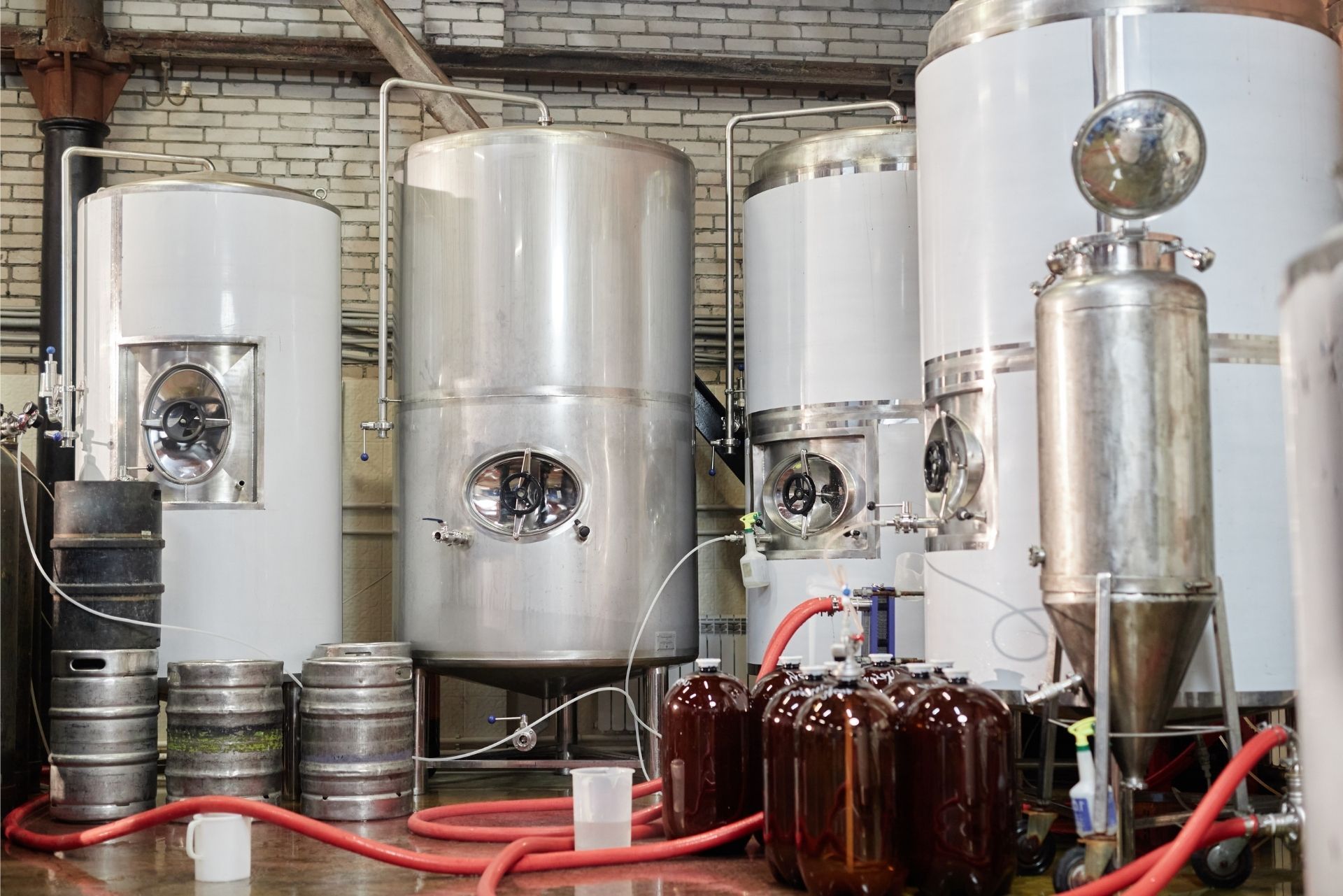
Production facilities are the heart of any brewery or distillery, but they come with specific risks that require careful insurance planning. Equipment like fermenters, boilers, and bottling lines are expensive and vulnerable to breakdowns or accidents. Additionally, breweries consume significant amounts of energy, which adds operational costs and environmental considerations.
A study involving 239 Danish breweries showed that implementing energy flexibility measures could reduce electricity costs by 1.56% annually and cut about 1,745 tonnes of CO2 emissions. While this study is international, it highlights opportunities for Florida breweries to adopt sustainable practices that might also influence insurance premiums or eligibility for green incentives. By investing in energy-efficient technologies or renewable energy sources, breweries can not only reduce their carbon footprint but also enhance their appeal to environmentally conscious consumers, potentially driving sales and improving their market position.
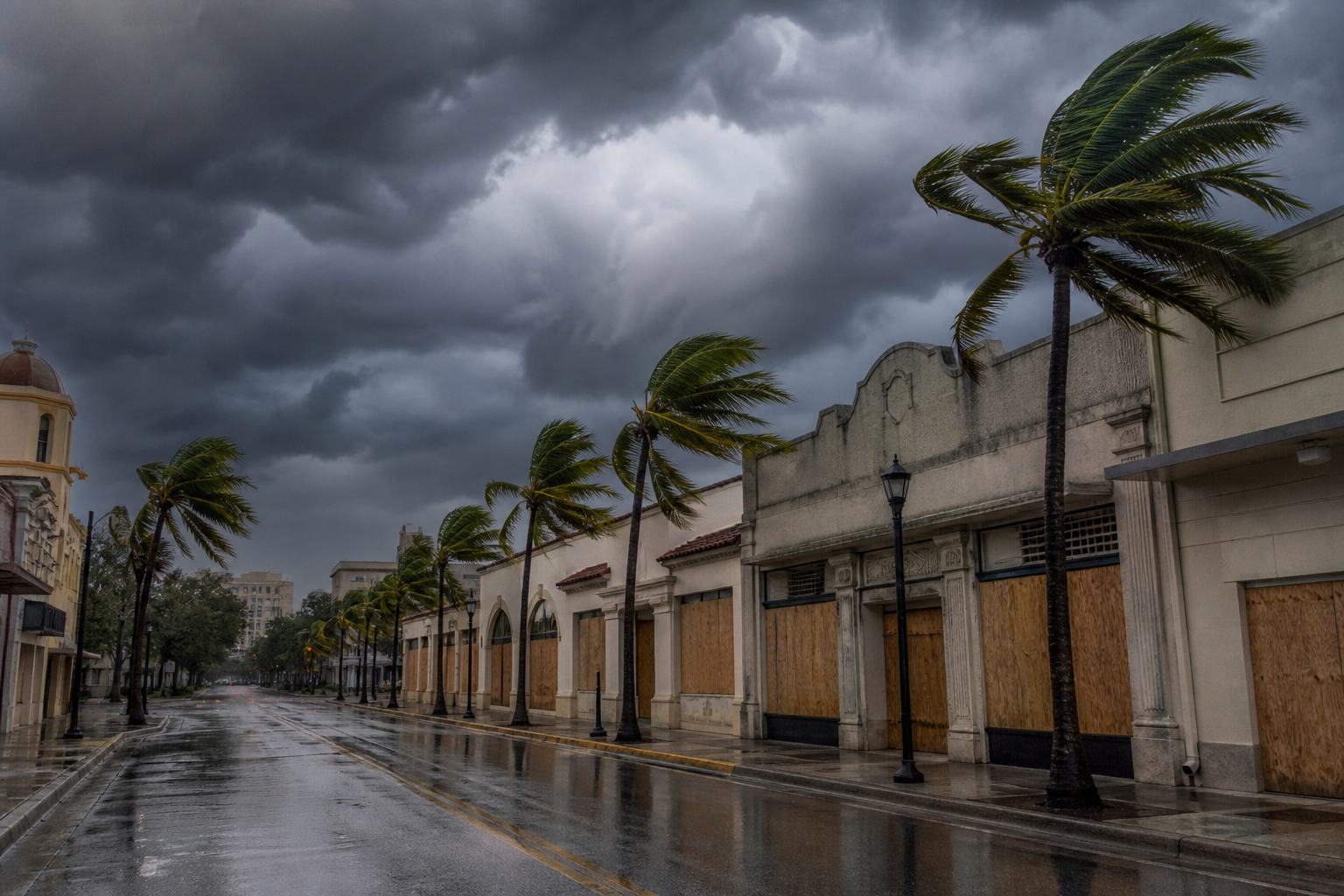
Property insurance is especially critical in Florida, where weather risks like hurricanes and flooding can threaten production facilities. The state’s property insurance market recently reported its first underwriting profit in eight years, thanks to legislative reforms and rate increases, signaling a more stable environment for property coverage. This development could lead to more competitive rates for breweries and distilleries seeking to protect their physical assets. Moreover, as climate change continues to impact weather patterns, breweries might consider additional coverage options, such as business interruption insurance, to safeguard against the financial fallout of unexpected closures due to severe weather events.
Given the technical nature of production risks, many breweries also invest in equipment breakdown insurance. This coverage helps repair or replace machinery damaged by electrical surges, mechanical failure, or operator error, minimizing downtime and financial impact. Furthermore, proactive maintenance programs can play a crucial role in mitigating these risks. By regularly servicing equipment and conducting thorough inspections, breweries can not only extend the lifespan of their machinery but also demonstrate to insurers that they are taking steps to minimize potential claims, which could result in lower premiums.
Learn more about Florida’s property insurance market improvements from the
Florida Office of Insurance Regulation.
Tasting Room Liability and Coverage Needs
Tasting rooms have become a major revenue stream and marketing tool for breweries and distilleries. They invite customers to experience products firsthand, build brand loyalty, and increase direct sales. However, these spaces introduce additional liability risks that require specialized insurance coverage.
Liquor liability insurance is a must-have for tasting rooms. It protects against claims arising from alcohol-related incidents, such as intoxicated patrons causing accidents or injuries. Since Florida recently increased the production limit for distilleries to qualify as craft distilleries from 75,000 gallons to 250,000 gallons per year, more distilleries may expand their tasting operations, making liquor liability coverage even more relevant.
General liability insurance also plays a crucial role in covering slip-and-fall accidents, property damage caused by visitors, or other incidents occurring on-site. Given the high foot traffic in tasting rooms, these claims are not uncommon.
Some tasting rooms also offer food service or host events, which can add complexity to insurance needs. In these cases, additional coverage such as food contamination liability or event insurance might be necessary. This is particularly important as many tasting rooms strive to create a full sensory experience, pairing their beverages with gourmet food offerings or hosting live music events that can draw large crowds. Each of these activities not only enhances customer engagement but also increases the potential for unforeseen incidents that could lead to liability claims.
Barry, a Florida distillery owner, notes the pressures facing the industry, including regulatory changes and market shifts, which make comprehensive insurance even more important for managing risk in tasting rooms and production alike. He emphasizes that understanding the nuances of insurance coverage is essential for distillery owners, especially as they navigate the evolving landscape of craft beverage production. With the rise of social media, a single negative incident can quickly escalate, making it imperative for tasting rooms to be prepared with adequate insurance to protect their reputation and financial stability.
Details on Florida’s craft distillery production limits can be found on the
Florida Senate website.

Economic Impact and Industry Growth
Florida’s beverage industry is a powerhouse, generating $21 billion in direct economic impact and supporting over 326,000 jobs as of 2023. Within this sector, breweries alone are expected to grow at an annualized rate to reach $1.3 billion by 2025, with 356 establishments employing nearly 2,800 people. This remarkable growth is fueled not only by local consumption but also by an increasing influx of tourists drawn to Florida's vibrant craft beer scene, which showcases a diverse array of flavors and brewing techniques that reflect the state’s unique cultural influences.
This growth reflects strong consumer demand and a thriving craft culture. However, it also means more competition and operational challenges for small and mid-sized producers. Insurance becomes a critical tool for managing risks that could otherwise derail growth plans. As the market becomes saturated, breweries must differentiate themselves through innovative marketing strategies, quality control, and customer engagement, all while ensuring they are adequately protected against potential liabilities that could arise from production mishaps or product recalls.
Smaller breweries often face resource constraints, making it harder to navigate complex insurance landscapes. Expert insights from UF/IFAS emphasize the need for tailored market research and risk management strategies to help these businesses thrive without overpaying or leaving gaps in coverage. Additionally, as sustainability becomes a priority for consumers, many breweries are exploring eco-friendly practices, such as sourcing local ingredients and implementing energy-efficient brewing processes, which can also influence their insurance needs and operational costs.
Explore the economic data from the
Florida Beverage Association for more context. The association provides valuable resources and networking opportunities that can help new entrants and established players alike to stay informed about industry trends and regulatory changes, ensuring they remain competitive in a rapidly evolving market.
Energy Efficiency and Sustainability in Brewery Insurance
Energy use is a significant cost driver for breweries, and sustainability efforts are gaining traction. The Danish brewery study mentioned earlier highlights how energy flexibility can cut costs and reduce carbon footprints. Florida breweries looking to implement similar measures may find insurance carriers increasingly interested in these initiatives.
Some insurers offer premium discounts or incentives for businesses that adopt energy-efficient equipment or sustainable practices. This trend aligns with broader environmental goals and helps breweries reduce operational risks linked to energy supply disruptions or rising costs.
Incorporating sustainability into risk management can also improve a brewery’s public image and appeal to eco-conscious consumers. Insurance policies that recognize these efforts provide an added layer of value beyond traditional coverage.
For insights on brewery and distillery insurance specifics, see the Doozy Solutions Tech Report.
Key Insurance Coverage Comparison for Breweries and Distilleries
| Coverage Type | Purpose | Typical Risks Covered | Importance for Production | Importance for Tasting Rooms |
|---|---|---|---|---|
| Property Insurance | Protects physical assets | Fire, storm damage, equipment breakdown | High – protects costly machinery and inventory | Medium – covers building and furnishings |
| General Liability | Covers third-party injury or damage | Slip-and-fall, property damage, bodily injury | Medium – protects against accidents on-site | High – essential for customer safety in tasting rooms |
| Product Liability | Protects against product-related claims | Contamination, defects, recalls | High – critical for product safety | Medium – covers products served on-site |
| Liquor Liability | Covers alcohol-related incidents | Injuries or damages caused by intoxicated patrons | Low – usually not needed in production areas | High – mandatory for tasting rooms and sales |
| Business Interruption | Compensates lost income during downtime | Fire, equipment failure, natural disasters | High – protects revenue during production halts | Medium – covers tasting room closures |
Managing Industry Challenges with Insurance
The craft beverage industry faces pressures beyond just operational risks. Market fluctuations, regulatory changes, and economic shifts can all impact profitability. Barry, a Florida distillery owner, points out the downward pressure on the industry, which makes risk management and cost control more important than ever.
Insurance is a key part of this strategy. It not only protects against direct losses but also provides peace of mind, allowing owners to focus on growth and innovation. As Florida’s craft beverage market continues to expand, staying ahead with comprehensive, tailored insurance coverage will be a competitive advantage.
Frequently Asked Questions About Brewery and Distillery Insurance
Q: What types of insurance are essential for a Florida brewery?
A: Property insurance, general liability, product liability, liquor liability (for tasting rooms), and business interruption coverage are all important to protect against common risks.
Q: Do tasting rooms require special insurance?
A: Yes. Tasting rooms need liquor liability insurance to cover alcohol-related incidents and general liability to protect against visitor injuries or property damage.
Q: How does Florida’s weather affect brewery insurance?
A: Florida’s hurricane and storm risks make property insurance critical. Recent legislative reforms have improved the property insurance market, potentially benefiting breweries.
Q: Can breweries get discounts for energy-efficient practices?
A: Some insurers offer incentives for breweries that implement energy-saving measures, which can reduce premiums and support sustainability goals.
Q: What should small breweries consider when choosing insurance?
A: Smaller breweries should assess their unique risks carefully and seek tailored coverage, as they often lack the resources of larger companies to absorb losses.
Q: Does business interruption insurance cover tasting room closures?
A: Yes. Business interruption insurance can help recover lost income if tasting rooms must close due to covered events like fire or equipment failure.
Q: Has Florida changed any laws affecting distillery insurance?
A: The state increased the production limit for craft distilleries, which may lead to expanded operations and insurance needs for larger distilleries.
Choosing the right insurance coverage is a vital step for Florida’s breweries and distilleries to protect their investments, manage risks, and support sustainable growth. As the industry evolves, so too must the strategies for safeguarding these dynamic businesses.
ABOUT THE AUTHOR:
MONTREAL MORAND
With over 20 years of leadership experience in the insurance industry, I’ve dedicated my career to helping clients and agents make informed, confident decisions about their coverage. I’ve led high-performing teams, managed more than $128 million in premium, and earned multiple national awards for excellence. Today, my mission remains the same — to educate, empower, and provide dependable protection for the communities we serve.
Contact Us
Protect the Things That Matter Most
Reliable Coverage for Your Home & Lifestyle
Home Insurance
Protect your home, belongings, and personal liability with reliable coverage.
Stronger Coverage for Your Operations
Essential Protection for Your Company
Coverage built for businesses that depend on people, property, and equipment.
Industries We Support
Insurance for Everyday Local Businesses
Simple, reliable protection for the people who keep our communities running.
Plumbers
Plumbers Insurance
Protection for job-site hazards, tools, and customer property.
Restaurants
Restaurants Insurance
Coverage for fire risks, food inventory, and general liability.
HVAC Contractors
HVAC Contractors Insurance
Insurance for service vehicles, equipment, and installation risks.




Frequently Asked Questions
Helpful Answers to Common Questions
Quick guidance to help you understand your coverage.
What types of insurance does Macpherson Insurance Agency offer?
We provide both personal and commercial insurance solutions. On the personal side: homeowners, automobile, condo, renters, windstorm, flood, excess flood, and more. On the commercial side: general liability, property, inland marine, ocean marine, workers compensation, and more.
Do you specialize in homeowners insurance in South Florida?
Yes. We specialize in homeowners coverage in South Florida and work with multiple carriers based on your property’s age, location and replacement cost.
What does “replacement cost” mean in a policy?
Replacement cost is the cost to rebuild your home to the same standard it had before a loss — not the market value of your property.
Why is it important that my insurer is licensed in Florida?
Licensed Florida insurers are continuously monitored for financial stability — if one fails, the Florida Insurance Guaranty Fund may reimburse insureds for unpaid claims up to a limit.
Can I lower my homeowners premium with discounts?
Yes — mitigation features like impact glass, storm shutters, roof straps, and approved sheathing may qualify you for significant credit reductions.
Do you offer payment plans or premium financing?
Yes. In many cases, payment plans and premium financing are available to make coverage more affordable and manageable over time.
From the Blog
Helpful Tips & Insurance Guidance
Articles created to make insurance easier to understand.








Contact Us
Phone
Location