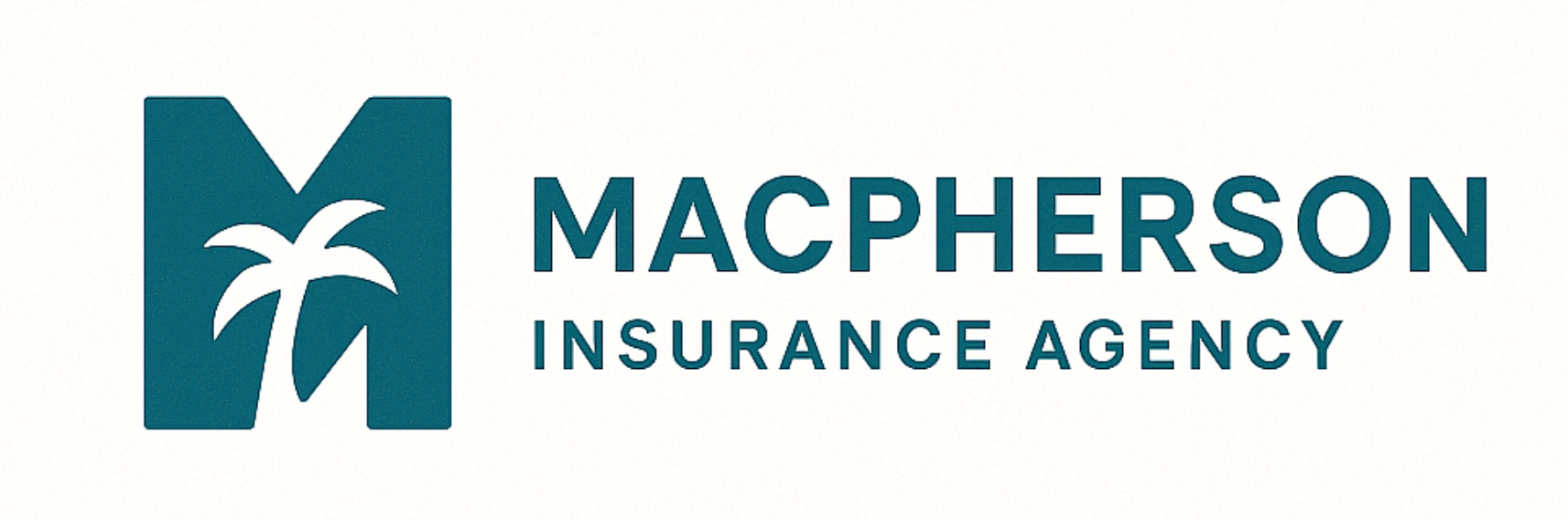
One dropped load from a crane or a failed scaffold tie-in can turn a routine job into a serious loss before anyone has time to react. For rigging and scaffolding companies in Florida, the combination of height, heavy loads, and tight project schedules creates a risk profile that looks very different from a typical contractor. Insurance is not just a box to tick for bid packets. It sits right beside job planning, equipment inspection, and crew training as a core part of staying in business.
Florida regulators expect employers that operate in the state to protect their workers with proper coverage. State guidance explains that businesses conducting work in Florida are required to provide workers compensation insurance for employees, with specific rules that tighten when construction activity is involved according to the Florida Department of Financial Services. For high hazard trades like rigging and scaffolding, that legal framework sits on top of already high jobsite risk, which makes understanding insurance requirements even more important.
Owners who understand how these coverages fit together gain a real advantage. They can negotiate better contracts, push back on unrealistic demands, and build a safer, more insurable operation. The sections that follow break down what Florida rigging and scaffolding companies need to know, from workers compensation rules to specialized riggers liability and practical ways to control cost without weakening protection.
Why Rigging and Scaffolding Work Is So Exposed In Florida
Rigging and scaffolding crews work where gravity is never on their side. Cranes, hoists, suspended platforms, and system scaffolds all create exposures where a small oversight can have serious consequences. Even simple tasks like shifting a material platform or resetting a swing stage can lead to property damage or injury if a load slips or a connection point was not secured correctly. Those risks sit on top of the usual contractor concerns, like general liability and auto incidents, which means a poorly structured insurance program can leave large gaps.
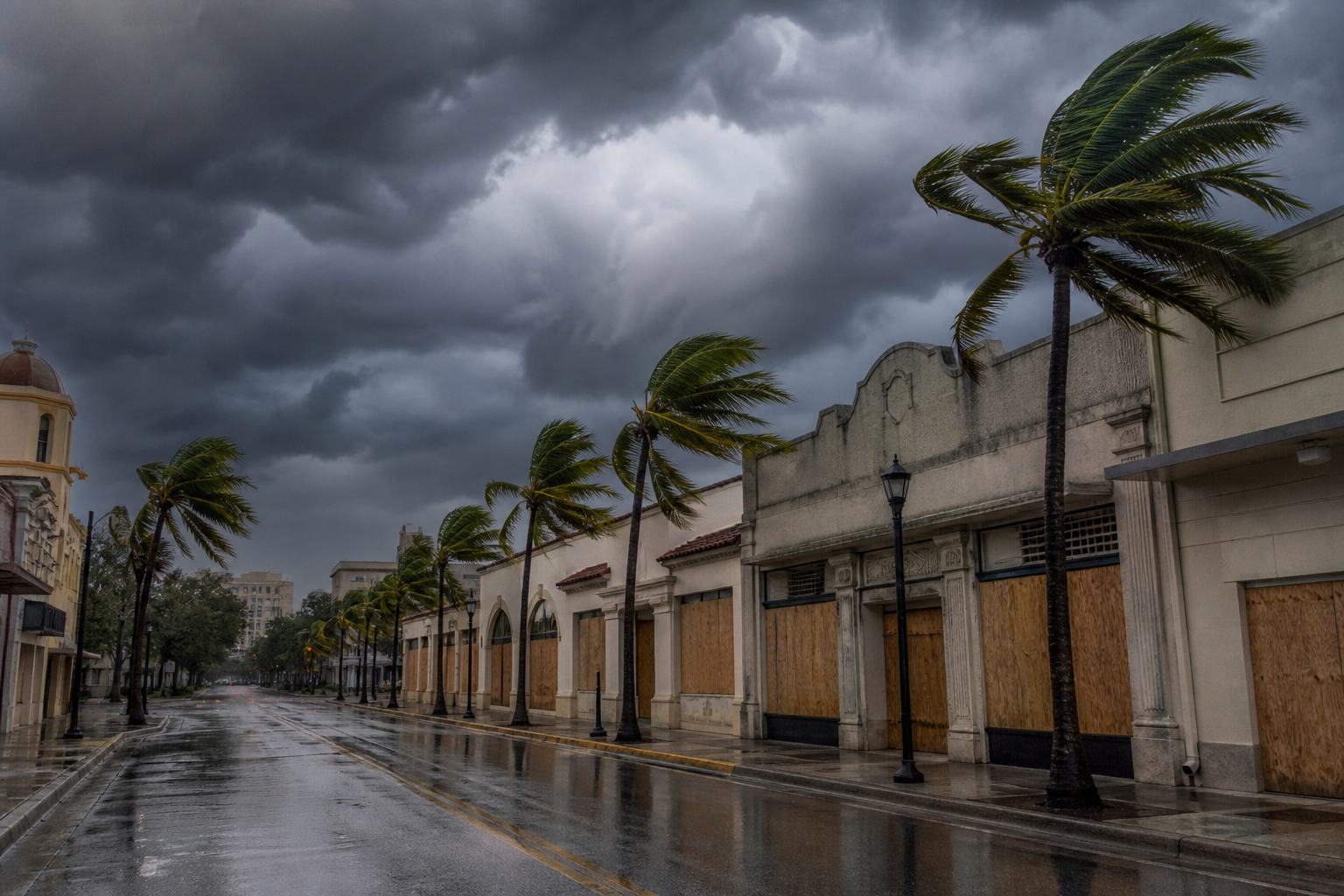
Florida projects add a few twists that owners in other states may not face as often. Coastal weather, high humidity, and frequent afternoon storms can stress cables, connections, and anchoring systems. Unexpected wind gusts can make a safe load suddenly unstable once it is in the air. High-rise work in coastal cities mixes tight urban jobsites with heavy pedestrian traffic, so a dropped tool or displaced plank can affect people far from the work zone. All of that makes written insurance requirements in contracts feel stricter and often more complicated.
On top of environmental factors, different parties on the site often carry overlapping responsibilities. A general contractor might supply the crane, while a specialized rigging company plans the lift and a separate scaffolding crew builds access to the work area. When something goes wrong, lawyers and insurers will look closely at contract language, job notes, and certificates of insurance to determine who is responsible. That is where the right combination of policies, with carefully set limits and job-specific endorsements, really matters.
By: Montreal Morand
Founder & Managing Partner
Macpherson Insurance Agency
Florida Workers Compensation Rules Rigging And Scaffolding Owners Cannot Ignore
Workers compensation is the coverage that keeps injured employees from bearing medical and lost wage costs alone, and it is also the coverage Florida regulators track most aggressively. For most non construction businesses in the state, the rule is that employers with at least four employees must carry workers compensation insurance for their staff according to the Florida Department of Financial Services. Rigging and scaffolding work, however, falls squarely within the construction side of the law, where the threshold is much stricter.
State guidance explains that employers in construction who have one or more employees, including owners who are corporate officers or members of an LLC, are required to carry workers compensation coverage as outlined by the Florida Department of Financial Services. Some industry resources emphasize the same concept in simple terms by stressing that Florida construction firms must insure every employee, including the owner, regardless of crew size as summarized by Kickstand Insurance. For a small rigging or scaffold shop, that means the first hired field worker usually marks the point when coverage becomes mandatory.
Regulators also point out another key principle. Employers that conduct work in Florida must provide workers compensation coverage for their employees while work is being performed in the state, even if the business is based elsewhere based on state guidance. Out of state rigging and scaffolding companies that travel into Florida for a single large lift or a long term scaffold erection project need to take that requirement seriously. Certificates from a home state policy may not be enough if the policy was not written correctly for multi state operations.
How Workers Compensation Connects To Everyday Jobsite Reality
On paper, workers compensation sounds straightforward. It pays medical bills, replaces part of an injured worker’s lost income, and can provide benefits if someone cannot return to their trade. For a rigging or scaffolding company, the real impact shows up in how incidents ripple through the rest of the business. A serious injury can slow down projects, trigger extra inspections from clients or agencies, and push experience ratings higher, which affects premium for several years. It can also strain relationships with skilled workers who know they are in a high hazard trade and want to see that management takes both safety and benefits seriously.
Because the trade is physically demanding, many owners also end up answering hard questions from workers about what happens if they cannot climb, tie off, or manage heavy gear anymore. A clear explanation of how workers compensation functions, how claims are handled, and what the return to work plan looks like helps keep trust in place. Paired with strong fall protection and rigging plans, a solid workers compensation program can actually become a selling point when recruiting experienced foremen and crew members.
Riggers Liability And Other Core Coverages Every Operator Should Understand
General liability and workers compensation form the base of most contractor insurance programs, but rigging and scaffolding companies have specialized exposures that often fall outside those policies. The most important of these is coverage for property being lifted, moved, or set into place. Without it, a contractor might discover that damage to a client’s expensive equipment during a lift is not covered by general liability at all. That gap can turn a profitable lift into a major out of pocket loss in a matter of minutes.
Riggers liability insurance is designed specifically for businesses that lift or move heavy property during their operations. Industry explanations describe it as coverage that protects against damage to property while it is being hoisted, transported, or positioned as part of a lift plan as outlined by Kelly Insurance Group. For a scaffolding contractor that uses hoists to raise material or a rigging firm handling HVAC units, generators, precast elements, or large art installations, this coverage fills a critical hole that general liability often leaves open.
Beyond riggers liability, several other policies usually round out a complete program. General liability addresses third party bodily injury and property damage that are not directly tied to the act of lifting a load. Commercial auto covers trucks, trailers, and sometimes boom trucks or small cranes used to transport gear between jobs. Property and inland marine policies can insure scaffolding components, hoists, slings, and spreader bars against theft and certain kinds of damage, whether stored in a yard or temporarily on a jobsite. An umbrella or excess liability policy can extend limits over all of these, which becomes important when contracts or large project owners demand higher coverage levels.
Comparing Key Coverages For Rigging And Scaffolding Firms
It helps to view the major policies side by side instead of as a pile of separate requirements. That way, owners can see how each coverage handles a specific kind of loss and where overlaps or gaps might exist. The table below outlines how core policies typically apply to common risks for Florida rigging and scaffolding companies.
| Coverage Type | What It Usually Covers | Why It Matters For Rigging And Scaffolding In Florida |
|---|---|---|
| Workers Compensation | Employee injuries or illnesses that arise from work, including medical bills and a portion of lost wages. | High exposure work at height and around heavy loads makes employee injury risk significant, and Florida law closely monitors compliance. |
| General Liability | Third party bodily injury or property damage that occurs because of business operations, not including damage to property being lifted. | Addresses incidents like a passerby injured by falling debris or damage to a finished surface when scaffold ties are removed. |
| Riggers Liability | Damage to a client’s property or other items while they are being lifted, moved, or set into position. | Protects against losses if a load slips, a sling fails, or a crane bump damages expensive equipment during a lift. |
| Commercial Auto | Liability and physical damage related to trucks, trailers, and other vehicles used in the business. | Covers accidents while transporting scaffolding, rigging gear, or mobile equipment between jobsites across the state. |
| Property / Inland Marine | Owned equipment, tools, and scaffolding components, either at a fixed location or moving from site to site. | Helps replace stolen or damaged gear so projects can stay on schedule after a loss. |
| Umbrella / Excess Liability | Additional liability limits above primary policies like general liability, auto, and sometimes employers liability. | Provides extra protection when a catastrophic loss or strict contract requires higher overall limits. |
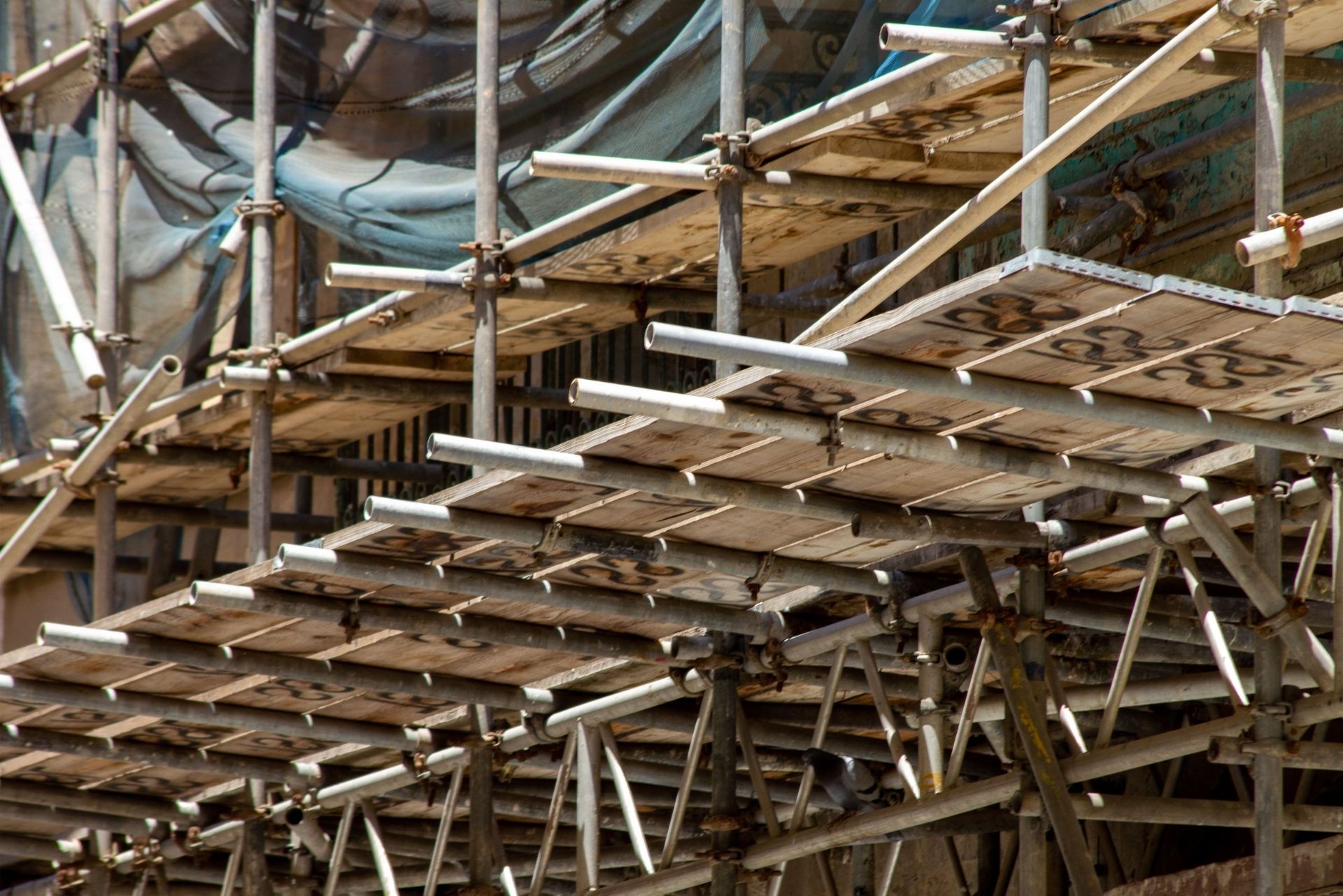
Looking at coverage in this way often highlights the need for close coordination among policies. For example, some owners assume that a crane rental with operator provided by another company automatically shifts all responsibility to that provider. In reality, contract language, certificates, and endorsements on both sides determine how risk is shared. The same applies to scaffolding, where a firm that erects and dismantles a system for another contractor may still carry liability long after leaving the site if the scaffold remains in use.
How Florida Law And Contracts Shape Your Insurance Requirements
Florida’s workers compensation rules place a floor under how much protection employers must provide, but project owners and general contractors often raise the bar with their own demands. Bid specifications may require certain minimum liability limits, name specific parties as additional insureds, and call for waivers of subrogation or primary and noncontributory wording. Large commercial and industrial clients sometimes insist on project specific policies or higher umbrella limits for crane work and complex multi level scaffolding. Those requirements can make a reasonably priced insurance program suddenly feel strained if they are not discussed with a broker ahead of time.
Another factor is enforcement. State regulators can issue penalties if a construction employer that should have workers compensation coverage is found operating without it. Even beyond fines, the lack of proper coverage can destroy trust with clients and make it very difficult to qualify for larger projects in the future. Because state guidance clearly states that employers who conduct work in Florida must provide workers compensation benefits for their employees while they are working in the state as explained by the Florida Department of Financial Services, project owners increasingly expect up to date certificates and may pause work if proof cannot be provided quickly.
Contract reviews are one of the most practical tools rigging and scaffolding owners can use to stay ahead of these pressures. Instead of signing standard subcontractor agreements as presented, many successful firms negotiate specific insurance provisions. That might mean clarifying who is responsible for crane inspection records, how long completed operations coverage must remain in place after project closeout, or how a client’s wrap up insurance interacts with the contractor’s own policies. Tuning these details before work begins reduces the chance of surprise coverage gaps when a claim is filed.
Risk Management Steps That Directly Support Better Insurance Outcomes
Insurers care about rigging and scaffolding risks because losses in this sector can be severe. That also means they pay close attention to how each business manages its operations. Strong safety practices are not just a moral or legal obligation, they are also one of the best levers an owner has to control long term insurance costs and keep coverage options open. Companies that treat risk management as an everyday discipline often see more flexibility from underwriters, especially when requesting higher limits or specialized endorsements.
Job planning offers one of the clearest examples. A well documented lift plan that accounts for ground conditions, wind expectations, load weight, center of gravity, and path of travel signals that management understands its exposures and takes them seriously. The same applies to scaffold design drawings, tie in patterns, and load ratings. When those documents are paired with regular toolbox talks, competent person inspections, and clear stop work authority, they help insurers feel more confident that serious incidents are less likely. That confidence can translate into more favorable pricing or willingness to entertain new operations, such as expanding from simple material hoisting into complex tandem lifts.
Claims handling also shapes the relationship with insurers. Promptly reporting incidents, cooperating with loss control recommendations, and consistently bringing injured employees back to modified duty when appropriate all influence how carriers view a rigging or scaffolding firm. Even a single poorly handled claim can sour that view, while a track record of honest reporting and continuous improvement often earns trust. Over time, that trust becomes just as valuable as any formal safety program when negotiating renewals or seeking broader coverage.
Building A Practical Insurance Checklist For Rigging And Scaffolding Owners
A formal risk management plan can feel overwhelming when an owner is busy chasing projects and juggling crews across multiple jobsites. Breaking insurance responsibilities into a simple checklist makes it easier to stay organized. The goal is not to turn a rigging or scaffolding company into an insurance office. It is to make sure critical tasks around coverage, certificates, and renewals do not slip between the cracks during busy seasons.
At a high level, a solid checklist usually starts with confirming workers compensation compliance in Florida, since that is both a legal and moral obligation. From there, it should touch on general liability, riggers liability, auto, property and equipment coverage, and any umbrella or excess layers. For each policy, owners can list renewal dates, key limits, important endorsements, and the broker contact responsible for changes or certificates. Keeping that information in one accessible place saves time when a new project manager or safety coordinator needs to answer questions from a client or regulator.
The checklist should also account for project specific needs. Large or unusual jobs, such as lifts over public roadways or long term scaffolds on high profile buildings, might justify separate conversations with the insurance broker. That way, endorsements, additional insured requirements, or temporary limit increases can be addressed before the work begins. Over time, these notes build a history that helps the company make better decisions about which projects to accept and how to price them based on the risk and insurance demands involved.
Frequently Asked Questions For Florida Rigging And Scaffolding Insurance
Owners and project managers in this niche often share the same core questions about insurance requirements and coverage limits. Clear answers help avoid last minute surprises when contracts land on the desk or when a client’s risk manager starts asking for documentation. The questions below address common concerns that come up for Florida rigging and scaffolding companies of all sizes.
Is workers compensation mandatory for every rigging or scaffolding company in Florida?
Construction employers working in Florida who have at least one employee, including owners who are corporate officers or LLC members, are required to carry workers compensation coverage for those workers according to Florida state guidance. Because rigging and scaffolding operations fall within construction, most active companies in this space end up needing coverage even when crews are small.
Do out of state rigging companies need Florida specific workers compensation coverage?
Yes. When an employer conducts work in Florida, state guidance indicates that workers compensation benefits must be provided to employees while they are working in the state, regardless of where the business is based as outlined by the Florida Department of Financial Services. Out of state rigging firms should work with their broker to ensure policies are properly endorsed for Florida operations.
What is the difference between general liability and riggers liability?
General liability typically addresses third party bodily injury and property damage that occurs because of business operations, such as a pedestrian injured near a jobsite. Riggers liability focuses specifically on damage to property being lifted, moved, or set into place, filling a gap that often exists in standard general liability policies for crane and hoisting work as explained by Kelly Insurance Group.
Does a small scaffolding contractor with only a few workers still need workers compensation?
For non construction businesses in Florida, the threshold for required workers compensation coverage is higher, but construction employers are treated differently. State rules explain that construction employers with one or more employees, including owners who are corporate officers or LLC members, must carry workers compensation coverage for those workers according to the Florida Department of Financial Services. Since scaffolding work is part of construction activity, even a small firm usually meets the requirement once it has any employees.
Can a general contractor’s insurance fully cover my rigging or scaffolding work?
Not reliably. While some project owners have wrap up or project specific policies, those programs rarely replace the need for a rigging or scaffolding subcontractor to carry its own workers compensation, general liability, and riggers liability. Contract language and endorsements determine how any project policy interacts with a company’s own coverage, so it is important to have an insurance professional review major contracts.
What documents should I keep handy for insurance and compliance purposes?
Most rigging and scaffolding firms benefit from maintaining current certificates of insurance, copies of key policy declarations pages, endorsements related to additional insured and waiver of subrogation wording, and a simple internal checklist of policy numbers and renewal dates. Having those documents organized makes it easier to respond quickly when a client, inspector, or regulator asks for proof of coverage.
Bringing It All Together For Safer, Insurable Operations
Rigging and scaffolding work in Florida will always involve significant risk, but risk does not have to mean guesswork. When owners understand how workers compensation requirements apply to their crews, how riggers liability interacts with general liability, and how contract terms shape real world exposure, they gain control over a part of the business that often feels mysterious. State guidance is clear that employers operating in Florida are expected to provide workers compensation benefits for their employees while those employees are working in the state as noted by the Florida Department of Financial Services, and that requirement forms the backbone of any sound insurance program.
The rest of the program grows from there. Riggers liability protects the property being moved, scaffolding and equipment coverage keeps jobs on track after theft or damage, and thoughtful use of umbrellas and endorsements makes it possible to take on challenging, high value work with confidence. When those coverages are paired with disciplined job planning, strong safety culture, and open communication with an experienced insurance advisor, rigging and scaffolding companies can face both regulators and clients with assurance that their risk is managed, not ignored.
Ultimately, insurance for these trades is not about buying the cheapest policy or collecting certificates in a file. It is about building a resilient operation that can handle a bad day on the job without destroying the business. For Florida rigging and scaffolding companies, that resilience starts with knowing what the law expects, choosing coverages that match the real work being done, and revisiting those decisions as the company grows into larger, more complex projects.
ABOUT THE AUTHOR:
MONTREAL MORAND
With over 20 years of leadership experience in the insurance industry, I’ve dedicated my career to helping clients and agents make informed, confident decisions about their coverage. I’ve led high-performing teams, managed more than $128 million in premium, and earned multiple national awards for excellence. Today, my mission remains the same — to educate, empower, and provide dependable protection for the communities we serve.
Contact Us
Protect the Things That Matter Most
Reliable Coverage for Your Home & Lifestyle
Home Insurance
Protect your home, belongings, and personal liability with reliable coverage.
Stronger Coverage for Your Operations
Essential Protection for Your Company
Coverage built for businesses that depend on people, property, and equipment.
Industries We Support
Insurance for Everyday Local Businesses
Simple, reliable protection for the people who keep our communities running.
Plumbers
Plumbers Insurance
Protection for job-site hazards, tools, and customer property.
Restaurants
Restaurants Insurance
Coverage for fire risks, food inventory, and general liability.
HVAC Contractors
HVAC Contractors Insurance
Insurance for service vehicles, equipment, and installation risks.




Frequently Asked Questions
Helpful Answers to Common Questions
Quick guidance to help you understand your coverage.
What types of insurance does Macpherson Insurance Agency offer?
We provide both personal and commercial insurance solutions. On the personal side: homeowners, automobile, condo, renters, windstorm, flood, excess flood, and more. On the commercial side: general liability, property, inland marine, ocean marine, workers compensation, and more.
Do you specialize in homeowners insurance in South Florida?
Yes. We specialize in homeowners coverage in South Florida and work with multiple carriers based on your property’s age, location and replacement cost.
What does “replacement cost” mean in a policy?
Replacement cost is the cost to rebuild your home to the same standard it had before a loss — not the market value of your property.
Why is it important that my insurer is licensed in Florida?
Licensed Florida insurers are continuously monitored for financial stability — if one fails, the Florida Insurance Guaranty Fund may reimburse insureds for unpaid claims up to a limit.
Can I lower my homeowners premium with discounts?
Yes — mitigation features like impact glass, storm shutters, roof straps, and approved sheathing may qualify you for significant credit reductions.
Do you offer payment plans or premium financing?
Yes. In many cases, payment plans and premium financing are available to make coverage more affordable and manageable over time.
From the Blog
Helpful Tips & Insurance Guidance
Articles created to make insurance easier to understand.





Contact Us
Phone
Location