
Florida's entertainment scene stretches from intimate jazz clubs in Ybor City to sprawling performing arts centers in Fort Lauderdale, and every one of these venues shares a common financial headache : insurance. Between hurricane seasons that seem to grow more intense each year and the sheer volume of foot traffic that live events generate, venue owners face premiums that can eat into already thin margins. The question of how theaters and live music venues in Florida can manage insurance costs isn't just about finding a cheaper policy. It's about understanding your risk profile, choosing the right coverage structure, and making smart operational decisions that insurers actually reward. A venue that hosted 200 shows last year carries a different risk signature than one that runs weekend-only acoustic sets, and your insurance strategy should reflect that. This guide breaks down the coverage types you need, the risks unique to Florida's geography and regulations, and practical steps you can take right now to bring your annual premiums down without leaving dangerous gaps in your protection.
Understanding Florida's Unique Venue Risk Landscape
Florida's combination of weather exposure, high tourism volume, and evolving liability laws creates an insurance environment unlike any other state. Venue operators here don't just insure against the typical slip-and-fall claim. They're also pricing in the possibility that a Category 3 storm could shred a roof or that a sold-out show could produce a crowd-crush incident. Insurers know this, and they price accordingly.
The state's 2024 tort reform changes have started to stabilize some liability premiums, with some commercial policyholders seeing reductions of 10 to 15 percent. But property coverage, especially for windstorm and flood, continues to climb. Understanding what's driving your specific costs is the first step toward controlling them.
The Impact of Hurricane and Windstorm Exposure
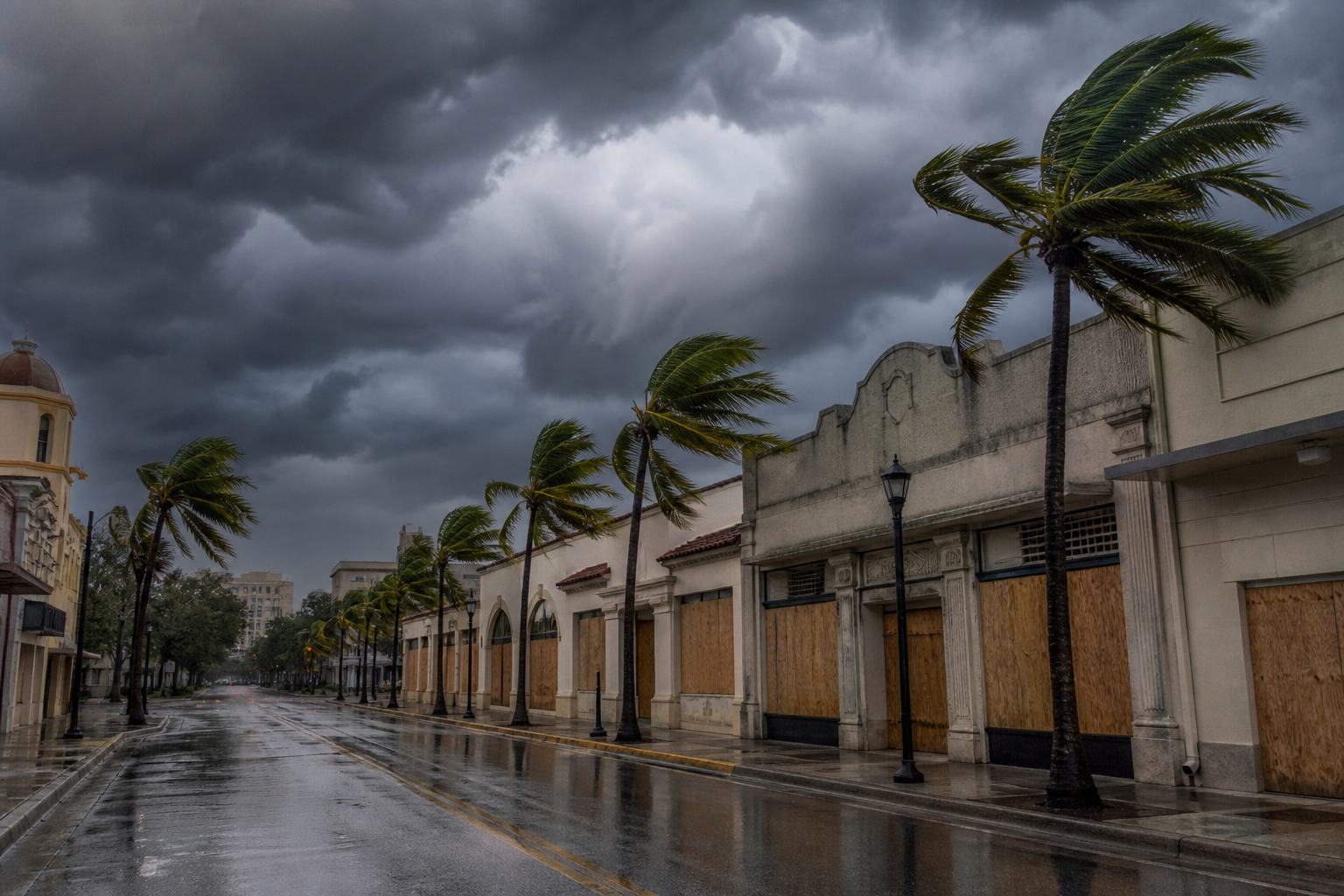
If your venue sits within a coastal wind zone, and most of South Florida qualifies, your property insurance will carry a separate windstorm deductible. This deductible is typically calculated as a percentage of your building's insured value rather than a flat dollar amount. A theater insured for $3 million with a 5 percent wind deductible faces $150,000 out of pocket before coverage kicks in.
Citizens Property Insurance, Florida's insurer of last resort, has been actively shedding policies to push more business into the private market. That means fewer fallback options and more pressure to shop aggressively. Venues along the Gulf Coast from Tampa to Naples and Atlantic-side locations from Miami Beach to Jacksonville Beach face the steepest windstorm surcharges. Roof age, construction materials, and whether you've installed hurricane shutters or impact-rated glass all factor into your premium calculation.
Liability Challenges in High-Traffic Entertainment Spaces
A 1,500-capacity music hall in Orlando processes thousands of guests per week during peak season. Each one represents a potential liability claim. Slip-and-fall injuries in dimly lit auditoriums, hearing damage allegations from front-row concertgoers, and alcohol-related incidents in lobby bars are among the most common claims Florida venues report.
Florida's comparative negligence framework means that even if a patron was partially at fault, your venue can still be held liable for a percentage of damages. Security incidents at large-scale events have also driven up umbrella policy costs. Insurers now scrutinize your crowd management plan, security staffing ratios, and even your ticket terms and conditions before quoting liability coverage.

By: Montreal Morand
Founder & Managing Partner
Macpherson Insurance Agency
Essential Coverage Types for Theaters and Music Halls
Choosing the right mix of policies is where many venue operators either overspend or, worse, leave critical gaps. A bare-bones general liability policy won't protect you if a $200,000 lighting rig falls during load-in, and your standard property policy probably excludes flood damage entirely.
Comparing General Liability vs. Liquor Liability
General liability covers bodily injury and property damage claims from third parties, things like a patron tripping over a cable run or a piece of set falling into the audience. Most venues carry $1 million per occurrence with a $2 million aggregate, which satisfies most lease and booking agent requirements.
Liquor liability is a separate animal. If your venue serves alcohol, whether through a full bar, beer garden, or even a VIP lounge with complimentary drinks, you need a dedicated liquor liability policy. Florida's dram shop laws hold establishments responsible if they serve a visibly intoxicated person who then causes harm. A single drunk-driving fatality linked to your bar can produce a claim well into seven figures. Don't assume your GL policy covers this. Most explicitly exclude alcohol-related incidents.
Inland Marine Insurance for High-Value Sound and Lighting Gear
Your standard commercial property policy covers the building and its permanently installed fixtures. But the $80,000 mixing console, the touring band's backline equipment stored in your green room, and the rented LED wall panels in your loading dock? Those fall under inland marine coverage.
Inland marine protects movable property and equipment that travels between locations or isn't permanently attached to your building. For venues that rent gear, host touring productions, or own portable staging systems, this coverage fills a gap that property insurance simply doesn't address. Premiums typically run between 1 and 3 percent of the total insured equipment value annually. A venue with $500,000 in sound and lighting inventory might pay $5,000 to $15,000 per year for this protection.
Workers' Compensation Requirements for Production Crews
Florida law requires workers' compensation coverage for any business with four or more employees, and the construction and entertainment industries have specific classification codes that affect your rates. Stagehands, riggers, and lighting technicians fall under higher-risk class codes than box office staff or ushers.
One common mistake : treating regular crew members as independent contractors to avoid workers' comp obligations. Florida's Division of Workers' Compensation actively audits entertainment businesses, and misclassification penalties can include fines plus back-premium charges. If someone works a regular schedule at your venue, uses your equipment, and follows your direction, they're likely an employee in the eyes of the state regardless of what your contract says.
Comparison of Coverage Tiers
| Coverage Feature | Basic Tier | Mid Tier | Comprehensive Tier |
|---|---|---|---|
| General Liability | $1M / $2M aggregate | $1M / $2M aggregate | $2M / $4M aggregate |
| Property Coverage | Building only | Building + business personal property | Building + BPP + equipment breakdown |
| Liquor Liability | Not included | $1M per occurrence | $2M per occurrence |
| Inland Marine | Not included | $100K equipment limit | $500K+ equipment limit |
| Business Interruption | Not included | 30-day coverage | 90-day coverage with extended period |
| Umbrella / Excess | Not included | $1M umbrella | $5M umbrella |
| Estimated Annual Cost | $8,000 - $15,000 | $18,000 - $35,000 | $40,000 - $75,000+ |
Most mid-size Florida venues with 500 to 1,500 capacity and a liquor license land in the mid tier. Venues hosting national touring acts or festivals typically need comprehensive coverage to satisfy artist rider requirements and municipal permit conditions.
Knowing how Florida venues can reduce their insurance costs starts with understanding what insurers actually look at when they set your rate. It's not just your claims history. Your physical building, your operational protocols, and even how you structure your policy all influence what you pay.
Implementing Venue Safety and Crowd Management Protocols
Insurers reward venues that can demonstrate documented safety programs. This goes beyond having a fire extinguisher by the stage. A formal crowd management plan, regular staff safety training with signed attendance logs, and an incident reporting system all signal to underwriters that your venue takes risk reduction seriously.
Specific steps that tend to move the needle on premiums :
- Installing slip-resistant flooring in high-traffic areas and wet zones near bars
- Maintaining a written emergency action plan reviewed and updated annually
- Training security staff in de-escalation techniques with third-party certification
- Conducting quarterly safety audits with documented findings and corrective actions
- Installing AED units and training front-of-house staff in basic first aid
Some carriers offer premium credits of 5 to 10 percent for venues that complete recognized safety certification programs. Ask your broker specifically about available credits before your next renewal.
The Benefits of Bundling Property and Liability Policies
A Business Owner's Policy, or BOP, combines property and general liability into a single package, usually at a lower combined premium than purchasing each separately. For smaller theaters and clubs, a BOP can save 15 to 20 percent compared to standalone policies.
The catch is that BOPs have coverage limits and eligibility restrictions. Venues exceeding certain revenue thresholds or square footage caps may not qualify. Larger operations often benefit more from a custom commercial package policy that bundles property, liability, inland marine, and business interruption under one carrier. Working with a single insurer for multiple lines also gives you more negotiating power at renewal time.
Navigating Deductibles to Balance Risk and Cost
Raising your deductible is one of the fastest ways to lower your premium, but it's a trade-off that requires careful math. Moving from a $1,000 to a $5,000 deductible on your general liability policy might save you $800 annually. That's a smart bet if you rarely file claims. But if you average two small claims per year, you've just increased your out-of-pocket exposure by $8,000 to save $800.
For windstorm deductibles, the calculation is even more critical. A 2 percent versus 5 percent hurricane deductible on a $4 million building is the difference between $80,000 and $200,000 out of pocket after a storm. Run the numbers with your broker and make sure you have reserves or a line of credit to cover your chosen deductible level.
Common Questions About Venue Insurance
Does my general liability policy cover damage to a touring band's equipment? No. Your GL policy covers third-party bodily injury and property damage you cause, but a touring act's gear is typically covered under their own inland marine or equipment floater policy. Your venue contract should require visiting artists to carry their own coverage and name you as additional insured.
Do I need separate flood insurance even if I'm not in a flood zone? Yes, and here's why : roughly 25 percent of flood claims in Florida come from properties outside designated high-risk zones. A standard property policy excludes flood damage entirely. NFIP policies or private flood coverage are the only way to fill that gap.
How does Florida's tort reform affect my liability premiums? The 2024 reforms shortened the statute of limitations for negligence claims and modified the fee-shifting rules for attorneys. Many commercial liability carriers have passed along modest rate reductions, typically 5 to 15 percent, though results vary by carrier and claims history.
Can I reduce my workers' comp costs without cutting staff? Absolutely. Implementing a formal return-to-work program, maintaining a clean claims history, and ensuring employees are classified under the correct job codes can all lower your experience modification rate. A lower mod rate directly reduces your premium.
What happens if I host an event without requiring the promoter to carry insurance? You're exposed. If a promoter's event results in injuries or property damage and they have no coverage, claims come back to your venue's policy. Always require certificates of insurance from third-party promoters with your venue listed as additional insured.
Managing insurance costs for Florida theaters and music venues isn't a one-time project. It's an annual cycle of reviewing coverage, documenting safety improvements, and shopping your policies before each renewal. Start by pulling your current loss runs, which are your claims history reports, from each carrier. These documents reveal patterns that you and your broker can address proactively.
Build a renewal calendar that starts 90 days before each policy expires. This gives your broker enough time to market your account to multiple carriers rather than rushing into a last-minute renewal at whatever rate your current insurer offers. Request quotes from at least three carriers, and make sure at least one specializes in entertainment or hospitality risks.
The venues that pay the least relative to their risk are the ones that treat insurance as an operational priority rather than an afterthought. Review your safety protocols, update your equipment inventories, and keep your broker informed about any changes to your operations throughout the year. That consistent communication is what separates a venue that gets competitive quotes from one that gets stuck paying whatever the market dictates.
ABOUT THE AUTHOR:
MONTREAL MORAND
With over 20 years of leadership experience in the insurance industry, I’ve dedicated my career to helping clients and agents make informed, confident decisions about their coverage. I’ve led high-performing teams, managed more than $128 million in premium, and earned multiple national awards for excellence. Today, my mission remains the same — to educate, empower, and provide dependable protection for the communities we serve.
Contact Us
Protect the Things That Matter Most
Reliable Coverage for Your Home & Lifestyle
Home Insurance
Protect your home, belongings, and personal liability with reliable coverage.
Stronger Coverage for Your Operations
Essential Protection for Your Company
Coverage built for businesses that depend on people, property, and equipment.
Industries We Support
Insurance for Everyday Local Businesses
Simple, reliable protection for the people who keep our communities running.
Plumbers
Plumbers Insurance
Protection for job-site hazards, tools, and customer property.
Restaurants
Restaurants Insurance
Coverage for fire risks, food inventory, and general liability.
HVAC Contractors
HVAC Contractors Insurance
Insurance for service vehicles, equipment, and installation risks.




Frequently Asked Questions
Helpful Answers to Common Questions
Quick guidance to help you understand your coverage.
What types of insurance does Macpherson Insurance Agency offer?
We provide both personal and commercial insurance solutions. On the personal side: homeowners, automobile, condo, renters, windstorm, flood, excess flood, and more. On the commercial side: general liability, property, inland marine, ocean marine, workers compensation, and more.
Do you specialize in homeowners insurance in South Florida?
Yes. We specialize in homeowners coverage in South Florida and work with multiple carriers based on your property’s age, location and replacement cost.
What does “replacement cost” mean in a policy?
Replacement cost is the cost to rebuild your home to the same standard it had before a loss — not the market value of your property.
Why is it important that my insurer is licensed in Florida?
Licensed Florida insurers are continuously monitored for financial stability — if one fails, the Florida Insurance Guaranty Fund may reimburse insureds for unpaid claims up to a limit.
Can I lower my homeowners premium with discounts?
Yes — mitigation features like impact glass, storm shutters, roof straps, and approved sheathing may qualify you for significant credit reductions.
Do you offer payment plans or premium financing?
Yes. In many cases, payment plans and premium financing are available to make coverage more affordable and manageable over time.
From the Blog
Helpful Tips & Insurance Guidance
Articles created to make insurance easier to understand.


Contact Us
Phone
Location