
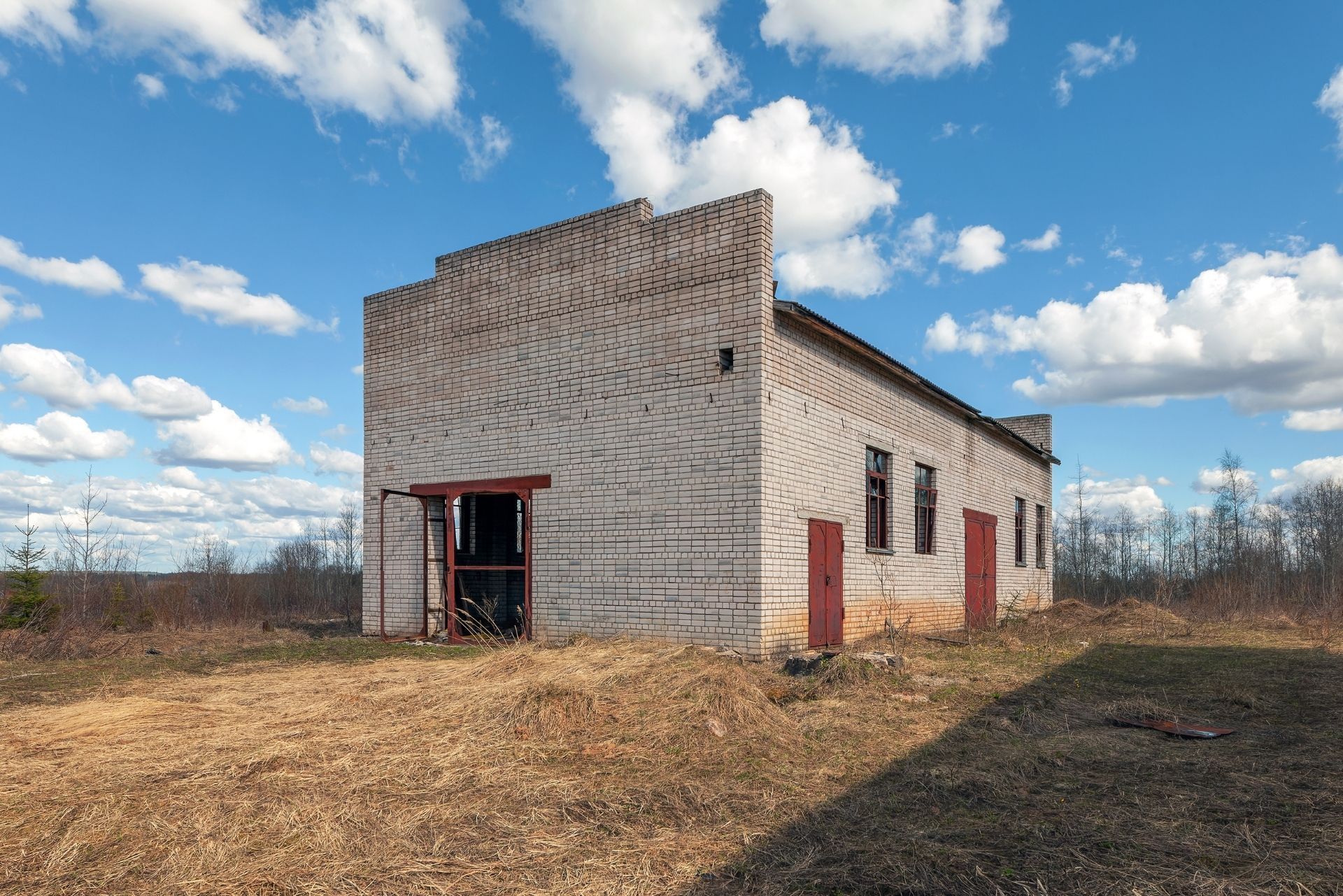
Vacant buildings in Florida present a unique challenge for property owners and insurers alike. With thousands of unoccupied structures across the state, understanding the risks and insurance options available is crucial. Vacant building insurance fills a vital gap, protecting property owners from losses that standard policies often exclude. This article breaks down what vacant building insurance covers, why it matters in Florida, and how recent market trends impact coverage availability and costs.
Why Vacant Building Insurance Matters in Florida
Florida’s property insurance market has faced significant turmoil over the past decade. Between 2014 and 2024, the number of active home insurance policies in the state plummeted from 3.2 million to just 710,000—a staggering 78% decrease. This decline reflects broader challenges including increased hurricane damage, legal system abuses, and insurer withdrawals from the market. In this environment, vacant buildings become especially vulnerable, often lacking the routine maintenance and oversight that occupied properties receive.
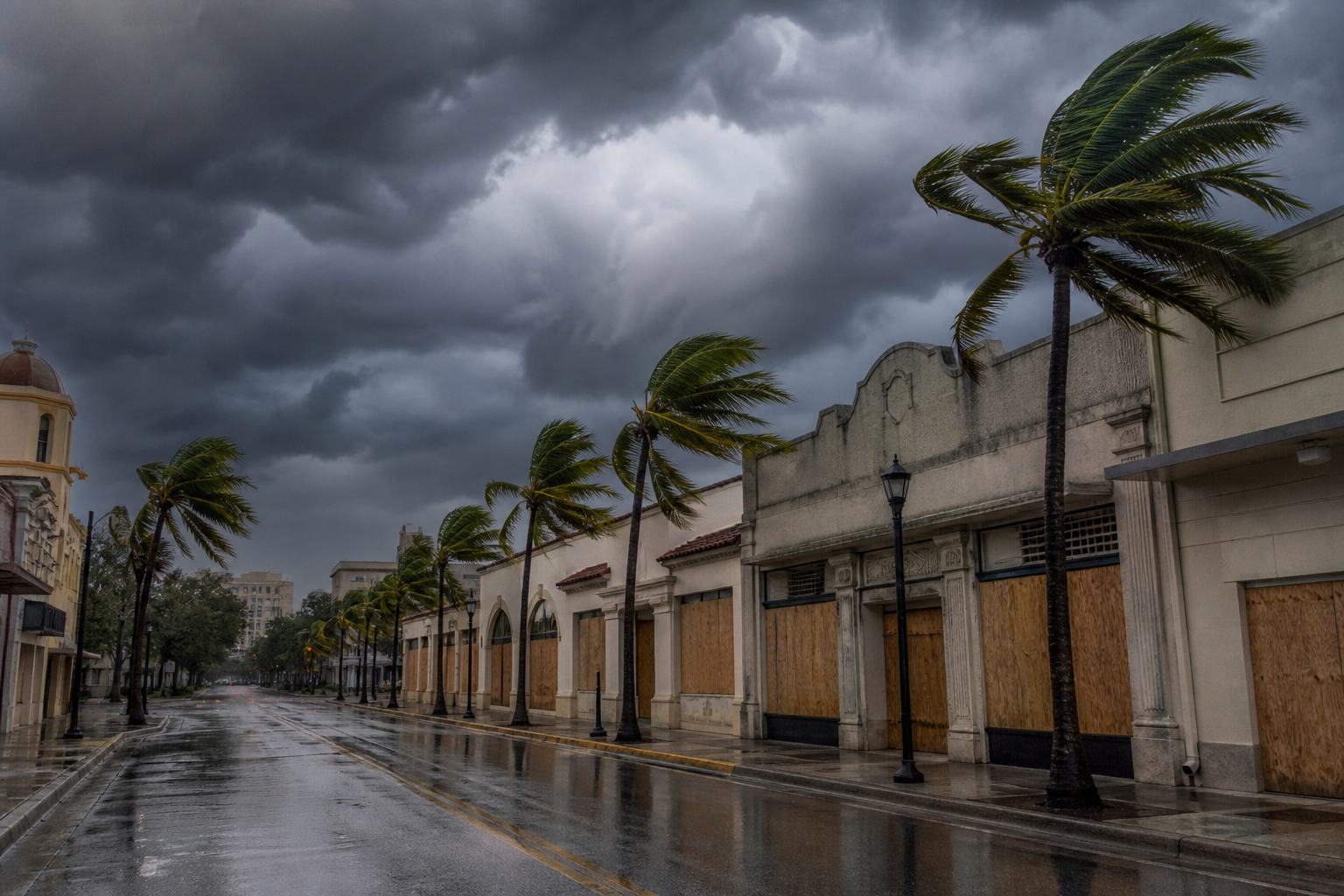
Vacant properties are at a higher risk of damage from vandalism, fire, and weather events. According to the National Fire Protection Association, about 30,200 structure fires occur annually in vacant buildings nationwide, causing roughly $710 million in direct property damage. Florida’s susceptibility to hurricanes and tropical storms only adds to this risk, making vacant building insurance not just a precaution but a necessity for many property owners. The unique climate challenges faced by Florida, including high humidity and intense storms, can lead to rapid deterioration of unoccupied structures, further compounding potential losses.
For those managing vacant properties in Florida, securing the right insurance coverage is a critical step to mitigate financial exposure. Standard homeowners or commercial policies typically exclude claims related to vacancy, leaving owners exposed to significant losses if damage occurs during periods of unoccupancy. This gap is where vacant building insurance comes in, offering tailored protection for these high-risk properties. Moreover, vacant building insurance can cover a range of risks, including liability claims that may arise from accidents occurring on the property, which can be particularly problematic if trespassers or unauthorized individuals enter the premises. More on this below, but first, it’s important to understand how Florida’s insurance market is evolving.
As the landscape of Florida's insurance market shifts, property owners must stay informed about the changing regulations and available options. Insurers are increasingly offering specialized policies that cater specifically to the needs of vacant property owners, which can include coverage for theft, vandalism, and even natural disasters. Additionally, some insurance providers are beginning to offer incentives for property owners who take proactive steps to secure their vacant buildings, such as installing security systems or conducting regular inspections. This evolving approach not only helps mitigate risks but also encourages responsible property management practices. Learn more about the decline in Florida’s home insurance market and its impact on property owners.

By: Montreal Morand
Founder & Managing Partner
Macpherson Insurance Agency
What Does Vacant Building Insurance Cover?
Vacant building insurance is designed to protect unoccupied properties against risks that standard policies often exclude. Coverage can vary widely, but typically includes protection against fire, vandalism, theft, and certain weather-related damages. Because vacant buildings are more vulnerable, insurers often require additional safety measures such as regular inspections, security systems, or boarded windows to qualify for coverage.
Unlike standard homeowners insurance, which usually restricts coverage if a property remains unoccupied for more than 30 to 60 days, vacant building insurance recognizes the unique risks of prolonged vacancy. This type of policy can cover:
- Fire and smoke damage
- Vandalism and malicious mischief
- Theft and attempted break-ins
- Water damage from burst pipes or storms
- Liability protection for injuries occurring on the property
It is important to note that some perils, such as flooding or hurricane damage, may require separate endorsements or policies in Florida due to the state’s high exposure to natural disasters. Property owners should review their policies carefully to ensure adequate protection.
Because vacant buildings can deteriorate quickly without regular upkeep, insurers may also mandate maintenance requirements. Failing to meet these can result in denied claims or policy cancellations. Regular inspections, securing the property, and addressing hazards promptly are often prerequisites.
Moreover, vacant building insurance can also provide coverage for loss of rental income, which can be a significant concern for property owners who are in the process of selling or renovating a building. This aspect of coverage can help mitigate financial losses during periods when the property is not generating revenue. Additionally, some policies may offer protection against costs associated with legal fees if a liability claim arises from an incident on the property, further emphasizing the importance of having comprehensive coverage.
In the context of real estate investment, understanding the nuances of vacant building insurance can be crucial. Investors often acquire properties with the intention of flipping or renting them out, but unforeseen delays can leave these properties unoccupied longer than anticipated. By securing a robust vacant building insurance policy, investors can protect their assets from the various risks that accompany vacancy, allowing them to focus on their renovation or leasing strategies without the added stress of potential losses from damages or liabilities.
Florida’s Insurance Market Trends Affecting Vacant Building Coverage
Florida’s property insurance market has been fragile for years, but recent legislative reforms and market shifts are beginning to stabilize the situation. The Insurance Information Institute (Triple-I) reported that reforms aimed at curbing legal system abuses and fraud have helped reduce the market share of Citizens Property Insurance Corp., Florida’s insurer of last resort, from 15.9% to below 10% by the end of 2024.
These changes have contributed to a more stable environment for insurers, which in turn improves the availability of specialized coverages like vacant building insurance. While the market remains challenging, the first underwriting profit in Florida’s personal property insurance market in eight years-$206.7 million in 2024 compared to a $174.4 million loss in 2023-signals a positive trend for property owners seeking coverage.
Still, experts like Dr. Charles Nyce, a catastrophic-risk financing specialist, emphasize that Florida’s insurance market is in a crisis. The drastic reduction in active policies and ongoing exposure to hurricanes mean that vacant building insurance will likely remain a niche but essential product for property owners in the state.
For owners of vacant properties, staying informed about these market dynamics is key to securing the best coverage terms and pricing. Legislative reforms and improved underwriting results may help, but risks remain high, and insurers will expect proactive risk management from policyholders.
As property owners navigate this complex landscape, understanding the nuances of vacant building insurance becomes increasingly important. This type of coverage is tailored to address the unique risks associated with unoccupied properties, which can be more susceptible to vandalism, theft, and maintenance issues. Insurers may require additional safety measures, such as regular inspections and securing the premises, to mitigate these risks. Furthermore, the cost of vacant building insurance can vary significantly based on location, property condition, and the specific coverage options selected, making it crucial for owners to conduct thorough research and comparisons before making a decision.
Moreover, the implications of Florida’s insurance market trends extend beyond just coverage availability; they also impact property values and investment strategies. Investors looking to acquire vacant properties may find that the evolving insurance landscape influences their financing options and overall investment returns. As the market stabilizes, there may be opportunities for savvy investors to capitalize on undervalued properties, but they must remain vigilant about the associated risks and insurance requirements. Understanding these dynamics can empower property owners and investors alike to make informed decisions that align with their financial goals.
Explore more about the
legislative reforms improving Florida’s property insurance market.
Assessing Risk: Technology and Data in Post-Hurricane Damage Evaluation
Accurate damage assessment after hurricanes is critical for insurers and property owners alike. A recent study titled "Post-hurricane building damage assessment using street-view imagery and structured data: A multi-modal deep learning approach" achieved an impressive 92.67% accuracy in evaluating building damage from Hurricane Ian in Florida. This technology leverages street-level images combined with structured data to provide rapid, reliable assessments.
Such advancements help insurers better understand the condition of vacant buildings after storms, which can accelerate claims processing and improve risk management. For property owners, this means quicker resolutions and potentially lower premiums if damage is promptly documented and mitigated.
In a state where hurricanes are a constant threat, these technological tools add a layer of precision to the complex process of insuring vacant properties. They also underscore the importance of maintaining clear documentation and access to properties to facilitate these assessments.
Moreover, the integration of artificial intelligence and machine learning in damage assessment not only enhances the accuracy of evaluations but also provides a scalable solution for large-scale disasters. By analyzing vast amounts of data from various sources, including satellite imagery and social media reports, these technologies can identify patterns and predict potential damage hotspots, allowing for proactive measures to be taken before a storm even makes landfall. This proactive approach can significantly reduce the financial burden on both insurers and property owners, fostering a more resilient infrastructure in hurricane-prone areas.
Furthermore, the implications of this technology extend beyond immediate damage assessments. As communities rebuild, insights gained from these evaluations can inform better building practices and urban planning strategies. By understanding how different structures withstand hurricane forces, architects and engineers can design more robust buildings that are better equipped to handle future storms. This cycle of learning and adaptation is essential for enhancing community resilience in the face of climate change and increasing storm intensity.
Read the full study on
post-hurricane building damage assessment using advanced imagery and data.
Common Challenges and Considerations for Vacant Building Insurance
Insuring vacant buildings is not without its hurdles. Insurers view unoccupied properties as higher risk, which often translates to higher premiums and stricter underwriting requirements. Property owners should be prepared for these realities and take steps to minimize risks.
One major challenge is the risk of fire. Vacant buildings are more susceptible to fires caused by vandalism or accidental ignition. The National Fire Protection Association’s data on vacant building fires highlights the scale of this issue nationwide. In Florida, the combination of vacant properties and natural disaster exposure compounds the risk.
Another consideration is liability. Even if a building is vacant, injuries can occur on the premises, leading to costly lawsuits. Vacant building insurance typically includes liability coverage, but property owners must ensure their policies are comprehensive enough to cover potential claims.
Maintaining the property during vacancy is essential. Insurers may require regular inspections, security measures, and maintenance to keep coverage valid. Failure to comply can result in denied claims or policy cancellations, leaving owners exposed.
Understanding these challenges helps property owners make informed decisions about their insurance needs and risk management strategies.
How to Choose the Right Vacant Building Insurance Policy
Finding the right vacant building insurance policy involves careful evaluation of coverage options, exclusions, and costs. Here are some tips to guide property owners through the process:
- Assess the property’s risk profile: Consider location, condition, and likelihood of vacancy duration. Properties in hurricane-prone areas or high-crime neighborhoods may require more robust coverage.
- Review policy coverage carefully: Ensure the policy covers all relevant perils, including fire, vandalism, theft, and weather-related damages. Check if flood or hurricane coverage is included or needs to be purchased separately.
- Understand maintenance requirements: Know what inspections, security measures, or upkeep the insurer demands to keep the policy active.
- Compare premiums and deductibles: Balance cost with coverage limits and exclusions. Sometimes a slightly higher premium is worth it for broader protection.
- Work with experienced insurance professionals: Agents familiar with Florida’s unique market conditions can help tailor coverage to specific needs and navigate complex underwriting.
Vacant building insurance is a specialized product, and not all insurers offer it. Starting the conversation early and maintaining transparency about the property’s status can improve chances of securing appropriate coverage.
Before You Go: Protecting Your Florida Vacant Property
Vacant building insurance is more than a policy; it’s a safeguard against unpredictable risks that can lead to costly losses. In Florida’s challenging insurance market, where active home insurance policies have dramatically declined and natural disasters loom large, protecting unoccupied properties requires vigilance and informed choices.
Leveraging advances in damage assessment technology, understanding market trends, and meeting insurer requirements can help property owners secure the coverage they need. Whether you own a vacant home, commercial building, or investment property in Florida, vacant building insurance is a crucial tool to mitigate risk and preserve your investment.
Stay informed about the evolving insurance landscape and work with trusted professionals to navigate your options. The right coverage can make all the difference when the unexpected happens.
For more insights on Florida’s insurance market recovery, check out the
recent underwriting profit report highlighting positive shifts in 2024.
Frequently Asked Questions About Florida Vacant Building Insurance
Q: How long can a building be vacant before I need vacant building insurance?
A: Most standard policies limit coverage if a property is vacant for more than 30 to 60 days. If you expect a longer vacancy, vacant building insurance is recommended.
Q: Does vacant building insurance cover hurricane damage?
Hurricane damage may require separate coverage or endorsements due to Florida’s high risk. Always check your policy details.
Q: What steps can I take to lower my vacant building insurance premiums?
Maintaining the property, installing security systems, and allowing regular inspections can reduce risk and potentially lower premiums.
Q: Is liability coverage included in vacant building insurance?
Yes, most vacant building policies include liability protection for injuries on the property, but confirm limits and exclusions with your insurer.
Q: Can I convert my current homeowners policy to vacant building insurance?
Typically, no. Vacant building insurance is a separate policy designed specifically for unoccupied properties.
Q: How has Florida’s insurance market changed recently?
Legislative reforms and improved underwriting have stabilized the market, reducing reliance on the state insurer of last resort and improving coverage availability.
ABOUT THE AUTHOR:
MONTREAL MORAND
With over 20 years of leadership experience in the insurance industry, I’ve dedicated my career to helping clients and agents make informed, confident decisions about their coverage. I’ve led high-performing teams, managed more than $128 million in premium, and earned multiple national awards for excellence. Today, my mission remains the same — to educate, empower, and provide dependable protection for the communities we serve.
Contact Us
Protect the Things That Matter Most
Reliable Coverage for Your Home & Lifestyle
Home Insurance
Protect your home, belongings, and personal liability with reliable coverage.
Stronger Coverage for Your Operations
Essential Protection for Your Company
Coverage built for businesses that depend on people, property, and equipment.
Industries We Support
Insurance for Everyday Local Businesses
Simple, reliable protection for the people who keep our communities running.
Plumbers
Plumbers Insurance
Protection for job-site hazards, tools, and customer property.
Restaurants
Restaurants Insurance
Coverage for fire risks, food inventory, and general liability.
HVAC Contractors
HVAC Contractors Insurance
Insurance for service vehicles, equipment, and installation risks.




Frequently Asked Questions
Helpful Answers to Common Questions
Quick guidance to help you understand your coverage.
What types of insurance does Macpherson Insurance Agency offer?
We provide both personal and commercial insurance solutions. On the personal side: homeowners, automobile, condo, renters, windstorm, flood, excess flood, and more. On the commercial side: general liability, property, inland marine, ocean marine, workers compensation, and more.
Do you specialize in homeowners insurance in South Florida?
Yes. We specialize in homeowners coverage in South Florida and work with multiple carriers based on your property’s age, location and replacement cost.
What does “replacement cost” mean in a policy?
Replacement cost is the cost to rebuild your home to the same standard it had before a loss — not the market value of your property.
Why is it important that my insurer is licensed in Florida?
Licensed Florida insurers are continuously monitored for financial stability — if one fails, the Florida Insurance Guaranty Fund may reimburse insureds for unpaid claims up to a limit.
Can I lower my homeowners premium with discounts?
Yes — mitigation features like impact glass, storm shutters, roof straps, and approved sheathing may qualify you for significant credit reductions.
Do you offer payment plans or premium financing?
Yes. In many cases, payment plans and premium financing are available to make coverage more affordable and manageable over time.
From the Blog
Helpful Tips & Insurance Guidance
Articles created to make insurance easier to understand.







Contact Us
Phone
Location