Running a business in Florida comes with unique challenges, especially when it comes to protecting your assets from risks like property damage, lawsuits, and natural disasters. Business owners insurance is a vital tool to shield your company from financial setbacks. But with Florida’s insurance market undergoing significant changes, understanding what business owners insurance covers and how the market dynamics affect your options is more important than ever.
Between 2014 and 2024, the number of active home insurance policies in Florida plummeted by 78%, from 3.2 million to just 710,000, highlighting the volatility in the state’s insurance landscape. This shift has ripple effects on business insurance as well, making it crucial for Florida entrepreneurs to stay informed. Deep Sky Research points to this crisis as an early warning of broader climate-related financial risks.
What Is Business Owners Insurance (BOP)?
Business Owners Insurance, commonly known as BOP, bundles several essential coverages into one policy tailored for small to medium-sized businesses. Typically, it includes property insurance, liability coverage, and business interruption insurance. This combination helps protect your physical assets, covers legal liabilities if someone sues your business, and compensates for lost income if your operations are temporarily halted due to a covered event.
For Florida businesses, this package is especially valuable given the state’s exposure to hurricanes, flooding, and legal challenges. Without a BOP, business owners risk facing substantial out-of-pocket costs that could jeopardize their operations. The financial implications of natural disasters can be staggering, with repair costs often reaching into the tens of thousands, if not more. Moreover, the emotional toll of dealing with the aftermath of such events can be overwhelming, making the peace of mind that comes with a BOP even more crucial for business owners.
Key Components of a BOP Policy
Property Insurance: Covers damage to your business property, including buildings, equipment, and inventory. In Florida, this coverage is critical due to frequent storms and the rising cost of repairs. For instance, businesses located in coastal areas may find themselves facing unique challenges, such as saltwater corrosion and wind damage, which can significantly impact their physical assets. Additionally, property insurance can also extend to cover loss or damage to business personal property, ensuring that even the smallest items, like computers and office supplies, are protected against unforeseen events.
Liability Insurance: Protects against claims of bodily injury or property damage caused by your business operations. Florida’s legal environment is notable for a high volume of property insurance lawsuits, accounting for over 76% of such lawsuits nationwide in 2021, despite the state only making up 6.9% of claims. This makes liability coverage a must-have for local businesses. Furthermore, the nature of liability claims can vary widely, from slip-and-fall incidents at a retail store to product liability claims for manufacturers. Having robust liability insurance not only safeguards your finances but also enhances your business's reputation, as it demonstrates a commitment to responsible practices and customer safety.
Business Interruption Insurance: Offers compensation for lost income if your business must shut down temporarily due to a covered peril, such as hurricane damage. This coverage can be a lifesaver, allowing businesses to maintain their financial obligations, such as payroll and rent, even when they are not generating revenue. It’s important for business owners to understand the specific terms of their interruption coverage, including the duration of benefits and the types of events that qualify, as these factors can significantly influence the level of protection provided. In a state like Florida, where seasonal storms can disrupt operations, having this safety net is essential for long-term sustainability.


By: Montreal Morand
Founder & Managing Partner
Macpherson Insurance Agency
Why Florida’s Insurance Market Is Changing
The Florida insurance market has been through a turbulent decade. The dramatic drop in active home insurance policies is a symptom of deeper issues, including skyrocketing reinsurance costs. As Locke Burt, CEO of Security First Insurance, explains, "The simple answer is the cost of reinsurance skyrocketed." This increase in reinsurance premiums drives up the cost of insurance for businesses and homeowners alike.
On the legal front, Florida’s property insurance lawsuits vastly outnumber those in other states, creating a challenging environment for insurers. This has led many companies to pull back from the market or increase premiums to cover potential losses. The prevalence of litigation, often fueled by aggressive advertising from attorneys, has created a cycle where insurers are forced to allocate significant resources to legal defenses rather than focusing on customer service or innovation. This not only impacts the bottom line for insurance companies but also leads to higher costs for consumers, who ultimately bear the brunt of these legal battles through increased premiums.
That said, recent legislative reforms and the entry of new insurers are beginning to stabilize the market. The Florida Chamber of Commerce notes that these changes have led to rate reductions and increased competition, which is a positive sign for business owners seeking affordable coverage. Additionally, the state has introduced measures aimed at reducing fraudulent claims and streamlining the claims process, which could further alleviate some of the financial pressure on insurers. As these reforms take root, there is cautious optimism that the market may not only recover but also evolve into a more sustainable model that better serves the needs of Floridians.
Moreover, the impact of climate change cannot be overlooked in this discussion. Florida's susceptibility to hurricanes and tropical storms means that insurance companies must continuously reassess their risk models. With rising sea levels and increased storm intensity, the cost of insuring properties in vulnerable areas is likely to remain high. Insurers are now investing in advanced technology and data analytics to better predict risks and manage claims more effectively. This shift towards a more data-driven approach could potentially lead to more tailored insurance products that meet the specific needs of Florida residents, offering them better coverage options at competitive prices.
How Climate and Environment Impact Business Insurance in Florida
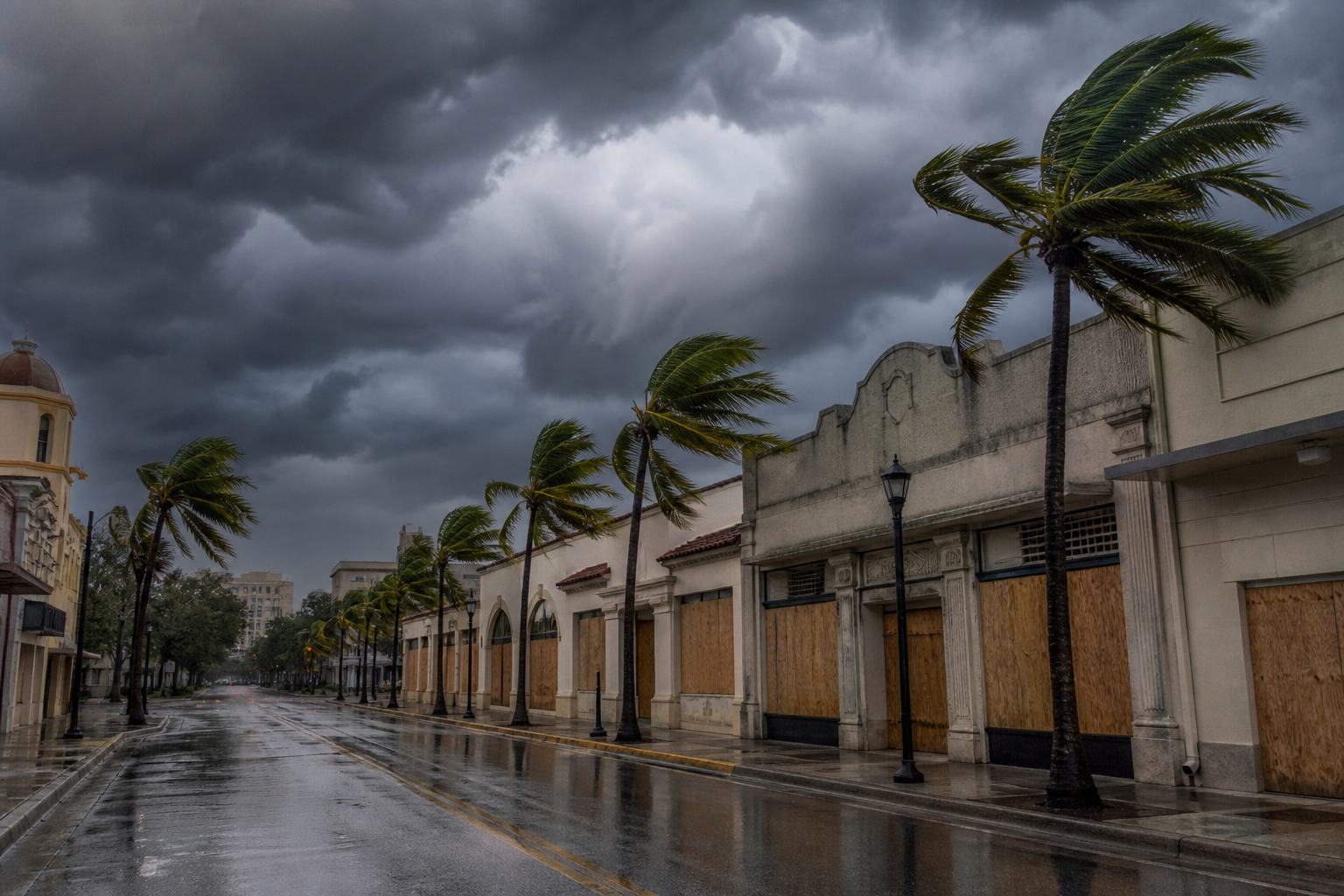
Florida’s vulnerability to hurricanes and flooding makes environmental factors a major consideration for business insurance. Storm surge and wind damage are common risks that can cause extensive property damage and business interruption.
Natural defenses like mangroves play a surprisingly significant role in reducing these risks. A study found that mangroves reduce storm surge losses to properties by $67.5 million annually in Collier County alone. This natural protection not only benefits the environment but can also influence insurance risk assessments and premiums.
Understanding how climate risks translate into insurance costs helps business owners make informed decisions about coverage levels and risk mitigation strategies.
Moreover, the increasing frequency and intensity of severe weather events due to climate change have prompted insurers to reevaluate their risk models. As a result, businesses may find themselves facing higher premiums or stricter policy terms if they are located in high-risk areas. Insurers are also beginning to incorporate climate data into their underwriting processes, which means that businesses that proactively engage in sustainability practices may benefit from lower rates. For instance, companies that invest in flood-resistant infrastructure or renewable energy sources could potentially see a positive impact on their insurance costs.
Additionally, the regulatory landscape surrounding environmental risks is evolving. Florida has implemented various initiatives aimed at enhancing resilience against climate impacts, which can affect insurance policies. Businesses that align with state and local sustainability goals may not only improve their insurability but also gain access to incentives or grants designed to support climate adaptation efforts. This proactive approach not only safeguards their assets but also positions them favorably in an increasingly competitive market where environmental responsibility is becoming a key differentiator.

Choosing the Right Business Owners Insurance in Florida
Selecting the right BOP policy involves assessing your business’s specific risks, size, and industry. Here are some factors to consider:
- Coverage Limits: Ensure your policy limits reflect the replacement cost of your property and potential liability exposure.
- Exclusions: Review what is not covered, especially regarding flood and hurricane damage, which often require separate policies.
- Deductibles: Higher deductibles can lower premiums but increase out-of-pocket costs when filing a claim.
- Additional Coverages: Consider endorsements like equipment breakdown, cyber liability, or professional liability if relevant.
Many Florida small business owners are now purchasing insurance online, with over 60% opting for digital platforms. This shift offers convenience and faster access to quotes and policy management. According to WFTV, this trend is reshaping how insurance products are marketed and sold.
Moreover, the digital landscape has not only simplified the purchasing process but has also empowered business owners with a wealth of information at their fingertips. Online resources, including comparison tools and customer reviews, allow entrepreneurs to make informed decisions that align with their unique needs. This democratization of information means that even small business owners with limited insurance knowledge can navigate the complexities of coverage options with greater confidence.
Additionally, as the Florida market continues to evolve, many insurers are now offering tailored policies that cater specifically to the state's diverse industries, from tourism to agriculture. This specialization can lead to more competitive pricing and better coverage options, ensuring that businesses are adequately protected against the specific risks they face. As such, it’s essential for business owners to stay informed about the latest developments in insurance products and to regularly reassess their coverage as their business grows and changes.
What Business Owners Should Know About Claims and Lawsuits
Florida’s high rate of property insurance lawsuits means business owners must be proactive in managing risk and understanding their policies. Lawsuits can arise from disputes over claim denials, coverage interpretations, or damage assessments. The complexities of these legal battles can often leave business owners feeling overwhelmed, particularly if they lack a solid understanding of their rights and responsibilities under their insurance agreements. Therefore, it is crucial for business owners to familiarize themselves with the nuances of their policies and the claims process to better navigate potential disputes.
Having clear documentation, working with experienced insurance agents, and understanding your policy’s terms can help avoid costly legal battles. Additionally, investing in risk management practices such as regular property maintenance and disaster preparedness can reduce the likelihood of claims. For instance, conducting routine inspections and promptly addressing any maintenance issues can significantly mitigate risks associated with property damage. Furthermore, creating a comprehensive disaster response plan not only helps in minimizing losses but also demonstrates to insurers that the business is taking proactive steps to manage risk, which can be beneficial during the claims process.
Recent Market Improvements
After years of losses, Florida’s personal property insurance market reported its first underwriting profit in eight years in 2024. This turnaround, highlighted by AM Best, signals a healthier environment for insurers and potentially more stable premiums for business owners. The improved profitability is attributed to a combination of factors, including stricter underwriting standards and a decrease in fraudulent claims, which have historically plagued the industry. As a result, business owners may find that they have more options available when it comes to choosing insurance providers, as competition increases among insurers eager to offer favorable terms.
Moreover, this positive shift in the insurance landscape could lead to innovations in policy offerings, including more tailored coverage options that better meet the unique needs of Florida businesses. Insurers may also begin to provide additional resources, such as risk assessment tools and educational materials, to help business owners better understand their coverage and manage potential risks. As the market continues to stabilize, it is essential for business owners to stay informed about these developments and consider how they might impact their insurance strategies moving forward.
Tips for Managing Your Business Insurance Costs
Insurance costs in Florida remain high but there are ways to manage expenses without sacrificing coverage quality:
- Shop Around: Compare quotes from multiple insurers to find competitive rates.
- Bundle Policies: Combining business insurance with other policies like commercial auto or workers compensation can yield discounts.
- Improve Risk Profile: Implement safety measures, security systems, and disaster preparedness plans to lower risk.
- Review Annually:
Update your coverage regularly to reflect changes in your business size, assets, or operations.
Understanding the Impact of Legislative Reforms
Recent legislative reforms in Florida aim to curb excessive litigation and stabilize the insurance market. These changes include stricter regulations on assignment of benefits (AOB) abuse and enhanced oversight of claims processes.
For business owners, this means a more balanced market where insurers can offer better rates and more options. The
Florida Chamber of Commerce emphasizes that these reforms are a big deal for the state’s economic health and insurance affordability.
Final Thoughts on Florida Business Owners Insurance
Protecting your business in Florida requires understanding both the coverage options and the unique risks posed by the state’s climate and legal environment. Business Owners Insurance offers a practical, comprehensive solution for many small to medium-sized businesses, but navigating the market demands careful attention to policy details and market trends.
While challenges remain, recent market stabilization and legislative reforms offer hope for more affordable and reliable insurance in the near future. Staying informed and working with knowledgeable insurance professionals can help you secure the right coverage to keep your business resilient.
Frequently Asked Questions
Q: What does Business Owners Insurance typically cover?
A: It usually includes property insurance, liability coverage, and business interruption insurance, protecting your assets, legal liabilities, and income.
Q: Is flood damage covered under a standard BOP policy in Florida?
A: No. Flood damage generally requires a separate flood insurance policy due to high risk in Florida.
Q: Why are insurance costs so high in Florida?
A: High reinsurance costs, frequent natural disasters, and a large volume of lawsuits drive up premiums.
Q: Can I buy business insurance online in Florida?
A: Yes. Over 60% of small business owners now purchase insurance through digital platforms for convenience and speed.
Q: How do legislative reforms affect my insurance rates?
A: Reforms aimed at reducing litigation and fraud help stabilize the market, which can lead to lower rates and more insurer options.
Q: What should I do if my business is damaged by a hurricane?
A: Contact your insurer promptly, document the damage thoroughly, and follow their claims process carefully to ensure a smooth settlement.
Q: How can I lower my business insurance premiums?
A: Shop around, bundle policies, improve your risk management, and review your coverage regularly to avoid paying for unnecessary coverage.
ABOUT THE AUTHOR:
MONTREAL MORAND
With over 20 years of leadership experience in the insurance industry, I’ve dedicated my career to helping clients and agents make informed, confident decisions about their coverage. I’ve led high-performing teams, managed more than $128 million in premium, and earned multiple national awards for excellence. Today, my mission remains the same — to educate, empower, and provide dependable protection for the communities we serve.
Contact Us
Protect the Things That Matter Most
Reliable Coverage for Your Home & Lifestyle
Home Insurance
Protect your home, belongings, and personal liability with reliable coverage.
Stronger Coverage for Your Operations
Essential Protection for Your Company
Coverage built for businesses that depend on people, property, and equipment.
Industries We Support
Insurance for Everyday Local Businesses
Simple, reliable protection for the people who keep our communities running.
Plumbers
Plumbers Insurance
Protection for job-site hazards, tools, and customer property.
Restaurants
Restaurants Insurance
Coverage for fire risks, food inventory, and general liability.
HVAC Contractors
HVAC Contractors Insurance
Insurance for service vehicles, equipment, and installation risks.




Frequently Asked Questions
Helpful Answers to Common Questions
Quick guidance to help you understand your coverage.
What types of insurance does Macpherson Insurance Agency offer?
We provide both personal and commercial insurance solutions. On the personal side: homeowners, automobile, condo, renters, windstorm, flood, excess flood, and more. On the commercial side: general liability, property, inland marine, ocean marine, workers compensation, and more.
Do you specialize in homeowners insurance in South Florida?
Yes. We specialize in homeowners coverage in South Florida and work with multiple carriers based on your property’s age, location and replacement cost.
What does “replacement cost” mean in a policy?
Replacement cost is the cost to rebuild your home to the same standard it had before a loss — not the market value of your property.
Why is it important that my insurer is licensed in Florida?
Licensed Florida insurers are continuously monitored for financial stability — if one fails, the Florida Insurance Guaranty Fund may reimburse insureds for unpaid claims up to a limit.
Can I lower my homeowners premium with discounts?
Yes — mitigation features like impact glass, storm shutters, roof straps, and approved sheathing may qualify you for significant credit reductions.
Do you offer payment plans or premium financing?
Yes. In many cases, payment plans and premium financing are available to make coverage more affordable and manageable over time.
From the Blog
Helpful Tips & Insurance Guidance
Articles created to make insurance easier to understand.








Contact Us
Phone
Location