Florida's pressure washing industry thrives year-round, but that constant demand comes with constant exposure to risk. From hurricane season flooding to scorching summer heat, your equipment, crew, and client relationships face challenges that operators in other states simply don't encounter. A single slip-and-fall incident where walkways weren't properly roped off can result in
approximately $45,000 in medical expenses and lost wages. Equipment theft from a work trailer can mean losses estimated at $28,000. These aren't hypothetical scenarios; they're documented claims that have devastated Florida pressure washing businesses. Understanding how power washing businesses in Florida can avoid costly risks starts with recognizing that your state presents a unique combination of environmental, regulatory, and operational challenges. The good news? Most of these risks are preventable with proper planning, adequate insurance coverage, and smart operational protocols. Whether you're a solo operator or managing a crew of ten, the strategies outlined here will help protect your investment, your reputation, and your livelihood.
Florida's subtropical climate creates specific hazards that affect both your equipment longevity and your crew's safety. The combination of intense UV exposure, salt air corrosion near coastal areas, and afternoon thunderstorms that roll in without warning demands proactive planning.
Managing Extreme Heat and Humidity for Equipment and Crew
Your pressure washer's engine and pump work harder in 95-degree heat with 80% humidity. Oil breaks down faster, seals deteriorate more quickly, and overheating becomes a real concern during extended jobs. Schedule your most demanding work for early morning hours when temperatures are more moderate.
Crew safety requires equal attention. Heat exhaustion claims can trigger workers' compensation issues and leave you short-staffed during peak season. Mandate hydration breaks every 30 minutes during summer months. Provide shaded rest areas and recognize warning signs like confusion, excessive sweating, or pale skin.
Store equipment in climate-controlled spaces when possible. Humidity accelerates rust on metal components and degrades rubber hoses. A simple dehumidifier in your storage area can extend equipment life by years.
Protecting Delicate Tropical Landscaping from Chemical Runoff
Florida properties often feature expensive tropical landscaping that's particularly sensitive to cleaning chemicals. Hibiscus, bird of paradise, and palms can suffer permanent damage from sodium hypochlorite runoff. One overspray incident on a client's prized orchid collection could cost you far more than the job paid.
Pre-wet all vegetation before starting work. Cover
delicate plants with plastic sheeting. Use
containment berms to direct runoff away from garden beds. Document the landscape's condition with photos before you begin, noting any pre-existing damage or stressed plants that might be blamed on your work later.


By: Montreal Morand
Founder & Managing Partner
Macpherson Insurance Agency
Securing Essential Insurance and Liability Coverage
A standard general liability policy typically costs Florida pressure washing companies between $800 and $1,500 annually. That's a modest investment compared to the six-figure claims that can arise from property damage or injuries. But not all policies are created equal, and gaps in coverage can leave you exposed when you need protection most.
The Importance of Care, Custody, and Control Endorsements
Standard general liability policies often exclude damage to property in your care, custody, or control. That's a problem when you're pressure washing a client's $50,000 boat or cleaning equipment stored on their property. Without a CCC endorsement, you're personally liable for any damage to items you're working on or near.
Request this endorsement specifically when purchasing coverage. Expect to pay a modest additional premium, but consider it essential for any business that works on or around valuable client property. The endorsement typically covers damage to property you're working on, property you're storing, or property you've accepted for service.
Workers' Compensation Requirements for Florida Contractors
Florida requires workers' compensation coverage once you have four or more employees in most industries. However, the construction industry, which often includes pressure washing, may have different thresholds. Verify your classification with the Florida Division of Workers' Compensation.
Even if you're below the mandatory threshold, carrying workers' comp protects you from devastating personal injury lawsuits by employees. An injured worker without coverage can sue you directly, potentially putting your personal assets at risk. Many commercial clients also require proof of workers' compensation before allowing contractors on their property.
Compliance with State and Local Water Regulations
Environmental violations represent one of the most underestimated risks for Florida pressure washing businesses. The EPA and Florida DEP can impose fines of tens of thousands of dollars per day for illegal wastewater discharges that violate the Clean Water Act. These aren't empty threats; enforcement has increased significantly in recent years.
Adhering to the Clean Water Act and Wastewater Recovery
Wash water containing detergents, oil, grease, or cleaning chemicals cannot legally flow into storm drains. Storm drains lead directly to waterways without treatment, making even small discharges potentially harmful. You need a wastewater recovery system for most commercial jobs.
Invest in a portable recovery vacuum or containment berms that allow you to collect and properly dispose of wash water. Some municipalities require you to haul contaminated water to approved treatment facilities. Others allow discharge to sanitary sewers with proper permits. Know your local requirements before bidding jobs.
Understanding Municipal Restrictions During Drought Periods
Florida's water management districts can impose restrictions during dry periods that directly affect your operations. Some municipalities limit outdoor water use to specific days or hours. Others prohibit pressure washing entirely during severe drought conditions.
Monitor your local water management district's announcements. Build flexibility into your scheduling to accommodate restrictions. Consider investing in water recycling equipment that reduces consumption by up to 80%, allowing you to continue working when competitors can't.
Preventing Property Damage Through Proper Technique
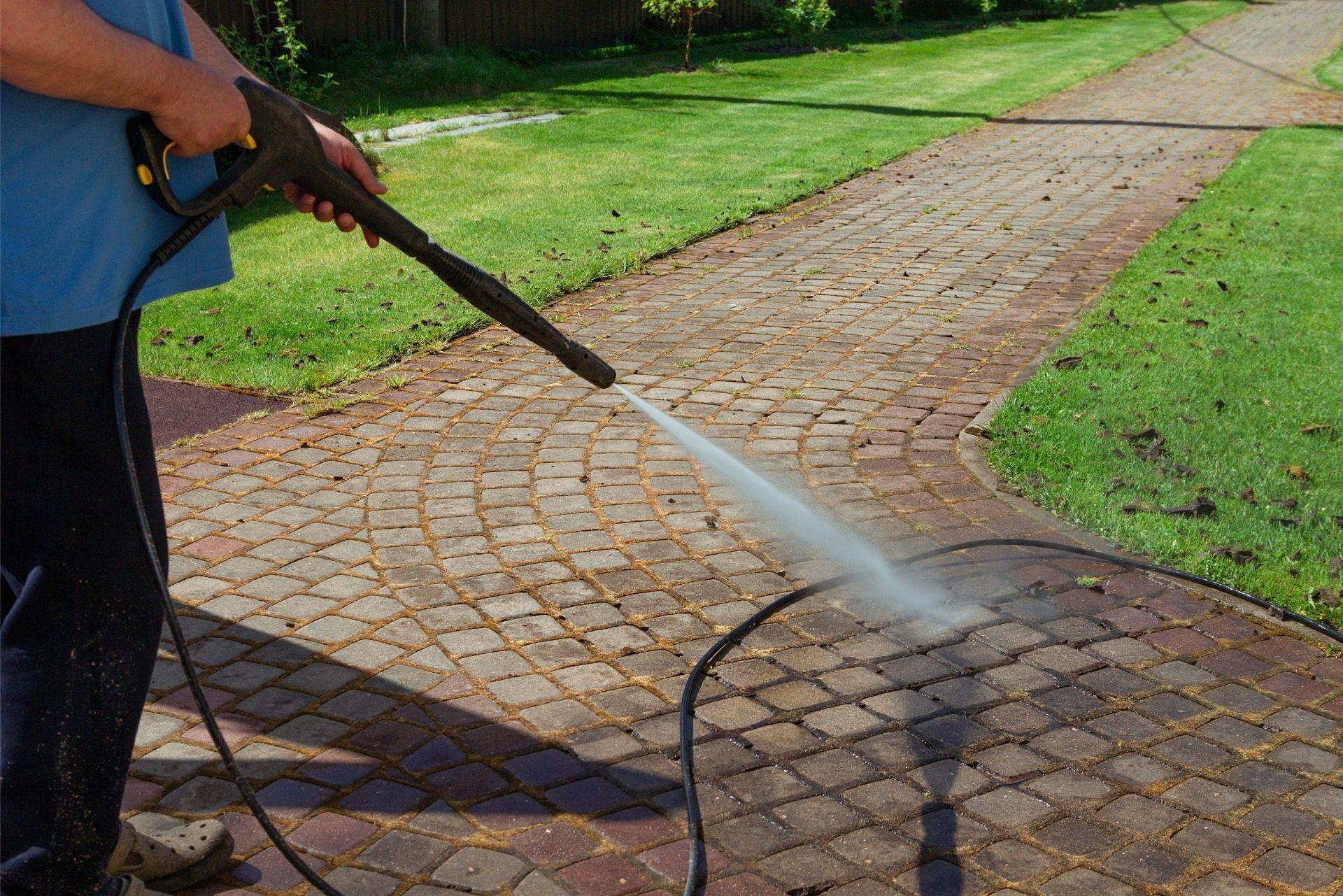
Property damage claims are among the most common issues facing pressure washing businesses. An overspray incident that damaged a client's vehicle was settled for $6,800. That's a significant hit for a small operation, and it doesn't account for the reputation damage and lost referrals that follow.
Soft Washing vs. Pressure Washing for Stucco and Tile Roofs
Florida homes commonly feature
stucco exteriors and tile roofs that can be damaged by high-pressure washing. Stucco is essentially a thin layer of cement that erodes under excessive pressure. Tile roofs can crack or dislodge when hit with concentrated spray.
| Surface Type | Recommended Method | Max PSI | Chemical Approach |
|---|---|---|---|
| Stucco walls | Soft wash | 500-800 | Sodium hypochlorite blend |
| Tile roofs | Soft wash only | 300-500 | Low-concentration bleach |
| Concrete driveways | Pressure wash | 3000-4000 | Degreaser pre-treatment |
| Wood decks | Soft wash | 500-1000 | Oxygen bleach preferred |
| Vinyl siding | Low pressure | 1000-1500 | Mild detergent |
Train every crew member on appropriate pressure settings for different surfaces. A moment of carelessness with a 4,000 PSI wand on stucco can create damage that costs thousands to repair.
Identifying Pre-existing Damage to Avoid False Claims
Document everything before you start. Walk the property with your client and photograph any cracks, chips, stains, or damaged areas. Email these photos to the client with a timestamp before beginning work. This simple habit protects you from claims for damage that existed before you arrived.
Pay special attention to window seals, caulking around doors, and areas where different materials meet. These spots often have pre-existing issues that become more visible after cleaning. Without documentation, you may be blamed for revealing rather than causing the problem.
Operational Safety and Equipment Maintenance Protocols
Equipment failures don't just cost you money in repairs; they can injure crew members and bystanders. A burst high-pressure hose becomes a dangerous whip. Chemical spills can cause burns and environmental contamination. Consistent maintenance protocols prevent most equipment-related incidents.
Routine Inspection of High-Pressure Hoses and Fittings
Inspect hoses before every job. Look for bulges, cracks, abrasions, or soft spots that indicate internal damage. Check fittings for corrosion or loose connections. Replace any component that shows wear, even if it still "works fine."
High-pressure hose failures typically occur at connection points or where hoses bend repeatedly. Create a replacement schedule based on manufacturer recommendations and actual usage hours. Keep spare hoses and fittings on your truck to avoid lost productivity when failures occur.
Safe Handling and Storage of Sodium Hypochlorite
Sodium hypochlorite, the active ingredient in most soft wash solutions, requires careful handling. Store it in a cool, shaded area away from direct sunlight. Heat accelerates degradation, reducing effectiveness and creating potentially dangerous off-gassing.
Never mix sodium hypochlorite with acids or ammonia-based products. The resulting chlorine gas can cause serious injury or death. Train every employee on proper handling, require appropriate PPE including chemical-resistant gloves and eye protection, and maintain safety data sheets for all chemicals on your truck.
Building Financial Resilience Against Seasonal Fluctuations
Florida's pressure washing season never truly ends, but demand fluctuates significantly. Hurricane season brings cleanup opportunities but also weather delays. Summer heat reduces scheduling flexibility. Snowbird season creates surges in certain markets while others slow down.
Build cash reserves during peak months to cover expenses during slower periods. Diversify your services to maintain revenue year-round: consider adding holiday light installation in winter or gutter cleaning during fall. Establish relationships with property managers and HOAs who provide consistent, recurring work regardless of season.
As one industry expert notes,
"Having the right insurance won't stop the accident, but it will stop the accident from destroying your business." That philosophy extends beyond insurance to every aspect of risk management. Prevention is always cheaper than recovery.
Frequently Asked Questions
What insurance do I need to start a pressure washing business in Florida? At minimum, you need general liability insurance, which typically runs $800-$1,500 annually. Add commercial auto coverage for your work vehicle and consider inland marine insurance for equipment.
Can I discharge wash water into storm drains in Florida? No. Storm drains flow directly to waterways without treatment. You must collect and properly dispose of contaminated wash water or face significant fines.
Do I need a license to pressure wash in Florida? Florida doesn't require a state license for pressure washing, but many municipalities require business licenses. Check your local requirements before operating.
How often should I replace high-pressure hoses? Inspect hoses before every job and replace them when you see wear. Most manufacturers recommend replacement every 1-2 years with regular use, regardless of visible condition.
What's the difference between soft washing and pressure washing? Soft washing uses low pressure with chemical solutions to clean delicate surfaces. Pressure washing relies on high-pressure water for durable surfaces like concrete.
Protecting your Florida pressure washing business requires attention to environmental challenges, proper insurance coverage, regulatory compliance, and consistent operational protocols. The risks are real, but they're manageable with the right approach. Review your current insurance policies for gaps, establish documented pre-job inspection procedures, and invest in proper wastewater recovery equipment. These steps won't eliminate every risk, but they'll position your business to handle challenges without catastrophic losses. Start with one area this week, whether that's updating your insurance coverage or implementing a new safety protocol, and build from there.
ABOUT THE AUTHOR:
MONTREAL MORAND
With over 20 years of leadership experience in the insurance industry, I’ve dedicated my career to helping clients and agents make informed, confident decisions about their coverage. I’ve led high-performing teams, managed more than $128 million in premium, and earned multiple national awards for excellence. Today, my mission remains the same — to educate, empower, and provide dependable protection for the communities we serve.
Contact Us
Protect the Things That Matter Most
Reliable Coverage for Your Home & Lifestyle
Home Insurance
Protect your home, belongings, and personal liability with reliable coverage.
Stronger Coverage for Your Operations
Essential Protection for Your Company
Coverage built for businesses that depend on people, property, and equipment.
Industries We Support
Insurance for Everyday Local Businesses
Simple, reliable protection for the people who keep our communities running.
Plumbers
Plumbers Insurance
Protection for job-site hazards, tools, and customer property.
Restaurants
Restaurants Insurance
Coverage for fire risks, food inventory, and general liability.
HVAC Contractors
HVAC Contractors Insurance
Insurance for service vehicles, equipment, and installation risks.




Frequently Asked Questions
Helpful Answers to Common Questions
Quick guidance to help you understand your coverage.
What types of insurance does Macpherson Insurance Agency offer?
We provide both personal and commercial insurance solutions. On the personal side: homeowners, automobile, condo, renters, windstorm, flood, excess flood, and more. On the commercial side: general liability, property, inland marine, ocean marine, workers compensation, and more.
Do you specialize in homeowners insurance in South Florida?
Yes. We specialize in homeowners coverage in South Florida and work with multiple carriers based on your property’s age, location and replacement cost.
What does “replacement cost” mean in a policy?
Replacement cost is the cost to rebuild your home to the same standard it had before a loss — not the market value of your property.
Why is it important that my insurer is licensed in Florida?
Licensed Florida insurers are continuously monitored for financial stability — if one fails, the Florida Insurance Guaranty Fund may reimburse insureds for unpaid claims up to a limit.
Can I lower my homeowners premium with discounts?
Yes — mitigation features like impact glass, storm shutters, roof straps, and approved sheathing may qualify you for significant credit reductions.
Do you offer payment plans or premium financing?
Yes. In many cases, payment plans and premium financing are available to make coverage more affordable and manageable over time.
From the Blog
Helpful Tips & Insurance Guidance
Articles created to make insurance easier to understand.







Contact Us
Phone
Location