
When planning a wedding or special event, the last thing anyone wants is an unexpected mishap turning a joyful day into a costly nightmare. Liability insurance for venues has become a critical part of event planning, with 65% of wedding and event venues now requiring it. This coverage protects not only the venue but also guests and vendors from financial loss due to accidents, property damage, or cancellations. Understanding how venue insurance works can save you from stress and expense down the road.
According to a
BriteCo Research Report from November 2024, the average liability insurance requirement for venues is $1 million per occurrence and $2 million aggregate. This means venues want assurance that any claims arising during an event will be covered up to these limits. As the demand for liability insurance grows, so does the need for event organizers and couples to understand what’s involved in securing the right protection.
Why Liability Insurance Matters for Wedding and Event Venues
Liability insurance acts as a financial safety net. Imagine a guest slipping on a wet floor or a vendor accidentally damaging venue property. Without insurance, the venue or event host could face expensive lawsuits or repair bills. Liability insurance covers these costs, helping to avoid out-of-pocket expenses that could run into the tens or hundreds of thousands of dollars.
Liability insurance also protects vendors who provide services such as catering, photography, or entertainment. If a vendor causes damage or injury, the insurance can cover claims, reducing the risk for everyone involved. This shared protection is why many venues now require proof of insurance from vendors before allowing them on site.
With the global venue rental industry expected to grow from $20 billion in 2025 to $30 billion by 2032, maintaining strong insurance standards is becoming even more important. Venues want to safeguard their reputation and assets as demand increases, which explains why liability insurance is mandatory for most locations today (BusinessDojo, 2025).
Coverage Levels and Costs
The typical insurance coverage required by venues is $1 million per occurrence and $2 million aggregate. This means the policy will cover up to $1 million for any single claim and up to $2 million total for all claims during the policy period. These amounts reflect the potential scale of liability claims in event settings.
Costs for wedding liability insurance vary based on event size, location, and coverage options. On average, premiums range from $120 to $500. Smaller events with fewer guests and less risk tend to pay less, while larger or higher-risk events can expect higher premiums (BriteCo, 2024).
It's also worth noting that some venues may offer packages that bundle liability insurance with other services, such as event planning or catering. This can be a cost-effective solution for clients, as it simplifies the process of obtaining necessary coverage while ensuring that all aspects of the event are adequately protected. Additionally, venues may provide guidance on selecting the right insurance policy, helping clients navigate the often complex world of insurance to find the best fit for their specific needs.
Moreover, the increasing prevalence of outdoor events has introduced new considerations for liability insurance. Factors such as weather conditions, uneven terrain, and the presence of animals can elevate risks, prompting venues to reassess their insurance requirements. As a result, many venues are now incorporating specific clauses in their insurance policies to address these unique challenges, ensuring comprehensive coverage that adapts to the evolving landscape of event hosting.

By: Montreal Morand
Founder & Managing Partner
Macpherson Insurance Agency
Key Risks Covered by Venue Insurance
Understanding what liability insurance covers helps event planners choose the right policy. Common risks include bodily injury, property damage, and event cancellation. Each of these can have significant financial consequences if left uninsured.
Bodily Injury and Property Damage
Accidents happen. A guest might trip over a cable, or a vendor could accidentally knock over expensive equipment. Liability insurance covers medical bills, legal fees, and repair costs related to these incidents. This coverage is essential for protecting both the venue and the event host from costly lawsuits.
Venues often require vendors to carry their own insurance as well. This ensures that if a vendor causes damage or injury, their policy will cover the claim rather than the venue’s. It creates a layered safety net benefiting all parties involved. Additionally, having comprehensive insurance can enhance the credibility of the venue, making it more appealing to potential clients who prioritize safety and risk management. Event planners can feel more secure knowing that both they and their vendors are adequately protected, allowing them to focus on delivering a memorable experience.
Event Cancellation and Weather-Related Risks
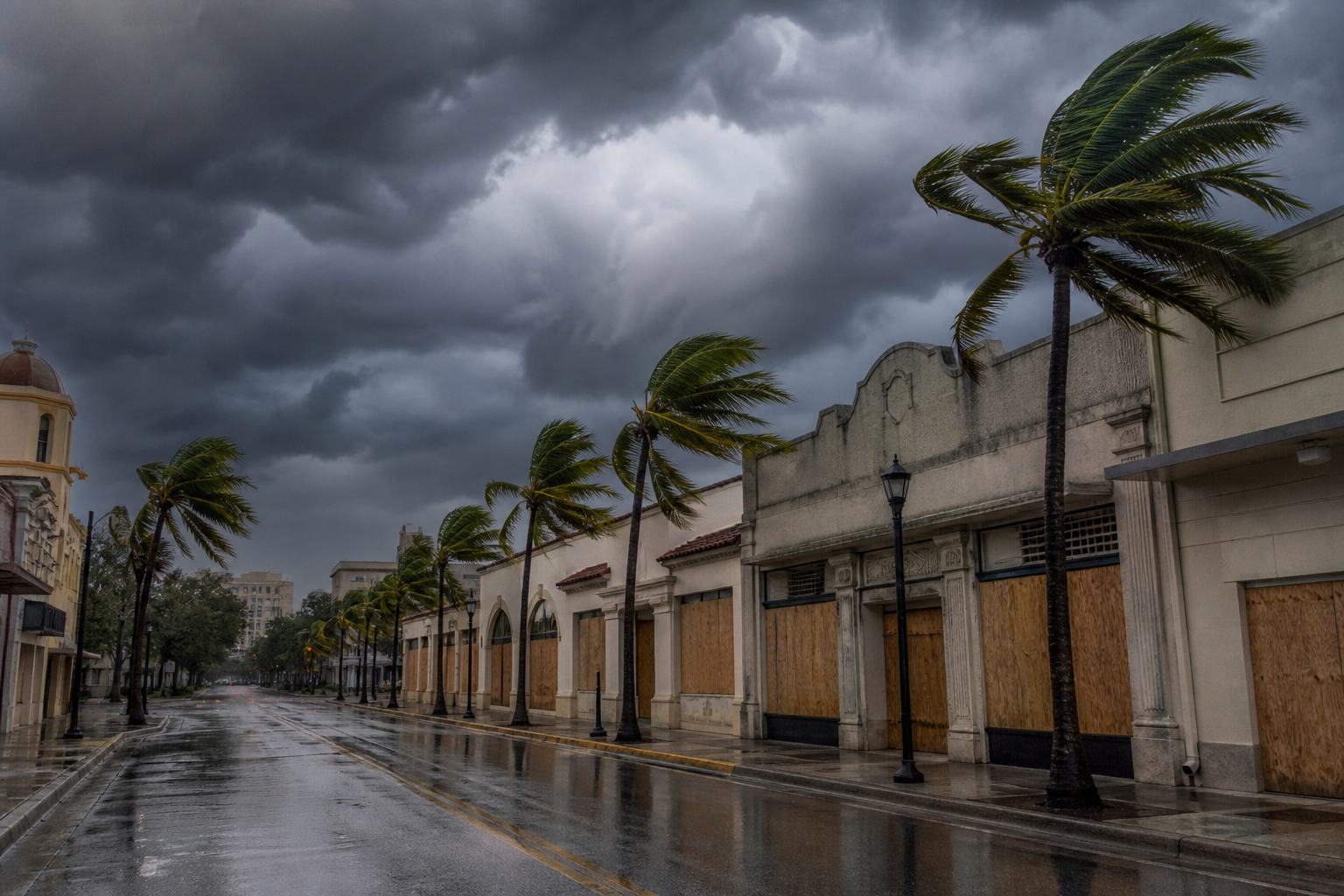
Weather is unpredictable. Rough storms or extreme conditions can force an event to be canceled or postponed, leading to lost deposits, vendor fees, and other expenses. About 24% of event organizers cite weather-related cancellations as a key reason to purchase event insurance (Global Growth Insights).
Cancellation coverage helps recoup non-refundable costs if an event cannot proceed due to circumstances beyond the organizer’s control. This protection is particularly valuable for outdoor weddings or events scheduled during seasons prone to storms. Furthermore, event cancellation insurance can also cover other unforeseen circumstances such as venue damage, illness of key participants, or even a pandemic, which has become increasingly relevant in recent years. By investing in this type of insurance, event planners can safeguard their financial investment and reduce the stress associated with potential disruptions, allowing them to plan with greater confidence and creativity.
How Insurance Premiums Are Determined
Insurance companies assess risk before setting premiums. Several factors influence the cost of venue liability insurance, including event size, location, duration, and the types of activities planned.
According to experts at EverBright Actuarial, insurers evaluate the perceived risk level of each event. For example, a wedding with hundreds of guests, live entertainment, and alcohol service will typically face higher premiums than a small, low-key ceremony without alcohol (EverBright Actuarial).
Other variables include the venue’s safety features, previous claims history, and whether vendors carry their own insurance. All these factors combine to create a tailored premium that reflects the specific risks of the event. Additionally, the insurance company may consider the time of year and local regulations, as certain seasons or locations may have heightened risks due to weather conditions or community events that could affect safety.
Moreover, the insurance landscape is continuously evolving, with emerging trends influencing premium calculations. For instance, the rise of outdoor events has prompted insurers to reassess risks associated with unpredictable weather, leading to more nuanced pricing models. Insurers are also increasingly factoring in the potential for social media exposure, as events that gain significant online attention may attract larger crowds, thereby increasing risk.
Choosing the Right Coverage
Event organizers should carefully review their insurance needs. Basic liability coverage may suffice for some, but others might require additional protections such as liquor liability, equipment coverage, or cancellation insurance.
Working with an insurance professional can help clarify which options make sense based on the event’s size, location, and activities. It also ensures compliance with venue requirements, avoiding last-minute surprises. Furthermore, understanding the nuances of different coverage types can be beneficial; for instance, cancellation insurance can protect against unforeseen circumstances like natural disasters or sudden venue closures, which could otherwise result in significant financial losses.
Additionally, organizers should be proactive in discussing their specific concerns with their insurance agents. This dialogue can lead to customized solutions that not only address standard risks but also unique challenges posed by particular events. For example, if an event involves high-risk activities such as extreme sports or live animal displays, specialized coverage may be necessary to ensure comprehensive protection. By taking these steps, organizers can create a robust insurance strategy that safeguards their interests and enhances the overall success of their event.
Trends Shaping the Wedding and Event Insurance Market
The wedding industry is a $300 billion market, with evolving preferences influencing insurance needs. Personalized and eco-friendly weddings are on the rise, often involving unique venues and custom setups that may require specialized coverage (ZipDo Education Reports, 2025).
As venues become more selective about insurance requirements, the demand for comprehensive event insurance grows. The global wedding and special event insurance market is projected to expand significantly in the coming years, reflecting increased awareness and regulatory expectations (Global Wedding and Special Event Insurance Market Research Report, 2025).
With these trends, event planners need to stay informed about coverage options and emerging risks. Insurance policies that once seemed optional are now essential components of successful event management.
Vendor and Venue Collaboration
Stronger collaboration between venues and vendors is helping to streamline insurance processes. Venues often require vendors to carry specific insurance limits, which protects the venue and ensures vendors are accountable for their actions.
This shared responsibility reduces disputes and clarifies liability if something goes wrong. It also encourages vendors to maintain high safety standards, benefiting everyone involved in the event. For instance, caterers and florists are increasingly adopting comprehensive liability insurance policies that not only cover their services but also extend to potential damages caused during the event. This proactive approach not only safeguards their business but also enhances their reputation among clients and venues alike.
Moreover, as technology continues to evolve, many venues are leveraging digital platforms to facilitate the insurance verification process. These platforms allow vendors to upload their insurance certificates directly, making it easier for venues to confirm compliance with their requirements. This efficiency not only saves time but also fosters a more collaborative atmosphere, where all parties can focus on creating memorable experiences rather than getting bogged down by paperwork.
Before You Book: What to Check About Venue Insurance
Before signing a contract with a venue, it’s important to understand their insurance requirements and what coverage you need as an event organizer. Here are some key questions to ask:
- What liability coverage limits does the venue require?
- Do vendors need to provide proof of insurance?
- Is event cancellation insurance mandatory or recommended?
- What risks are specifically excluded from the venue’s insurance?
- Are there any additional insured endorsements needed?
Getting clear answers upfront can prevent headaches later. It also helps ensure your insurance policy aligns with the venue’s standards, avoiding potential contract breaches.
Understanding Additional Insured Endorsements
Venues often ask to be named as an additional insured on your liability policy. This means the venue is covered under your insurance for claims related to your event. It provides an extra layer of protection for the venue and is usually a straightforward addition to your policy.
Make sure your insurance agent understands the venue’s requirements and includes this endorsement if needed. It’s a common but important detail that can smooth the insurance process.
Wedding and Event Insurance: A Wise Investment
Insurance might feel like just another expense in wedding planning, but it can save thousands in the event of accidents or cancellations. The average cost of wedding liability insurance ranges from $120 to $500, a small price compared to potential lawsuits or lost deposits (BriteCo, 2024).
Liability insurance protects guests, vendors, and venues alike. It provides peace of mind so everyone can focus on celebrating rather than worrying about what might go wrong.
As the wedding and event market continues to grow and evolve, having the right insurance coverage is no longer optional. It’s a fundamental part of responsible event planning that safeguards memories and finances.
Comparison Table: Basic vs. Extended Wedding Venue Insurance Coverage
| Coverage Type | Basic Coverage | Extended Coverage |
|---|---|---|
| General Liability | Covers bodily injury and property damage | Includes higher limits and broader protections |
| Liquor Liability | Not included | Included for events serving alcohol |
| Event Cancellation | Optional add-on | Often included, covers weather and other disruptions |
| Vendor Insurance Requirements | Venue may require proof separately | Policy can include vendor coverage endorsements |
| Additional Insured Endorsement | May not be included | Typically included to protect venue |
Frequently Asked Questions
Q: Do all wedding venues require liability insurance?
A: About 65% of venues require liability insurance, and this number is expected to rise as venues prioritize risk management. Check with your venue to confirm their specific requirements.
Q: How much does wedding liability insurance typically cost?
A: Costs range from $120 to $500 depending on event size, location, and coverage options.
Q: Can I add event cancellation coverage to my policy?
A: Yes. Many insurers offer cancellation coverage as an add-on, which helps recover costs if weather or other unforeseen events force a cancellation.
Q: What is an additional insured endorsement?
A: It’s a policy addition that names the venue as insured under your coverage, protecting them from liability related to your event.
Q: Should vendors carry their own insurance?
A: Yes. Venues often require vendors to have insurance to cover any damage or injury they might cause during the event.
Q: How do insurers determine my event’s risk level?
A: They consider factors such as event size, activities planned, alcohol service, location, and past claims history.
Q: Is liability insurance enough for all events?
A: It depends. Some events may need additional coverage like liquor liability or cancellation insurance. Consulting with an insurance professional can help tailor the right policy.
Protecting your wedding or event venue with the right insurance is about more than meeting requirements. It’s about securing peace of mind for a day that should be remembered for joy, not unexpected troubles.
ABOUT THE AUTHOR:
MONTREAL MORAND
With over 20 years of leadership experience in the insurance industry, I’ve dedicated my career to helping clients and agents make informed, confident decisions about their coverage. I’ve led high-performing teams, managed more than $128 million in premium, and earned multiple national awards for excellence. Today, my mission remains the same — to educate, empower, and provide dependable protection for the communities we serve.
Contact Us
Protect the Things That Matter Most
Reliable Coverage for Your Home & Lifestyle
Home Insurance
Protect your home, belongings, and personal liability with reliable coverage.
Stronger Coverage for Your Operations
Essential Protection for Your Company
Coverage built for businesses that depend on people, property, and equipment.
Industries We Support
Insurance for Everyday Local Businesses
Simple, reliable protection for the people who keep our communities running.
Plumbers
Plumbers Insurance
Protection for job-site hazards, tools, and customer property.
Restaurants
Restaurants Insurance
Coverage for fire risks, food inventory, and general liability.
HVAC Contractors
HVAC Contractors Insurance
Insurance for service vehicles, equipment, and installation risks.




Frequently Asked Questions
Helpful Answers to Common Questions
Quick guidance to help you understand your coverage.
What types of insurance does Macpherson Insurance Agency offer?
We provide both personal and commercial insurance solutions. On the personal side: homeowners, automobile, condo, renters, windstorm, flood, excess flood, and more. On the commercial side: general liability, property, inland marine, ocean marine, workers compensation, and more.
Do you specialize in homeowners insurance in South Florida?
Yes. We specialize in homeowners coverage in South Florida and work with multiple carriers based on your property’s age, location and replacement cost.
What does “replacement cost” mean in a policy?
Replacement cost is the cost to rebuild your home to the same standard it had before a loss — not the market value of your property.
Why is it important that my insurer is licensed in Florida?
Licensed Florida insurers are continuously monitored for financial stability — if one fails, the Florida Insurance Guaranty Fund may reimburse insureds for unpaid claims up to a limit.
Can I lower my homeowners premium with discounts?
Yes — mitigation features like impact glass, storm shutters, roof straps, and approved sheathing may qualify you for significant credit reductions.
Do you offer payment plans or premium financing?
Yes. In many cases, payment plans and premium financing are available to make coverage more affordable and manageable over time.
From the Blog
Helpful Tips & Insurance Guidance
Articles created to make insurance easier to understand.






Contact Us
Phone
Location