Fraternal organizations in Florida face a unique set of challenges when it comes to protecting their assets and members. Between the state’s exposure to natural disasters and a notoriously litigious environment, securing the right insurance coverage is critical. Understanding how to manage liability and property risks effectively can mean the difference between financial stability and costly legal battles.
Florida homeowners’ insurance claims and lawsuits have drawn national attention, with the state accounting for a disproportionate share of legal disputes. This environment directly impacts fraternal organizations, which often operate community centers, event spaces, and other properties vulnerable to both weather and legal risks. Navigating this complex landscape requires insight into recent legislative changes, risk factors, and tailored insurance solutions.
For context on Florida’s insurance market challenges, see this analysis of Florida’s homeowners insurance lawsuits, which highlights the state’s outsized share of claims and litigation.
Why Florida’s Insurance Landscape Is Different for Fraternal Organizations
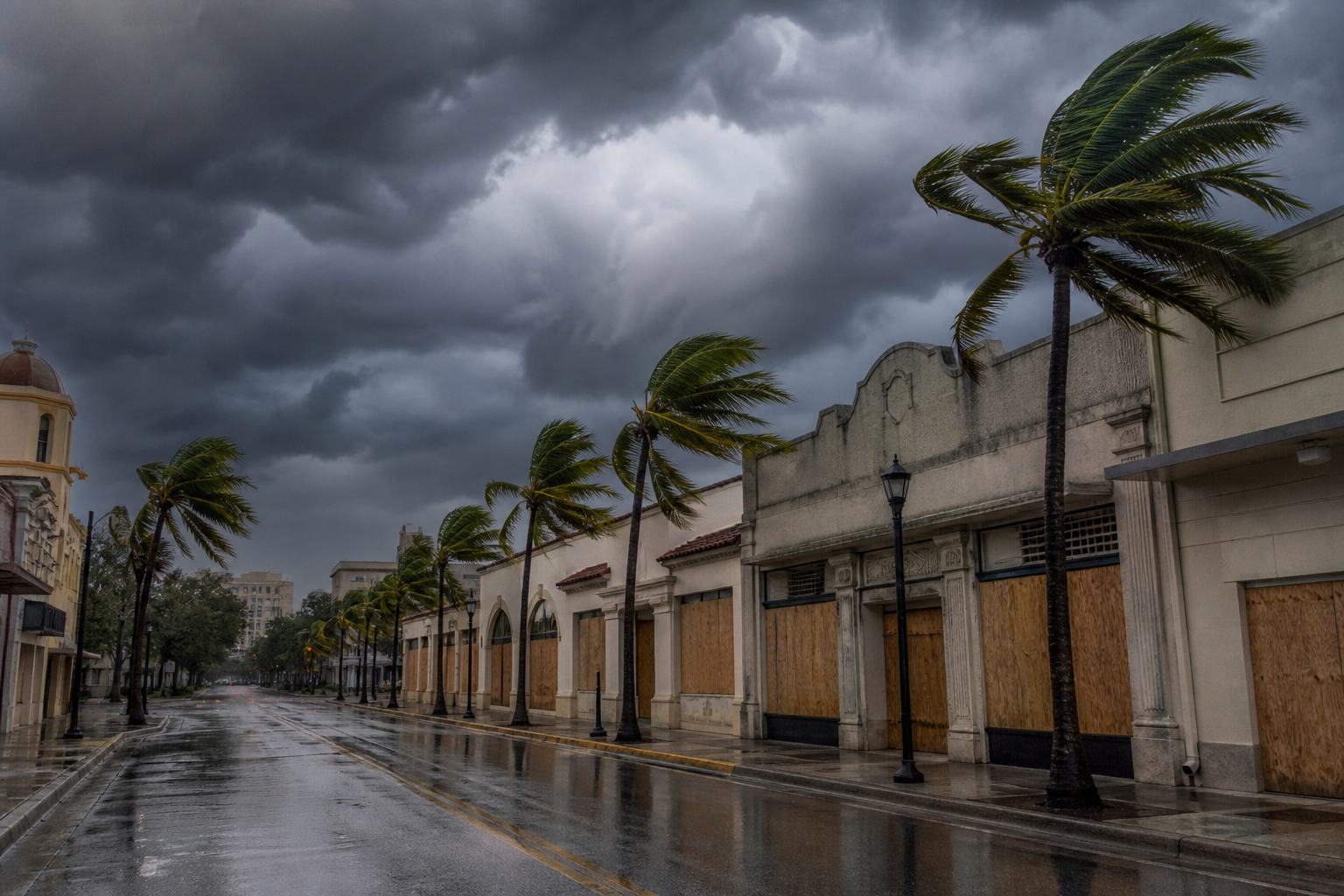
Florida’s geography makes it susceptible to hurricanes, flooding, and other natural disasters that can cause significant property damage. This risk alone drives up insurance premiums. However, the state’s legal environment adds another layer of complexity. In 2021, Florida accounted for 76% of all homeowners’ insurance lawsuits nationwide, despite policyholders submitting only 7% of the country’s claims. This mismatch signals a highly litigious climate that inflates costs and complicates claims processing.
Don Matz, former president of Tower Hill Insurance, points out that while hurricane risk naturally raises insurance costs, it is the “litigious environment that has really driven the problem for the insurance market for the last five years.” For fraternal organizations, this means that liability coverage must be carefully structured to protect against frivolous or excessive lawsuits, especially those related to property damage or bodily injury on their premises.
Moreover, Florida has been labeled a “Judicial Hellhole” in reports analyzing residential property insurance, reflecting the challenges insurers face in defending claims. This reputation affects fraternal organizations by increasing the likelihood of drawn-out legal disputes and higher defense costs. Understanding these risks helps organizations prepare and select policies that offer robust legal protection.
In addition to the heightened risk of litigation, fraternal organizations in Florida must also navigate the complexities of their unique operational structures. These organizations often rely on a membership model, which can complicate insurance needs. For instance, the presence of volunteers and members on-site can lead to additional liability concerns, as the organization must ensure that all individuals are adequately covered while participating in events or activities. This necessitates a thorough risk assessment to identify potential vulnerabilities and tailor insurance solutions that address specific needs.
Furthermore, the financial implications of Florida's insurance landscape extend beyond just premiums. Fraternal organizations may find it increasingly challenging to maintain financial stability in the face of rising costs and potential claims. This reality can impact their ability to serve their communities effectively, as funds that could be allocated to community service or development initiatives may instead be diverted to cover insurance expenses. As such, proactive risk management strategies, including regular safety audits and member training programs, become essential for these organizations to mitigate risks and ensure their longevity in a challenging environment.

By: Montreal Morand
Founder & Managing Partner
Macpherson Insurance Agency
Legislative Reforms and Their Impact on Insurance Stability
Recent legislative reforms in Florida have aimed to curb the abuse of the legal system and reduce fraudulent insurance claims. Passed in 2022 and 2023, these laws target practices such as questionable lawsuits and claim fraud, which have historically destabilized the property and casualty insurance market.
These reforms have started to bear fruit. According to the Insurance Information Institute’s May 2024 report, Florida’s property insurance market is showing signs of improvement, stabilizing due to these new legal safeguards. The Florida Office of Insurance Regulation echoed this in a July 2025 report, confirming that the market is becoming more predictable and less burdened by excessive litigation and fraud.
For fraternal organizations, this means insurance providers may offer more competitive rates and better terms as the risk environment improves. However, organizations must stay informed about ongoing legal changes to ensure their coverage remains adequate and compliant.
The implications of these reforms extend beyond mere financial metrics; they also foster a more trustworthy relationship between insurers and policyholders. As the frequency of fraudulent claims decreases, insurers can allocate resources more effectively, leading to enhanced customer service and quicker claim processing times. This shift not only benefits the insurance companies but also provides peace of mind to policyholders who can feel more secure knowing that their claims will be handled fairly and efficiently.
Moreover, the legislative changes have sparked a broader conversation about the role of insurance in community resilience. As Florida faces increasing risks from natural disasters, a stable insurance market is crucial for recovery and rebuilding efforts. With a more robust insurance framework, communities can better prepare for and respond to emergencies, ensuring that residents have the support they need in the aftermath of catastrophic events. This proactive approach to insurance stability ultimately contributes to a more resilient society, capable of weathering both economic and environmental challenges.
Learn more about these developments from the
Insurance Information Institute’s press release on Florida’s market stabilization.
Key Liability Risks for Florida Fraternal Organizations
Liability risks for fraternal organizations often stem from their role as community hubs. Premises liability is a primary concern, as members and visitors may be injured on the property. Slip-and-fall accidents, faulty equipment, or inadequate security can all lead to costly claims. In addition to these physical risks, fraternal organizations also face potential liabilities related to events and activities they host. For example, if a member is injured during a charity event or a social gathering, the organization could be held responsible for not ensuring a safe environment, which underscores the importance of thorough event planning and risk assessments.
Florida’s legal environment amplifies these risks. For example, “windshield replacement lawsuits” have overwhelmed courts, as noted by William Large, president of the Florida Justice Reform Institute. While this example relates to auto insurance, it illustrates the broader trend of litigation targeting minor claims. Fraternal organizations must be vigilant in maintaining safe premises and documenting their risk management efforts. Furthermore, the state’s unique climate conditions, such as hurricanes and flooding, can also pose risks that organizations need to prepare for, including potential property damage and the safety of members during extreme weather events.
General liability insurance tailored to fraternal organizations should cover bodily injury, property damage, and legal defense costs. Additionally, directors and officers (D&O) liability coverage can protect leadership from claims related to governance decisions or financial management. It is also advisable for organizations to consider additional endorsements to their policies, such as coverage for cyber liability, as many fraternal organizations increasingly rely on digital platforms for communication and event management, which can expose them to data breaches and other cyber threats.
Managing Legal Exposure
Proactive risk management can reduce the likelihood of lawsuits. Regular property inspections, clear signage, and staff training on safety protocols are essential. Establishing transparent communication channels with members also helps resolve disputes before they escalate. Additionally, involving members in safety committees can foster a culture of accountability and vigilance, ensuring that everyone feels responsible for maintaining a safe environment. This collaborative approach can also strengthen community ties and enhance member engagement.
Insurance policies with strong legal defense provisions are crucial. Given Florida’s high volume of insurance-related lawsuits, having coverage that includes legal support and cost reimbursement can protect an organization’s financial health. Organizations should also regularly review their insurance policies to ensure they adapt to changing risks and legal landscapes. Engaging with legal professionals who specialize in nonprofit and fraternal organization law can provide invaluable insights and help organizations navigate the complexities of liability and risk management effectively.

Property Insurance Considerations for Fraternal Organizations
Property insurance protects the physical assets of fraternal organizations, including meeting halls, recreational facilities, and equipment. Florida’s exposure to hurricanes and flooding means that standard policies may need endorsements or separate coverage for windstorm and flood damage. This is particularly vital for organizations that operate in coastal areas, where the risk of severe weather is heightened. The unique architecture of many fraternal buildings, often featuring expansive windows and large gathering spaces, can also contribute to increased vulnerability during storm events, necessitating a thorough review of insurance needs.
Given the state’s history of insurance claims and lawsuits, insurers may scrutinize property conditions closely. Organizations should maintain up-to-date maintenance records and invest in mitigation measures like storm shutters or reinforced roofing to qualify for better rates. Additionally, implementing regular inspections and maintenance schedules can not only help in securing lower premiums but also ensure the safety of members and guests. By proactively addressing potential risks, fraternal organizations can demonstrate their commitment to risk management, which may positively influence their insurance negotiations.
In 2020, a Florida State University College of Business report highlighted jurisdictional risks and the state’s reputation for legal challenges in residential property insurance. These factors influence commercial property insurance as well, making it essential for fraternal organizations to work with knowledgeable brokers who understand local market nuances. The complexity of Florida's insurance landscape means that organizations may benefit from engaging legal counsel familiar with property laws and insurance regulations, ensuring that they are adequately protected against potential liabilities and can navigate claims processes effectively.
Coverage Options and Enhancements
Beyond basic property coverage, organizations might consider:
- Business interruption insurance: Protects against lost income if operations are halted due to covered property damage.
- Equipment breakdown coverage: Covers repair or replacement of essential equipment damaged by mechanical failure.
- Ordinance or law coverage: Helps cover costs to bring buildings up to current codes after damage.
These add-ons can provide critical financial support, especially in a state where rebuilding costs can escalate quickly after storms. Furthermore, organizations should evaluate the benefits of cyber liability insurance, particularly as many fraternal organizations increasingly rely on digital platforms for member engagement and event management. With the rise of cyber threats, this coverage can protect against data breaches, ensuring that sensitive member information remains secure. Additionally, considering coverage for volunteer workers can also be beneficial, as many fraternal organizations depend on volunteers for their operations and events, and protecting these individuals can mitigate risks associated with accidents or injuries that may occur during activities.
Balancing Cost and Coverage in a Challenging Market
Florida’s insurance market remains challenging, but legislative reforms and improved risk management practices are helping. Fraternal organizations must balance obtaining comprehensive coverage with controlling premiums.
Shopping around and comparing policy terms is vital. Some insurers may offer better protection against litigation-related risks, while others focus on property damage coverage. Understanding an organization’s specific risk profile is key to selecting the right package.
Working with brokers experienced in Florida’s fraternal organization insurance market can uncover options that might not be obvious. These professionals can also advise on how to document risk management efforts to negotiate better terms.
In addition to traditional coverage options, fraternal organizations should consider supplemental policies that address unique risks associated with their activities. For instance, liability coverage for events and gatherings can be crucial, as these gatherings often expose organizations to higher risks of accidents or claims. Furthermore, investing in cyber liability insurance is becoming increasingly important, especially as many organizations transition to digital platforms for member engagement and record-keeping. Cyber threats can lead to significant financial losses and reputational damage, making it essential to have a comprehensive risk management strategy in place.
Moreover, understanding the nuances of Florida's regulatory landscape can empower organizations to make informed decisions. The state's unique weather patterns, including hurricanes and flooding, necessitate tailored coverage that reflects these environmental risks. Organizations should also stay abreast of any changes in legislation that may impact their insurance needs, as proactive adjustments can lead to better coverage options and potentially lower premiums. Engaging in continuous education about the evolving insurance landscape can further enhance an organization’s ability to navigate this complex market effectively.
For a detailed look at how legislative reforms have influenced Florida’s insurance market, visit the
Insurance Information Institute’s May 2024 Issues Brief.
Frequently Asked Questions
Q: What types of insurance should a fraternal organization in Florida consider?
A: At minimum, general liability and property insurance are essential. Depending on activities, consider directors and officers liability, business interruption, and specialized coverages like flood or windstorm insurance.
Q: How does Florida’s legal environment affect insurance costs?
A: Florida’s high rate of insurance-related lawsuits increases premiums and can complicate claims. Recent reforms aim to reduce frivolous lawsuits, helping stabilize costs.
Q: Can fraternal organizations get coverage for hurricane damage?
A: Yes. Many policies include hurricane coverage, but some require separate endorsements or flood insurance, which is often sold through the National Flood Insurance Program.
Q: What steps can organizations take to reduce liability risks?
A: Maintain safe premises, conduct regular inspections, train staff on safety protocols, and keep clear records. Good risk management can lower the chance of lawsuits.
Q: Are there special insurance considerations for events hosted by fraternal organizations?
A: Yes. Event insurance or additional liability coverage may be needed to cover risks associated with gatherings, including alcohol liability if applicable.
Q: How have recent legislative reforms impacted Florida’s insurance market?
A: Reforms passed in 2022 and 2023 have reduced legal system abuse and claim fraud, contributing to a more stable property and casualty insurance market.
Before You Go: Protecting Your Organization’s Future
Florida’s fraternal organizations operate in a complex insurance environment shaped by natural risks and a challenging legal climate. Staying informed about market trends and legislative changes is essential. Combining strong risk management with tailored insurance coverage helps safeguard assets and ensures continued service to members.
Insurance is not just a policy; it is a strategic tool to manage uncertainty. By understanding Florida’s unique challenges and leveraging recent reforms, fraternal organizations can build a resilient foundation for the years ahead.
For ongoing updates on Florida’s property insurance market and legislative changes, the
Florida Office of Insurance Regulation’s industry reports provide valuable insights.
ABOUT THE AUTHOR:
MONTREAL MORAND
With over 20 years of leadership experience in the insurance industry, I’ve dedicated my career to helping clients and agents make informed, confident decisions about their coverage. I’ve led high-performing teams, managed more than $128 million in premium, and earned multiple national awards for excellence. Today, my mission remains the same — to educate, empower, and provide dependable protection for the communities we serve.
Contact Us
Protect the Things That Matter Most
Reliable Coverage for Your Home & Lifestyle
Home Insurance
Protect your home, belongings, and personal liability with reliable coverage.
Stronger Coverage for Your Operations
Essential Protection for Your Company
Coverage built for businesses that depend on people, property, and equipment.
Industries We Support
Insurance for Everyday Local Businesses
Simple, reliable protection for the people who keep our communities running.
Plumbers
Plumbers Insurance
Protection for job-site hazards, tools, and customer property.
Restaurants
Restaurants Insurance
Coverage for fire risks, food inventory, and general liability.
HVAC Contractors
HVAC Contractors Insurance
Insurance for service vehicles, equipment, and installation risks.




Frequently Asked Questions
Helpful Answers to Common Questions
Quick guidance to help you understand your coverage.
What types of insurance does Macpherson Insurance Agency offer?
We provide both personal and commercial insurance solutions. On the personal side: homeowners, automobile, condo, renters, windstorm, flood, excess flood, and more. On the commercial side: general liability, property, inland marine, ocean marine, workers compensation, and more.
Do you specialize in homeowners insurance in South Florida?
Yes. We specialize in homeowners coverage in South Florida and work with multiple carriers based on your property’s age, location and replacement cost.
What does “replacement cost” mean in a policy?
Replacement cost is the cost to rebuild your home to the same standard it had before a loss — not the market value of your property.
Why is it important that my insurer is licensed in Florida?
Licensed Florida insurers are continuously monitored for financial stability — if one fails, the Florida Insurance Guaranty Fund may reimburse insureds for unpaid claims up to a limit.
Can I lower my homeowners premium with discounts?
Yes — mitigation features like impact glass, storm shutters, roof straps, and approved sheathing may qualify you for significant credit reductions.
Do you offer payment plans or premium financing?
Yes. In many cases, payment plans and premium financing are available to make coverage more affordable and manageable over time.
From the Blog
Helpful Tips & Insurance Guidance
Articles created to make insurance easier to understand.






Contact Us
Phone
Location