When a critical piece of equipment fails, the ripple effects can be devastating. For businesses in Florida, where weather risks and operational demands collide, systems breakdown insurance offers a vital safety net. This coverage protects against unexpected mechanical or electrical failures that disrupt operations, helping companies avoid costly downtime and repair expenses.
Florida’s insurance market has experienced significant shifts recently, with insurers showing signs of recovery after years of challenges. According to
S&P Global Market Intelligence, domestic residential property insurers in Florida reported a net income of $824.9 million in 2024, a dramatic increase from $126.8 million in 2023. This turnaround reflects broader changes that also impact commercial insurance lines, including systems breakdown policies.
Understanding Systems Breakdown Insurance in Florida
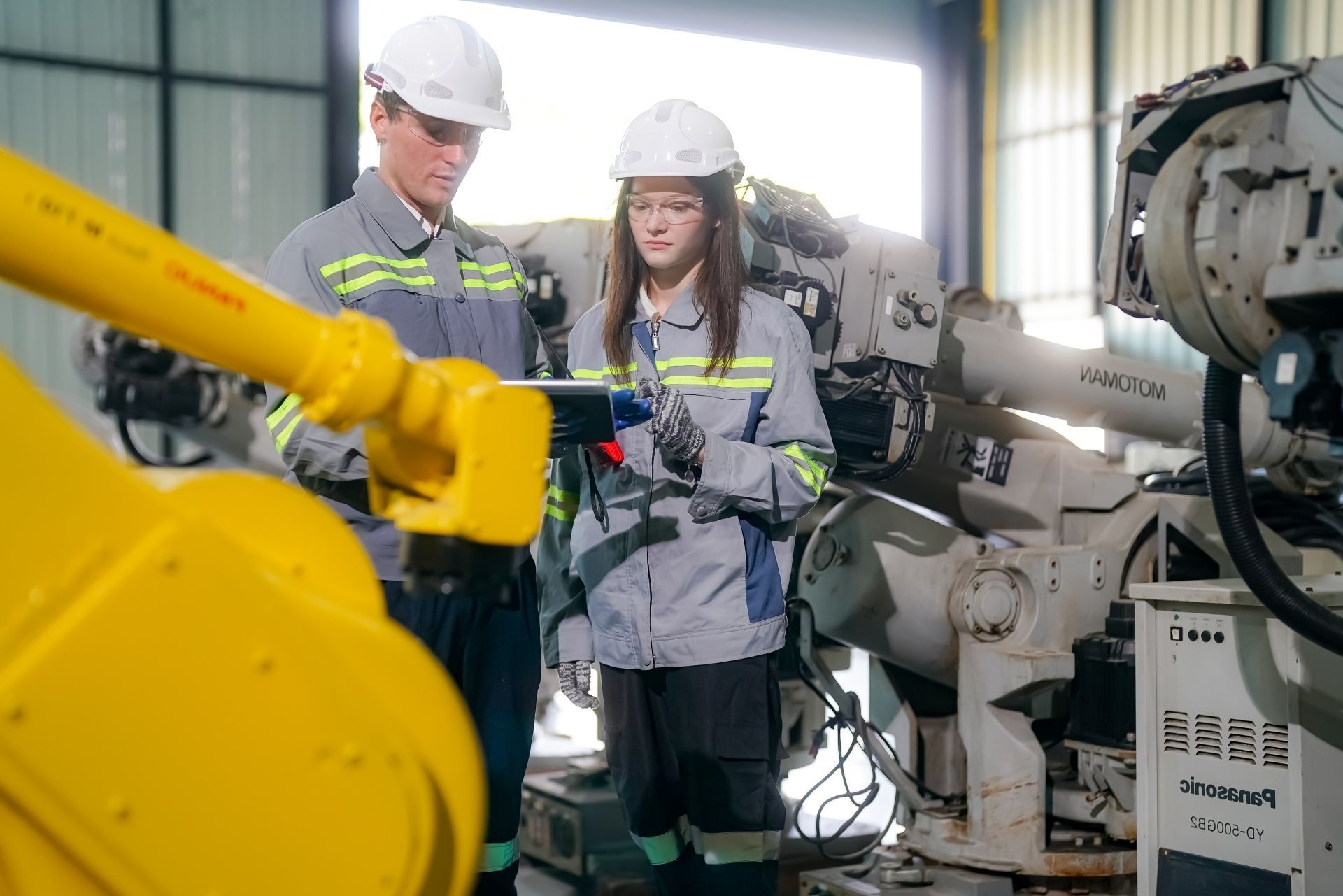
Systems breakdown insurance covers the repair or replacement of equipment that fails due to mechanical or electrical breakdowns. This includes boilers, air conditioning units, refrigeration systems, computers, and other critical machinery. Unlike standard property insurance, which typically excludes these types of failures, systems breakdown policies fill a crucial gap.
For Florida businesses, this coverage is particularly important. The state’s climate and infrastructure expose equipment to unique stresses. High humidity, salt air near coastal areas, and frequent power surges during storms can accelerate wear and tear. Systems breakdown insurance helps mitigate these risks by covering repair costs and business interruption losses caused by equipment failure.
Given the volatility in Florida’s insurance market, having reliable systems breakdown coverage can be a stabilizing factor for businesses. It ensures that unexpected equipment failures do not spiral into operational crises. Furthermore, this type of insurance can also provide peace of mind, allowing business owners to focus on growth and innovation rather than worrying about the potential financial fallout from equipment malfunctions.
Moreover, Florida's diverse economy, which includes tourism, agriculture, and technology, means that a wide range of industries can benefit from systems breakdown insurance. For instance, a hotel heavily reliant on air conditioning systems to maintain guest comfort can face significant losses if those systems fail during peak season. Similarly, agricultural operations that depend on refrigeration for perishable goods can suffer devastating losses if their cooling systems break down. By investing in systems breakdown insurance, businesses in these sectors can safeguard their operations and ensure continuity even in the face of unexpected equipment failures.


By: Montreal Morand
Founder & Managing Partner
Macpherson Insurance Agency
Florida’s Insurance Market Recovery and Its Impact on Coverage
Florida’s property insurance market has faced a tumultuous decade. Between 2014 and 2024, the number of active home insurance policies plummeted by 78%, from 3.2 million to just 710,000, reflecting widespread insurer withdrawals and market instability. Yet, recent legislative reforms and pricing discipline have begun to restore balance.
According to Piper Sandler analyst Paul Newsome, legislative reforms, rate increases, and disciplined pricing have collectively restored profitability to Florida's insurance market. This revival is evident in the personal property insurance sector, which posted its first underwriting profit in eight years in 2024, as reported by AM Best.
These positive changes ripple into commercial lines, including systems breakdown insurance. Insurers are better positioned to offer stable coverage terms and pricing, making it easier for Florida businesses to secure the protection they need. The resurgence of these policies is particularly crucial as businesses navigate an increasingly complex landscape of risks, from cyber threats to supply chain disruptions. With the right coverage, companies can mitigate potential losses and maintain operational continuity, which is essential for long-term success.
Why Systems Breakdown Insurance Matters Now
With the Florida insurance market stabilizing, businesses can focus on protecting their operations from internal risks, not just external disasters. Systems breakdown insurance addresses a common blind spot: the risk of equipment failure unrelated to weather events.
For example, a manufacturing plant’s production line may halt due to a motor burnout, or a restaurant’s refrigeration system might fail unexpectedly. Without coverage, repair costs and lost revenue can quickly add up. Systems breakdown insurance helps cover these expenses, reducing financial strain and keeping operations running smoothly. Furthermore, as technology advances, the reliance on sophisticated machinery and systems increases, making it imperative for businesses to consider this type of insurance. The integration of automated processes and high-tech equipment means that even minor breakdowns can lead to significant operational delays, underscoring the importance of having a safety net in place to address these unforeseen challenges.
Moreover, the evolving nature of Florida's economy, which increasingly leans towards technology and innovation, highlights the necessity for comprehensive risk management strategies. Companies are investing heavily in state-of-the-art equipment that enhances productivity and efficiency, yet this also raises the stakes when it comes to potential failures. Systems breakdown insurance not only provides financial protection but also fosters a culture of proactive risk management, encouraging businesses to regularly assess their equipment and operational protocols. This shift towards a more resilient business model is vital for thriving in a competitive marketplace, especially as Florida continues to attract new industries and investments.
Environmental Risks and Equipment Vulnerability in Florida
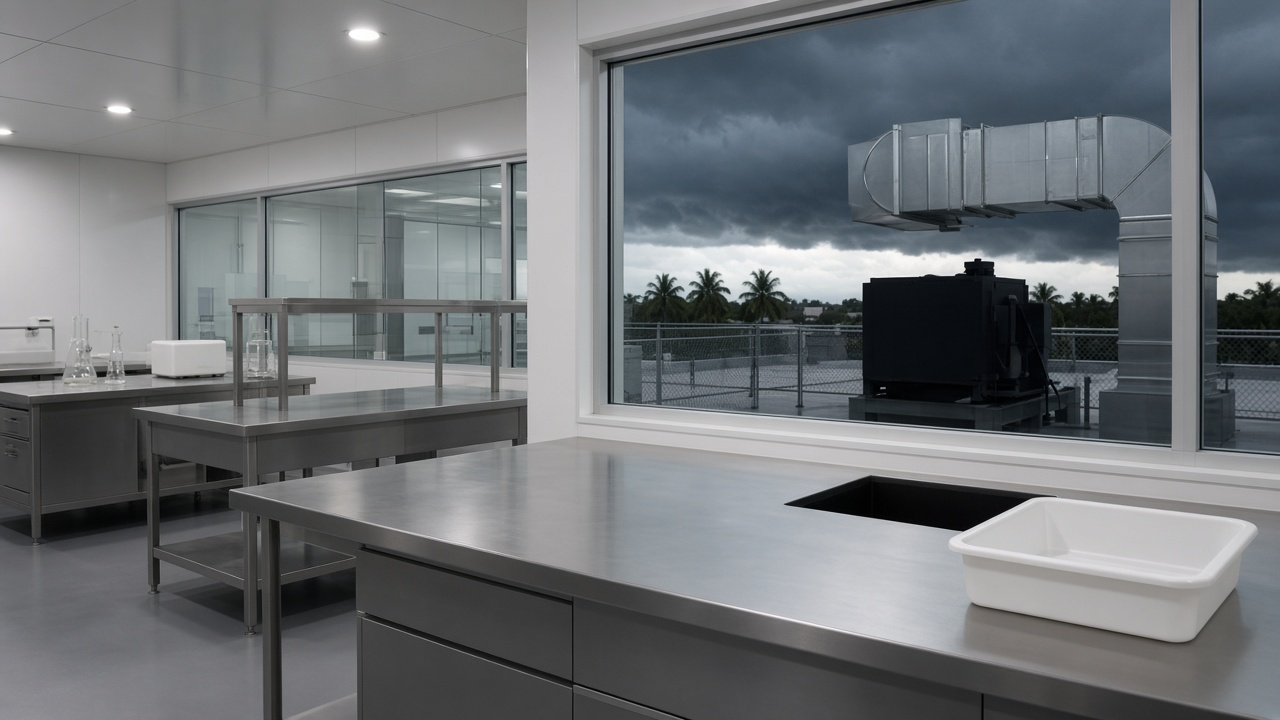
Florida’s unique environment adds layers of complexity to equipment protection. Coastal salt air accelerates corrosion, while high humidity can cause electrical components to short circuit. Additionally, power surges during frequent storms can damage sensitive machinery. The combination of these factors necessitates a proactive approach to maintenance and equipment selection, as businesses must invest in materials and technologies that can withstand the harsh coastal conditions. For instance, stainless steel and specialized coatings are often recommended to combat corrosion, while moisture-resistant enclosures can protect electrical systems from humidity-related failures.
Studies highlight the importance of natural defenses as well. A 2024 study found that mangroves in Collier County reduced storm surge losses to properties by $67.5 million annually, underscoring how environmental factors influence risk management strategies (arXiv). These coastal ecosystems not only serve as a buffer against storm surges but also provide critical habitats for wildlife and enhance local biodiversity. The preservation and restoration of mangroves can thus be seen as a dual benefit: protecting infrastructure while fostering ecological health. Additionally, the role of wetlands and barrier islands in storm protection further emphasizes the need for integrated environmental management in urban planning.
While mangroves help mitigate storm damage, businesses must still prepare for equipment failures caused by environmental stressors. Systems breakdown insurance is a key component of this preparation, providing coverage when natural defenses and routine maintenance fall short. This type of insurance can be tailored to meet the specific needs of various industries, ensuring that businesses are not only protected from immediate losses but also have a plan in place for long-term recovery. Regular risk assessments and contingency planning are essential practices that can complement insurance coverage, helping organizations to identify vulnerabilities and implement strategies to minimize potential disruptions.
Preparing for Increasing Storm Risks
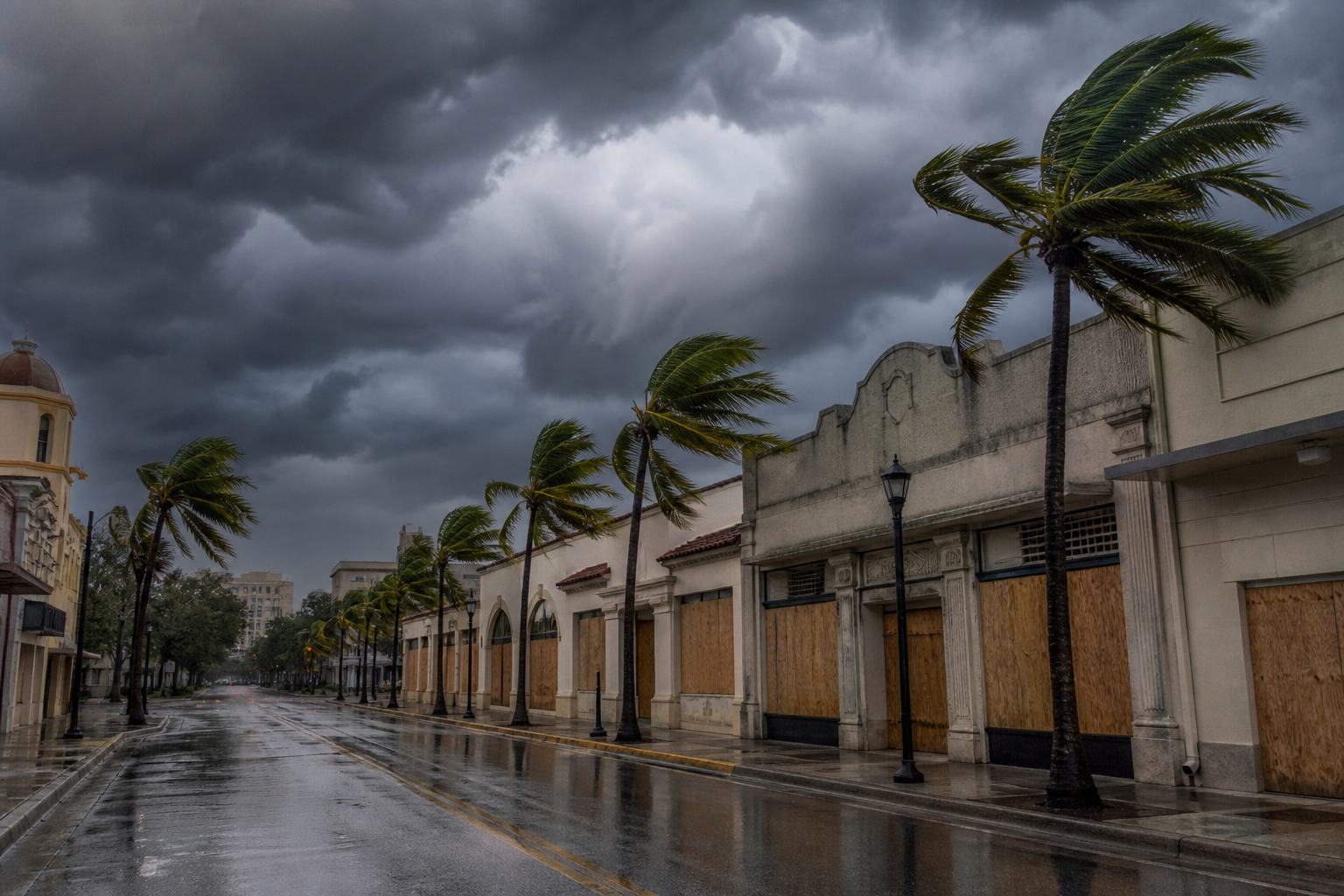
Looking ahead, Florida faces growing challenges from climate change. A 2025 study projects a 50% increase in the U.S. population at risk from storm surges by the end of the century due to heightened tropical cyclone intensities and rising sea levels (arXiv). This alarming trend highlights the urgency for businesses to adopt adaptive strategies that not only address current vulnerabilities but also anticipate future risks. Investing in resilient infrastructure, such as elevated buildings and flood-resistant designs, can significantly reduce the impact of storm-related disruptions.
This means more frequent and severe storms could lead to greater power disruptions and equipment damage. Systems breakdown insurance can help businesses recover faster from these impacts, covering repairs and minimizing downtime during critical periods. Moreover, companies are encouraged to engage in community resilience initiatives, collaborating with local governments and organizations to enhance overall preparedness. By participating in regional planning efforts, businesses can contribute to a more robust infrastructure that benefits the entire community, thereby creating a safer environment for both operations and residents alike.
Claims Challenges and Legal Environment in Florida
Despite improvements, Florida’s insurance market still faces hurdles. Nearly 47% of claims were denied in 2024, according to Dr. Martin Weiss, founder of Weiss Ratings. This denial rate has fueled increased lawsuits from policyholders seeking fair settlements (PR Newswire).
For systems breakdown insurance, clear policy language and understanding coverage limits are vital. Businesses should work closely with knowledgeable brokers to ensure claims are handled properly and disputes minimized. Additionally, the complexity of Florida's insurance landscape necessitates that policyholders remain vigilant and proactive. With the state’s unique susceptibility to natural disasters, having a comprehensive understanding of one’s policy can mean the difference between financial stability and significant loss in the event of a claim.
Legislative reforms targeting legal system abuse and claim fraud have helped stabilize the market, as noted by the Insurance Information Institute. These reforms make it easier for insurers to offer consistent coverage without excessive premium hikes (Insurance Information Institute). However, the effectiveness of these reforms can vary, and ongoing scrutiny is essential to ensure that they continue to protect both consumers and insurers alike. As the market evolves, stakeholders must remain engaged in discussions about potential future reforms that could further enhance the stability and fairness of the insurance environment.
Tips for Navigating Claims
- Document equipment maintenance and inspections thoroughly.
- Understand what types of breakdowns are covered and any exclusions.
- Respond promptly to insurer requests for information.
- Consult legal or insurance experts if disputes arise.
Moreover, it is advisable for policyholders to maintain a detailed log of all communications with their insurance providers. This includes taking notes during phone calls, saving emails, and keeping copies of all documents submitted. Such meticulous record-keeping can serve as invaluable evidence should a dispute escalate. Additionally, policyholders should consider joining local or state advocacy groups that focus on insurance issues; these organizations often provide resources, support, and collective bargaining power that can help individuals navigate the complexities of claims processes more effectively.
Lastly, staying informed about market trends and changes in legislation is crucial. Subscribing to industry newsletters or following relevant social media channels can provide timely updates that may impact coverage options and claims processes. By being proactive and well-informed, policyholders can better position themselves to advocate for their rights and secure the settlements they deserve in a challenging insurance landscape.
Choosing the Right Systems Breakdown Coverage
Not all systems breakdown policies are created equal. Coverage can vary widely depending on the insurer, equipment types, and business needs. Here are key factors to consider when selecting a policy:
- Equipment Covered: Ensure all critical machinery and systems are included.
- Coverage Limits: Match limits to potential repair or replacement costs.
- Business Interruption: Look for policies that cover lost income during downtime.
- Deductibles and Exclusions: Understand what triggers coverage and what does not.
- Service and Claims Support: Choose insurers with strong reputations for responsive claims handling.
Working with an insurance professional familiar with Florida’s market can help tailor coverage to specific risks and budgets.
Sample Coverage Comparison
| Coverage Feature | Basic Policy | Enhanced Policy |
|---|---|---|
| Mechanical Breakdown | Included | Included |
| Electrical Breakdown | Included | Included |
| Business Interruption | Not Included | Up to 30 days coverage |
| Equipment Replacement Cost | Actual Cash Value | Replacement Cost |
| Coverage for Computer Systems | Excluded | Included |
Maintaining Equipment to Reduce Risks
Insurance helps manage financial risks, but prevention is equally important. Regular maintenance and inspections can extend equipment life and reduce the likelihood of breakdowns.
Florida businesses should prioritize:
- Routine servicing of HVAC and refrigeration systems to combat humidity effects.
- Electrical system checks to prevent surges and shorts.
- Corrosion control measures for equipment exposed to salt air.
- Backup power solutions to minimize damage from outages.
Combining proactive maintenance with systems breakdown insurance creates a robust defense against operational disruptions.
What Florida Businesses Should Keep in Mind
Systems breakdown insurance is an essential tool for protecting equipment and operations in Florida’s challenging environment. As the state’s insurance market recovers, businesses have better opportunities to secure this coverage on reasonable terms.
Understanding the nuances of policies, staying informed about market conditions, and maintaining equipment are key steps toward resilience. With the right protection, Florida businesses can weather equipment failures without losing momentum.
For more insights on Florida’s evolving insurance landscape, the
S&P Global Market Intelligence report offers a detailed look at recent market improvements and what they mean for policyholders.
Frequently Asked Questions
Q: What types of equipment does systems breakdown insurance cover?
A: It generally covers mechanical and electrical equipment like boilers, HVAC systems, refrigeration units, and computer hardware.
Q: Does systems breakdown insurance cover damage from storms?
A: No, storm damage is usually covered under property or windstorm insurance. Systems breakdown insurance covers internal failures unrelated to external events.
Q: Can systems breakdown insurance help with business interruption losses?
A: Many policies offer business interruption coverage to compensate for lost income during equipment downtime, but coverage limits vary.
Q: How can I reduce the risk of equipment breakdown?
Regular maintenance, inspections, and environmental controls like corrosion prevention help reduce breakdown risks.
Q: Why has Florida’s insurance market been unstable?
High claim denial rates, legal system abuse, and natural disasters contributed to instability. Recent reforms have improved market conditions.
Q: Is systems breakdown insurance expensive in Florida?
Costs vary based on equipment types, coverage limits, and insurer. Market stabilization has helped moderate premium increases.
ABOUT THE AUTHOR:
MONTREAL MORAND
With over 20 years of leadership experience in the insurance industry, I’ve dedicated my career to helping clients and agents make informed, confident decisions about their coverage. I’ve led high-performing teams, managed more than $128 million in premium, and earned multiple national awards for excellence. Today, my mission remains the same — to educate, empower, and provide dependable protection for the communities we serve.
Contact Us
Protect the Things That Matter Most
Reliable Coverage for Your Home & Lifestyle
Home Insurance
Protect your home, belongings, and personal liability with reliable coverage.
Stronger Coverage for Your Operations
Essential Protection for Your Company
Coverage built for businesses that depend on people, property, and equipment.
Industries We Support
Insurance for Everyday Local Businesses
Simple, reliable protection for the people who keep our communities running.
Plumbers
Plumbers Insurance
Protection for job-site hazards, tools, and customer property.
Restaurants
Restaurants Insurance
Coverage for fire risks, food inventory, and general liability.
HVAC Contractors
HVAC Contractors Insurance
Insurance for service vehicles, equipment, and installation risks.




Frequently Asked Questions
Helpful Answers to Common Questions
Quick guidance to help you understand your coverage.
What types of insurance does Macpherson Insurance Agency offer?
We provide both personal and commercial insurance solutions. On the personal side: homeowners, automobile, condo, renters, windstorm, flood, excess flood, and more. On the commercial side: general liability, property, inland marine, ocean marine, workers compensation, and more.
Do you specialize in homeowners insurance in South Florida?
Yes. We specialize in homeowners coverage in South Florida and work with multiple carriers based on your property’s age, location and replacement cost.
What does “replacement cost” mean in a policy?
Replacement cost is the cost to rebuild your home to the same standard it had before a loss — not the market value of your property.
Why is it important that my insurer is licensed in Florida?
Licensed Florida insurers are continuously monitored for financial stability — if one fails, the Florida Insurance Guaranty Fund may reimburse insureds for unpaid claims up to a limit.
Can I lower my homeowners premium with discounts?
Yes — mitigation features like impact glass, storm shutters, roof straps, and approved sheathing may qualify you for significant credit reductions.
Do you offer payment plans or premium financing?
Yes. In many cases, payment plans and premium financing are available to make coverage more affordable and manageable over time.
From the Blog
Helpful Tips & Insurance Guidance
Articles created to make insurance easier to understand.






Contact Us
Phone
Location