
Owning or managing an office building in Florida means navigating a complex insurance landscape shaped by rapid market changes and growing risks. The state’s commercial property market surged by over 42% in 2023, reflecting both increased property values and the evolving appetite of insurers for commercial risks according to the Florida Surplus Lines Office. For property owners and managers, understanding how insurance coverage adapts to these shifts is essential to protect investments and ensure business continuity.
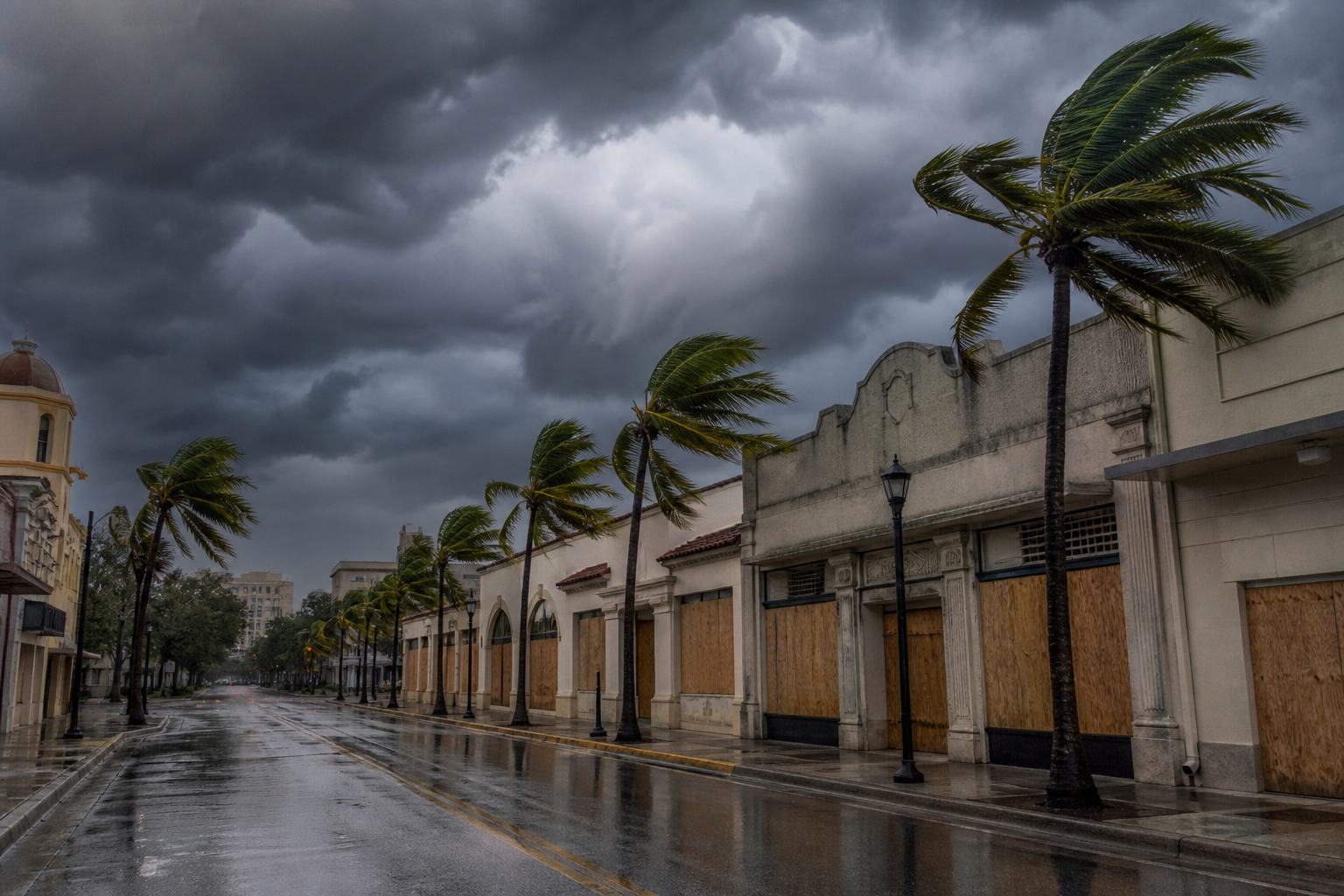
Florida’s unique exposure to natural disasters, especially hurricanes, adds layers of complexity. Over $50 billion in insured losses from catastrophic events have been recorded between 2017 and 2023, with Hurricane Ian alone accounting for $65 billion
according to the Hurricane Claims Blog. This reality shapes the cost, availability, and terms of office building insurance in the state.
Understanding the Core Coverage for Florida Office Buildings
Insurance for office buildings typically covers property damage, liability, and business interruption. Property owners and managers must secure policies that address the specific risks Florida presents, from windstorms to flooding and beyond. The unique geographical and climatic conditions of Florida necessitate a tailored approach to insurance, ensuring that all potential risks are adequately addressed. This includes not only natural disasters but also the implications of local regulations and market conditions that can affect property values and insurance premiums.
Property Damage Coverage
This is the foundation of office building insurance. It protects the physical structure against perils like fire, vandalism, and weather-related damage. Given Florida’s hurricane risk, windstorm coverage is a critical component. Many insurers require separate windstorm deductibles or endorsements due to the high exposure. Additionally, property owners should consider the implications of flood zones, as many areas in Florida are prone to flooding, especially during the hurricane season. Understanding the National Flood Insurance Program (NFIP) and how it interacts with standard property coverage can be crucial for comprehensive protection.
Replacement cost coverage is often preferred to ensure rebuilding expenses are fully covered without depreciation deductions. However, rising construction costs and labor shortages can complicate claims and payouts. Property owners should regularly review their coverage limits to ensure they reflect current market conditions and the actual costs of materials and labor. Furthermore, including coverage for business personal property, such as office equipment and furnishings, can safeguard against significant financial losses in the event of a disaster.
Liability Protection
Liability coverage shields property owners and managers from claims arising from injuries or damages occurring on the premises. Slip-and-fall incidents, property damage caused by contractors, or accidents in common areas can trigger liability claims. This coverage is vital for mitigating financial exposure beyond physical property losses. Additionally, it’s important to understand the nuances of liability coverage, such as the difference between general liability and professional liability, especially for office buildings that house businesses providing professional services.
Moreover, implementing risk management strategies, such as regular maintenance and safety audits, can help reduce the likelihood of accidents and claims. Property owners should also consider the benefits of an umbrella liability policy, which provides an extra layer of protection beyond standard liability limits, ensuring that even in the event of a catastrophic incident, they are not left vulnerable to overwhelming financial burdens.
Business Interruption Insurance
When damage forces closure or limits operations, business interruption insurance helps cover lost income and ongoing expenses. For office buildings with multiple tenants, this coverage can be complex but essential to maintain financial stability during recovery periods. It’s crucial for property owners to understand the specifics of their policies, such as the waiting period before benefits kick in and the duration of coverage, which can vary significantly between insurers.
Additionally, business interruption insurance can also extend to cover extra expenses incurred to minimize losses, such as temporary relocation costs or expedited shipping fees for necessary supplies. In a rapidly changing economic landscape, having a robust business interruption policy not only protects the property owner’s investment but also supports tenants in maintaining their operations, fostering a sense of community and stability within the building. Regularly reviewing and updating this coverage in light of changing business conditions and tenant needs is essential for optimal protection.


By: Montreal Morand
Founder & Managing Partner
Macpherson Insurance Agency
Market Trends Affecting Florida Office Building Insurance
The commercial property insurance market in Florida has undergone significant shifts recently. The 42% growth in 2023 reported by the Florida Surplus Lines Office highlights increased market activity and insurer engagement source. This growth is a double-edged sword: it reflects rising property values and demand but also the challenges insurers face with risk accumulation.
One key factor driving insurance costs is the skyrocketing price of reinsurance. Locke Burt, CEO of Security First Insurance, explains that the cost of reinsurance—the insurance companies buy to protect themselves—has surged dramatically, pushing primary insurers to raise premiums according to Insurance News Net. This ripple effect directly impacts office building insurance rates. As reinsurance costs escalate, insurers are compelled to reassess their risk models, often leading to more stringent underwriting criteria, which can further complicate the landscape for property owners seeking coverage.
Despite these pressures, the market shows signs of stabilization. Citizens Property Insurance Corp., Florida’s state-backed insurer, announced a 5.6% average rate reduction statewide in 2025, attributed to private insurers returning to the market and increasing competition Florida Association of Insurance Agents reports. While this primarily affects residential policies, it signals a healthier insurance environment that can benefit commercial property owners indirectly. Additionally, the influx of new entrants into the Florida insurance market is fostering innovation, with some companies introducing tailored products designed to meet the unique needs of office building owners, such as coverage for emerging risks related to climate change and cybersecurity threats.
Furthermore, the evolving landscape of Florida's economy, characterized by a surge in remote work and flexible office spaces, is also influencing insurance dynamics. As businesses adapt to hybrid work models, the demand for traditional office spaces may fluctuate, prompting insurers to reconsider their risk assessments based on occupancy rates and building usage. This shift could lead to new pricing strategies and coverage options that reflect the changing needs of tenants and property owners alike. Moreover, as more companies prioritize sustainability and energy efficiency, insurers may begin to offer incentives for buildings that meet green certification standards, further reshaping the insurance landscape in Florida.
Climate Risks and Their Impact on Insurance for Office Buildings
Florida’s vulnerability to climate-related disasters is a critical consideration. A recent deep learning study projects a 50% increase in the population at risk from coastal storm surges in the U.S. by the end of the century, with Florida identified as a hotspot as detailed in arXiv. This growing exposure means insurers must factor in escalating risks when underwriting policies.
Max Dugan-Knight, a climate data scientist, describes Florida’s insurance crisis as an early warning of broader climate catastrophe impacts on financial systems according to Insurance Business Magazine. For office building owners, this translates into higher premiums, stricter underwriting standards, and more detailed risk assessments.
Mitigating these risks involves proactive building design and maintenance. Reinforcing structures against wind damage, investing in flood barriers, and maintaining clear emergency plans can influence insurance terms and costs. Insurers increasingly reward risk management efforts with better rates and coverage options.
Moreover, the integration of advanced technologies such as predictive analytics and real-time monitoring systems is becoming essential in the insurance landscape. These tools allow insurers to assess risk more accurately by analyzing a multitude of variables, including weather patterns, historical data, and even socio-economic factors. As a result, office building owners can leverage these insights to make informed decisions about their properties, potentially lowering their insurance costs while enhancing the safety and resilience of their buildings.
Additionally, the shift towards sustainable building practices is gaining traction as a response to climate risks. Implementing green building certifications, such as LEED or BREEAM, not only demonstrates a commitment to environmental responsibility but also appeals to insurers who are increasingly prioritizing sustainability in their underwriting criteria. This trend reflects a broader recognition that environmentally friendly buildings are often better equipped to withstand climate impacts, ultimately leading to a more stable insurance market for office buildings in Florida and beyond.

Recent Improvements and What They Mean for Property Owners
After years of underwriting losses, Florida’s personal property insurance market posted its first profit in eight years in 2024, signaling a potential turnaround AM Best reports. While this relates to personal property, the positive trend reflects broader market recovery that can influence commercial lines.
Private insurers are cautiously re-entering Florida’s market, encouraged by rate adjustments and improved risk modeling. This shift helps reduce the reliance on Citizens Property Insurance Corp., which has seen its policy counts drop below 1 million source. For office building owners, more competition can translate into better coverage options and pricing.
The resurgence of private insurers is not just a matter of numbers; it represents a renewed confidence in the Florida real estate market. As insurers refine their risk assessment models, they are better equipped to evaluate properties based on specific vulnerabilities, such as flood zones or hurricane exposure. This granularity allows for more tailored policies that can meet the unique needs of property owners, potentially leading to lower premiums for those who take proactive measures to mitigate risks.
Moreover, this improvement in the insurance landscape can have a ripple effect on property values. As insurance becomes more accessible and affordable, property owners may feel more secure in their investments, leading to increased demand in the real estate market. This uptick can stimulate local economies, as property owners are more likely to invest in renovations and upgrades, further enhancing the appeal of their properties. The overall sentiment is shifting towards optimism, with many stakeholders in the real estate sector eager to capitalize on these newfound opportunities.
Key Considerations When Choosing Office Building Insurance in Florida
Property owners and managers should approach insurance selection with a clear understanding of their risks and coverage needs. Here are critical factors to weigh:
- Risk Assessment: Evaluate the building’s exposure to hurricanes, flooding, and other natural hazards. Consider location-specific risks such as proximity to the coast or flood zones.
- Coverage Limits and Deductibles: Ensure limits are sufficient to cover rebuilding costs and liability exposures. Understand windstorm deductibles, which can be substantially higher than standard ones.
- Policy Exclusions: Review what is not covered, such as certain flood damages or mold, and consider supplemental policies if necessary.
- Claims History and Insurer Stability: Work with insurers that have strong financial ratings and a track record of handling claims efficiently in Florida’s challenging environment.
- Risk Mitigation Efforts: Document any building reinforcements, maintenance, or disaster preparedness plans, as these can influence underwriting decisions and premiums.
Coverage Comparison Table
| Coverage Type | What It Covers | Why It Matters in Florida |
|---|---|---|
| Property Damage | Physical damage to building and fixtures | High hurricane and storm risk requires robust windstorm coverage |
| Liability | Claims from injuries or property damage to others rors in service | Protects against lawsuits from tenant or visitor accidents |
| Business Interruption | Lost income during closure or repairs | Essential for maintaining cash flow after disasters |
| Flood Insurance | Damage from flooding, often excluded from standard policies | Critical in flood-prone areas, separate policy usually required |
How to Prepare for Insurance Renewal and Claims
Renewal periods can bring surprises as insurers adjust rates and terms based on market conditions and claims experience. Staying ahead requires proactive communication with your insurance broker or agent.
Documenting property improvements, risk mitigation measures, and maintaining a clean claims history can support favorable renewals. When disasters strike, timely and thorough claims reporting is vital. Insurers scrutinize claims closely, especially in high-risk states like Florida.
Working with professionals who understand Florida’s insurance market nuances helps navigate these challenges. They can advise on policy adjustments, endorsements, and alternative coverage options to ensure comprehensive protection.
Before You Go: Final Thoughts for Florida Office Building Owners and Managers
Florida’s office building insurance market is dynamic, shaped by rapid growth, climate risks, and evolving insurer strategies. Staying informed about market trends and risk factors is essential for securing the right coverage at a competitive price.
The state’s exposure to hurricanes and flooding demands careful policy selection and risk management. While challenges remain, recent signs of market stabilization and insurer re-entry offer hope for more balanced options ahead.
Property owners and managers who invest in understanding their risks, maintaining their buildings, and working with knowledgeable insurance professionals will be best positioned to protect their assets and operations in Florida’s unique environment.
Frequently Asked Questions
Q: Does standard office building insurance cover flood damage in Florida?
A: Usually not. Flood damage is typically excluded and requires a separate flood insurance policy.
Q: Why are insurance premiums so high for Florida office buildings?
Rising reinsurance costs and frequent catastrophic events drive up premiums in the state.
Q: Can building improvements lower insurance costs?
Yes. Reinforcements against wind and flood risks can lead to better rates and more favorable terms.
Q: What should I do if my insurer drops coverage or increases rates sharply?
Consult an insurance broker to explore alternative carriers or coverage options and consider risk mitigation strategies.
Q: How important is business interruption insurance for office buildings?
Very important. It helps cover lost income during repairs or closures caused by insured events.
Q: Are there any signs the Florida insurance market is improving?
Yes. Recent rate reductions by Citizens Property Insurance and private insurers returning to the market indicate positive trends.
ABOUT THE AUTHOR:
MONTREAL MORAND
With over 20 years of leadership experience in the insurance industry, I’ve dedicated my career to helping clients and agents make informed, confident decisions about their coverage. I’ve led high-performing teams, managed more than $128 million in premium, and earned multiple national awards for excellence. Today, my mission remains the same — to educate, empower, and provide dependable protection for the communities we serve.
Contact Us
Protect the Things That Matter Most
Reliable Coverage for Your Home & Lifestyle
Home Insurance
Protect your home, belongings, and personal liability with reliable coverage.
Stronger Coverage for Your Operations
Essential Protection for Your Company
Coverage built for businesses that depend on people, property, and equipment.
Industries We Support
Insurance for Everyday Local Businesses
Simple, reliable protection for the people who keep our communities running.
Plumbers
Plumbers Insurance
Protection for job-site hazards, tools, and customer property.
Restaurants
Restaurants Insurance
Coverage for fire risks, food inventory, and general liability.
HVAC Contractors
HVAC Contractors Insurance
Insurance for service vehicles, equipment, and installation risks.




Frequently Asked Questions
Helpful Answers to Common Questions
Quick guidance to help you understand your coverage.
What types of insurance does Macpherson Insurance Agency offer?
We provide both personal and commercial insurance solutions. On the personal side: homeowners, automobile, condo, renters, windstorm, flood, excess flood, and more. On the commercial side: general liability, property, inland marine, ocean marine, workers compensation, and more.
Do you specialize in homeowners insurance in South Florida?
Yes. We specialize in homeowners coverage in South Florida and work with multiple carriers based on your property’s age, location and replacement cost.
What does “replacement cost” mean in a policy?
Replacement cost is the cost to rebuild your home to the same standard it had before a loss — not the market value of your property.
Why is it important that my insurer is licensed in Florida?
Licensed Florida insurers are continuously monitored for financial stability — if one fails, the Florida Insurance Guaranty Fund may reimburse insureds for unpaid claims up to a limit.
Can I lower my homeowners premium with discounts?
Yes — mitigation features like impact glass, storm shutters, roof straps, and approved sheathing may qualify you for significant credit reductions.
Do you offer payment plans or premium financing?
Yes. In many cases, payment plans and premium financing are available to make coverage more affordable and manageable over time.
From the Blog
Helpful Tips & Insurance Guidance
Articles created to make insurance easier to understand.







Contact Us
Phone
Location