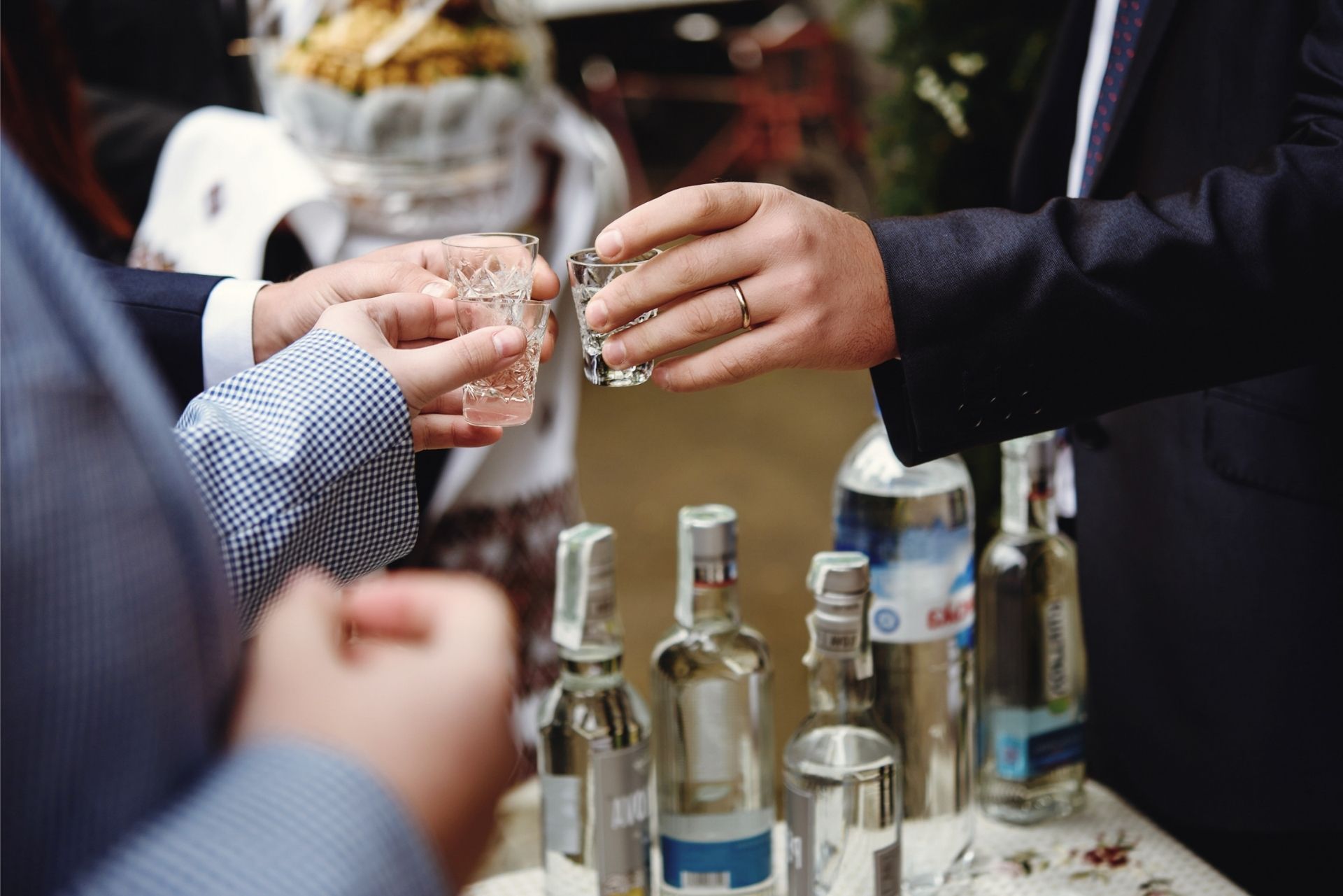
Running a bar or restaurant in Florida means navigating a complex landscape of risks, especially when alcohol is involved. Liquor liability insurance is a crucial safety net, protecting establishments from costly claims related to alcohol service. Yet, understanding how this coverage works in Florida’s unique legal and insurance environment can be challenging. This article breaks down what bar and restaurant owners need to know about liquor liability insurance in the Sunshine State.
Why Liquor Liability Insurance Matters in Florida
Alcohol-related incidents can quickly escalate into expensive lawsuits. Whether it’s a customer injury, property damage, or a drunk-driving accident linked to your establishment, liquor liability insurance helps cover legal fees and settlements. On average, premiums for this coverage run about $45 per month or roughly $542 annually, making it a manageable expense compared to potential liabilities. TechInsurance.com provides a clear snapshot of these costs, which vary depending on factors like location, sales volume, and claims history.
Florida’s hospitality industry faces particular challenges. The state’s legal system and insurance market have historically been tough on property and casualty insurers, with a 2023 report revealing that Florida’s property insurance market suffered underwriting losses for five straight years, including a single-year loss topping $1 billion. This instability can indirectly affect liquor liability coverage costs and availability. Florida Tort Reform Report
Moreover, the unique culture and vibrant nightlife of Florida contribute to an increased risk of incidents related to alcohol consumption. With bustling tourist hotspots and a high density of bars and restaurants, the potential for mishaps is significantly heightened. Establishments must be vigilant, not only in their service practices but also in understanding the nuances of local laws and regulations that govern alcohol sales. This awareness can be pivotal in mitigating risks and ensuring compliance, ultimately protecting both patrons and business owners from potential legal pitfalls.
How Florida’s Legal Changes Impact Liquor Liability
A recent Florida Supreme Court ruling in March 2024 introduced a significant shift by allowing bars to use a "comparative fault" defense in alcohol-related injury cases. This means that if a patron’s own negligence contributed to an incident, the bar’s liability could be reduced accordingly. This ruling offers some relief to establishments worried about disproportionate legal exposure. JD Supra Legal News highlights how this change could influence claims and insurance premiums moving forward.
For bar and restaurant owners, this development underscores the importance of maintaining thorough documentation and training staff on responsible alcohol service. It also signals a potential stabilization in the insurance market, which has been volatile due to high litigation rates. Additionally, businesses may want to consider implementing proactive measures such as regular staff training sessions, clear signage regarding responsible drinking, and even partnerships with local transportation services to ensure patrons have safe options for getting home. These strategies not only enhance customer safety but also demonstrate a commitment to responsible service, which can be beneficial in the eyes of both the public and insurers.


By: Montreal Morand
Founder & Managing Partner
Macpherson Insurance Agency
Understanding Coverage and Costs for Florida Bars and Restaurants
Liquor liability insurance is not a one-size-fits-all product. Coverage limits, exclusions, and premium rates vary widely. For Florida businesses, it’s essential to balance adequate protection with cost-efficiency.
Premiums typically depend on several factors:
- Type of establishment: Bars, nightclubs, and restaurants face different risk profiles.
- Alcohol sales volume: Higher sales generally mean higher premiums.
- Claims history: Past incidents can drive up costs.
- Location: Urban areas with more foot traffic may have greater risks.
Given Florida’s unique insurance climate, some establishments may face higher premiums than the national average. However, the average cost remains around $45 per month, making it a reasonable investment for peace of mind.
Industry Trends Affecting Liquor Liability Insurance
The global liquor liability insurance market is growing steadily, with a projected compound annual growth rate of 6.45% through 2024. This growth is driven by technological innovations in risk assessment and an increase in claim severity. For Florida bars and restaurants, staying informed about these trends can help in negotiating better coverage terms and understanding market shifts. HTF Market Intelligence provides detailed insights into these developments.
Technology also plays a role in risk management. From digital ID verification to staff training modules, bars can reduce incidents and claims by leveraging modern tools. Insurers are increasingly rewarding such proactive measures with more favorable premiums. Additionally, the rise of mobile apps for managing reservations and customer interactions can help establishments track patron behavior and identify potential risks before they escalate into serious issues.
Moreover, the cultural landscape in Florida, with its vibrant nightlife and diverse clientele, adds another layer of complexity to liquor liability insurance. Establishments must navigate not only the legal requirements but also the social dynamics of serving alcohol responsibly. Engaging in community outreach, such as hosting responsible drinking campaigns or collaborating with local organizations, can enhance a bar's reputation and potentially lead to lower insurance costs. Insurers often view such community involvement as a sign of a responsible business, which can positively influence premium rates.
Florida’s Insurance Market: Challenges and Opportunities for Hospitality
Florida’s property and casualty insurance market has faced significant hurdles, with persistent underwriting losses and a high volume of lawsuits. In 2021, Florida accounted for 76% of all home-insurance lawsuits in the U.S., despite policyholders filing only 7% of claims nationwide. This litigious environment has made insurers cautious, sometimes resulting in higher premiums or limited coverage options for businesses. University of Florida Warrington Report
That said, recent legislative reforms have begun to curb abusive legal practices, leading to a more stable insurance marketplace. Citizens Property Insurance Corp., Florida’s insurer of last resort, saw its policies shrink from a peak of 1.4 million in September 2023 to under 850,000 by February 2025. This reduction signals improved market conditions and could positively impact liquor liability insurance availability and pricing. Insurance Information Institute
What This Means for Bars and Restaurants
While Florida’s property insurance market instability has been well documented, the hospitality sector benefits from recent legal and market reforms. Bars and restaurants should monitor these changes closely, as they can influence liquor liability insurance costs and coverage options. The evolving landscape presents an opportunity for establishments to reassess their insurance needs and potentially negotiate better terms with insurers who are now more optimistic about the market's future.
Moreover, as the insurance market stabilizes, hospitality businesses may find themselves in a position to innovate and expand. With lower insurance costs, bars and restaurants could allocate more resources towards enhancing customer experiences, investing in staff training, or even expanding their offerings. Additionally, the reduction in litigation could encourage more entrepreneurs to enter the market, fostering a competitive environment that could lead to improved service and quality across the board. Industry experts remain cautious, with some expressing skepticism about long-term stability. One professional noted, “I’d rather invest in time-shares on the West Bank before I’d invest in Florida’s P&C market,” underscoring the ongoing challenges.
Florida Tort Reform Report
Practical Tips for Managing Liquor Liability Risks
Insurance is only part of the equation. Bars and restaurants can reduce their liability exposure by adopting best practices in alcohol service and risk management. Implementing these strategies not only fosters a safer environment but also enhances the overall customer experience, which can lead to increased patron loyalty and positive word-of-mouth.
- Staff Training: Regular training on responsible alcohol service and recognizing intoxication helps prevent incidents. Consider incorporating role-playing scenarios during training sessions to better prepare staff for real-life situations. This hands-on approach can empower employees to confidently intervene when necessary.
- Clear Policies: Establish and enforce policies on serving minors and intoxicated patrons. Displaying these policies prominently can serve as a reminder to both staff and customers about the establishment's commitment to responsible service.
- Incident Documentation: Keep detailed records of any alcohol-related incidents or refusals of service. This documentation can be invaluable in defending against potential claims and can also highlight patterns that may require policy adjustments.
- Security Measures: Employ security personnel and surveillance systems to deter problematic behavior. Additionally, consider implementing a buddy system for patrons, encouraging them to look out for one another, which can further enhance safety.
Such measures not only protect customers but can also reduce insurance claims and premiums over time. Moreover, a proactive approach to risk management can enhance the reputation of the establishment, attracting a clientele that appreciates a safe and responsible drinking environment.
Choosing the Right Liquor Liability Insurance
When shopping for liquor liability coverage, consider the following:
- Coverage Limits: Ensure limits are sufficient to cover potential claims. It may be beneficial to consult with industry peers to gauge the typical coverage limits they carry.
- Policy Exclusions: Understand what is and isn’t covered, such as intentional acts or off-premises incidents. Some policies may also exclude coverage for certain events, such as festivals or special promotions, which could leave a gap in protection.
- Claims Support: Look for insurers with strong claims handling reputations. Reading reviews and testimonials can provide insight into how well an insurer supports their clients during the claims process.
- Bundling Options: Some insurers offer discounts when liquor liability is bundled with general liability or property insurance. This can be a cost-effective way to ensure comprehensive coverage while managing expenses.
Working with an insurance professional familiar with Florida’s market can help tailor coverage to your establishment’s specific needs. They can also provide guidance on emerging trends and regulatory changes that may impact liquor liability, ensuring that your business remains compliant and protected against evolving risks.
Wrapping Things Up: What Florida Bars and Restaurants Should Keep in Mind
Liquor liability insurance is essential for Florida bars and restaurants, offering protection against costly claims that could threaten business viability. While the state’s insurance market has faced challenges, recent legal reforms and market shifts offer reasons for cautious optimism.
Understanding your risks, maintaining strong alcohol service policies, and securing appropriate insurance coverage are key steps to safeguarding your establishment. Staying informed about changes in Florida’s legal landscape and insurance environment will help you make smarter decisions and keep your business running smoothly.
For those seeking more information on how Florida’s insurance market is evolving, the Insurance Industry Blog offers expert insights on the benefits of a more stable and affordable marketplace for Sunshine State residents and businesses alike.
Moreover, it is crucial for bar and restaurant owners to implement comprehensive training programs for their staff. Educating employees about responsible alcohol service not only reduces the risk of incidents but also fosters a culture of safety and responsibility. This training can cover topics such as recognizing signs of intoxication, understanding the legal implications of serving alcohol, and effectively managing difficult situations. By prioritizing staff education, establishments can enhance their reputation and create a more enjoyable experience for patrons.
Additionally, establishing strong relationships with local law enforcement and community organizations can prove beneficial. Engaging with these entities can provide valuable insights into best practices for compliance and safety. Hosting community events or participating in local initiatives can also strengthen ties with the neighborhood, creating a supportive environment that encourages responsible drinking and enhances the overall image of the business. Such proactive measures not only contribute to a safer atmosphere but can also lead to increased customer loyalty and positive word-of-mouth referrals.
Frequently Asked Questions
Q: What does liquor liability insurance cover?
A: It covers legal costs and damages if your establishment is held responsible for injuries or damages caused by intoxicated patrons. This can include a wide range of incidents, from fights and accidents to property damage and even wrongful death claims. Given the unpredictable nature of alcohol consumption, having this coverage can provide peace of mind for business owners, knowing they are protected against potentially devastating financial repercussions.
Q: Is liquor liability insurance required in Florida?
A: While not always legally required, many landlords and licensing authorities mandate it to protect against alcohol-related risks. Additionally, having this insurance can enhance your credibility with customers and partners, showing that you take responsible service seriously. It can also be a crucial factor in securing a liquor license, as regulatory bodies often look for proof of insurance to ensure that establishments are prepared for the responsibilities that come with serving alcohol.
Q: How much does liquor liability insurance typically cost in Florida?
A: On average, premiums are about $45 per month or $542 annually, but costs vary based on your business specifics. Factors influencing the cost include the size of your establishment, the volume of alcohol sold, and your claims history. It's also worth noting that businesses with a strong safety record and proactive risk management strategies may qualify for discounts, making it essential to shop around and compare quotes from different insurers.
Q: How does Florida’s “comparative fault” ruling affect my liability?
A: It allows your establishment to argue that a patron’s own negligence contributed to an incident, potentially reducing your liability. This legal principle can be particularly beneficial in cases where intoxicated individuals engage in reckless behavior, such as driving under the influence or getting into altercations. By demonstrating that the patron's actions played a significant role in the incident, you may be able to mitigate the financial impact on your business.
Q: Can I reduce my liquor liability premiums?
A: Yes. Implementing staff training, security measures, and risk management practices can lower your risk and premiums. For instance, training your staff to recognize signs of intoxication and to handle difficult situations can significantly reduce the likelihood of incidents occurring. Additionally, investing in security personnel or surveillance systems can further enhance safety and deter potential problems, making your establishment a more appealing option for insurers.
Q: Does liquor liability insurance cover incidents off my premises?
A: Typically, no. Most policies cover incidents on your premises, but some offer limited off-premises coverage—check your policy details. For example, if you host events or cater outside of your establishment, you may need to consider additional coverage options to protect against liabilities that could arise in those settings. Understanding the nuances of your policy can help ensure that you are adequately protected in all scenarios where alcohol is served.
ABOUT THE AUTHOR:
MONTREAL MORAND
With over 20 years of leadership experience in the insurance industry, I’ve dedicated my career to helping clients and agents make informed, confident decisions about their coverage. I’ve led high-performing teams, managed more than $128 million in premium, and earned multiple national awards for excellence. Today, my mission remains the same — to educate, empower, and provide dependable protection for the communities we serve.
Contact Us
Protect the Things That Matter Most
Reliable Coverage for Your Home & Lifestyle
Home Insurance
Protect your home, belongings, and personal liability with reliable coverage.
Stronger Coverage for Your Operations
Essential Protection for Your Company
Coverage built for businesses that depend on people, property, and equipment.
Industries We Support
Insurance for Everyday Local Businesses
Simple, reliable protection for the people who keep our communities running.
Plumbers
Plumbers Insurance
Protection for job-site hazards, tools, and customer property.
Restaurants
Restaurants Insurance
Coverage for fire risks, food inventory, and general liability.
HVAC Contractors
HVAC Contractors Insurance
Insurance for service vehicles, equipment, and installation risks.




Frequently Asked Questions
Helpful Answers to Common Questions
Quick guidance to help you understand your coverage.
What types of insurance does Macpherson Insurance Agency offer?
We provide both personal and commercial insurance solutions. On the personal side: homeowners, automobile, condo, renters, windstorm, flood, excess flood, and more. On the commercial side: general liability, property, inland marine, ocean marine, workers compensation, and more.
Do you specialize in homeowners insurance in South Florida?
Yes. We specialize in homeowners coverage in South Florida and work with multiple carriers based on your property’s age, location and replacement cost.
What does “replacement cost” mean in a policy?
Replacement cost is the cost to rebuild your home to the same standard it had before a loss — not the market value of your property.
Why is it important that my insurer is licensed in Florida?
Licensed Florida insurers are continuously monitored for financial stability — if one fails, the Florida Insurance Guaranty Fund may reimburse insureds for unpaid claims up to a limit.
Can I lower my homeowners premium with discounts?
Yes — mitigation features like impact glass, storm shutters, roof straps, and approved sheathing may qualify you for significant credit reductions.
Do you offer payment plans or premium financing?
Yes. In many cases, payment plans and premium financing are available to make coverage more affordable and manageable over time.
From the Blog
Helpful Tips & Insurance Guidance
Articles created to make insurance easier to understand.





Contact Us
Phone
Location