Tile contractors in Florida face unique challenges that go beyond the technical skills of installation and repair. One of the most pressing concerns is managing the risks associated with slip-and-fall incidents and property damage. These risks can lead to costly claims and legal battles if not properly insured against. Understanding how insurance fits into this picture is essential for any tile contractor aiming to protect their business and reputation.
Slip-and-fall accidents are a significant hazard in Florida, with floors and flooring materials contributing directly to more than two million injuries each year. This reality makes it crucial for tile contractors to not only deliver quality workmanship but also to ensure the safety of their job sites and client properties. Floors and flooring materials contribute directly to more than two million slip and fall injuries on a yearly basis, highlighting the scale of this risk in the state.
Understanding Slip-and-Fall Risks for Tile Contractors
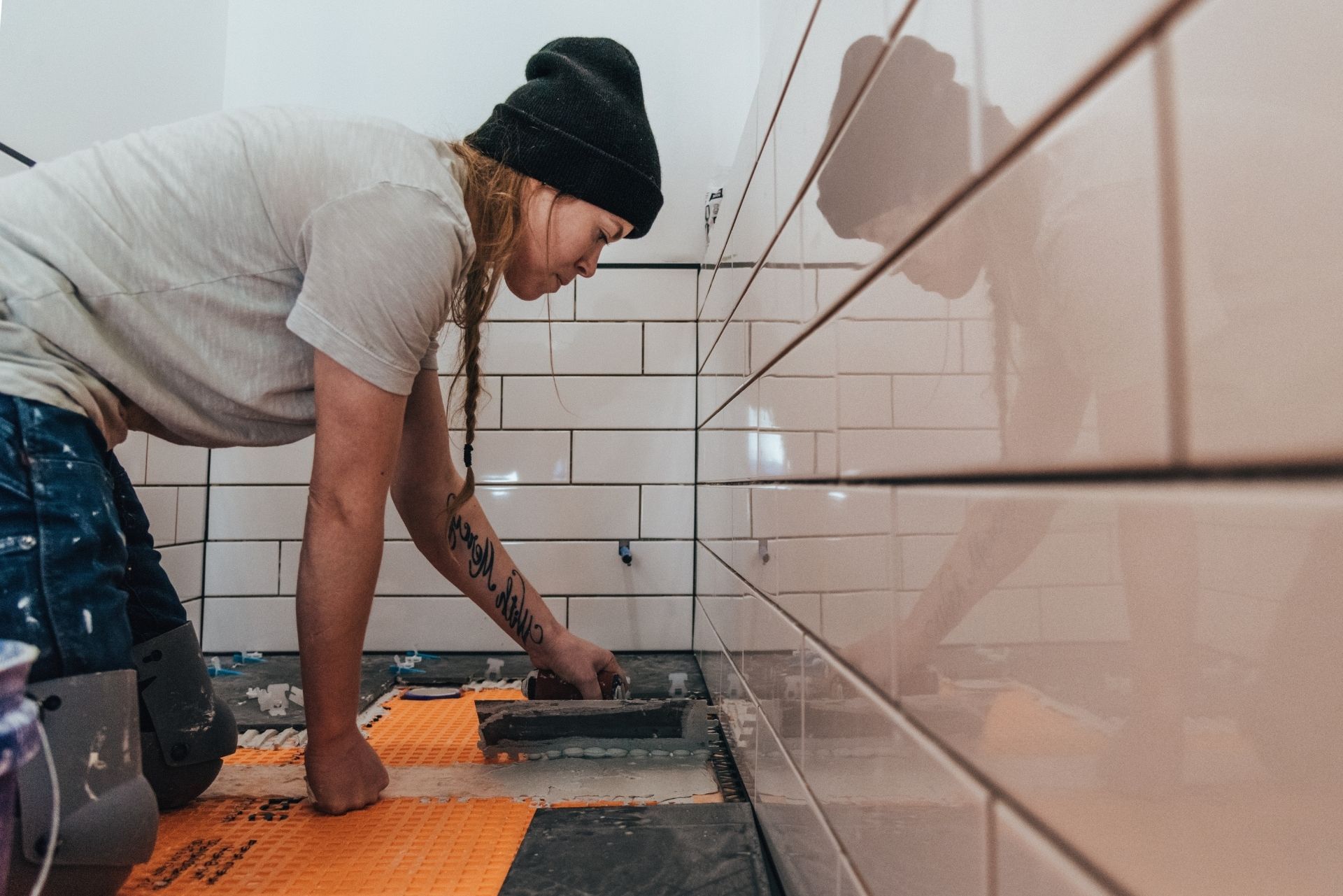
Slip-and-fall incidents can occur in a variety of settings where tile contractors work, including residential homes, commercial properties, and public spaces. These accidents often happen due to wet surfaces, uneven tiles, or debris left behind after installation. The nature of tile work means contractors frequently deal with surfaces that can become slippery, increasing the likelihood of accidents. Additionally, the use of certain types of adhesives and sealants can contribute to the slipperiness of a newly tiled area, especially if proper drying times are not adhered to. This adds another layer of risk that tile contractors must navigate during and after their installation processes.
In South Florida, certain businesses experience more slip-and-fall incidents due to their environment and visitor volume. For tile contractors working in these areas, the risk is even higher. For example, hotels, restaurants, and retail stores often have high foot traffic and wet floors, which can lead to more frequent slip-and-fall claims. This environment requires contractors to be especially vigilant about safety precautions and insurance coverage. Furthermore, outdoor areas that are tiled, such as pool decks or patios, can become treacherous when wet, particularly in a humid climate where moisture lingers. This necessitates not only thorough installation practices but also ongoing maintenance to ensure that surfaces remain safe for use. Certain types of businesses in South Florida may experience more slip and fall incidents due to their environment, layout, and visitor volume.
Beyond the immediate injury risk, slip-and-fall claims can be legally complex. Property owners in Florida have a legal duty to keep their premises reasonably safe and to warn guests of hazards that are not obvious. Tile contractors working on these properties need to understand how their work impacts this duty and how insurance can provide a safety net. For instance, if a contractor leaves behind tools or materials that obstruct walkways, they could inadvertently contribute to a slip-and-fall incident, potentially leading to liability claims. It’s crucial for contractors to maintain clear communication with property owners about safety measures and to document their work thoroughly. Property owners have a legal duty to keep their premises reasonably safe and to warn guests of hazards that aren’t obvious.
Why Slip-and-Fall Claims Are Tougher in Florida
Recent changes in Florida legislation have made pursuing slip-and-fall cases more challenging. Plaintiffs now face a higher burden of proof to establish negligence, which can affect how claims are handled and settled. For tile contractors, this means that insurance policies need to be carefully reviewed to ensure they cover the nuances of these evolving legal standards. The increased scrutiny on slip-and-fall claims can lead to longer resolution times and greater legal expenses, impacting both contractors and property owners.
Understanding these legal shifts helps contractors and their insurers anticipate potential claim hurdles and prepare accordingly. Working with an insurance provider familiar with Florida’s premises liability laws can make a significant difference in managing these risks. Additionally, contractors should consider implementing comprehensive safety training for their teams, focusing on hazard identification and risk mitigation strategies. This proactive approach not only enhances workplace safety but can also serve as a valuable defense in the event of a claim. Recent legislation in Florida has made these cases tougher to pursue, with the burden of proof to establish negligence more demanding on plaintiffs than ever before.

By: Montreal Morand
Founder & Managing Partner
Macpherson Insurance Agency
General Liability Insurance: The Backbone of Risk Management
For tile contractors, general liability insurance is the cornerstone of protecting against slip-and-fall and property damage claims. This coverage typically includes bodily injury and property damage liability, which means it can cover medical expenses, legal fees, and settlements related to accidents on the job.
Most Florida contractors pay between $450 and $850 annually for a basic general liability policy with $1 million per occurrence and $2 million aggregate limits. This cost is a small price to pay compared to the potential financial impact of a single slip-and-fall lawsuit or property damage claim. For a basic $1 million per occurrence, $2 million aggregate policy, most Florida contractors pay between $450-$850 annually.
What Does General Liability Cover for Tile Contractors?
This insurance covers incidents such as a visitor slipping on a freshly cleaned or wet tile floor, or damage caused to a client’s property during tile installation. It also protects against third-party claims arising from negligence, such as failing to properly secure a work area or leaving hazardous materials exposed.
Without this coverage, tile contractors risk paying out of pocket for expensive lawsuits that can threaten their business. It also provides peace of mind, allowing contractors to focus on their work without constantly worrying about potential accidents. In addition to slip-and-fall incidents, general liability insurance can also cover claims related to advertising injuries, such as if a competitor alleges that your marketing materials misrepresented your services or infringed on their intellectual property.
Additional Coverage Considerations
While general liability insurance covers many common risks, tile contractors should consider additional policies depending on their specific needs. For example, contractors working on larger commercial projects may need higher coverage limits or endorsements that cover completed operations and products liability. These additional coverages can protect against claims that arise after the project is completed, ensuring that contractors are safeguarded even after they have left the job site.
Contractors should also evaluate whether they need coverage for tools and equipment, which can be costly to replace if stolen or damaged. Tools and equipment coverage can be particularly beneficial for tile contractors who rely on specialized machinery and tools for their work, as these items can be vulnerable to theft or accidental damage on job sites. Understanding the full scope of risks and matching insurance coverage accordingly is key to comprehensive protection. Furthermore, it’s wise for contractors to periodically review their insurance policies and adjust coverage as their business grows or changes, ensuring they remain adequately protected against evolving risks in the industry.
Slip-and-Fall Prevention: Reducing Risks on the Job
Insurance is critical, but preventing slip-and-fall incidents in the first place is just as important. Tile contractors can take several practical steps to minimize hazards and reduce the likelihood of claims.
First, maintaining a clean and organized worksite is essential. This means promptly cleaning spills, removing debris, and ensuring that all surfaces are dry and secure before allowing foot traffic. Additionally, implementing a regular inspection schedule can help identify potential hazards before they lead to accidents. By assigning specific team members to oversee cleanliness and organization, contractors can foster a culture of safety and accountability on-site.
Second, clear signage can alert visitors and clients to wet floors or uneven surfaces. This helps fulfill the legal duty to warn about non-obvious hazards and can reduce liability. Furthermore, using brightly colored or illuminated signs can enhance visibility, especially in low-light conditions. Incorporating visual cues, such as floor markings or cones, can also guide foot traffic safely around hazardous areas, further minimizing risks.
Finally, using appropriate safety equipment and training workers on best practices can prevent accidents. For example, non-slip footwear and mats can provide extra traction in high-risk areas. Regular training sessions on the importance of personal protective equipment (PPE) and safe work practices can empower employees to take ownership of their safety and that of their colleagues. Engaging workers in safety discussions can also lead to valuable insights and suggestions for improving workplace safety protocols.
Industry Trends in Fall Injuries
Data from the construction industry shows a positive trend: the rate of slip, trip, and fall (STF) injuries decreased by 37% from 2010 to 2017. This improvement reflects better safety protocols and awareness, which tile contractors can adopt to protect their teams and clients. The rate of STFs decreased by 37% from 2010 to 2017.
Still, the risk remains significant. Falls account for over 8 million emergency room visits annually in the United States, making them the leading cause of unintentional injury-related visits. This statistic underscores the importance of proactive safety measures and comprehensive insurance coverage. Falls account for over 8 million emergency room visits annually, making them the leading cause of unintentional injury-related visits. In addition to the physical toll, these incidents can lead to substantial financial costs for businesses, including medical expenses, legal fees, and increased insurance premiums. Therefore, investing in comprehensive training and safety measures not only protects employees but also safeguards the financial health of the business.
Moreover, advancements in technology are playing a crucial role in enhancing workplace safety. Innovations such as wearable safety devices can monitor workers' movements and alert them to potential hazards in real-time. These tools can be particularly beneficial in high-risk environments, providing an additional layer of protection. As the industry continues to evolve, embracing new technologies and methodologies will be essential for reducing slip-and-fall incidents and fostering a safer work environment for everyone involved.
Managing Property Risks Beyond Slip-and-Fall
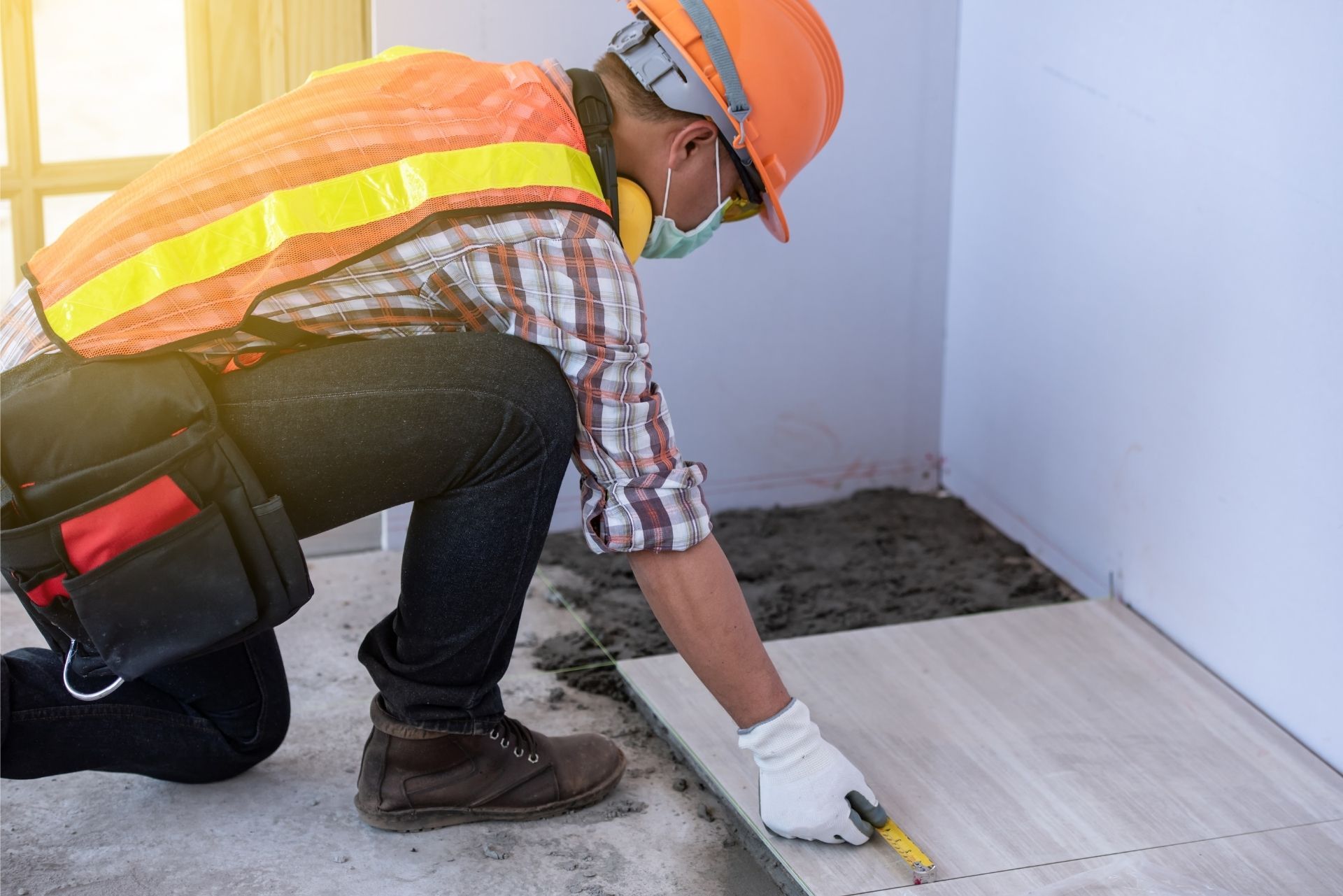
Tile contractors also face property risks that can lead to costly claims. These include damage to client property during installation, theft or loss of tools and materials, and damage to the contractor’s own equipment. The nature of tile installation often involves heavy materials and intricate processes, which can inadvertently result in scratches, chips, or even structural damage to the client's property. Furthermore, the risk of theft is heightened on job sites where tools and materials are left unattended, making it essential for contractors to implement security measures, such as locking up equipment at the end of the day or using GPS tracking for high-value tools.
General liability insurance covers third-party property damage, but contractors should also consider inland marine or equipment insurance for their own tools and machinery. This helps avoid disruptions and financial losses caused by damaged or stolen equipment. Inland marine insurance, in particular, is designed to protect tools and materials while they are in transit or at job sites, ensuring that contractors can continue their work without significant delays. Additionally, investing in comprehensive coverage can provide peace of mind, allowing contractors to focus on their projects without the constant worry of potential financial fallout from unforeseen incidents.
Additionally, contractors working on large-scale projects may encounter contractual requirements for insurance. Clients often require proof of coverage before work begins, making insurance not just a safety net but a business necessity. This requirement not only protects the client but also establishes a level of trust in the contractor's professionalism. Failing to meet these insurance requirements can lead to lost contracts and reputational damage, highlighting the importance of understanding and adhering to the specific insurance needs of each project.
Balancing Coverage and Cost
Insurance costs can vary based on coverage limits, the contractor’s experience, and the scope of work. For Florida tile contractors, the typical general liability policy cost between $450 and $850 annually offers a reasonable balance between protection and affordability. However, contractors should also assess their unique risk profiles and consider additional coverage options that may be beneficial, such as workers' compensation and commercial auto insurance, especially if they operate vehicles for transporting materials.
Investing in the right insurance package can prevent devastating financial consequences from lawsuits or property damage claims. It also strengthens a contractor’s credibility, showing clients a commitment to professionalism and responsibility. Furthermore, a well-structured insurance plan can enhance a contractor's competitive edge in the marketplace, as clients are more likely to choose contractors who demonstrate a proactive approach to risk management. By prioritizing comprehensive coverage, tile contractors not only safeguard their business but also foster long-term relationships with clients, ensuring repeat business and referrals in an industry where reputation is paramount.
What Tile Contractors Should Know About Insurance Claims
When slip-and-fall or property damage claims arise, understanding the claims process is crucial. Promptly reporting incidents to the insurance provider and documenting the situation thoroughly can make a big difference in how smoothly claims are handled.
Contractors should keep detailed records of work performed, safety measures taken, and communications with clients. This documentation can help defend against unfounded claims or reduce settlement amounts.
Working with an insurance agent knowledgeable about the tile contracting industry ensures that claims are managed efficiently and that coverage gaps are identified before they become problems.
Legal Challenges and Insurance
Given the tougher legal environment in Florida for slip-and-fall cases, having an experienced insurance partner is more important than ever. Insurance companies can provide legal defense and negotiate settlements, helping contractors navigate complex liability issues.
Understanding the interplay between insurance coverage and Florida’s premises liability laws helps contractors avoid surprises and maintain business continuity.
Before You Go: Key Takeaways for Florida Tile Contractors
Slip-and-fall incidents and property damage risks are real threats to tile contractors in Florida. Proper insurance coverage is essential to manage these risks effectively and protect your business from costly claims.
General liability insurance forms the foundation of this protection, covering bodily injury and property damage claims. Additional coverages may be necessary depending on your specific operations and client requirements.
Prevention remains a powerful tool. Keeping job sites safe, using clear warnings, and following best practices can reduce the likelihood of accidents and claims.
Staying informed about Florida’s legal landscape and working with knowledgeable insurance professionals will help tile contractors navigate risks confidently.
Frequently Asked Questions
Q: What type of insurance do tile contractors in Florida need most?
A: General liability insurance is essential as it covers slip-and-fall injuries and property damage claims related to your work.
Q: How much does general liability insurance typically cost for tile contractors in Florida?
A: Most Florida contractors pay between $450 and $850 annually for a basic policy with $1 million per occurrence and $2 million aggregate limits.
Q: Can slip-and-fall claims be avoided entirely?
A: While not all incidents can be prevented, maintaining clean, dry work areas and using clear signage significantly reduce risks.
Q: Are recent Florida laws making it harder to win slip-and-fall cases?
A: Yes, recent legislation has increased the burden of proof on plaintiffs, making these cases tougher to pursue.
Q: Does general liability insurance cover my tools and equipment?
A: No, tools and equipment typically require separate coverage such as inland marine or equipment insurance.
Q: What should I do if a slip-and-fall accident happens on my job site?
A: Report the incident to your insurance provider immediately and document all details thoroughly to support your claim.
ABOUT THE AUTHOR:
MONTREAL MORAND
With over 20 years of leadership experience in the insurance industry, I’ve dedicated my career to helping clients and agents make informed, confident decisions about their coverage. I’ve led high-performing teams, managed more than $128 million in premium, and earned multiple national awards for excellence. Today, my mission remains the same — to educate, empower, and provide dependable protection for the communities we serve.
Contact Us
Protect the Things That Matter Most
Reliable Coverage for Your Home & Lifestyle
Home Insurance
Protect your home, belongings, and personal liability with reliable coverage.
Stronger Coverage for Your Operations
Essential Protection for Your Company
Coverage built for businesses that depend on people, property, and equipment.
Industries We Support
Insurance for Everyday Local Businesses
Simple, reliable protection for the people who keep our communities running.
Plumbers
Plumbers Insurance
Protection for job-site hazards, tools, and customer property.
Restaurants
Restaurants Insurance
Coverage for fire risks, food inventory, and general liability.
HVAC Contractors
HVAC Contractors Insurance
Insurance for service vehicles, equipment, and installation risks.




Frequently Asked Questions
Helpful Answers to Common Questions
Quick guidance to help you understand your coverage.
What types of insurance does Macpherson Insurance Agency offer?
We provide both personal and commercial insurance solutions. On the personal side: homeowners, automobile, condo, renters, windstorm, flood, excess flood, and more. On the commercial side: general liability, property, inland marine, ocean marine, workers compensation, and more.
Do you specialize in homeowners insurance in South Florida?
Yes. We specialize in homeowners coverage in South Florida and work with multiple carriers based on your property’s age, location and replacement cost.
What does “replacement cost” mean in a policy?
Replacement cost is the cost to rebuild your home to the same standard it had before a loss — not the market value of your property.
Why is it important that my insurer is licensed in Florida?
Licensed Florida insurers are continuously monitored for financial stability — if one fails, the Florida Insurance Guaranty Fund may reimburse insureds for unpaid claims up to a limit.
Can I lower my homeowners premium with discounts?
Yes — mitigation features like impact glass, storm shutters, roof straps, and approved sheathing may qualify you for significant credit reductions.
Do you offer payment plans or premium financing?
Yes. In many cases, payment plans and premium financing are available to make coverage more affordable and manageable over time.
From the Blog
Helpful Tips & Insurance Guidance
Articles created to make insurance easier to understand.






Contact Us
Phone
Location