
Florida's cannabis market shifted in a meaningful way on April 23, 2026, when the U.S. Department of Justice
officially moved medical marijuana from Schedule I to Schedule III. That single change removed the crushing 280E tax burden for Medical Marijuana Treatment Centers (MMTCs) and opened the door for more insurance carriers to enter the state. But operating a dispensary in Florida still carries risks that most standard business policies won't touch: hurricane exposure, product liability for edibles and concentrates, employee injuries, and theft. Getting the right
cannabis dispensary insurance in Florida, covering general liability, product liability, property, crime, and workers' compensation, is no longer optional. It's the difference between surviving a claim and shutting your doors. The costs vary widely depending on your location, revenue, and security setup, so understanding what drives your premiums matters just as much as understanding the policies themselves.
Florida's MMTC licensing structure is unique. The state issues a limited number of vertically integrated licenses, meaning each operator must cultivate, process, and dispense under one license. That vertical integration creates a wider risk profile than a standalone retail shop in Colorado or Oregon. Your insurance program needs to account for grow operations, manufacturing, transport, and retail, all under one roof or spread across multiple facilities.
The rescheduling to Schedule III has already started shifting how underwriters view Florida cannabis businesses. Carriers that previously avoided the industry entirely are now exploring "admitted" coverage options, which means policies backed by state guaranty funds. This is a historic shift with profound implications for insurance capacity and standardized compliance requirements. For dispensary owners, that translates to more competitive pricing and broader policy options than existed even 12 months ago.
Florida-Specific Regulatory Requirements
Florida's Office of Medical Marijuana Use (OMMU) mandates that all MMTCs maintain specific insurance coverages as a condition of licensure. You'll need general liability, product liability, and workers' compensation at minimum. The state also requires dispensaries to maintain detailed seed-to-sale tracking, and insurers want to see that your compliance systems are airtight before they'll quote favorable rates.
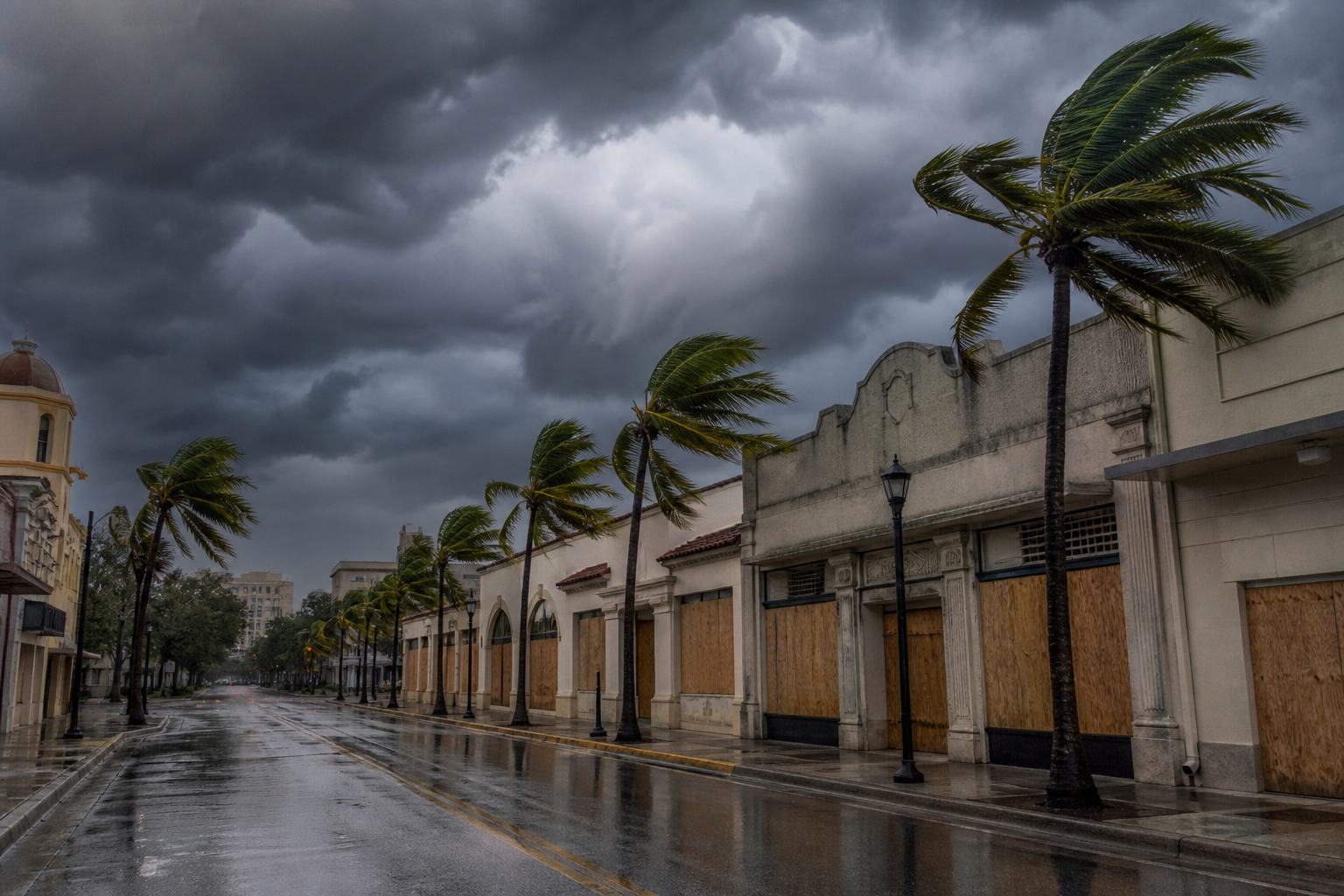
Hurricane preparedness adds another layer. Florida building codes require specific wind-mitigation features, and your insurer will want documentation proving your facilities meet those standards. If your dispensary sits in a flood zone, which covers large portions of Miami-Dade, Broward, and coastal counties, you'll need separate flood coverage since standard property policies in Florida exclude flood damage entirely.
Why Standard Business Policies Often Exclude Cannabis
Even after rescheduling, many traditional carriers still classify cannabis as a high-risk industry. Standard commercial package policies from major insurers often contain explicit cannabis exclusions in their endorsements. This isn't always about legality anymore. It's about risk tolerance and claims history in a young industry.
The result? Most Florida dispensaries still purchase coverage through surplus lines carriers or specialty cannabis insurers. These policies tend to cost more than standard commercial insurance, though the gap is narrowing as more admitted carriers enter the market. One common mistake operators make is assuming a general business owner's policy (BOP) covers their dispensary. It almost never does, and finding out during a claim is the worst possible time to learn.

By: Montreal Morand
Founder & Managing Partner
Macpherson Insurance Agency
Essential Coverage Types for Florida Dispensaries
Your insurance program should function as a coordinated package, not a collection of standalone policies bought from different carriers. Each coverage type addresses a specific risk, and gaps between policies are where operators get burned.
General Liability and Product Liability
General liability covers third-party bodily injury and property damage at your dispensary location. If a customer slips on a wet floor in your Tallahassee storefront, this policy responds. Small dispensaries typically pay a median of $167 per month for general liability, with standard limits of $1 million per occurrence and $2 million aggregate.
Product liability is separate and arguably more critical. If a customer has an adverse reaction to a contaminated edible or a mislabeled concentrate, product liability covers the resulting claims. Florida's vertical integration model means you're responsible for the product from seed to sale, so there's no passing blame to a third-party manufacturer. Carriers will scrutinize your testing protocols, labeling accuracy, and recall procedures before quoting this coverage.
Crop and Inventory Insurance for Vertical Integration
Because Florida requires vertical integration, your insurance needs extend well beyond the retail counter. Crop insurance protects your cultivation facility against losses from equipment failure, pest infestation, mold, or power outages. A single HVAC failure during a Florida summer can destroy an entire grow room in hours.
Inventory insurance covers your finished product, both in storage and in transit between facilities. Most policies value inventory at replacement cost, but some use actual cash value, which accounts for depreciation. Make sure you understand which valuation method your policy uses. The difference can be tens of thousands of dollars on a large claim.
Workers' Compensation and Hired Auto Coverage
Florida law requires workers' compensation for businesses with four or more employees, and most dispensaries clear that threshold quickly. Cannabis workers face specific hazards: repetitive motion injuries in trimming operations, chemical exposure from extraction processes, and slip-and-fall risks in cultivation areas with wet floors and grow media.
Hired and non-owned auto coverage is another piece operators overlook. If your employees use personal vehicles to transport product between your grow facility and dispensary, or to make deliveries, your commercial auto policy needs to reflect that. A standard personal auto policy won't cover an accident that happens during a business errand, and the liability exposure from transporting cannabis product adds another dimension entirely.
Comparison of Standard vs. Specialized Cannabis Coverage
| Coverage Feature | Standard Business Policy | Specialized Cannabis Policy |
|---|---|---|
| Cannabis activity coverage | Typically excluded | Included by design |
| Product liability for THC products | Excluded | Included with testing requirements |
| Crop and inventory | Not available | Available as endorsement or standalone |
| Crime / employee theft | Limited or excluded | Tailored to cash-heavy operations |
| Hurricane deductible | Standard percentage-based | Same structure, cannabis-specific terms |
| Regulatory defense costs | Not covered | Often included |
| Carrier type | Admitted (standard market) | Surplus lines or newly admitted |
| Premium cost | Lower (but won't pay cannabis claims) | Higher, with meaningful coverage |
The key takeaway from this comparison is simple: a cheaper policy that excludes your core business activity isn't actually saving you money. It's creating an uninsured exposure that could cost you everything.
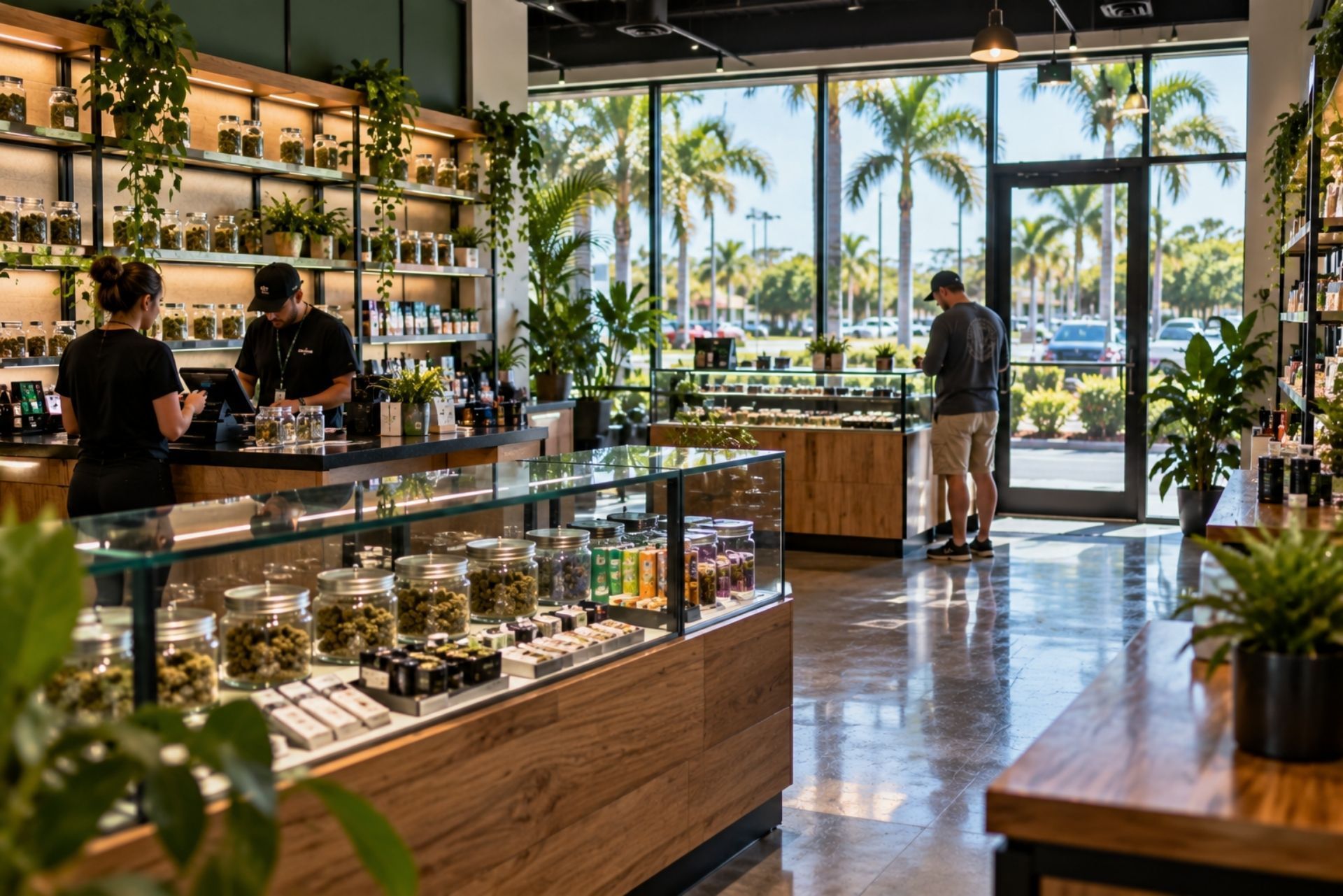
Premium calculations for Florida dispensary insurance involve more variables than most commercial lines. Understanding what drives your costs gives you the ability to control them.
Location Risks and Hurricane Exposure
A dispensary in downtown Orlando faces different risks than one in Fort Myers or the Keys. Florida property insurance policies commonly feature a separate hurricane deductible of 2%, 5%, or 10% of the total insured value. If your property is insured for $2 million and you carry a 5% hurricane deductible, you're responsible for the first $100,000 of hurricane damage out of pocket.
Coastal locations also face higher base premiums due to wind exposure, storm surge risk, and saltwater corrosion on building systems. Dispensaries in inland cities like Gainesville or Ocala generally see lower property insurance costs.
Security Measures and Loss Prevention Impact
Cannabis dispensaries handle significant cash due to ongoing banking limitations, making them targets for robbery and internal theft. Crime insurance covers employee dishonesty, burglary, and robbery losses. Insurers price this coverage based on your security infrastructure.
Dispensaries with 24/7 video surveillance, vault-grade safes, alarm systems with central station monitoring, and controlled-access entry points consistently receive better rates. Carriers frequently offer 10–15% discounts for "enhanced security measures" such as 24/7 central station monitoring, high-definition surveillance with 90-day retention, and biometric access controls (https://www.trytruepath.com/missouri-medical-dispensary-insurance). If you haven't had your security system audited recently, doing so before your renewal can pay for itself.
Revenue Projections and Business Scale
Insurers base general liability and product liability premiums partly on your projected annual revenue. A dispensary generating $3 million annually will pay more than one generating $800,000, because higher revenue generally correlates with more customer interactions and more product sold, both of which increase exposure.
That said, the rescheduling to Schedule III is expected to improve profitability for Florida MMTCs, which means revenue projections may climb. Work with your broker to ensure your coverage limits keep pace with your growth. Underinsuring to save on premiums is a gamble that rarely works out.
Common Questions About Florida Dispensary Insurance
How much does dispensary insurance cost per month in Florida? Costs vary by coverage type and business size. General liability alone runs around $167 per month for smaller operations (https://www.insureon.com/cannabis-business-insurance/dispensaries/cost). A full insurance program including property, product liability, crime, and workers' comp varies based on your scale and location, and Florida dispensaries also face a unique requirement for a $5 million performance bond, which may be reduced to $2 million for those serving more than 1,000 patients (https://www.insureon.com/cannabis-business-insurance/florida).
Does rescheduling to Schedule III change my insurance options? Yes. More carriers are entering the cannabis space, and admitted market options are expanding. This should lead to more competitive pricing and broader coverage terms over the next 12-18 months.
Do I need separate flood insurance for my dispensary? If your facility is in a flood zone, absolutely. Standard property policies in Florida don't cover flood damage. You'll need a separate policy through the NFIP or a private flood insurer.
Can I bundle all my dispensary coverages into one policy? Some specialty cannabis insurers offer package policies that combine general liability, product liability, property, and crime coverage. Workers' compensation is almost always written as a separate policy. Bundling multiple coverages into a package policy typically results in savings ranging from 5% to 15% (https://westernfinancialgroup.ca/Commercial-Property-Insurance).
What happens if I'm underinsured and a hurricane hits? You'll be responsible for losses that exceed your coverage limits, on top of your hurricane deductible. For a vertically integrated operation with millions in inventory and equipment, this could mean financial ruin.
Making the Right Choice for Your License
Florida's cannabis insurance market is changing faster than it has at any point since the state's medical program launched. The Schedule III reclassification has created real momentum toward better coverage options and more competitive pricing, but that doesn't mean the right policy will find you on its own.
Start by auditing your current coverage against the risks specific to your operation. Review your hurricane deductibles, verify that product liability limits match your actual sales volume, and confirm that your crime coverage reflects the cash you keep on-site. If you're working with a broker who doesn't specialize in cannabis, you're likely leaving coverage gaps and overpaying at the same time.
The operators who protect their licenses and their livelihoods are the ones who treat insurance as a strategic decision, not an afterthought. Get quotes from at least two specialty cannabis insurers, compare them line by line, and make sure every dollar of premium is buying you real protection.
ABOUT THE AUTHOR:
MONTREAL MORAND
With over 20 years of leadership experience in the insurance industry, I’ve dedicated my career to helping clients and agents make informed, confident decisions about their coverage. I’ve led high-performing teams, managed more than $128 million in premium, and earned multiple national awards for excellence. Today, my mission remains the same — to educate, empower, and provide dependable protection for the communities we serve.
Contact Us
Protect the Things That Matter Most
Reliable Coverage for Your Home & Lifestyle
Home Insurance
Protect your home, belongings, and personal liability with reliable coverage.
Stronger Coverage for Your Operations
Essential Protection for Your Company
Coverage built for businesses that depend on people, property, and equipment.
Industries We Support
Insurance for Everyday Local Businesses
Simple, reliable protection for the people who keep our communities running.
Plumbers
Plumbers Insurance
Protection for job-site hazards, tools, and customer property.
Restaurants
Restaurants Insurance
Coverage for fire risks, food inventory, and general liability.
HVAC Contractors
HVAC Contractors Insurance
Insurance for service vehicles, equipment, and installation risks.




Frequently Asked Questions
Helpful Answers to Common Questions
Quick guidance to help you understand your coverage.
What types of insurance does Macpherson Insurance Agency offer?
We provide both personal and commercial insurance solutions. On the personal side: homeowners, automobile, condo, renters, windstorm, flood, excess flood, and more. On the commercial side: general liability, property, inland marine, ocean marine, workers compensation, and more.
Do you specialize in homeowners insurance in South Florida?
Yes. We specialize in homeowners coverage in South Florida and work with multiple carriers based on your property’s age, location and replacement cost.
What does “replacement cost” mean in a policy?
Replacement cost is the cost to rebuild your home to the same standard it had before a loss — not the market value of your property.
Why is it important that my insurer is licensed in Florida?
Licensed Florida insurers are continuously monitored for financial stability — if one fails, the Florida Insurance Guaranty Fund may reimburse insureds for unpaid claims up to a limit.
Can I lower my homeowners premium with discounts?
Yes — mitigation features like impact glass, storm shutters, roof straps, and approved sheathing may qualify you for significant credit reductions.
Do you offer payment plans or premium financing?
Yes. In many cases, payment plans and premium financing are available to make coverage more affordable and manageable over time.
From the Blog
Helpful Tips & Insurance Guidance
Articles created to make insurance easier to understand.





Contact Us
Phone
Location