
Owning or managing a sports facility in Florida means facing unique challenges. From unpredictable weather to high visitor traffic, stadiums and recreation centers require insurance coverage tailored to their specific risks. Understanding how Florida’s insurance market has evolved, especially amid recent reforms and market shifts, is key to securing the right protection. This guide breaks down what sports facility insurance entails in Florida, why it matters, and how recent changes impact coverage options.
Florida’s personal property insurance market has seen its first underwriting profit in eight years, reporting a gain of $206.7 million in 2024 after a loss the previous year. This turnaround reflects legislative reforms that have improved market conditions and attracted new insurers, increasing capacity and stability for property owners, including those managing sports venues.
AM Best reports on these positive shifts, which are crucial for facility managers navigating insurance options.
Understanding Sports Facility Insurance in Florida
Sports facility insurance covers a broad range of risks that stadiums, arenas, and recreation centers face. These risks include property damage, liability claims, event cancellations, and equipment breakdowns. Given Florida’s high exposure to hurricanes and tropical storms, property insurance is a critical component, but liability coverage is equally important due to the large crowds and physical activities involved.
Liability insurance protects against lawsuits from injuries sustained on the premises. With nearly 13% of Florida homeowners suing their insurers after denied claims—a figure that has risen recently—litigation risk remains a significant concern across all property types, including sports venues. The Washington Post highlights this trend, underscoring the need for comprehensive liability coverage and risk management strategies.
Key Coverage Areas for Sports Facilities
Property Coverage: This protects the physical structure, including stands, locker rooms, and concession areas, from damage caused by fire, storms, vandalism, or other covered perils. Given Florida’s hurricane risk, this coverage often comes with specific windstorm deductibles. Facilities must also consider the unique features they offer, such as large video screens or specialized sports equipment, which may require additional coverage to ensure they are fully protected against potential losses.
General Liability: Covers injuries to visitors, players, or staff on the premises. This includes slip-and-fall accidents, equipment-related injuries, and other incidents that could lead to costly lawsuits. With the increasing popularity of extreme sports and unconventional events, facilities must be proactive in assessing their risks and ensuring their liability policies reflect the diverse range of activities they host.
Business Interruption: If a storm or other event forces the facility to close temporarily, this coverage helps replace lost income and covers ongoing expenses. This aspect is particularly crucial for venues that host multiple events throughout the year, as even a short closure can lead to significant financial losses. Additionally, facilities should evaluate their contingency plans and emergency response strategies to minimize downtime and expedite recovery after a disruptive event.
Equipment Breakdown: Essential for protecting expensive sports and maintenance equipment from mechanical failure or accidental damage. This coverage is vital for facilities that rely on specialized technology, such as scoreboards, sound systems, and lighting equipment, which can be costly to repair or replace. Regular maintenance and inspections can also play a role in mitigating risks associated with equipment failure, ensuring that facilities remain operational and safe for all users.

By: Montreal Morand
Founder & Managing Partner
Macpherson Insurance Agency
How Florida’s Insurance Market Changes Affect Sports Facility Coverage
Florida’s insurance landscape has been turbulent, with high premiums and litigation driving many insurers away in past years. However, recent legislative reforms have stabilized the market, reducing litigation costs and improving conditions for both insurers and policyholders. According to a report by Gallagher Re, these reforms are helping to restore balance in the market, which benefits sports facility owners seeking reliable coverage. Florida Times explains how these changes are making insurance more accessible and sustainable.
Despite these improvements, Florida remains the most expensive state for property insurance. Homeowners pay on average $3,303 annually, which is 148% higher than the national average. While sports facilities are commercial properties and face different pricing structures, the underlying risk factors—especially hurricane exposure and litigation—drive costs upward across the board. Don Matz, former president of Tower Hill Insurance, points out that the state’s hurricane risk combined with a litigious environment has been the primary driver of insurance market challenges over the past five years. His insights highlight why securing affordable, comprehensive coverage requires careful planning.
Market Shifts Toward Surplus Lines Insurers
Another notable trend is the growing role of surplus lines insurers in Florida’s commercial property market. These insurers specialize in higher-risk policies and now control nearly 45% of the commercial property market in Florida, compared to about 10% in other states. For sports facilities, this means some coverage might come from carriers willing to accept greater risk but potentially at higher premiums or with more restrictive terms. The University of Florida’s Warrington College of Business details this shift, which reflects the ongoing challenges in insuring Florida properties exposed to natural disasters and litigation. Learn more about this market dynamic.
As sports facilities navigate this evolving insurance landscape, they must also consider the implications of these changes on their operational budgets. With the increased reliance on surplus lines insurers, facility managers may need to engage in more thorough risk assessments and explore alternative risk management strategies. This could involve investing in mitigation measures, such as enhanced building codes or disaster preparedness plans, to lower premiums and attract more favorable terms from insurers. Furthermore, as the market stabilizes, there is hope that competition among insurers will eventually lead to more innovative coverage options tailored specifically for the unique needs of sports facilities, including event cancellation insurance and liability coverage for large gatherings.
Moreover, the impact of climate change cannot be overlooked. As weather patterns become more unpredictable, sports facility owners may find themselves facing new challenges in securing coverage. Insurers are increasingly scrutinizing the environmental resilience of properties, which means that facilities located in high-risk areas may need to demonstrate their preparedness for extreme weather events. This could involve implementing sustainable practices or infrastructure improvements that not only protect the facility but also enhance its appeal to insurers. By proactively addressing these concerns, sports facilities can position themselves as responsible and attractive risks in a competitive insurance market.
Risk Management Strategies for Florida Sports Facilities
Insurance is only one part of protecting a sports facility. Effective risk management reduces claims, controls costs, and improves safety for visitors and staff. Facility managers should adopt proactive measures such as regular maintenance, safety audits, and emergency preparedness plans tailored to Florida’s unique risks.
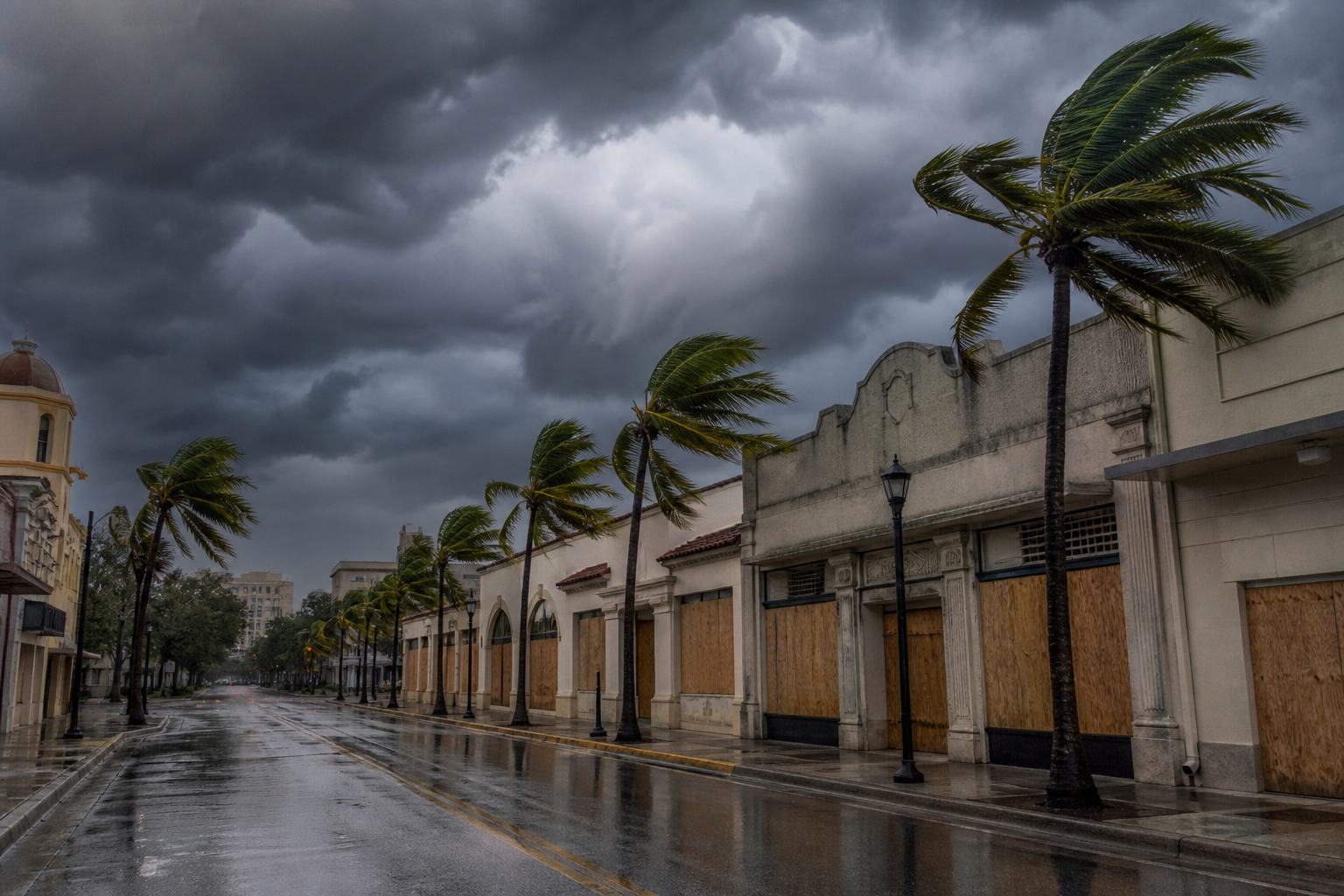
Storm readiness is critical. Facilities should invest in structural reinforcements and have clear protocols for evacuations and securing equipment ahead of hurricanes. These efforts not only protect the property but can also influence insurance premiums and claims outcomes. Additionally, facilities should consider implementing advanced weather monitoring systems that provide real-time updates on storm conditions, allowing for timely decision-making and enhanced safety for all attendees. Training staff on these protocols through regular drills can further ensure that everyone knows their roles during an emergency, minimizing confusion and potential injuries.
Given the rise in litigation following claim denials in Florida, clear documentation and communication with insurers are essential. Nearly 13% of homeowners whose claims were denied sued their insurance companies in 2024, up from 12.4% in 2022. While this statistic focuses on homeowners, it signals a broader trend in the state’s insurance climate that sports facilities must navigate carefully. The Washington Post’s coverage of this issue underscores the importance of thorough claims handling. Furthermore, maintaining a detailed log of all incidents, repairs, and communications with insurers can serve as a valuable resource should disputes arise, providing a clear trail of accountability and diligence.
Balancing Coverage and Costs
Rising insurance costs can impact a facility’s financial health. Research from Florida State University’s Risk Management and Insurance Center shows that a 10% increase in homeowners insurance prices can decrease housing prices by at least 1.4%, with a greater effect on mortgage-financed buyers. While this study focuses on residential properties, the principle applies to commercial real estate as well: higher insurance costs can affect property values and operational budgets. FSU’s research highlights the need for sports facility owners to balance adequate coverage with cost control. In addition, facilities should explore alternative risk financing options, such as captives or self-insurance, which can provide more flexibility and potentially lower costs over time. Engaging in risk-sharing arrangements with other local facilities can also spread the financial burden of certain risks, making it easier to manage insurance expenses.
Working with experienced insurance brokers who understand Florida’s market nuances can help facilities find tailored policies that fit their risk profiles and budgets. Combining insurance with strong risk management practices offers the best protection against unexpected losses. Moreover, fostering relationships with local emergency services and community organizations can enhance a facility's preparedness and response capabilities, creating a network of support that can be invaluable in times of crisis. This collaborative approach not only strengthens safety protocols but also builds goodwill within the community, reinforcing the facility's reputation as a responsible and proactive entity.
Common Questions About Florida Sports Facility Insurance
What types of insurance are essential for sports facilities in Florida?
Property insurance, general liability, business interruption, and equipment breakdown coverage are key. Depending on the facility, additional coverages like event cancellation or workers’ compensation may be necessary. For instance, event cancellation insurance can protect against unforeseen circumstances, such as natural disasters or other emergencies that could lead to the cancellation of a major sporting event, which could have significant financial repercussions. Furthermore, facilities that host large crowds may also consider crowd control liability insurance to cover incidents that could arise from large gatherings, ensuring that they are protected against potential claims related to crowd management.
How do Florida’s hurricane risks affect insurance premiums?
Hurricane risk increases premiums and often leads to specific windstorm deductibles. Facilities must prepare for these costs and invest in mitigation to reduce risks. This can include structural reinforcements, such as hurricane shutters or impact-resistant windows, which not only protect the facility but can also lead to lower premiums over time. Additionally, having a comprehensive emergency response plan in place can demonstrate to insurers that a facility is proactive about risk management, potentially yielding further discounts on insurance premiums.
Why is Florida’s insurance market more expensive than other states?
High hurricane exposure combined with a litigious environment drives up costs. Recent reforms are improving conditions, but premiums remain above the national average. The unique combination of frequent severe weather events and a high volume of claims contributes to this elevated cost structure. Moreover, the insurance market in Florida is influenced by the influx of new residents and businesses, which increases competition for coverage and can further strain resources, making it vital for facility owners to shop around and compare policies to find the best rates available.
Can sports facilities get coverage from surplus lines insurers?
Yes. Surplus lines insurers cover higher-risk properties and now hold a significant share of Florida’s commercial property market. This can be an option when standard markets limit coverage. These insurers often have more flexibility in underwriting and can tailor policies to meet the specific needs of sports facilities, which may face unique risks compared to other types of businesses. However, it’s essential for facility owners to thoroughly vet surplus lines insurers, as they may not be subject to the same regulatory oversight as traditional insurers, making it crucial to ensure they are reputable and financially stable.
What role does risk management play in insurance for sports facilities?
Effective risk management reduces claims, lowers premiums, and improves safety. It includes maintenance, safety protocols, and emergency preparedness. Regular training for staff on safety procedures and emergency response can significantly mitigate risks associated with hosting events. Additionally, implementing technology such as surveillance systems and crowd monitoring can enhance security and provide valuable data that can be used to prevent incidents. Facilities that actively engage in risk management practices not only protect their patrons but also create a safer environment that can attract more events and visitors.
How has litigation affected Florida’s insurance market?
Rising litigation, especially after claim denials, has strained insurers and increased costs. Legislative reforms aim to reduce litigation and stabilize the market. The high rate of lawsuits has led to a defensive posture among insurers, who may become more stringent in their policy terms and conditions. This has created a ripple effect, where facilities may find it challenging to secure affordable coverage. Additionally, the trend of increased litigation has prompted some insurers to withdraw from the Florida market altogether, further limiting options for facility owners and potentially leading to higher premiums as competition decreases.
Before You Go: Key Takeaways for Florida Sports Facility Insurance
Florida’s sports facilities face a complex insurance landscape shaped by natural hazards and legal challenges. Recent market improvements offer hope, but costs remain high and risks significant. Understanding the types of coverage available and the importance of risk management can help facility owners protect their investments and keep operations running smoothly. With hurricanes, tropical storms, and flooding being prevalent in the region, facility owners must consider specialized coverage options that address these specific risks. Additionally, liability coverage is crucial, as it protects against potential lawsuits arising from injuries or accidents that may occur on-site, ensuring that facilities can continue to operate without the looming threat of financial ruin.
Staying informed about market trends and legislative changes is vital. The state’s first underwriting profit in eight years signals a turning point, but vigilance remains necessary. Partnering with knowledgeable brokers and insurers who understand Florida’s unique environment ensures the best possible coverage for stadiums and recreation centers. Moreover, as the sports industry evolves, so do the insurance needs; for example, the rise of eSports and virtual events has introduced new considerations for coverage. Facility owners should also be proactive in implementing risk mitigation strategies, such as regular safety audits and emergency response plans, to further enhance their insurance positions and lower premiums over time.
For those managing sports venues, insurance is not just a policy—it's a strategic tool to safeguard people, property, and business continuity in one of the nation’s most challenging insurance markets. The importance of comprehensive training for staff on safety protocols cannot be overstated, as well-trained personnel can significantly reduce the likelihood of incidents that lead to claims. Additionally, investing in infrastructure improvements, such as flood barriers or reinforced structures, can not only protect assets but also demonstrate to insurers a commitment to risk management, potentially leading to more favorable policy terms and conditions. As the landscape of sports facility management continues to evolve, staying ahead of these developments will be key to thriving in Florida’s dynamic environment.
ABOUT THE AUTHOR:
MONTREAL MORAND
With over 20 years of leadership experience in the insurance industry, I’ve dedicated my career to helping clients and agents make informed, confident decisions about their coverage. I’ve led high-performing teams, managed more than $128 million in premium, and earned multiple national awards for excellence. Today, my mission remains the same — to educate, empower, and provide dependable protection for the communities we serve.
Contact Us
Protect the Things That Matter Most
Reliable Coverage for Your Home & Lifestyle
Home Insurance
Protect your home, belongings, and personal liability with reliable coverage.
Stronger Coverage for Your Operations
Essential Protection for Your Company
Coverage built for businesses that depend on people, property, and equipment.
Industries We Support
Insurance for Everyday Local Businesses
Simple, reliable protection for the people who keep our communities running.
Plumbers
Plumbers Insurance
Protection for job-site hazards, tools, and customer property.
Restaurants
Restaurants Insurance
Coverage for fire risks, food inventory, and general liability.
HVAC Contractors
HVAC Contractors Insurance
Insurance for service vehicles, equipment, and installation risks.




Frequently Asked Questions
Helpful Answers to Common Questions
Quick guidance to help you understand your coverage.
What types of insurance does Macpherson Insurance Agency offer?
We provide both personal and commercial insurance solutions. On the personal side: homeowners, automobile, condo, renters, windstorm, flood, excess flood, and more. On the commercial side: general liability, property, inland marine, ocean marine, workers compensation, and more.
Do you specialize in homeowners insurance in South Florida?
Yes. We specialize in homeowners coverage in South Florida and work with multiple carriers based on your property’s age, location and replacement cost.
What does “replacement cost” mean in a policy?
Replacement cost is the cost to rebuild your home to the same standard it had before a loss — not the market value of your property.
Why is it important that my insurer is licensed in Florida?
Licensed Florida insurers are continuously monitored for financial stability — if one fails, the Florida Insurance Guaranty Fund may reimburse insureds for unpaid claims up to a limit.
Can I lower my homeowners premium with discounts?
Yes — mitigation features like impact glass, storm shutters, roof straps, and approved sheathing may qualify you for significant credit reductions.
Do you offer payment plans or premium financing?
Yes. In many cases, payment plans and premium financing are available to make coverage more affordable and manageable over time.
From the Blog
Helpful Tips & Insurance Guidance
Articles created to make insurance easier to understand.





Contact Us
Phone
Location