
Operating a cemetery or funeral home involves more than just managing day-to-day services. These businesses handle deeply sensitive matters, navigate strict regulations, and face unique risks that require specialized insurance coverage. With the U.S. funeral homes, cemeteries, and crematories industry valued at $20 billion in 2022 and expected to grow steadily, understanding the right insurance protections is essential for sustainability and trust.
Insurance for these operations isn’t just about protecting assets. It safeguards reputations, ensures compliance with complex laws, and provides peace of mind to families during difficult times. This article breaks down the key insurance coverages tailored for cemeteries and funeral homes, highlighting why these policies matter and what operators should look for.
To start, it’s important to recognize the evolving nature of this industry. According to
NFDA President Douglas R. "Dutch" Nie II, understanding changing industry dynamics is critical for providers and insurers alike.
Why Specialized Insurance Is Crucial for Cemeteries and Funeral Homes
Funeral homes and cemeteries operate under intense scrutiny and regulation. They manage everything from embalming and cremation to burial plots and memorial services. Mistakes or accidents can have serious legal, financial, and emotional consequences. The sensitive nature of their work means that they must handle each situation with the utmost care and respect, as they are often dealing with grieving families during one of the most difficult times in their lives.
General business insurance often falls short in addressing the unique exposures these businesses face. For example, liability claims related to mishandling remains, cemetery property damage, or errors in documentation require tailored coverage. Additionally, these businesses often have expensive equipment and facilities that need protection. The costs associated with specialized equipment, such as embalming tables and cremation ovens, can be substantial, and without adequate insurance, a single incident could jeopardize the financial stability of the entire operation.
With average funeral costs in the U.S. reaching $7,848 in 2021, burial insurance has become an essential product for many families, especially those with limited income. This growing demand underscores the importance of insurance products designed to cover funeral-related expenses and protect providers from financial risk (Persistence Market Research). As families increasingly seek affordable options, funeral homes that offer transparent pricing and flexible payment plans can benefit from specialized insurance that helps them meet these needs while safeguarding their business interests.
Regulatory Compliance and Risk Management
Compliance with federal, state, and local regulations is non-negotiable for funeral homes and cemeteries. These rules govern everything from handling human remains to environmental standards for cemeteries. Insurance policies often include risk management services to help businesses stay compliant and avoid costly violations. For instance, many insurance providers offer training programs for staff on best practices in handling remains and maintaining cemetery grounds, which can significantly reduce the risk of accidents and subsequent claims.
Failure to comply can lead to fines, lawsuits, or even closure. Insurance carriers that specialize in this sector typically offer guidance and resources to navigate these complex requirements. They may provide access to legal experts who can assist in understanding the nuances of local laws and regulations, ensuring that funeral homes and cemeteries operate within the legal framework. Furthermore, having a solid insurance plan can enhance a business's reputation, as it demonstrates a commitment to ethical practices and accountability, which can be a deciding factor for families choosing a service provider during their time of need.


By: Montreal Morand
Founder & Managing Partner
Macpherson Insurance Agency
Core Insurance Coverages for Funeral Homes and Cemeteries
Several types of insurance are essential for funeral homes and cemeteries. Each addresses different risks and helps ensure continuity of operations.
General Liability Insurance
This coverage protects against claims of bodily injury or property damage occurring on the premises. For funeral homes, this might include slip-and-fall accidents involving visitors. Cemeteries also face risks related to property damage or injury during maintenance or burial services. Furthermore, general liability insurance can cover incidents that occur during events hosted by the funeral home, such as memorial services or community gatherings, where the risk of accidents may increase due to larger crowds.
Professional Liability Insurance
Also known as errors and omissions insurance, this protects against claims arising from mistakes or negligence in professional services. For example, if a funeral home mishandles a body or a cemetery makes an error in plot placement, this coverage helps cover legal defense and settlements. Additionally, professional liability insurance can extend to situations where emotional distress claims arise, such as when families feel that their loved ones were not treated with the utmost respect or care, highlighting the importance of maintaining high standards in service delivery.
Property Insurance
Funeral homes and cemeteries often have valuable buildings, equipment, and inventory. Property insurance covers damage from fire, vandalism, storms, or other covered events. Given the specialized nature of funeral equipment and cemetery grounds, replacement costs can be significant. Moreover, property insurance can also cover loss of income due to business interruption caused by a covered event, ensuring that operations can resume smoothly after a disaster.
Workers' Compensation
Employees in this industry face physical risks, from lifting heavy caskets to operating machinery. Workers' compensation insurance provides medical benefits and wage replacement if employees are injured on the job. This coverage is particularly crucial in a funeral home setting, where emotional stress can also affect workers' mental health. Some policies even offer resources for mental health support, recognizing the unique challenges faced by those in this profession.
Commercial Auto Insurance
Many funeral homes operate hearses and other vehicles essential to their services. Commercial auto insurance covers accidents and liability related to these vehicles. Additionally, this insurance can extend to coverage for any specialized equipment used in transportation, such as lifts or specialized caskets, ensuring that all aspects of the funeral service are protected during transit.
Cyber Liability Insurance
With increasing reliance on digital records and online pricing transparency, funeral homes are targets for cyberattacks. A recent study found that 88% of consumers expect to find pricing online, and many customers research funeral service costs before making decisions
(The Foresight Companies and SoCal Approach Marketing and Consulting Group). Protecting sensitive customer data is vital. As funeral homes increasingly adopt technology for managing records and customer interactions, having a robust cyber liability policy can help mitigate the financial fallout from data breaches, including costs associated with notifying affected individuals and providing credit monitoring services.
Emerging Trends Impacting Insurance Needs
The funeral and cemetery industry is not static. Shifts in consumer preferences, technology, and market conditions affect insurance requirements.
Growth in Cremation and Preneed Sales
Cremation rates continue to rise, changing the services funeral homes provide. Preneed sales, where customers pay in advance for funeral or cemetery services, are also growing. Carriage Services reported a 21% increase in cemetery preneed sales and a 27% rise in financial revenue in Q3 2025, reflecting this trend (Carriage Services).
Insurance products must adapt to cover these evolving service models, including financial protections for preneed contracts. As families increasingly opt for cremation, funeral homes are diversifying their offerings to include memorial services that honor the deceased in unique ways. This shift not only requires a reevaluation of insurance policies but also calls for innovative products that can accommodate the personalized nature of these services, ensuring that families feel supported during their time of loss.
Online Distribution and Pricing Transparency
More than 60% of consumers research and purchase burial insurance online, signaling a shift toward digital channels (Persistence Market Research). Funeral homes are also expected to provide transparent pricing online, with 71% of current and 80% of future customers looking for this information (The Foresight Companies and SoCal Approach Marketing and Consulting Group).
This transparency demands that insurance and service providers maintain accurate, up-to-date information and protect their digital platforms from cyber threats. Furthermore, the rise of online reviews and social media platforms has made it crucial for providers to manage their reputations actively. A single negative review can significantly impact consumer trust, leading to increased scrutiny of pricing and service quality. As a result, companies are investing in customer service training and digital marketing strategies to ensure they remain competitive in this evolving landscape.
Industry Financial Performance
Strong financial performance among major players reflects the sector’s resilience. Service Corporation International (SCI) recently increased dividends by 6.3%, signaling robust cash flow from over 1,400 locations nationwide (SCI Investor Relations).
These financial trends impact insurance underwriting and risk assessment, influencing premium costs and coverage options. As the industry adapts to changing consumer demands, insurers are also exploring new models of risk management that incorporate data analytics and predictive modeling. By leveraging technology, companies can better assess the potential risks associated with various service offerings, leading to more tailored insurance products that meet the specific needs of both providers and consumers. This evolution not only enhances the financial stability of the insurance sector but also fosters greater confidence among families planning for end-of-life services.
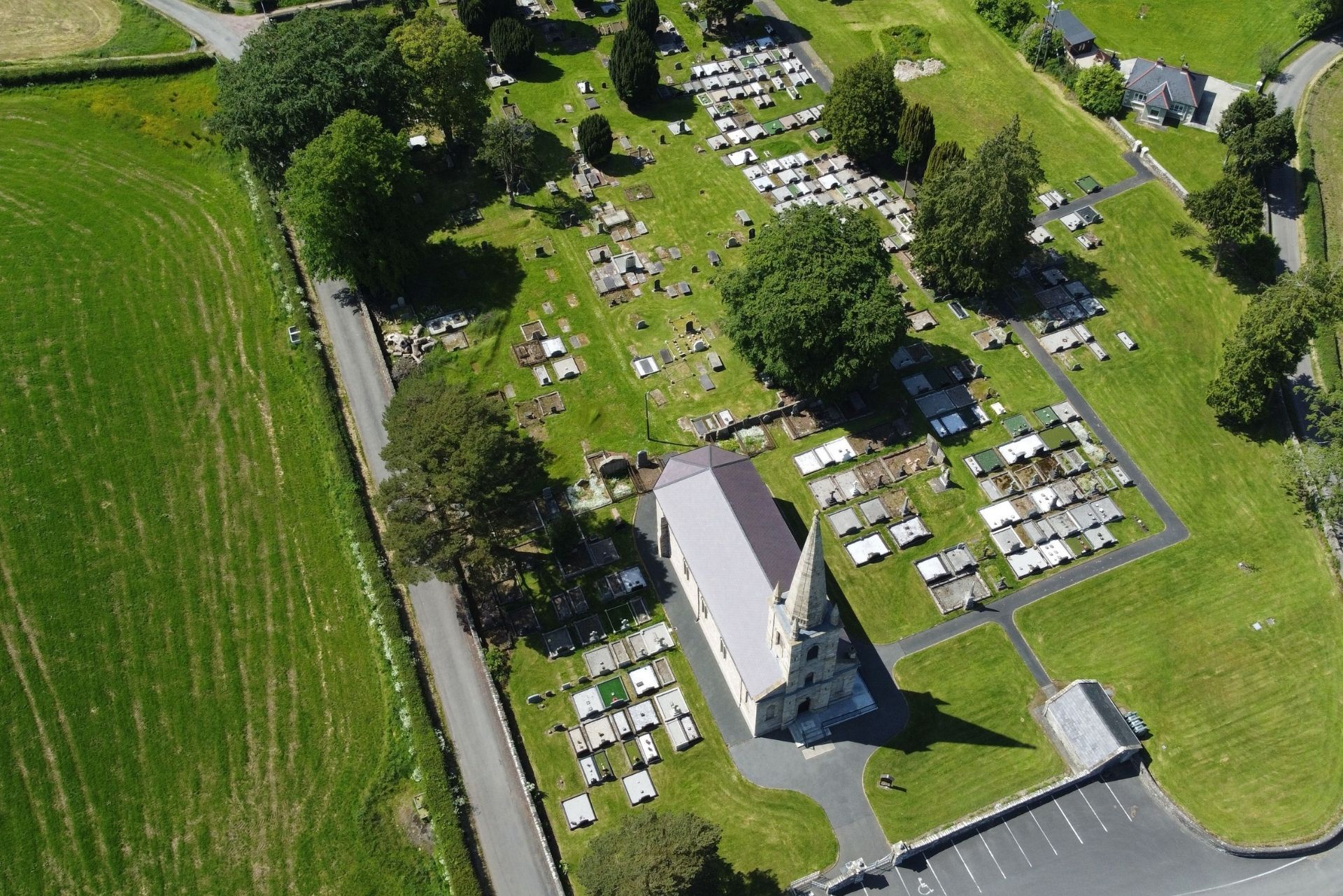
Challenges Unique to Cemetery and Funeral Home Insurance
Insurance providers face several challenges when designing policies for this sector. The sensitive nature of the services means claims can be highly emotional and public. Additionally, the regulatory environment is complex and varies by location. Insurers must navigate local laws that dictate everything from the handling of remains to the maintenance of cemetery grounds, making it imperative for them to stay informed and compliant. This multifaceted landscape can lead to increased operational costs and the need for specialized knowledge among underwriting teams.
Handling Sensitive Claims
Claims involving mishandling of remains or errors in burial can damage reputations irreparably. Insurers must provide coverage that includes legal defense and crisis management support. The emotional weight of these claims often requires a delicate approach, as families are not only dealing with grief but also the potential fallout from a public relations standpoint. Insurers may need to engage with public relations professionals to help mitigate negative media coverage and restore trust in the affected funeral home or cemetery.
Environmental and Property Risks
Cemeteries face environmental risks such as soil erosion, flooding, or contamination. Insurance needs to cover these long-term exposures, which may not be typical in other industries. Furthermore, climate change is exacerbating these risks, leading to an increased frequency of extreme weather events. Insurers must assess the geographical vulnerabilities of cemetery locations and consider the long-term implications of these environmental factors on property values and operational viability. This necessitates a proactive approach, including risk assessments and potential investments in mitigation strategies to protect both the cemetery and the families it serves.
Pricing and Affordability
With average funeral costs nearing $8,000, affordability is a concern for many families. Burial insurance products help bridge this gap, but insurers must balance coverage with cost to serve low-income customers effectively. Additionally, the increasing costs of funeral services, driven by inflation and rising operational expenses, pose a challenge for insurers to create products that remain accessible. Innovative solutions, such as tiered pricing models or community-based insurance plans, may emerge as ways to provide necessary coverage while ensuring that families are not burdened with overwhelming financial stress during their time of loss. Furthermore, education around available options can empower families to make informed decisions about their end-of-life planning, ultimately leading to better financial outcomes for both the consumers and the insurers involved.
How to Choose the Right Insurance for Your Cemetery or Funeral Home
Selecting insurance requires a clear understanding of your business’s specific risks and needs. Here are some tips for making informed decisions:
- Work with a Specialist: Choose insurers experienced in funeral and cemetery operations who understand industry nuances.
- Assess Your Risks: Evaluate your property, professional liabilities, employee exposures, and regulatory requirements.
- Review Coverage Limits: Ensure limits are sufficient to cover potential claims, especially for professional liability and property insurance.
- Consider Cyber Protection: Protect your digital assets and customer data against growing cyber threats.
- Plan for Growth: As your business expands or service models evolve, update your insurance accordingly.
In addition to these foundational steps, it’s crucial to engage in ongoing education about the insurance landscape. The funeral and cemetery industry is subject to unique regulations and evolving consumer expectations, which can impact your insurance needs. Regularly attending industry conferences or workshops can provide valuable insights into emerging trends and risks, helping you stay ahead of potential challenges. Furthermore, networking with other professionals in your field can yield recommendations for reputable insurers or specific policies that have proven beneficial to similar businesses.
Another important aspect to consider is the financial stability of the insurance provider. Researching the insurer's claims-paying ability and customer service reputation can save you from future headaches. Reading reviews and seeking feedback from peers can help gauge how well an insurer responds to claims and supports their clients during difficult times. Additionally, consider the flexibility of the policy options available; having the ability to customize your coverage can ensure that you are not overpaying for unnecessary coverage while still protecting your most critical assets.
Frequently Asked Questions
Q: What types of insurance are essential for funeral homes?
A: General liability, professional liability, property insurance, workers' compensation, commercial auto, and cyber liability are key coverages.
Q: Why is burial insurance important for families?
A: It helps cover the often high costs of funerals, making these services more affordable, especially for low-income families.
Q: How does online pricing transparency affect funeral homes?
A: Customers expect clear, accessible pricing online, which requires funeral homes to maintain accurate information and protect their digital platforms.
Q: Can insurance help with regulatory compliance?
A: Yes. Many insurers offer risk management resources to help businesses stay compliant with laws and avoid penalties.
Q: What unique risks do cemeteries face?
A: Environmental factors like soil erosion and contamination, along with property damage and liability related to burial services, are significant risks.
Q: How has the industry’s financial performance influenced insurance?
A: Strong financial results among major companies indicate stability, which can affect underwriting criteria and premium pricing.
Before You Go
Insurance for cemeteries and funeral homes is not one-size-fits-all. The sensitive nature of these services, combined with regulatory complexities and evolving consumer expectations, demands tailored coverage. Staying informed about industry trends and working with knowledgeable insurers ensures your business remains protected and trusted.
As the industry continues to adapt, from rising cremation rates to growing online engagement, insurance solutions will evolve too. Keeping coverage current and comprehensive is a vital part of running a successful and responsible operation.
ABOUT THE AUTHOR:
MONTREAL MORAND
With over 20 years of leadership experience in the insurance industry, I’ve dedicated my career to helping clients and agents make informed, confident decisions about their coverage. I’ve led high-performing teams, managed more than $128 million in premium, and earned multiple national awards for excellence. Today, my mission remains the same — to educate, empower, and provide dependable protection for the communities we serve.
Contact Us
Protect the Things That Matter Most
Reliable Coverage for Your Home & Lifestyle
Home Insurance
Protect your home, belongings, and personal liability with reliable coverage.
Stronger Coverage for Your Operations
Essential Protection for Your Company
Coverage built for businesses that depend on people, property, and equipment.
Industries We Support
Insurance for Everyday Local Businesses
Simple, reliable protection for the people who keep our communities running.
Plumbers
Plumbers Insurance
Protection for job-site hazards, tools, and customer property.
Restaurants
Restaurants Insurance
Coverage for fire risks, food inventory, and general liability.
HVAC Contractors
HVAC Contractors Insurance
Insurance for service vehicles, equipment, and installation risks.




Frequently Asked Questions
Helpful Answers to Common Questions
Quick guidance to help you understand your coverage.
What types of insurance does Macpherson Insurance Agency offer?
We provide both personal and commercial insurance solutions. On the personal side: homeowners, automobile, condo, renters, windstorm, flood, excess flood, and more. On the commercial side: general liability, property, inland marine, ocean marine, workers compensation, and more.
Do you specialize in homeowners insurance in South Florida?
Yes. We specialize in homeowners coverage in South Florida and work with multiple carriers based on your property’s age, location and replacement cost.
What does “replacement cost” mean in a policy?
Replacement cost is the cost to rebuild your home to the same standard it had before a loss — not the market value of your property.
Why is it important that my insurer is licensed in Florida?
Licensed Florida insurers are continuously monitored for financial stability — if one fails, the Florida Insurance Guaranty Fund may reimburse insureds for unpaid claims up to a limit.
Can I lower my homeowners premium with discounts?
Yes — mitigation features like impact glass, storm shutters, roof straps, and approved sheathing may qualify you for significant credit reductions.
Do you offer payment plans or premium financing?
Yes. In many cases, payment plans and premium financing are available to make coverage more affordable and manageable over time.
From the Blog
Helpful Tips & Insurance Guidance
Articles created to make insurance easier to understand.










Contact Us
Phone
Location