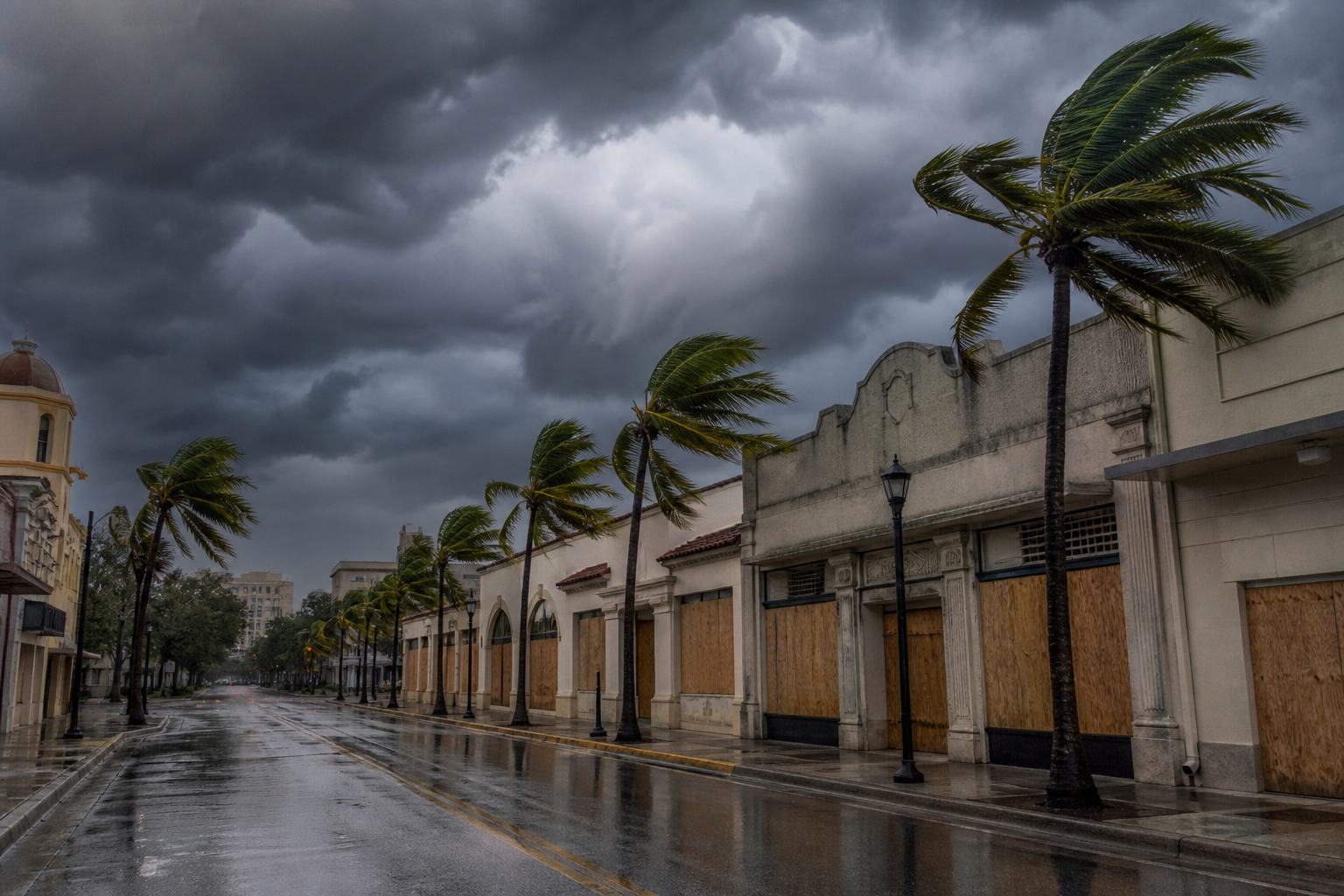
When a hurricane or severe storm hits Florida, the damage extends far beyond physical property. Business owners often face unexpected closures, lost income, and mounting expenses while repairs take place. That’s where business interruption insurance steps in, offering a financial lifeline during these challenging periods. Understanding how this coverage works and why it’s crucial in Florida’s unique risk environment can make all the difference in keeping your business afloat.
Florida’s insurance market has seen dramatic shifts recently, with insurers paying out $1.36 in claims for every dollar collected in premiums in 2022, reflecting the high costs of natural disasters and litigation in the state. This dynamic directly impacts the availability and cost of business interruption coverage, making it essential for business owners to stay informed and prepared. For more insight into Florida’s insurance climate,
this study highlights the ongoing challenges.
What Is Business Interruption Insurance and Why It Matters in Florida
Business interruption insurance covers the loss of income that a business suffers after a disaster or covered peril forces it to halt operations. This coverage typically includes lost revenue, ongoing expenses like rent and payroll, and sometimes extra costs incurred to resume operations quickly.
In Florida, the need for this protection is especially acute. The state faces frequent hurricanes and tropical storms that can cause widespread damage. Between 2017 and 2023, Florida experienced over $50 billion in insured losses from catastrophic events, with Hurricane Ian alone accounting for $65 billion. These figures underscore the financial risk businesses face from natural disasters alone.
Without business interruption insurance, many companies struggle to cover fixed expenses during downtime, which can lead to permanent closure. This coverage acts as a buffer, helping businesses survive the storm and rebuild with less financial strain. Furthermore, the psychological impact of a disaster can be overwhelming for business owners. Knowing that they have a safety net in place allows them to focus on recovery and rebuilding rather than drowning in financial uncertainty.
How Business Interruption Insurance Works
Typically, this insurance kicks in after a covered event causes physical damage to the insured property. The policy then reimburses the business for lost income during the period it takes to repair or replace damaged property. Some policies also cover losses due to civil authority orders, such as mandatory evacuations or curfews, which are common during hurricanes.
It’s important to note that business interruption insurance is usually an add-on to a commercial property policy. The scope of coverage, waiting periods, and payout limits vary widely, so reviewing policy details carefully is essential. Additionally, businesses should consider the specific risks they face based on their location and industry. For example, a restaurant may need to account for not just physical damage but also the potential loss of perishable inventory, while a retail store might focus on the impact of foot traffic loss during recovery periods. Tailoring the policy to fit the unique needs of the business can make a significant difference in the effectiveness of the coverage during a crisis.


By: Montreal Morand
Founder & Managing Partner
Macpherson Insurance Agency
Challenges in Florida’s Insurance Market Affecting Business Interruption Coverage
Florida’s property insurance market has been turbulent for years. Between 2017 and 2021, insurers paid out $51 billion over 10 years, but nearly three-quarters of that amount went to attorney’s fees and public adjusters, with only 8% reaching claimants. This litigation-heavy environment has driven up costs and complicated claims processing. The consequences of these dynamics extend beyond just financial implications; they create an atmosphere of uncertainty for business owners who rely on insurance to safeguard their operations against unforeseen disruptions.
Jeff Brandes, a former Florida State Senator, pointed out that Florida accounts for 8% of U.S. property claims but a staggering 80% of property litigation nationwide. This combination of high risk and high legal activity has made insurers cautious, leading to higher premiums and stricter underwriting standards for business interruption insurance. As a result, many small and medium-sized enterprises find themselves either underinsured or unable to secure coverage altogether, which can jeopardize their financial stability in the face of natural disasters or other business interruptions.
However, recent legislative reforms and rate increases have started to stabilize the market. In 2024, Florida reported its first underwriting profit in eight years, signaling a potential turning point. For business owners, this means that while coverage remains critical, the market may become more accessible and affordable over time. More details on these reforms can be found at Active Property Care’s overview. The implications of these changes are profound; as insurers regain confidence, they may begin to offer more comprehensive policies that include favorable terms for business interruption coverage, allowing businesses to better prepare for and respond to potential crises.
Impact of Litigation on Business Insurance
The high volume of litigation inflates the cost of claims and delays payouts, which can be devastating for businesses relying on timely funds to cover ongoing expenses. The defense and cost-containment expense ratio in Florida dropped significantly from 8.4 in 2022 to 3.1 in 2023, indicating some progress in reducing litigation-related costs. This improvement may help insurers offer better terms for business interruption coverage moving forward. Additionally, as the legal landscape evolves, there is hope that businesses will experience a more streamlined claims process, allowing them to access their funds more quickly when they need them most.
Moreover, the shift in the insurance market could encourage more innovative insurance products tailored to the unique risks faced by Florida businesses. Insurers may start to explore options such as parametric insurance, which pays out based on predetermined triggers rather than traditional loss assessments. This could provide a more efficient way for businesses to receive funds in the aftermath of a disaster, reducing the reliance on lengthy litigation processes. As the market adapts, it will be crucial for business owners to stay informed about their options and advocate for policies that meet their specific needs in this evolving landscape.
Key Considerations When Purchasing Business Interruption Insurance in Florida
Choosing the right business interruption insurance requires careful evaluation of your business’s specific risks and needs. Here are some critical factors to consider:
1. Understand Covered Perils
Not all policies cover the same risks. Most business interruption insurance covers losses from physical damage caused by fire, windstorm, or other perils listed in the policy. In Florida, windstorm coverage is vital due to hurricanes. Some policies exclude flood damage, which often requires separate flood insurance. Additionally, it’s important to review any exclusions or limitations in the policy carefully. For instance, some policies may not cover losses resulting from a pandemic or other non-physical damage events, which have become increasingly relevant in recent years. Understanding the nuances of what is and isn’t covered can help you avoid unpleasant surprises when you need to file a claim.
2. Calculate Adequate Coverage Limits
The limit should reflect your business’s gross profit and fixed expenses during the anticipated downtime. Underestimating the necessary coverage can leave you exposed to significant financial gaps. It’s wise to engage with a financial advisor or insurance broker who can help you assess your business’s unique financial landscape. They can assist in projecting potential losses based on historical data and industry benchmarks, ensuring that your coverage is not only adequate but also tailored to your specific operational needs. Additionally, consider the potential for growth; if your business is expanding, your coverage limits may need to be adjusted accordingly to keep pace with increasing revenues and expenses.
3. Review Waiting Periods and Indemnity Periods
The waiting period is the time after a loss before benefits begin. Indemnity periods define how long the insurer will pay for lost income. Both should align with realistic recovery timelines for your business and the typical severity of disasters in your area. In Florida, where recovery from hurricanes can take weeks or even months, it’s crucial to choose a policy that offers a waiting period that reflects your operational realities. Additionally, consider how your business's specific operations might affect recovery time; for example, a restaurant may face different challenges than a retail store, which could influence the indemnity period you select.
4. Consider Extra Expense Coverage
Some policies include or offer add-ons for extra expenses that help maintain operations during recovery, such as renting temporary space or equipment. This coverage can be a game-changer for minimizing downtime. It’s essential to think about the specific needs of your business during a recovery phase. For example, if your business relies heavily on technology, having coverage for temporary IT solutions can ensure continuity of service. Additionally, consider the potential costs of marketing efforts to re-engage customers post-disruption; some policies may cover these expenses as well, helping you to quickly regain your footing in the market.
5. Factor in Civil Authority Coverage
Given Florida’s frequent mandatory evacuations, civil authority coverage that reimburses lost income due to government orders can be essential. This type of coverage can be particularly beneficial in situations where your business is forced to close not due to physical damage but because of government mandates aimed at protecting public safety. Understanding the specific conditions under which this coverage applies can help you make informed decisions about your policy. Furthermore, it’s worth exploring how this coverage interacts with other forms of insurance, as comprehensive planning can provide a more robust safety net for your business during unexpected events.

How Florida’s Insurance Market Trends Affect Business Interruption Policies
Florida’s insurance market has been shaped by natural disasters and evolving regulatory responses. The state’s insurers paid out more than $1.36 for every dollar in premiums in 2022, reflecting the heavy toll of claims. This imbalance has historically pushed premiums higher and limited coverage options.
Recent reforms have led to a more stable market. For example, the Florida Office of Insurance Regulation approved insurers to take on over 650,000 policies from Citizens Property Insurance Corp. in 2023, an 800% increase from the previous year. This shift signals growing insurer confidence and market capacity, which may improve availability and pricing of business interruption insurance.
Additionally, reinsurance pricing is coming down in Florida, according to Randy Fuller of Guy Carpenter. Lower reinsurance costs can translate into more competitive insurance rates for businesses. These developments suggest a cautiously optimistic outlook for Florida business owners seeking interruption coverage. More on reinsurance trends can be found here.
The Role of Catastrophic Events in Shaping Coverage Needs
Florida’s exposure to hurricanes and other extreme weather events means business interruption insurance is not a luxury but a necessity. Hurricane Ian’s $65 billion insured loss alone highlights the scale of potential disruption. Businesses without adequate interruption coverage risk severe financial hardship if forced to close for extended periods.
Moreover, the frequency and intensity of these catastrophic events have prompted many businesses to reassess their risk management strategies. As a result, companies are increasingly investing in comprehensive disaster recovery plans, which often include enhanced insurance policies tailored to their specific vulnerabilities. This proactive approach not only safeguards their financial future but also fosters resilience in the face of inevitable natural disasters. Additionally, businesses are now more inclined to engage with insurance brokers who specialize in disaster-related coverage, ensuring they receive tailored advice and the best possible terms for their needs.
In light of these trends, understanding the nuances of business interruption policies has become more critical than ever. Insurers are now offering more customizable options that allow businesses to select coverage limits and exclusions that align with their unique operational risks. This flexibility can be a game-changer for small to medium-sized enterprises, which often operate on tighter margins and have less room for error when facing unexpected disruptions. As Florida continues to navigate its evolving insurance landscape, the importance of informed decision-making in securing adequate coverage cannot be overstated.
Practical Tips for Managing Business Interruption Risks
Insurance is one part of a broader risk management strategy. Here are steps businesses can take to reduce downtime and protect revenue:
- Develop a disaster recovery plan: Outline procedures for protecting employees, securing assets, and resuming operations quickly.
- Invest in property resilience: Reinforce buildings and infrastructure to withstand storms and reduce damage.
- Maintain clear documentation: Keep detailed records of property values, income, and expenses to support claims.
- Regularly review insurance policies: Ensure coverage limits and terms keep pace with business growth and changing risks.
Combining these practices with robust business interruption insurance creates a stronger safety net for Florida businesses facing inevitable disruptions.
Frequently Asked Questions About Florida Business Interruption Insurance
Q: Does business interruption insurance cover losses from hurricanes in Florida?
A: Yes, if the policy includes windstorm coverage and the loss is due to physical damage from the hurricane. Flood damage usually requires separate flood insurance.
Q: How long does business interruption insurance pay after a disaster?
A: It depends on the indemnity period specified in the policy, which can range from months to years depending on the coverage purchased.
Q: Can I buy business interruption insurance separately from property insurance?
A: Typically, business interruption coverage is an add-on to a commercial property policy, not a standalone product.
Q: What is civil authority coverage in business interruption insurance?
A: It reimburses lost income if a government order, like a mandatory evacuation, prevents access to your business premises.
Q: How have recent Florida insurance reforms affected business interruption insurance?
A: Reforms have improved market stability, reduced litigation costs, and increased insurer participation, which may lead to better availability and pricing.
Q: Why is litigation a concern for Florida business insurance?
A: Florida accounts for a disproportionate share of property litigation, which drives up claim costs and delays payouts, impacting insurance premiums and coverage terms.
Before You Go: Protecting Your Business Revenue in Florida’s Risk Landscape
Business interruption insurance is a critical tool for Florida businesses vulnerable to natural disasters and market volatility. While the insurance environment has been challenging, recent reforms and market improvements offer hope for more sustainable coverage options. Understanding your risks, carefully selecting coverage, and integrating insurance with proactive risk management can help safeguard your revenue when downtime strikes.
Staying informed about market trends and legislative changes is equally important. For ongoing updates on Florida’s insurance market and claims environment, The Title Report provides detailed insights into the factors shaping insurance in the state.
ABOUT THE AUTHOR:
MONTREAL MORAND
With over 20 years of leadership experience in the insurance industry, I’ve dedicated my career to helping clients and agents make informed, confident decisions about their coverage. I’ve led high-performing teams, managed more than $128 million in premium, and earned multiple national awards for excellence. Today, my mission remains the same — to educate, empower, and provide dependable protection for the communities we serve.
Contact Us
Protect the Things That Matter Most
Reliable Coverage for Your Home & Lifestyle
Home Insurance
Protect your home, belongings, and personal liability with reliable coverage.
Stronger Coverage for Your Operations
Essential Protection for Your Company
Coverage built for businesses that depend on people, property, and equipment.
Industries We Support
Insurance for Everyday Local Businesses
Simple, reliable protection for the people who keep our communities running.
Plumbers
Plumbers Insurance
Protection for job-site hazards, tools, and customer property.
Restaurants
Restaurants Insurance
Coverage for fire risks, food inventory, and general liability.
HVAC Contractors
HVAC Contractors Insurance
Insurance for service vehicles, equipment, and installation risks.




Frequently Asked Questions
Helpful Answers to Common Questions
Quick guidance to help you understand your coverage.
What types of insurance does Macpherson Insurance Agency offer?
We provide both personal and commercial insurance solutions. On the personal side: homeowners, automobile, condo, renters, windstorm, flood, excess flood, and more. On the commercial side: general liability, property, inland marine, ocean marine, workers compensation, and more.
Do you specialize in homeowners insurance in South Florida?
Yes. We specialize in homeowners coverage in South Florida and work with multiple carriers based on your property’s age, location and replacement cost.
What does “replacement cost” mean in a policy?
Replacement cost is the cost to rebuild your home to the same standard it had before a loss — not the market value of your property.
Why is it important that my insurer is licensed in Florida?
Licensed Florida insurers are continuously monitored for financial stability — if one fails, the Florida Insurance Guaranty Fund may reimburse insureds for unpaid claims up to a limit.
Can I lower my homeowners premium with discounts?
Yes — mitigation features like impact glass, storm shutters, roof straps, and approved sheathing may qualify you for significant credit reductions.
Do you offer payment plans or premium financing?
Yes. In many cases, payment plans and premium financing are available to make coverage more affordable and manageable over time.
From the Blog
Helpful Tips & Insurance Guidance
Articles created to make insurance easier to understand.







Contact Us
Phone
Location