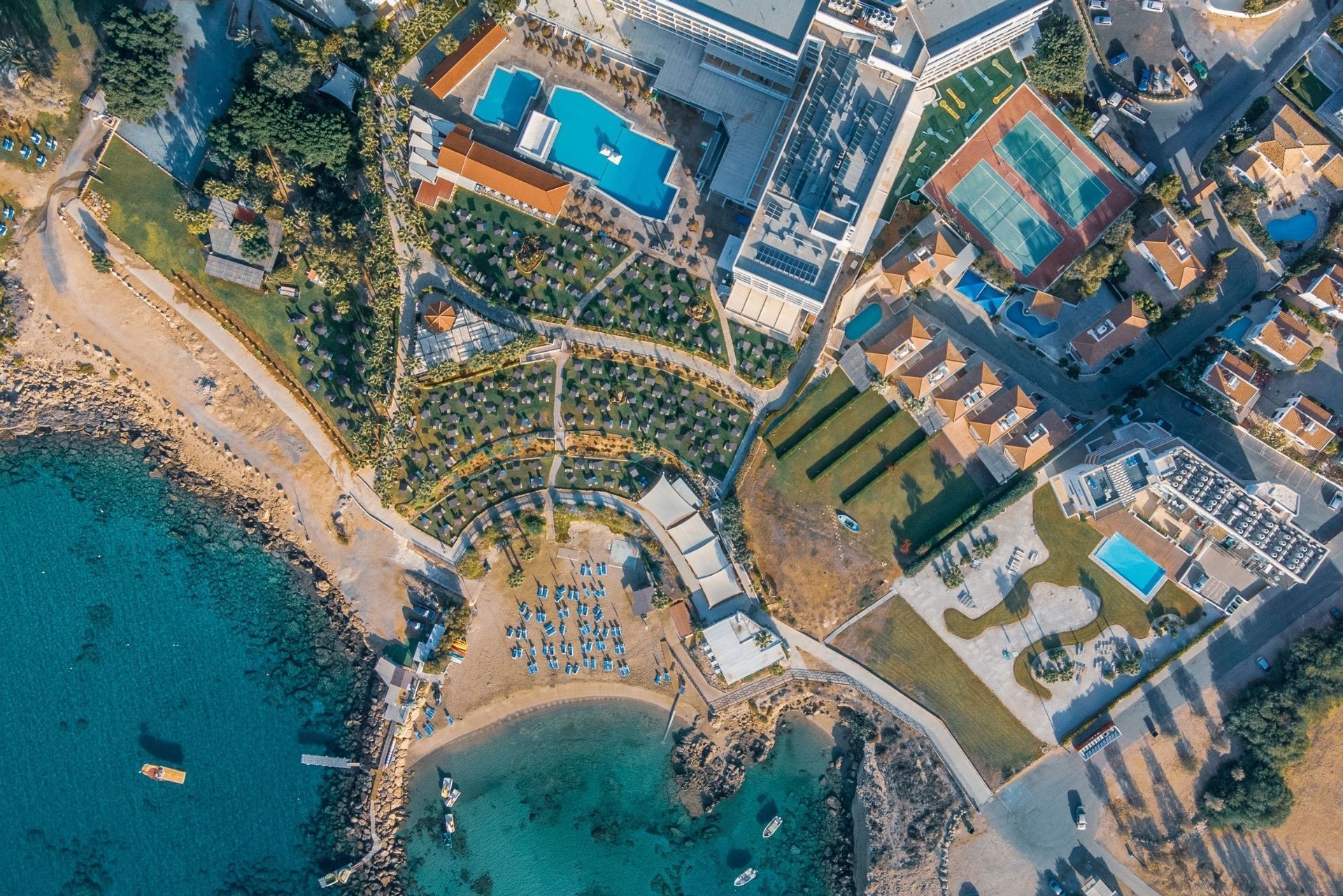
Luxury hotels and resorts in Florida face a unique set of challenges when it comes to insurance. From soaring premiums to the ever-present threat of hurricanes and other natural disasters, securing the right coverage is a complex task. The stakes are high: a single claim can run into the millions, and insurance costs are eating into operating revenues more than ever before. Understanding the landscape of Florida’s luxury hotel insurance market is essential for property owners, managers, and investors who want to protect their assets without breaking the bank.
Florida’s personal property insurance market recently reported its first underwriting profit in eight years, signaling a potential shift in an otherwise turbulent environment. According to
AM Best, the combined ratio dropped to 93.1 in 2024, producing an underwriting gain of $206.7 million. This is a positive sign, but it does not mean the crisis is over. For luxury hotels and resorts, the insurance landscape remains challenging and requires careful navigation.
The Rising Cost of Insurance for Florida’s Luxury Hotels
Insurance premiums for hotels in Florida have been climbing steadily, outpacing revenue growth and squeezing profit margins. Between 2019 and 2021, hotel revenues fell by 40%, yet insurance expenditures rose by 33.1%. This imbalance has put immense pressure on operators trying to maintain profitability while managing risk exposure.
In 2023 alone, hotel insurance expenses increased by 19.5%, with claims now consuming about 1.7% of hotel operating revenue, compared to a long-term average of 1.2%. This means more money is going toward covering risks rather than enhancing guest experiences or upgrading facilities. These figures come from OysterLink, which tracks insurance trends in the hospitality sector.
One notable example is the Biltmore Hotel in Coral Gables, which cut its windstorm insurance coverage by half in 2024 due to soaring premiums. This move highlights a growing trend among luxury properties to limit coverage where possible, balancing risk tolerance with financial realities. Such decisions can be risky but sometimes necessary to stay afloat in a market with escalating costs. Read more about this development at The Real Deal.
Moreover, the situation is exacerbated by Florida's unique geographical vulnerabilities, including its susceptibility to hurricanes and tropical storms. These natural disasters not only threaten physical assets but also lead to increased claims, which in turn drive up premiums. As a result, many hotel operators are now investing in advanced risk management strategies, such as enhanced building materials and technology to better withstand severe weather. This proactive approach, while costly upfront, aims to mitigate long-term risks and potentially lower insurance costs in the future.
Additionally, the insurance market itself is undergoing significant changes, with many insurers reevaluating their portfolios and tightening underwriting standards. This has led to a reduction in the number of companies willing to provide coverage for luxury hotels, further intensifying competition among remaining insurers. As a result, hotel owners are increasingly seeking alternative insurance solutions, such as captives or self-insurance pools, to gain more control over their risk management and insurance costs. These strategies reflect a broader shift in the industry as operators adapt to the new financial landscape shaped by rising insurance costs.

By: Montreal Morand
Founder & Managing Partner
Macpherson Insurance Agency
Natural Disasters and Their Impact on Insurance
Florida’s vulnerability to hurricanes, floods, and wildfires makes insurance a critical concern for luxury hotels and resorts. These properties often sit in prime coastal or waterfront locations, increasing their exposure to storm damage. The financial impact of these natural disasters can be staggering. For instance, the aftermath of Hurricane Michael in 2018 saw damages exceeding $25 billion, highlighting the urgent need for robust insurance coverage. The unpredictability of these events not only affects immediate repair costs but also long-term operational viability, as businesses grapple with the potential loss of clientele during recovery periods.
Studies show that natural barriers like mangroves play a significant role in reducing storm surge losses. In Collier County alone, mangroves reduce property damage by $67.5 million annually. During major hurricanes like Irma and Ian, these natural defenses provided benefits valued at $725 million and $4.1 billion respectively. This information, sourced from a recent arXiv study, underscores the importance of environmental factors in risk management strategies. Additionally, the preservation and restoration of these ecosystems not only mitigate financial losses but also enhance biodiversity, providing habitats for various species and promoting ecological health in the region.
Insurance providers are increasingly factoring in these environmental protections when assessing risk and setting premiums. However, the growing frequency and severity of storms continue to push rates higher. Oscar Seikaly, CEO at NSI Insurance, points out that Florida’s challenges are just the beginning, with similar trends spreading to other regions facing wildfires and floods. His insight can be found at
Rich Report. As insurers adapt to these changing dynamics, they are also exploring innovative solutions such as parametric insurance, which provides quicker payouts based on predefined triggers, such as wind speed or rainfall levels. This approach can significantly alleviate the financial burden on property owners, allowing them to recover more swiftly and efficiently in the wake of a disaster.
How Insurance Affects the Hospitality Industry’s Recovery
The hospitality industry in Florida made a strong comeback in 2023, with revenue per available room (RevPAR) surpassing pre-pandemic levels from 2019. This recovery is expected to continue through 2024, driven by increased travel demand and improved consumer confidence. However, rising insurance costs remain a significant headwind.
Insurance claims now consume a larger share of hotel operating revenue, limiting funds available for renovations, staffing, and guest services. Pilar Carvajal, founder and CEO of Innovation Senior Living, warns of a looming crisis, stating, “We are headed into a train wreck” due to escalating insurance costs impacting property owners across Florida. Her perspective is detailed in Insurance Journal.
Despite these challenges, many luxury hotels are adapting by enhancing their risk management practices, investing in property improvements that mitigate damage, and negotiating better terms with insurers. Balancing risk and cost is a delicate act but essential for long-term sustainability.
Moreover, the impact of climate change is becoming increasingly evident, with extreme weather events leading to higher insurance premiums and more frequent claims. Hotels located in coastal areas, for instance, face the dual challenge of rising sea levels and hurricanes, which not only threaten their physical infrastructure but also their financial viability. In response, some establishments are exploring innovative solutions such as green building practices and sustainable designs that not only reduce their environmental footprint but also potentially lower insurance costs by minimizing risk exposure.
Furthermore, the hospitality sector is witnessing a shift in consumer expectations, with travelers increasingly prioritizing safety and sustainability in their choices. This trend compels hotels to invest in comprehensive safety protocols and eco-friendly initiatives, which can be costly upfront but may yield long-term benefits. As hotels strive to create a safe and appealing environment for guests, they must navigate the intricate landscape of insurance while also addressing these evolving demands, making it essential for industry leaders to remain agile and forward-thinking in their strategies.

Key Coverage Considerations for Luxury Hotels and Resorts
Insurance for luxury hotels and resorts typically includes several core components:
- Property Insurance: Covers damage to buildings, equipment, and contents from fire, storms, vandalism, and other perils.
- Windstorm and Hurricane Coverage: Critical in Florida, this protects against wind-related damage but often comes with high deductibles and premiums.
- Liability Insurance: Protects against claims from guests or third parties for injuries or damages occurring on the property.
- Business Interruption Insurance: Covers lost income if the hotel must close temporarily due to a covered event.
- Flood Insurance: Usually purchased separately, given Florida’s flood risk, especially in coastal areas.
Given the complexity and cost, many luxury properties work closely with specialized brokers who understand Florida’s market nuances. They help tailor policies that balance coverage needs with budget constraints, often incorporating risk mitigation measures like improved building codes or natural barriers to reduce premiums.
In addition to these fundamental coverages, luxury hotels often consider additional endorsements that can enhance their policies. For instance, coverage for cyber liability has become increasingly important as hotels rely more on digital systems for reservations and guest services. A breach could not only lead to significant financial loss but also damage the hotel's reputation, making this coverage essential in today's tech-driven environment. Furthermore, many luxury resorts may also opt for coverage that protects against terrorism or civil commotion, especially if they host high-profile events or celebrities, where the risk of such incidents may be elevated.
Moreover, the unique amenities and services offered by luxury hotels, such as spas, fine dining, and event spaces, can introduce additional risks that need to be addressed. For example, liability associated with food service can be substantial, requiring specific coverage for foodborne illnesses or allergic reactions. Similarly, hotels that offer recreational activities, such as water sports or guided tours, must ensure they have adequate liability coverage to protect against accidents that may occur during these experiences. As such, a comprehensive insurance strategy for luxury hotels and resorts must consider these diverse aspects to ensure complete protection against potential liabilities.
Environmental and Risk Mitigation Strategies
Investing in environmental protections can pay dividends by lowering insurance costs and reducing damage during storms. For example, preserving mangroves and other natural buffers helps shield properties from storm surge and flooding. This not only protects the environment but also enhances a resort’s resilience. Furthermore, these natural barriers serve as vital ecosystems that support biodiversity, providing habitats for various marine and terrestrial species. By maintaining these ecosystems, resorts can not only protect their investments but also contribute to the overall health of the local environment, which can enhance their appeal to eco-conscious travelers.
Upgrading buildings to meet or exceed hurricane-resistant standards is another effective strategy. Impact-resistant windows, reinforced roofing, and elevated structures reduce vulnerability and can lead to premium discounts. Insurance companies reward proactive risk management with more favorable terms. Additionally, incorporating sustainable materials and energy-efficient technologies into these upgrades can further bolster a resort's reputation as a leader in environmental stewardship. For instance, solar panels and green roofs not only provide energy savings but also improve insulation, contributing to a lower carbon footprint and promoting a more sustainable operation overall.
Some luxury hotels also consider partial coverage adjustments, like the Biltmore Hotel’s decision to reduce windstorm insurance. While this approach carries risk, it can be a calculated move to manage costs when combined with strong mitigation efforts. This strategy can be particularly effective when paired with comprehensive risk assessments and contingency planning, ensuring that the hotel is prepared for potential losses. Additionally, engaging with local communities to develop joint emergency response plans can enhance safety and foster goodwill, ultimately creating a more resilient hospitality sector that benefits everyone involved.
What Florida Luxury Hotel Owners Should Keep in Mind
Insurance in Florida’s luxury hotel market is not just about buying a policy. It requires ongoing management, assessment, and adaptation. Owners should:
- Regularly review coverage limits and exclusions to ensure they match current risks.
- Invest in risk mitigation measures that can lower premiums and reduce claims.
- Work with brokers experienced in Florida’s unique insurance environment.
- Monitor market trends and regulatory changes that could impact insurance availability and cost.
- Consider environmental factors, such as the role of mangroves, when planning property improvements.
Florida’s insurance market is evolving. While recent underwriting profits offer hope, the challenges remain significant. Staying informed and proactive is the best way to protect luxury hotel investments against the unpredictable forces of nature and the shifting insurance landscape. Additionally, luxury hotel owners should also be aware of the importance of disaster preparedness plans. These plans not only safeguard guests and staff during emergencies but can also significantly influence insurance premiums and coverage options. A well-documented and practiced emergency response strategy can demonstrate to insurers that the property is less of a risk, potentially leading to more favorable terms.
Furthermore, the integration of technology in risk management cannot be overlooked. Utilizing smart building technologies, such as advanced weather monitoring systems and automated emergency response protocols, can enhance the safety of the property and its occupants. These innovations not only contribute to a more secure environment but can also provide valuable data that may be beneficial during insurance negotiations. As the landscape of luxury hospitality continues to evolve, embracing such advancements will be crucial for owners aiming to maintain a competitive edge while ensuring comprehensive protection for their investments.
Frequently Asked Questions
Q: Why are insurance premiums rising so much for Florida hotels?
A: Increased frequency of natural disasters, higher claims costs, and reduced insurer capacity have driven premiums up. Between 2019 and 2021, hotel revenues dropped while insurance costs rose significantly, straining budgets.
Q: How can luxury hotels reduce their insurance costs?
A: Investing in risk mitigation like hurricane-resistant building upgrades and preserving natural barriers such as mangroves can lower premiums. Working with specialized brokers to tailor coverage also helps.
Q: What types of insurance are essential for Florida resorts?
A: Property insurance, windstorm and hurricane coverage, liability insurance, business interruption insurance, and flood insurance are key components for comprehensive protection.
Q: Is it safe for hotels to reduce windstorm coverage like the Biltmore Hotel?
A: Reducing coverage can lower premiums but increases financial risk if a storm causes damage. It should be done cautiously and alongside strong risk management strategies.
Q: How do natural features like mangroves impact insurance?
A: Mangroves reduce storm surge and flood damage, which can lower insurance claims and premiums. They provide millions in annual protection benefits in Florida counties.
Q: What is the outlook for Florida’s hotel insurance market?
A: While the market showed its first underwriting profit in eight years in 2024, rising risks and costs mean challenges persist. Hotels must stay proactive to manage coverage effectively.
ABOUT THE AUTHOR:
MONTREAL MORAND
With over 20 years of leadership experience in the insurance industry, I’ve dedicated my career to helping clients and agents make informed, confident decisions about their coverage. I’ve led high-performing teams, managed more than $128 million in premium, and earned multiple national awards for excellence. Today, my mission remains the same — to educate, empower, and provide dependable protection for the communities we serve.
Contact Us
Protect the Things That Matter Most
Reliable Coverage for Your Home & Lifestyle
Home Insurance
Protect your home, belongings, and personal liability with reliable coverage.
Stronger Coverage for Your Operations
Essential Protection for Your Company
Coverage built for businesses that depend on people, property, and equipment.
Industries We Support
Insurance for Everyday Local Businesses
Simple, reliable protection for the people who keep our communities running.
Plumbers
Plumbers Insurance
Protection for job-site hazards, tools, and customer property.
Restaurants
Restaurants Insurance
Coverage for fire risks, food inventory, and general liability.
HVAC Contractors
HVAC Contractors Insurance
Insurance for service vehicles, equipment, and installation risks.




Frequently Asked Questions
Helpful Answers to Common Questions
Quick guidance to help you understand your coverage.
What types of insurance does Macpherson Insurance Agency offer?
We provide both personal and commercial insurance solutions. On the personal side: homeowners, automobile, condo, renters, windstorm, flood, excess flood, and more. On the commercial side: general liability, property, inland marine, ocean marine, workers compensation, and more.
Do you specialize in homeowners insurance in South Florida?
Yes. We specialize in homeowners coverage in South Florida and work with multiple carriers based on your property’s age, location and replacement cost.
What does “replacement cost” mean in a policy?
Replacement cost is the cost to rebuild your home to the same standard it had before a loss — not the market value of your property.
Why is it important that my insurer is licensed in Florida?
Licensed Florida insurers are continuously monitored for financial stability — if one fails, the Florida Insurance Guaranty Fund may reimburse insureds for unpaid claims up to a limit.
Can I lower my homeowners premium with discounts?
Yes — mitigation features like impact glass, storm shutters, roof straps, and approved sheathing may qualify you for significant credit reductions.
Do you offer payment plans or premium financing?
Yes. In many cases, payment plans and premium financing are available to make coverage more affordable and manageable over time.
From the Blog
Helpful Tips & Insurance Guidance
Articles created to make insurance easier to understand.





Contact Us
Phone
Location