Owning commercial property in Florida means facing a unique set of challenges. From hurricane season to fluctuating insurance markets, business owners must navigate a complex landscape to protect their investments. Recent shifts in Florida’s insurance market have created new opportunities and risks that every business owner should understand before making coverage decisions. This article breaks down what you need to know about Florida commercial property insurance in 2024, helping you make informed choices to safeguard your property and your business.
Understanding Florida’s Commercial Property Insurance Market in 2024
Florida’s commercial property insurance market has seen remarkable changes recently. After years of losses, the market turned profitable in 2024 with a combined ratio of 93.1, generating an underwriting gain of $206.7 million. This is a significant turnaround from the $174.4 million loss recorded in 2023. These figures reflect a healthier market environment that benefits both insurers and policyholders alike.
This positive shift is partly due to legislative reforms aimed at stabilizing the insurance sector. According to Josie Novak, Senior Financial Analyst at AM Best, “Florida's legislative reforms acted as a material tailwind for longstanding participants but also improved the environment to attract new entrants, effectively increasing capacity.” This means more insurers are willing to write policies, which can lead to better options and potentially more competitive pricing for business owners.
However, despite this progress, business owners should remain cautious. The market remains sensitive to catastrophic events, and insurance costs continue to be a significant concern. Understanding these dynamics is critical to securing the right coverage for your commercial property.
In addition to the legislative reforms, the increased competition in the market has encouraged insurers to innovate their product offerings. Many companies are now providing tailored policies that address specific risks faced by businesses in Florida, such as hurricanes, flooding, and even cybersecurity threats. This customization allows business owners to select coverage that aligns closely with their operational needs, potentially saving them money while ensuring they are adequately protected. Furthermore, the rise of technology in the insurance sector has facilitated quicker claims processing and improved customer service, making it easier for policyholders to navigate their insurance needs.
Moreover, the economic landscape in Florida is also contributing to the positive trajectory of the commercial property insurance market. As the state continues to attract new businesses and investments, the demand for commercial properties is on the rise. This influx not only increases the number of policies being written but also encourages insurers to assess and refine their risk models. With a growing economy, the overall health of the commercial property market is expected to bolster the insurance sector further, creating a more robust environment for both insurers and policyholders moving forward.
For more details on the market turnaround, see the
AM Best report on Florida’s property insurance market.

By: Montreal Morand
Founder & Managing Partner
Macpherson Insurance Agency
Why Florida’s Commercial Property Insurance Costs Are Rising
Insurance premiums for commercial properties in Florida have been climbing steadily. The Florida Surplus Lines Service Office reported a growth of more than 42% in the commercial property market across admitted and non-admitted markets in 2023. Specifically, the admitted market’s commercial property premium written jumped from $8.7 billion in 2022 to over $12.5 billion in 2023.
This increase reflects the higher risks insurers face, especially from natural disasters like hurricanes. The rising costs are also tied to the broader trend seen in the MSCI U.S. Quarterly Property Index, where insurance costs as a percentage of income receivable for properties more than doubled from 1.0% to 2.3% between 2018 and 2023. This means that insurance is taking up a larger share of property income, squeezing profit margins for property owners.
Another factor driving up costs is the significant rise in defense and containment expenses. Florida property insurers paid nearly $3.5 billion in these costs in 2023, up from $2.9 billion in 2022, despite legislative efforts to reduce litigation-related expenses. These legal and claim-related costs inevitably trickle down to policyholders through higher premiums.
Business owners should budget accordingly and work closely with insurance brokers to find policies that balance cost with necessary coverage. Understanding these trends helps avoid surprises when renewing or shopping for insurance.
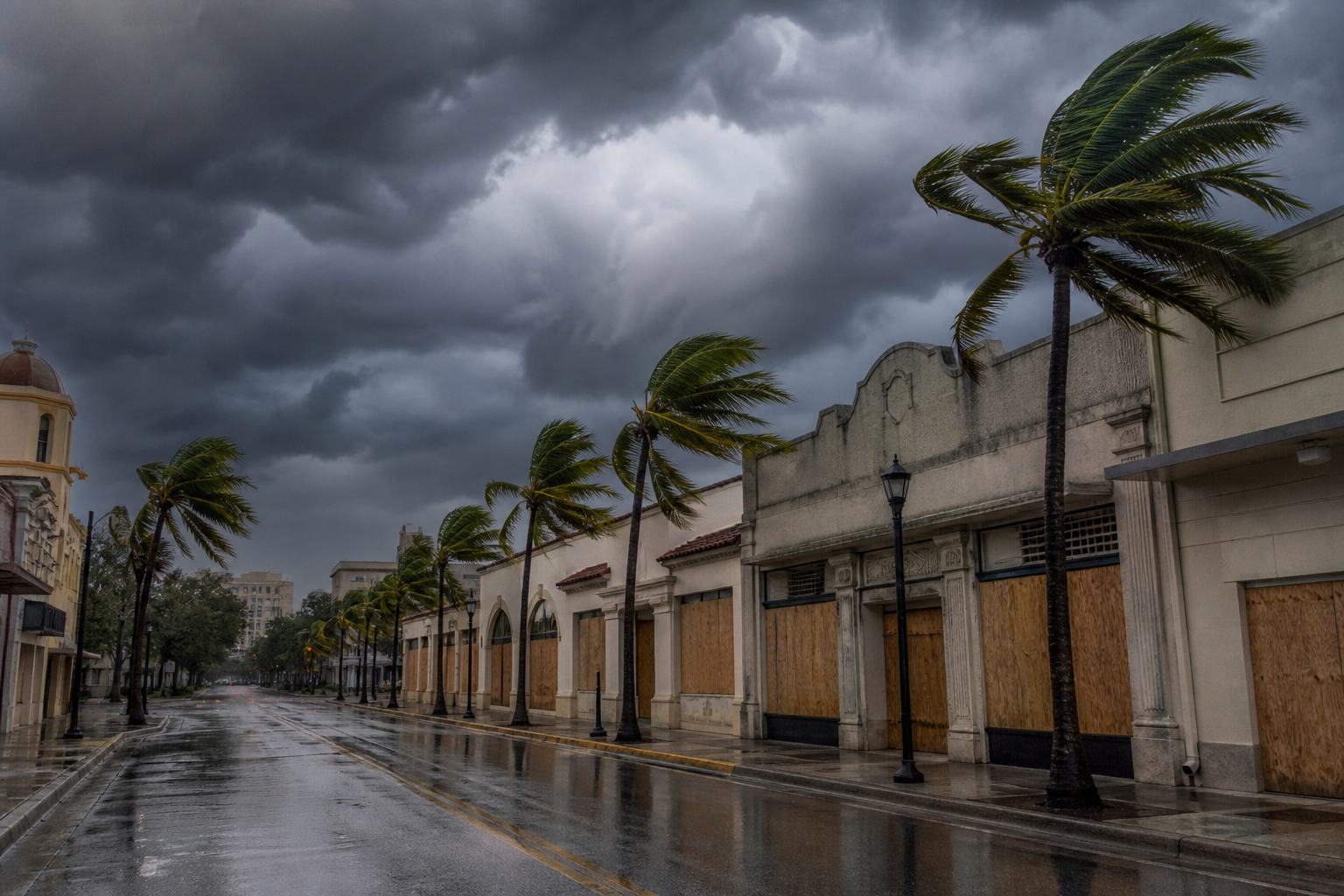
In addition to the factors already mentioned, the impact of climate change cannot be overlooked. As weather patterns become increasingly unpredictable, the frequency and severity of storms, floods, and other natural disasters are expected to escalate. Insurers are responding to this heightened risk by adjusting their pricing models, which can lead to further increases in premiums. Moreover, the reinsurance market, which provides insurance for insurers, is also feeling the pressure, as reinsurers face their own rising costs due to these environmental factors.
Furthermore, the economic landscape plays a crucial role in shaping insurance costs. Inflationary pressures have affected the cost of materials and labor, leading to higher rebuilding costs after a disaster. This means that insurers must account for these increased expenses when setting premiums. As a result, property owners may find themselves grappling with not only higher insurance rates but also the challenge of ensuring their properties are adequately covered against potential losses in an ever-evolving risk environment.
Explore the detailed industry report at Florida Surplus Lines Service Office.
Market Shifts: What the Decline in Homeowners Policies Means for Commercial Insurance
While this article focuses on commercial property insurance, it’s important to consider the broader insurance market context in Florida. Between 2014 and 2024, the number of active home insurance policies plummeted from 3.2 million to just 710,000. During the same period, Citizens Property Insurance Corporation’s market share ballooned from 6% to 63%. This shift signals a collapse in the private home insurance market and increasing reliance on the state-backed insurer.
For commercial property owners, this trend is a cautionary tale. It highlights the volatility and risk in Florida’s insurance environment. If the residential market struggles with capacity and affordability, commercial insurers may face similar pressures, especially after major storms or economic downturns. The interconnectedness of these markets means that the challenges faced by homeowners can ripple through to businesses, leading to increased premiums and stricter underwriting standards for commercial policies.
Moreover, the decline in homeowners policies may lead to a greater emphasis on risk management strategies among commercial property owners. As insurers tighten their belts, businesses may find themselves needing to invest more in preventive measures to protect their assets. This could include upgrading building materials to withstand severe weather, implementing advanced security systems, or even engaging in community resilience initiatives that bolster the local infrastructure. Such proactive steps not only help in securing better insurance terms but also contribute to the overall stability of the commercial real estate market.
Business owners should monitor market conditions closely and consider the stability and reputation of their insurers. Diversifying risk and maintaining strong loss prevention measures can help mitigate exposure to sudden market disruptions. Additionally, understanding the nuances of the commercial insurance landscape, including the types of coverage available and the specific risks associated with their industry, can empower business owners to make informed decisions that protect their investments.
For an in-depth look at these market changes, see the Deep Sky Research on Florida’s home insurance market.

The Role of Natural Defenses and Risk Mitigation in Insurance Costs
Florida’s vulnerability to hurricanes and storm surges makes natural defenses a critical factor in managing property risk. Mangroves, for example, have proven to be a powerful natural barrier. Research by Siddharth Narayan and colleagues found that mangroves reduce storm surge losses to properties by $67.5 million annually in Collier County alone.
The benefits of these natural buffers become even clearer when looking at specific hurricanes. During Hurricane Irma in 2017, mangroves helped reduce losses by an estimated $725 million. More recently, during Hurricane Ian in 2022, the savings soared to an estimated $4.1 billion. These figures underscore the value of preserving natural landscapes as part of a comprehensive risk management strategy.
For commercial property owners, investing in or supporting environmental resilience can translate into lower insurance premiums and reduced damage in the event of a storm. Insurers increasingly recognize these factors when underwriting policies, rewarding properties that demonstrate effective risk mitigation.
In addition to mangroves, other natural defenses such as wetlands and coral reefs also play a significant role in protecting coastal areas from storm impacts. Wetlands act as natural sponges, absorbing excess water and reducing flooding, while coral reefs dissipate wave energy, thereby lessening the force of storm surges. The preservation and restoration of these ecosystems are not just beneficial for the environment; they are also economically advantageous. Communities that prioritize the health of these natural defenses often see a boost in property values, as potential buyers are more likely to be attracted to areas with lower risk profiles.
Moreover, the integration of green infrastructure into urban planning has gained traction in recent years. Cities are increasingly adopting strategies that incorporate natural elements into their design, such as green roofs, permeable pavements, and urban forests. These initiatives not only enhance aesthetic appeal but also contribute to stormwater management and air quality improvement. As these practices become more widespread, they may further influence insurance costs by demonstrating a proactive approach to risk management, ultimately benefiting both property owners and insurers alike.
Learn more about the impact of mangroves on storm surge losses in the study published on
arxiv.org.
Preparing Your Business for Florida’s Insurance Landscape
With the insurance market still recovering and risks high, business owners must take proactive steps to protect their commercial properties. Here are some key considerations:
- Review Your Coverage Regularly: Insurance needs evolve. Ensure your policy reflects current property values, business operations, and risk factors.
- Invest in Risk Reduction: Strengthen your building against hurricanes, maintain natural barriers if possible, and implement fire prevention measures.
- Understand Policy Details: Know what is covered and excluded, especially regarding flood and wind damage, which often require separate policies.
- Work with Experienced Brokers: A knowledgeable insurance broker can help navigate complex markets and find policies tailored to your needs.
- Plan for Premium Increases: Budget for rising insurance costs and consider options like higher deductibles to manage premiums.
Time is a critical factor. Experts warn that “one big storm this fall could bring catastrophic losses to thousands of uninsured Florida homes,” a risk that extends to commercial properties as well. The insurance market’s reaction to climate risk is a bellwether for the broader economy, signaling the urgency for businesses to act now.
For expert insights on the urgency of insurance preparedness in Florida, visit Deep Sky Research.
How Commercial Property Insurance Protects Your Business
Commercial property insurance covers damage to your business property caused by events such as fire, theft, vandalism, and natural disasters. It typically includes coverage for the building itself, equipment, inventory, and sometimes even loss of income if your operations are interrupted.
In Florida, where hurricanes and flooding are common, standard commercial property insurance may not cover flood damage. Separate flood insurance policies are often necessary. Understanding these distinctions is essential to avoid gaps in coverage that could lead to significant out-of-pocket expenses after a disaster.
Additionally, commercial property insurance can help cover the costs of repairs, replacement, and liability claims if someone is injured on your property. This protection ensures that a single event does not derail your business financially.
Florida’s commercial property insurance is offered through both admitted and non-admitted markets. The admitted market is regulated by the state, providing policyholders with certain protections such as guaranteed claims handling and access to the Florida Insurance Guaranty Association if an insurer fails.
Non-admitted insurers, often called surplus lines carriers, are not regulated by the state but can offer coverage when admitted insurers decline. These policies can be more flexible but may come with higher premiums and fewer consumer protections.
| Feature | Admitted Market | Non-Admitted Market |
|---|---|---|
| Regulation | State-regulated | Not state-regulated |
| Consumer Protections | Yes, including guaranty funds | Limited or none |
| Policy Flexibility | Standardized forms | More customizable |
| Premiums | Generally lower | Often higher |
| Availability | More limited for high-risk properties | Available for higher risk or unique needs |
Choosing between these markets depends on your property’s risk profile, coverage needs, and budget. Consulting with an insurance professional can help determine the best fit for your business.
What Business Owners Should Watch for Moving Forward
Florida’s insurance market will continue evolving as climate risks increase and regulatory environments shift. Business owners should keep an eye on several trends:
- Legislative Changes: New laws can affect coverage availability and costs, so staying informed is crucial.
- Climate Risk Assessments: Insurers are increasingly using data to price risk more accurately, which may impact premiums.
- Market Capacity: The entry of new insurers can improve options, but market withdrawals remain a risk.
- Natural Defenses: Supporting environmental resilience may become a factor in underwriting and premium discounts.
Remaining proactive and informed will help business owners navigate these changes with confidence.
Frequently Asked Questions
Q: Does commercial property insurance cover flood damage in Florida?
A: Usually not. Flood damage typically requires a separate flood insurance policy, especially in high-risk areas.
Q: What should I do if my insurance premiums increase significantly?
A: Review your coverage with your broker, consider risk mitigation measures, and explore options like higher deductibles to manage costs.
Q: How can natural features like mangroves affect my insurance?
A: Natural barriers can reduce storm damage risk, potentially lowering insurance premiums and improving underwriting outcomes.
Q: What is the difference between admitted and non-admitted insurance markets?
A: Admitted insurers are state-regulated and offer more consumer protections, while non-admitted insurers provide more flexible coverage but fewer protections.
Q: How often should I review my commercial property insurance policy?
A: At least annually or after any significant changes to your property or business operations.
Q: Can legislative reforms improve insurance availability?
A: Yes. Recent Florida reforms have attracted new insurers and increased market capacity, benefiting policyholders.
Q: What risks should Florida commercial property owners be most prepared for?
A: Hurricanes, flooding, rising insurance costs, and market volatility are key risks to plan for.
Protecting your commercial property in Florida requires awareness, preparation, and ongoing management. Staying informed about market trends and risk factors will help you secure the coverage your business needs to thrive.
ABOUT THE AUTHOR:
MONTREAL MORAND
With over 20 years of leadership experience in the insurance industry, I’ve dedicated my career to helping clients and agents make informed, confident decisions about their coverage. I’ve led high-performing teams, managed more than $128 million in premium, and earned multiple national awards for excellence. Today, my mission remains the same — to educate, empower, and provide dependable protection for the communities we serve.
Contact Us
Protect the Things That Matter Most
Reliable Coverage for Your Home & Lifestyle
Home Insurance
Protect your home, belongings, and personal liability with reliable coverage.
Stronger Coverage for Your Operations
Essential Protection for Your Company
Coverage built for businesses that depend on people, property, and equipment.
Industries We Support
Insurance for Everyday Local Businesses
Simple, reliable protection for the people who keep our communities running.
Plumbers
Plumbers Insurance
Protection for job-site hazards, tools, and customer property.
Restaurants
Restaurants Insurance
Coverage for fire risks, food inventory, and general liability.
HVAC Contractors
HVAC Contractors Insurance
Insurance for service vehicles, equipment, and installation risks.




Frequently Asked Questions
Helpful Answers to Common Questions
Quick guidance to help you understand your coverage.
What types of insurance does Macpherson Insurance Agency offer?
We provide both personal and commercial insurance solutions. On the personal side: homeowners, automobile, condo, renters, windstorm, flood, excess flood, and more. On the commercial side: general liability, property, inland marine, ocean marine, workers compensation, and more.
Do you specialize in homeowners insurance in South Florida?
Yes. We specialize in homeowners coverage in South Florida and work with multiple carriers based on your property’s age, location and replacement cost.
What does “replacement cost” mean in a policy?
Replacement cost is the cost to rebuild your home to the same standard it had before a loss — not the market value of your property.
Why is it important that my insurer is licensed in Florida?
Licensed Florida insurers are continuously monitored for financial stability — if one fails, the Florida Insurance Guaranty Fund may reimburse insureds for unpaid claims up to a limit.
Can I lower my homeowners premium with discounts?
Yes — mitigation features like impact glass, storm shutters, roof straps, and approved sheathing may qualify you for significant credit reductions.
Do you offer payment plans or premium financing?
Yes. In many cases, payment plans and premium financing are available to make coverage more affordable and manageable over time.
From the Blog
Helpful Tips & Insurance Guidance
Articles created to make insurance easier to understand.






Contact Us
Phone
Location