Running a business in Florida means navigating a complex insurance landscape shaped by unique risks and market dynamics. General liability insurance is a cornerstone of protection for business owners, shielding them from the financial fallout of accidents, injuries, and lawsuits. Yet, the Florida insurance market has experienced significant shifts recently, making it more important than ever to understand what general liability coverage entails and how the state’s evolving conditions affect your policy.
Florida’s surplus lines market, which often serves businesses that cannot find coverage in the standard market, saw a remarkable 21% increase in premiums in July 2024 compared to the previous year. This surge reflects broader trends in insurance costs and availability across the state. For business owners, this means higher premiums and a need to be strategic about coverage choices. You can explore more about these market changes through
Reinsurance News’ report on Florida’s surplus lines market.
What Is General Liability Insurance and Why It Matters in Florida
General liability insurance protects businesses against claims involving bodily injury, property damage, and personal injury. For example, if a customer slips and falls on your premises or if your business operations cause damage to someone else’s property, this insurance helps cover legal fees, settlements, and medical costs.
Florida’s unique environment increases the importance of this coverage. The state’s high population density, frequent tourism, and exposure to natural disasters like hurricanes create a higher risk of liability claims. Business owners without adequate general liability insurance face potentially devastating out-of-pocket expenses.
Moreover, Florida’s legal climate has historically been challenging for insurers and businesses alike. However, recent legislative reforms have started to stabilize the market. According to the Active Property Care analysis, Florida insurers reported their first underwriting profit in eight years in 2024, thanks to rate increases and legal reforms that curb frivolous claims.
In addition to protecting against common risks, general liability insurance can also enhance a business's credibility. Clients and customers often feel more secure knowing that a business is insured, which can lead to increased trust and potentially more sales. This is particularly important in Florida's competitive market, where businesses must differentiate themselves to attract and retain customers. Furthermore, many contracts, especially those involving larger clients or government entities, may require proof of general liability insurance before work can commence, making it a crucial component for business operations.
Additionally, Florida's diverse industries, ranging from hospitality to construction, each face unique risks that can lead to liability claims. For instance, a restaurant may need to consider risks associated with food safety and customer service, while a construction company must navigate the complexities of job site safety and equipment use. Tailoring general liability insurance to address these specific risks not only provides better coverage but also ensures that businesses can operate with peace of mind, knowing they are protected against the unexpected challenges that may arise in their particular field.


By: Montreal Morand
Founder & Managing Partner
Macpherson Insurance Agency
How Florida’s Insurance Market Trends Impact General Liability Coverage
The cost of general liability insurance in Florida is influenced by several factors beyond your control. One major driver is the rising cost of reinsurance—the insurance that insurers buy to protect themselves against large losses. Locke Burt, CEO of Security First Insurance, sums it up plainly: “The simple answer is the cost of reinsurance skyrocketed.” This increase trickles down to business owners in the form of higher premiums.
Another factor is the surplus lines market, which has grown rapidly as some businesses struggle to find coverage in the standard market. In 2024, the surplus lines sector saw a 13% premium growth and an 8% increase in the number of policies compared to the previous year. This shift indicates more businesses are turning to specialty insurers willing to take on higher risks, often at a higher price point. You can read more about these developments at Reinsurance News.
Legal reforms have also played a role in stabilizing the market. A significant decline in claims-related litigation over the past two years has helped reduce the strain on insurers. The Insurance Information Institute credits legislative changes that limited abusive legal practices for this positive trend. For business owners, fewer lawsuits mean a better chance to keep insurance costs manageable.
Moreover, the economic landscape in Florida is also a contributing factor to the dynamics of general liability insurance. With a booming tourism industry and an influx of new residents, businesses are expanding rapidly, leading to increased demand for insurance products. This growth can create a competitive environment among insurers, which could potentially benefit consumers through more options and better pricing. However, it also means that businesses must remain vigilant about their coverage needs and ensure they are adequately protected against evolving risks.
Additionally, the impact of natural disasters cannot be overlooked. Florida's susceptibility to hurricanes and flooding means that insurers must account for these risks when determining premiums. As climate change continues to exacerbate weather patterns, insurers are increasingly cautious, leading to higher costs for businesses seeking coverage. This reality underscores the importance of comprehensive risk management strategies for Florida businesses, as they navigate not only the complexities of insurance pricing but also the potential for significant financial loss from unforeseen events.
Risks Specific to Florida Businesses and How to Protect Against Them
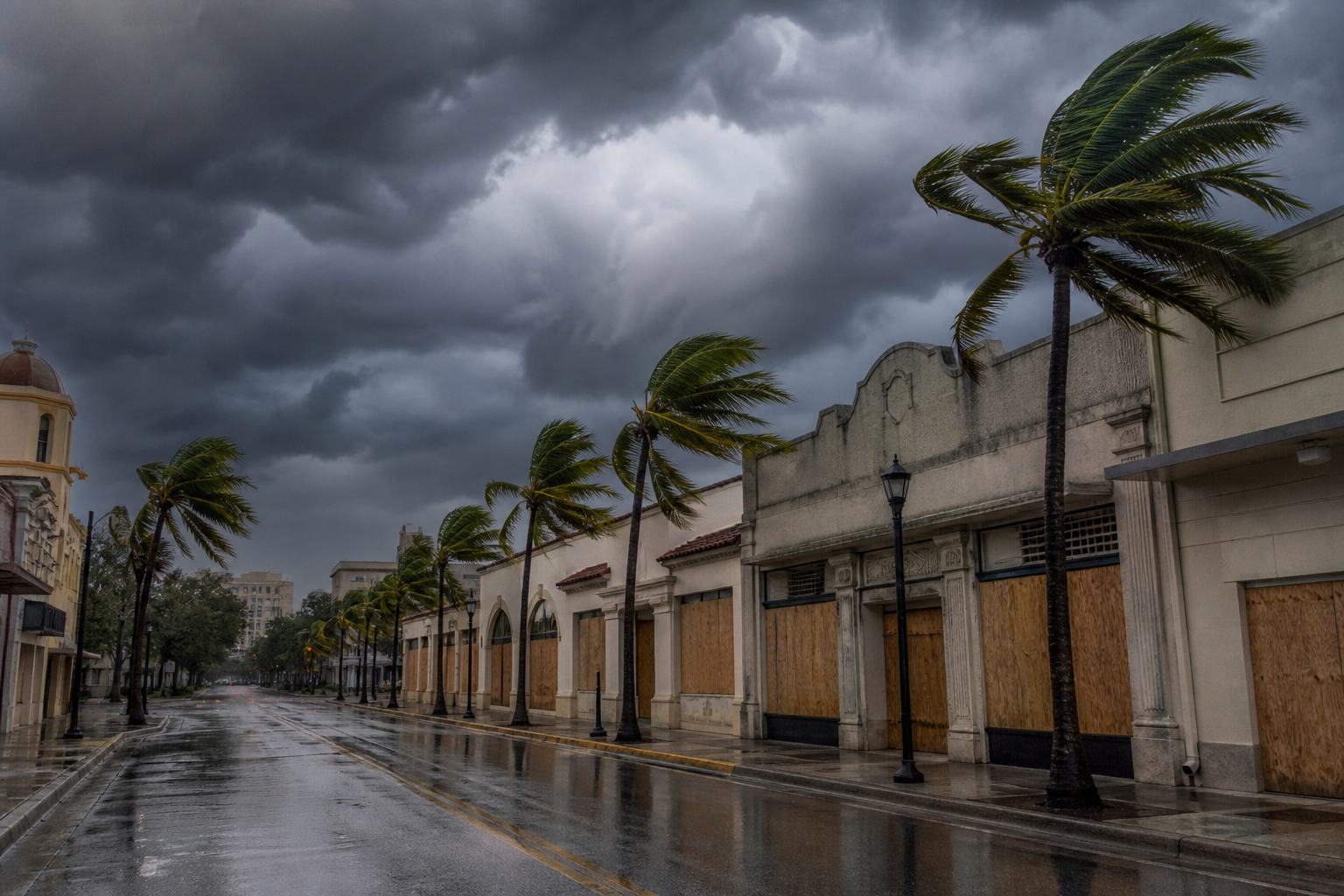
Florida’s exposure to hurricanes and other natural disasters poses a unique risk to businesses. From 2017 to 2023, the state suffered over $50 billion in insured losses from catastrophic events, with Hurricane Ian alone causing $65 billion in insured losses. While general liability insurance does not cover property damage from storms, it protects businesses from liability claims that can arise during disaster recovery, such as injuries on your premises or damage caused during cleanup. To further mitigate these risks, businesses should consider investing in specialized insurance products, such as business interruption insurance, which can provide financial support during periods when operations are halted due to severe weather. This type of coverage can help cover lost income and ongoing expenses, ensuring that businesses can recover more swiftly after a disaster.
Additionally, Florida’s high rate of insurance claim denials has led to an increase in lawsuits. Nearly 13% of homeowners who had claims denied sued their insurance companies in 2024, up from 12.4% in 2022, according to The Washington Post. While this statistic focuses on homeowners insurance, it reflects the litigious environment that businesses must also navigate. General liability insurance can help cover legal defense costs if your business faces a lawsuit. Moreover, businesses should implement proactive risk management strategies, such as regular training for employees on safety protocols and emergency response plans. By fostering a culture of preparedness, businesses can not only reduce the likelihood of accidents but also demonstrate to insurers that they are taking steps to minimize risk, which could lead to more favorable insurance terms.
Business owners should also be aware that some industry insiders remain cautious about Florida’s property and casualty market. An anonymous professional once remarked, “I’d rather invest in time-shares on the West Bank before I’d invest in Florida’s P&C market.” This skepticism underscores the importance of carefully evaluating your insurance options and working with knowledgeable brokers. Additionally, staying informed about legislative changes and market trends can empower business owners to make better decisions regarding their insurance needs. For instance, recent reforms aimed at stabilizing the insurance market could affect premium rates and coverage availability, making it crucial for business owners to regularly review their policies and adjust them as necessary to ensure adequate protection against evolving risks.

Choosing the Right General Liability Policy for Your Business
Not all general liability policies are created equal. Coverage limits, exclusions, and additional endorsements can vary widely. In Florida, it’s especially important to tailor your policy to your specific risks and business operations.
Consider the following when selecting a policy:
- Coverage Limits: Ensure your limits are sufficient to cover potential claims. Florida’s litigious environment means lawsuits can quickly exceed low limits.
- Additional Insureds: If you work with contractors or landlords, make sure they are added as additional insureds to your policy.
- Exclusions: Review what is excluded, such as professional liability or pollution claims, which may require separate coverage.
- Claims-Made vs. Occurrence: Most general liability policies are occurrence-based, covering incidents during the policy period, but verify this with your insurer.
Working with an experienced insurance agent who understands Florida’s market can help you navigate these details. They can also advise on whether you need to supplement your general liability with other coverages like commercial property or workers compensation.
Additionally, it’s crucial to assess the unique risks associated with your industry. For instance, businesses in the construction sector may face higher risks of bodily injury and property damage, necessitating a more comprehensive policy. On the other hand, a retail business might prioritize coverage for slip-and-fall incidents, which are common in customer-facing environments. Understanding these nuances can significantly influence your decision-making process and ensure that you are adequately protected against the specific liabilities you may encounter.
Furthermore, consider the financial stability and reputation of the insurance provider. Researching customer reviews and the insurer's claims-handling process can provide valuable insights into their reliability. A company that is known for prompt and fair claims processing can make a significant difference in your experience, especially when you need to file a claim. In a state like Florida, where natural disasters such as hurricanes can pose additional risks, having a trustworthy insurer can offer peace of mind that you will be supported when it matters most.
How Legislative Changes Are Shaping Business Insurance in Florida
Florida’s insurance market has been through turmoil, but 2024 brought some relief. Legislative reforms aimed at curbing abusive legal practices and improving rate-setting have helped insurers return to profitability. This shift is crucial because a healthier insurance market means better availability and pricing for business owners.
For instance, the decline in claims-related litigation has eased pressure on insurers, contributing to market stabilization. This change is detailed in the Insurance Information Institute’s report. While challenges remain, these reforms provide a foundation for more predictable insurance costs.
Business owners should stay informed about ongoing legislative developments, as further changes could impact coverage requirements and premiums. Staying proactive with your insurance strategy helps avoid surprises and ensures continued protection.
Additionally, the reforms have encouraged a more competitive environment among insurers, which can lead to innovative insurance products tailored to the unique needs of Florida businesses. For example, some insurers are now offering specialized coverage options for industries heavily affected by climate change, such as agriculture and tourism. These tailored policies not only address specific risks but also come with educational resources that help business owners understand their coverage better, ultimately leading to more informed decision-making.
Moreover, the legislative changes have also prompted a shift in how insurers assess risk. With improved data analytics and technology, insurers are now better equipped to evaluate potential hazards and adjust their underwriting processes accordingly. This means that businesses that implement robust risk management strategies may find themselves rewarded with lower premiums and more favorable terms. As the market continues to evolve, it will be essential for business owners to engage with their insurance providers actively, ensuring they leverage these new opportunities to enhance their coverage while managing costs effectively.
Practical Tips for Managing Your General Liability Insurance Costs
Given Florida’s rising insurance costs, managing premiums without sacrificing coverage is a priority. Here are some practical tips:
- Shop Around: Compare quotes from multiple insurers, including surplus lines carriers if standard markets are limited.
- Increase Deductibles: Higher deductibles can lower premiums but make sure you can afford out-of-pocket costs if a claim arises.
- Implement Safety Measures: Reducing workplace hazards can lower your risk profile and premiums.
- Bundle Policies: Combining general liability with other coverages like commercial auto or property may yield discounts.
- Review Annually: Regularly reassess your coverage needs and market options to adjust as your business evolves.
Remember, the cheapest policy may not provide adequate protection. Balancing cost with comprehensive coverage is key to long-term security.
Before You Go: Key Takeaways for Florida Business Owners
General liability insurance is essential in Florida’s challenging business environment. The state’s unique risks, from natural disasters to a litigious legal climate, make robust coverage a necessity rather than an option. Recent market trends show rising premiums and increased reliance on surplus lines insurers, reflecting broader shifts in risk and cost.
Legislative reforms have brought some stability, but business owners must remain vigilant. Understanding your policy’s details, working with knowledgeable agents, and actively managing your insurance strategy can help you navigate this complex market.
For a deeper dive into Florida’s insurance market dynamics, consider exploring the
Active Property Care analysis and the
Reinsurance News coverage.
Frequently Asked Questions
Q: Is general liability insurance required for all Florida businesses?
A: While not legally required for all, many clients and contracts demand it. It’s highly recommended to protect your business from lawsuits.
Q: How do hurricanes affect my general liability insurance?
A: General liability doesn’t cover property damage from hurricanes but protects against liability claims arising during storm-related incidents.
Q: Can I get general liability insurance if my business has a history of claims?
A: Yes, but premiums may be higher, and some insurers might require additional underwriting or place restrictions.
Q: What is the difference between general liability and professional liability insurance?
A: General liability covers bodily injury and property damage, while professional liability covers errors or negligence in professional services.
Q: How often should I review my general liability policy?
A: At least once a year or whenever your business undergoes significant changes to ensure coverage remains adequate.
Q: Does general liability insurance cover legal fees?
A: Yes, it typically covers legal defense costs related to covered claims, even if the lawsuit is groundless.
Q: Are there ways to lower my general liability insurance premiums?
A: Implementing safety programs, increasing deductibles, bundling policies, and shopping around can help reduce costs.
ABOUT THE AUTHOR:
MONTREAL MORAND
With over 20 years of leadership experience in the insurance industry, I’ve dedicated my career to helping clients and agents make informed, confident decisions about their coverage. I’ve led high-performing teams, managed more than $128 million in premium, and earned multiple national awards for excellence. Today, my mission remains the same — to educate, empower, and provide dependable protection for the communities we serve.
Contact Us
Protect the Things That Matter Most
Reliable Coverage for Your Home & Lifestyle
Home Insurance
Protect your home, belongings, and personal liability with reliable coverage.
Stronger Coverage for Your Operations
Essential Protection for Your Company
Coverage built for businesses that depend on people, property, and equipment.
Industries We Support
Insurance for Everyday Local Businesses
Simple, reliable protection for the people who keep our communities running.
Plumbers
Plumbers Insurance
Protection for job-site hazards, tools, and customer property.
Restaurants
Restaurants Insurance
Coverage for fire risks, food inventory, and general liability.
HVAC Contractors
HVAC Contractors Insurance
Insurance for service vehicles, equipment, and installation risks.




Frequently Asked Questions
Helpful Answers to Common Questions
Quick guidance to help you understand your coverage.
What types of insurance does Macpherson Insurance Agency offer?
We provide both personal and commercial insurance solutions. On the personal side: homeowners, automobile, condo, renters, windstorm, flood, excess flood, and more. On the commercial side: general liability, property, inland marine, ocean marine, workers compensation, and more.
Do you specialize in homeowners insurance in South Florida?
Yes. We specialize in homeowners coverage in South Florida and work with multiple carriers based on your property’s age, location and replacement cost.
What does “replacement cost” mean in a policy?
Replacement cost is the cost to rebuild your home to the same standard it had before a loss — not the market value of your property.
Why is it important that my insurer is licensed in Florida?
Licensed Florida insurers are continuously monitored for financial stability — if one fails, the Florida Insurance Guaranty Fund may reimburse insureds for unpaid claims up to a limit.
Can I lower my homeowners premium with discounts?
Yes — mitigation features like impact glass, storm shutters, roof straps, and approved sheathing may qualify you for significant credit reductions.
Do you offer payment plans or premium financing?
Yes. In many cases, payment plans and premium financing are available to make coverage more affordable and manageable over time.
From the Blog
Helpful Tips & Insurance Guidance
Articles created to make insurance easier to understand.







Contact Us
Phone
Location