Florida’s insurance market is unlike any other in the United States. The state’s unique mix of natural hazards and a highly litigious environment has pushed commercial insurance premiums to new heights. If you run a business in Florida, understanding commercial umbrella insurance is more important than ever. This coverage acts as a financial safety net, stepping in when your primary liability policies fall short.
In the first quarter of 2025, commercial auto liability premiums increased by 11.2%, while umbrella and excess liability premiums rose by 9.8%, the steepest hikes among major commercial lines according to Somainsure. These numbers highlight the growing cost pressures businesses face in Florida’s insurance landscape.
Why Florida’s Insurance Market Stands Out
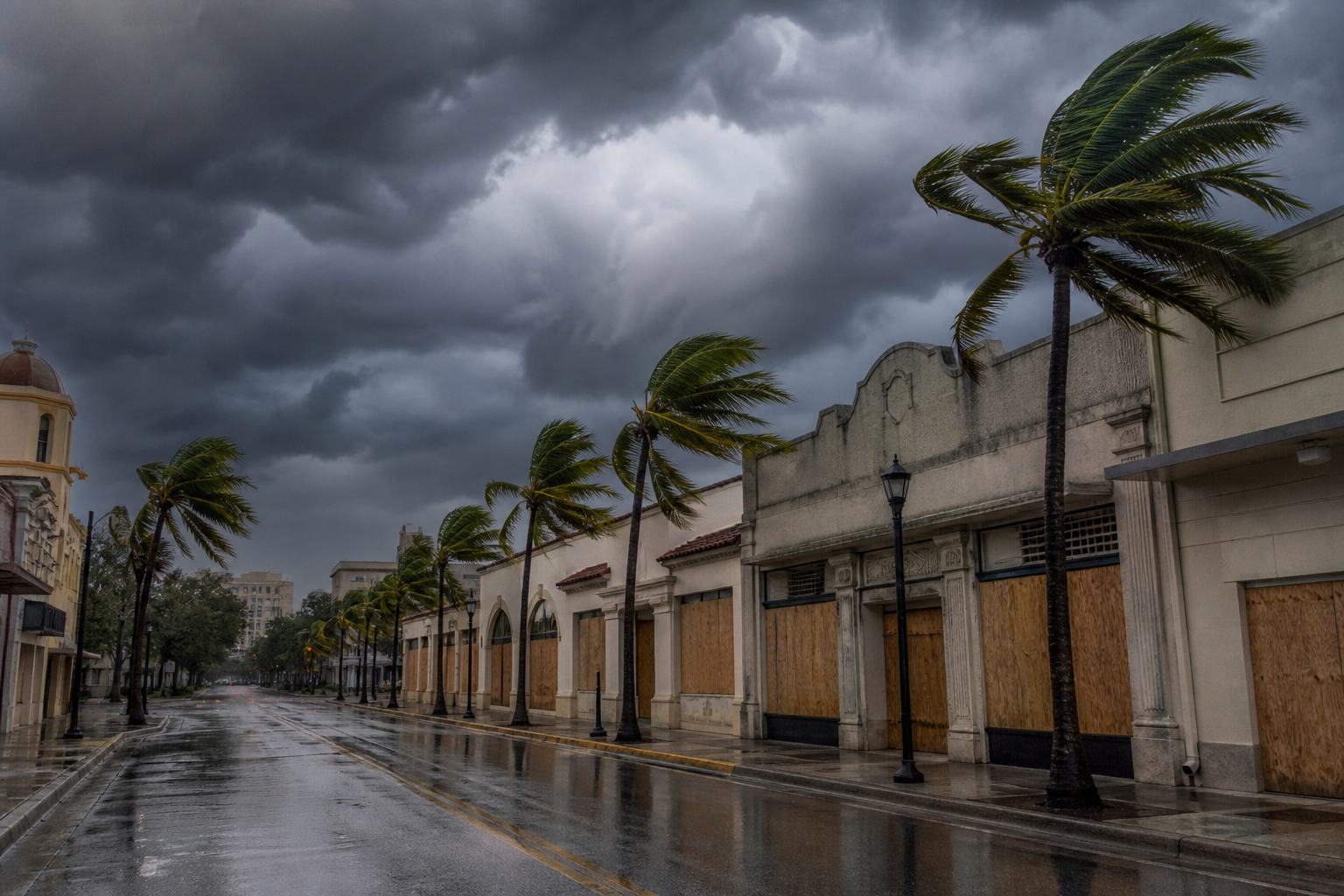
Florida’s exposure to hurricanes is often cited as a key factor driving up insurance costs. But the story goes deeper. The state’s legal environment has been a major contributor to rising premiums and claims costs. Don Matz, former president of Tower Hill Insurance, points out that “Florida is naturally more expensive because of the hurricane risk. But it’s the litigious environment that has really driven the problem for the insurance market for the last five years” (Warrington UF).
Between 2017 and 2021, Florida insurers paid out $51 billion over a decade, with nearly 75% of that amount going to attorney fees and public adjusters, while only 8% was allocated directly to claimants (The Title Report). This imbalance fuels the rising cost of coverage and creates a challenging environment for businesses seeking affordable protection. As a result, many small businesses are forced to either cut back on their coverage or face exorbitant premiums that can threaten their financial viability.
The Impact of Litigation on Commercial Insurance
Florida’s reputation as a hotspot for lawsuits is well-earned. In 2021, the state accounted for 76% of all home-insurance lawsuits filed nationwide, despite policyholders submitting only 7% of claims across the U.S. (University of Florida Report). This disproportionate litigation rate drives up costs not only for homeowners but also for commercial policyholders. The ripple effect of these legal battles extends beyond just insurance premiums; it can also impact the overall economic landscape of the state, as businesses may be less inclined to invest or expand in an environment where insurance costs are unpredictable and high.
Such a litigious climate means businesses often face claims that exceed their primary insurance limits. This is where commercial umbrella insurance becomes essential. It offers an extra layer of protection, covering gaps that could otherwise lead to devastating out-of-pocket expenses. Additionally, businesses are increasingly turning to risk management strategies to mitigate potential claims, such as implementing comprehensive safety protocols and employee training programs. These proactive measures not only help in reducing the likelihood of claims but also demonstrate to insurers that the business is committed to minimizing risk, potentially leading to more favorable premium rates.


By: Montreal Morand
Founder & Managing Partner
Macpherson Insurance Agency
What Is Commercial Umbrella Insurance and Why It Matters in Florida
Commercial umbrella insurance provides additional liability coverage beyond the limits of your existing policies, such as general liability, commercial auto, or employer’s liability. It kicks in when those policies reach their maximum payout, protecting your business from large claims or lawsuits that could threaten its financial stability.
Given Florida’s rising premiums and increasing claim costs, umbrella coverage is not just a luxury—it’s a necessity for many businesses. Between 2020 and 2022, umbrella claim costs increased by an average of 9.3%, nearly tripling the growth rate seen between 2009 and 2019 (3.4%) according to Gen Re. This trend reflects the growing financial risk businesses face without adequate umbrella protection. As Florida continues to attract new residents and businesses, the competitive landscape also intensifies, making it crucial for companies to safeguard their assets against unforeseen liabilities.
How Umbrella Insurance Works in Practice
Imagine your business is found liable for a severe accident involving a commercial vehicle. Your commercial auto liability policy might cover up to $1 million in damages. If the claim totals $2.5 million, your umbrella policy can cover the additional $1.5 million, preventing you from paying out of pocket.
This extra coverage is especially critical in Florida, where litigation and claim severity can push losses beyond standard policy limits. The Council of Insurance Agents & Brokers reported an average premium increase of 8.6% for umbrella insurance in Q3 2024, the highest among all commercial lines (Council of Insurance Agents & Brokers), underscoring the demand and risk associated with this coverage. Furthermore, the unique climate challenges in Florida, including hurricanes and flooding, can lead to increased liability claims, making umbrella insurance an essential component of a comprehensive risk management strategy. Businesses must consider the potential for natural disasters and their aftermath, which can amplify legal claims and financial repercussions.
Moreover, the landscape of commercial liability is constantly evolving, with new regulations and legal precedents emerging that can impact liability exposure. For instance, recent changes in Florida’s liability laws may affect how claims are processed and the extent of damages that can be awarded. This dynamic environment makes it vital for business owners to stay informed and ensure that their insurance policies, including umbrella coverage, are adequately tailored to meet their specific needs and risks. By doing so, they not only protect their financial interests but also enhance their overall business resilience in a challenging market.
Recent Legislative Changes and Their Effect on Florida’s Insurance Costs
In response to rising litigation costs, the Florida Legislature passed reforms in 2022 aimed at curbing excessive legal expenses. Key measures included eliminating the assignment of benefits to third parties and limiting attorney fees in certain claims (University of Florida Report).
These reforms are designed to reduce the financial burden on insurers, which could eventually help stabilize or even lower premiums. However, the effects will take time to materialize fully, and businesses should not expect immediate relief. Until then, robust umbrella coverage remains a critical safeguard.
What Businesses Should Know About These Reforms
While legislative changes aim to reduce frivolous claims and litigation costs, they do not eliminate the risk of large lawsuits. Businesses must continue to evaluate their insurance needs carefully. Umbrella insurance can provide a buffer against unexpected, high-cost claims that primary policies do not cover.
Experts remain cautious. An anonymous industry professional once remarked, “I’d rather invest in time-shares on the West Bank before I’d invest in Florida’s P&C market” (Florida Tort Reform Report). This skepticism highlights the ongoing challenges insurers face in the state. The insurance landscape in Florida is further complicated by the unique risk factors associated with the region, such as hurricanes and flooding, which can lead to significant claims. As climate change continues to exacerbate these risks, businesses must remain vigilant and proactive in their risk management strategies.
Additionally, the reforms have sparked a broader conversation about the balance between protecting consumers and ensuring a stable insurance market. Stakeholders, including business owners, insurance companies, and consumer advocacy groups, are closely monitoring the implementation of these changes. The hope is that by fostering a more predictable legal environment, Florida can attract more insurers to the market, ultimately benefiting consumers through increased competition and potentially lower rates. However, the road ahead is fraught with uncertainty, and businesses should be prepared to adapt to a continually evolving insurance landscape.

Who Needs Commercial Umbrella Insurance in Florida?
Not every business will require the same level of umbrella coverage, but certain industries and situations make it more critical. Companies with significant third-party interactions, such as contractors, transportation firms, and hospitality businesses, face higher liability risks. These industries often involve direct engagement with clients and the public, increasing the likelihood of incidents that could lead to costly lawsuits.
For example, a plumbing contractor working in client homes risks property damage claims that can escalate quickly. Without umbrella coverage, a single large claim could exceed their general liability limits, exposing the business to financial strain. Additionally, the contractor may also face claims related to bodily injury if a worker is injured on the job or if a client sustains an injury due to negligence. Such scenarios highlight the importance of having a safety net that can cover unexpected expenses and legal fees, which can quickly add up in a litigious environment.
Key Indicators That You Might Need Umbrella Coverage
- Your primary liability policies have relatively low limits compared to the size and scope of your operations.
- Your business uses commercial vehicles regularly, increasing the risk of auto liability claims.
- You operate in a high-litigation state like Florida, where lawsuits are more common and costly.
- Your industry faces frequent claims that can surpass standard policy limits, such as construction or hospitality.
Adding umbrella insurance can provide peace of mind and financial security in these scenarios. Moreover, businesses that host events or gatherings, such as hotels or event venues, should consider the potential liabilities associated with large crowds. Incidents like slip-and-fall accidents or property damage during events can lead to significant claims that might exceed standard liability coverage. In such cases, umbrella insurance acts as an additional layer of protection, ensuring that the business is not left vulnerable to overwhelming costs that could threaten its operations.
Furthermore, businesses that engage in activities with inherent risks, such as recreational services or adventure tourism, should also evaluate their need for umbrella coverage. These industries often face unique challenges and liabilities that can arise from accidents or injuries, making it essential to have robust insurance solutions in place. By investing in commercial umbrella insurance, businesses can safeguard their assets and ensure continuity, even in the face of unforeseen events that could otherwise jeopardize their financial stability.
Understanding the Cost of Umbrella Insurance in Florida
Premiums for commercial umbrella insurance have been climbing steadily. The 9.8% increase in umbrella/excess liability premiums in early 2025 reflects the ongoing risk insurers face (Somainsure).
Several factors influence the cost of umbrella insurance:
- Business size and revenue: Larger businesses typically pay higher premiums.
- Industry risk profile: High-risk industries face steeper rates.
- Claims history: A history of frequent or severe claims can increase costs.
- Location: Florida’s unique legal and weather risks drive premiums above the national average.
While umbrella insurance adds to overall insurance costs, it can save businesses from catastrophic losses that would far exceed the premium expense.
In addition to the factors already mentioned, the type of coverage a business chooses can also significantly impact the premium. For instance, businesses that opt for broader coverage limits or include additional endorsements may see higher rates, but these choices can provide critical protection in the event of a major lawsuit or unforeseen incident. Furthermore, the competitive landscape of the insurance market in Florida means that businesses should shop around and compare quotes from different insurers to find the best coverage options that suit their specific needs.
Another important consideration is the potential impact of Florida's legal environment on umbrella insurance costs. The state is known for its litigious nature, which can lead to more frequent and larger claims. This reality makes it essential for businesses to not only understand their insurance needs but also to stay informed about changes in state laws and regulations that could affect their coverage. Engaging with a knowledgeable insurance broker can help navigate these complexities and ensure that businesses are adequately protected against the unique risks they face in Florida.
How to Choose the Right Commercial Umbrella Policy
Selecting the right umbrella policy requires a clear understanding of your existing coverage and potential exposure. Start by reviewing your primary liability limits and assessing whether they are sufficient for your business risks.
Work with an experienced insurance agent who understands Florida’s market nuances. They can help tailor coverage limits and terms to your specific needs, ensuring you get the protection you need without paying for unnecessary extras.
Questions to Ask When Shopping for Umbrella Insurance
- What is the maximum coverage limit available, and how does it compare to my business risks?
- Does the policy cover all underlying liability policies, including commercial auto and employer’s liability?
- Are there any exclusions or gaps in coverage I should be aware of?
- How do recent Florida legal reforms affect my policy terms and premiums?
Answering these questions will help you make an informed decision and secure the best possible protection.
Wrapping Things Up: Why Umbrella Insurance Is Essential in Florida
Florida’s commercial insurance market is shaped by unique challenges. High hurricane risk combined with a litigious environment has driven premiums upward and increased the financial stakes for businesses. Commercial umbrella insurance offers a crucial layer of protection beyond standard policies, shielding companies from large claims that could otherwise be financially devastating.
With umbrella claim costs rising by 9.3% between 2020 and 2022 (Gen Re), and Florida’s legal landscape remaining complex despite recent reforms (University of Florida Report), businesses must consider umbrella coverage as a vital part of their risk management strategy.
Ignoring this extra protection could leave your business exposed to lawsuits and claims that exceed your primary insurance limits. In a state where litigation costs dominate, having a commercial umbrella policy is a smart move to safeguard your company’s future.
Frequently Asked Questions
Q: What does commercial umbrella insurance cover that my general liability policy does not?
A: It provides additional liability limits beyond your general liability, commercial auto, or employer’s liability policies, covering large claims that exceed those primary limits.
Q: Is commercial umbrella insurance required by law in Florida?
A: No, it is not legally required but highly recommended, especially given Florida’s high litigation risk and costly claims environment.
Q: How much umbrella coverage should my business carry?
A: Coverage amounts vary depending on your business size, industry, and risk exposure. An insurance professional can help determine the right limit for your situation.
Q: Will recent Florida legal reforms lower my umbrella insurance premiums?
A: The reforms aim to reduce litigation costs over time, but premium relief may be gradual. Umbrella insurance remains essential for protection against large claims.
Q: Can umbrella insurance cover claims from all my business locations?
A: Typically, yes, but you should confirm with your insurer that all locations and operations are included in the policy.
Q: Does commercial umbrella insurance cover employee injuries?
A: No, workers’ compensation covers employee injuries. Umbrella insurance covers third-party liability claims such as bodily injury or property damage to others.
Q: How does Florida’s litigation environment affect my insurance costs?
A: Florida’s high rate of lawsuits and attorney fees drives up claim costs, which in turn raises insurance premiums across all liability lines, including umbrella coverage.
ABOUT THE AUTHOR:
MONTREAL MORAND
With over 20 years of leadership experience in the insurance industry, I’ve dedicated my career to helping clients and agents make informed, confident decisions about their coverage. I’ve led high-performing teams, managed more than $128 million in premium, and earned multiple national awards for excellence. Today, my mission remains the same — to educate, empower, and provide dependable protection for the communities we serve.
Contact Us
Protect the Things That Matter Most
Reliable Coverage for Your Home & Lifestyle
Home Insurance
Protect your home, belongings, and personal liability with reliable coverage.
Stronger Coverage for Your Operations
Essential Protection for Your Company
Coverage built for businesses that depend on people, property, and equipment.
Industries We Support
Insurance for Everyday Local Businesses
Simple, reliable protection for the people who keep our communities running.
Plumbers
Plumbers Insurance
Protection for job-site hazards, tools, and customer property.
Restaurants
Restaurants Insurance
Coverage for fire risks, food inventory, and general liability.
HVAC Contractors
HVAC Contractors Insurance
Insurance for service vehicles, equipment, and installation risks.




Frequently Asked Questions
Helpful Answers to Common Questions
Quick guidance to help you understand your coverage.
What types of insurance does Macpherson Insurance Agency offer?
We provide both personal and commercial insurance solutions. On the personal side: homeowners, automobile, condo, renters, windstorm, flood, excess flood, and more. On the commercial side: general liability, property, inland marine, ocean marine, workers compensation, and more.
Do you specialize in homeowners insurance in South Florida?
Yes. We specialize in homeowners coverage in South Florida and work with multiple carriers based on your property’s age, location and replacement cost.
What does “replacement cost” mean in a policy?
Replacement cost is the cost to rebuild your home to the same standard it had before a loss — not the market value of your property.
Why is it important that my insurer is licensed in Florida?
Licensed Florida insurers are continuously monitored for financial stability — if one fails, the Florida Insurance Guaranty Fund may reimburse insureds for unpaid claims up to a limit.
Can I lower my homeowners premium with discounts?
Yes — mitigation features like impact glass, storm shutters, roof straps, and approved sheathing may qualify you for significant credit reductions.
Do you offer payment plans or premium financing?
Yes. In many cases, payment plans and premium financing are available to make coverage more affordable and manageable over time.
From the Blog
Helpful Tips & Insurance Guidance
Articles created to make insurance easier to understand.








Contact Us
Phone
Location