Florida’s HVAC industry is booming, with a market valued at $8.2 billion in 2024 and projected to reach $8.4 billion by 2025. This rapid growth reflects the state’s hot and humid climate, which drives constant demand for heating, ventilation, and air conditioning services. However, along with opportunity comes risk. HVAC contractors face unique challenges that make insurance not just a formality but a critical business safeguard. Understanding the types of coverage available and how they protect your business can mean the difference between weathering a claim or facing financial ruin.
Before diving into insurance specifics, it’s important to grasp the broader context of Florida’s insurance landscape. The state’s home insurance market has contracted sharply over the past decade, shrinking by 78% from 3.2 million active policies in 2014 to just 710,000 in 2024. This contraction signals a tightening insurance environment, partly driven by climate-related risks and legal challenges. For HVAC contractors, this means insurance options can be complex and sometimes costly, but legislative efforts have started to ease some pressures on businesses in recent years. For more on the insurance market trends, Deep Sky Research offers detailed insights.
Why HVAC Contractor Insurance Is Essential in Florida
HVAC contractors work in environments full of potential hazards. From installing heavy equipment on rooftops to handling refrigerants and electrical components, the risk of accidents, property damage, or injury is high. Insurance protects your business from financial losses that could arise from these risks.
One of the biggest claim drivers in this industry is not the equipment itself but damage to client property. Imagine a scenario where a contractor accidentally causes water damage during an air conditioning installation. Without proper insurance, the cost to repair that damage could come straight out of the contractor’s pocket.
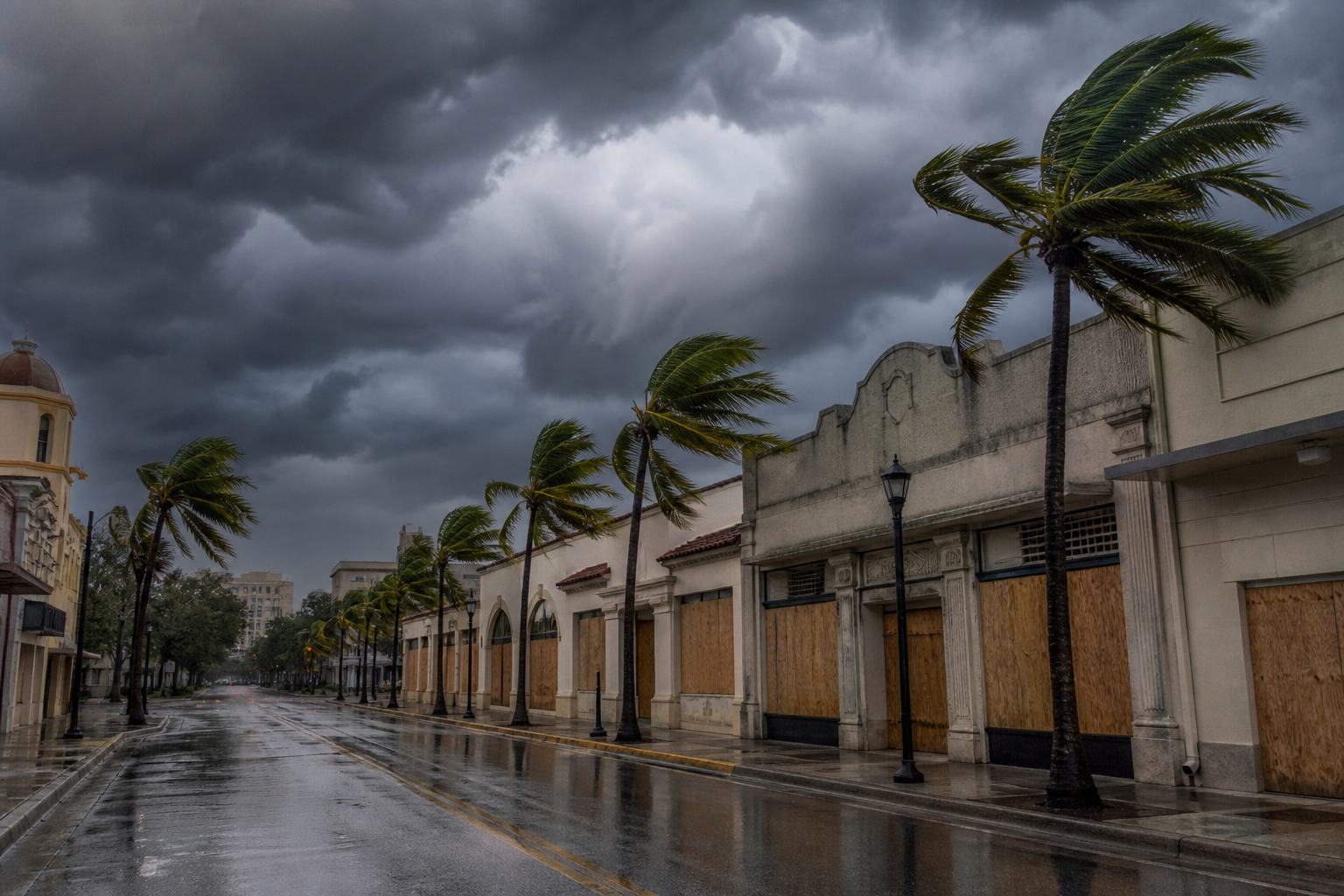
Florida’s climate adds another layer of risk. The state frequently faces hurricanes, flooding, and extreme weather events that can trigger a surge in claims. This environment makes having robust coverage even more critical. While the home insurance market has seen a 78% drop in active policies over the last decade, the HVAC market continues to grow, emphasizing the need for specialized insurance products tailored to this sector. For a detailed look at the HVAC market’s growth, ACFixFinder provides a comprehensive analysis.
Moreover, the legal landscape in Florida can be quite complex, with various regulations governing the HVAC industry. Contractors must navigate not only state laws but also local ordinances that can vary significantly from one municipality to another. This complexity increases the likelihood of unintentional violations, which can lead to costly fines or legal battles. Having insurance can provide a safety net, ensuring that legal fees and settlement costs do not cripple a business financially.
Additionally, customer expectations are evolving in today’s market. Clients are increasingly aware of their rights and the standards they expect from service providers. This heightened awareness means that even minor mishaps can lead to disputes or claims against contractors. Insurance not only protects contractors from financial repercussions but also enhances their credibility in the eyes of potential clients. When customers see that a contractor is insured, it instills confidence and can be a deciding factor in choosing one service provider over another.


By: Montreal Morand
Founder & Managing Partner
Macpherson Insurance Agency
Types of Insurance Coverage HVAC Contractors Need
General Liability Insurance
This is the cornerstone of HVAC contractor insurance. It covers bodily injury, property damage, and personal injury claims that arise from your business operations. For example, if a client slips and falls on your worksite or if your team accidentally damages a customer’s property, general liability insurance helps cover legal fees, medical expenses, and settlement costs. Moreover, this insurance can also protect against claims related to advertising injuries, such as copyright infringement or defamation, which can arise if your promotional materials inadvertently mislead potential clients.
Commercial Property Insurance
Protecting your tools, equipment, and business premises is vital. Commercial property insurance covers losses due to fire, theft, vandalism, and certain natural disasters. Given Florida’s exposure to hurricanes and storms, this coverage can be a lifesaver. It ensures that your business can recover quickly if your physical assets are damaged or destroyed. Additionally, this insurance can extend to cover loss of income during the time your business is unable to operate due to covered damages, allowing you to maintain financial stability even in challenging times.
Workers’ Compensation Insurance
Florida law requires most businesses with employees to carry workers’ compensation insurance. HVAC work is physically demanding and risky, with a higher chance of injury on the job. This insurance covers medical costs and lost wages for employees injured while working, protecting both workers and employers from costly lawsuits. Furthermore, having this coverage can enhance your company's reputation, as it demonstrates a commitment to employee safety and well-being, which can be a significant factor in attracting skilled labor in a competitive job market.
Commercial Auto Insurance
Many HVAC contractors rely on company vehicles to transport tools and equipment. Commercial auto insurance covers accidents involving these vehicles, including liability for bodily injury and property damage, as well as physical damage to the vehicles themselves. This coverage can also include protection against uninsured or underinsured motorists, which is crucial in the event of an accident where the other party lacks adequate insurance. Additionally, some policies may offer coverage for equipment that is damaged while being transported, ensuring that your investment in tools is safeguarded during transit.
Professional Liability Insurance
Also known as errors and omissions insurance, this coverage protects against claims of negligence, mistakes, or failure to perform professional duties. While less common in HVAC than in other trades, it can be important for contractors offering design or consulting services. This insurance can cover the costs associated with defending against claims, including legal fees and settlements, which can be substantial. As HVAC systems become more complex and energy-efficient technologies gain traction, the potential for disputes over design decisions or system performance increases, making professional liability insurance an essential consideration for forward-thinking contractors.
How Florida’s Insurance Market Trends Affect HVAC Contractors
The state’s insurance market has been under pressure for years. The sharp decline in home insurance policies—from 3.2 million in 2014 to 710,000 in 2024—reflects the challenges insurers face in Florida’s high-risk environment. Max Dugan-Knight, a climate data scientist with Deep Sky, described this as “the financial system’s early warning of climate catastrophe.” This context matters for HVAC contractors because it influences policy availability, pricing, and coverage terms.
Despite these challenges, 2024 brought some positive developments. Citizens Property Insurance Corp. announced a 5.6% average statewide rate reduction, signaling a slight easing of insurance costs. Additionally, private insurers have started to re-enter the market, reducing the burden on the state-backed insurer and increasing options for consumers and businesses alike. These shifts can indirectly benefit HVAC contractors by stabilizing the broader property insurance market. More details on these trends are available from Deep Sky Research.
Legislative efforts have also played a role. Florida has taken steps to curb legal system abuse, which has historically driven up insurance costs. According to Mark Friedlander of the Insurance Information Institute, these reforms have positioned Florida residents and businesses better in the insurance market. For HVAC contractors, this means more manageable premiums and improved access to coverage. Learn more about these legislative impacts at HVAC Insure.
Moreover, the evolving landscape of Florida's insurance market has prompted HVAC contractors to adapt their business strategies. With the increased focus on energy efficiency and sustainability, many contractors are now offering eco-friendly HVAC solutions that not only meet modern regulatory standards but also appeal to environmentally conscious consumers. This shift not only enhances their service offerings but can also lead to potential insurance discounts for clients who invest in energy-efficient systems, thus creating a win-win situation for both contractors and homeowners.
Additionally, as the insurance market stabilizes, HVAC contractors may find it easier to secure bonding and insurance for larger projects. This could open doors to more lucrative contracts, particularly in commercial sectors where comprehensive insurance coverage is often a prerequisite. The ability to navigate the insurance landscape effectively will become a crucial skill for contractors aiming to expand their operations and take on more significant projects in the coming years.

Choosing the Right Insurance Policy for Your HVAC Business
Finding the right insurance policy requires understanding your specific risks and business needs. Here are some key factors to consider:
- Business Size and Scope: Larger businesses with more employees and vehicles typically need broader coverage.
- Services Offered: Installation, repair, maintenance, and consulting services carry different risk profiles.
- Client Base: Residential versus commercial clients may affect liability exposure.
- Legal Requirements: Compliance with Florida’s workers’ compensation and licensing laws is mandatory.
Working with an insurance professional who understands Florida’s HVAC market can help tailor a policy that balances cost and protection. Given the state’s unique risks, a one-size-fits-all approach rarely works. For instance, the humid climate of Florida can lead to specific challenges, such as mold growth and increased wear and tear on HVAC systems, which may necessitate additional coverage options. Moreover, understanding local regulations and industry standards can further refine your insurance needs, ensuring that you are not only compliant but also adequately protected against potential claims.
Coverage Comparison Table
| Coverage Type | What It Covers | Why It Matters for HVAC Contractors |
|---|---|---|
| General Liability | Bodily injury, property damage, legal fees | Protects against accidents and property damage claims |
| Commercial Property | Tools, equipment, business premises | Essential for replacing damaged or stolen assets |
| Workers’ Compensation | Employee injuries and medical costs | Required by law; protects employees and business |
| Commercial Auto | Company vehicle accidents and damages | Coverage for vehicles used in business operations |
| Professional Liability | Negligence, errors, omissions | Protects against claims related to professional services |
In addition to these standard coverages, HVAC businesses may also want to consider specialized policies such as equipment breakdown insurance, which covers the repair or replacement of critical HVAC systems that may fail unexpectedly. This type of coverage is particularly important given the high cost of HVAC equipment and the potential for lost business during downtime. Furthermore, cyber liability insurance is becoming increasingly relevant as HVAC companies adopt more technology-driven solutions, including smart thermostats and remote monitoring systems. Protecting sensitive customer data and ensuring business continuity in the face of cyber threats is essential in today’s digital landscape.
Managing Risks Beyond Insurance
Insurance is a safety net, but risk management starts with proactive steps. HVAC contractors should invest in employee training, safety protocols, and regular equipment maintenance. These measures reduce the likelihood of accidents and claims.
Florida’s HVAC industry employs over 42,000 workers across more than 10,000 establishments. With such a large workforce, maintaining a culture of safety benefits everyone. It also helps control insurance premiums by demonstrating to insurers that your business is a lower risk.
Staying informed about regulatory changes and market trends is equally important. The state’s insurance environment is evolving, and businesses that adapt quickly can find better coverage at more competitive rates.
Before You Go: What to Remember About HVAC Contractor Insurance in Florida
Florida’s heating and cooling businesses operate in a complex insurance landscape shaped by climate risks and legal reforms. While the home insurance market has seen significant contraction, the HVAC sector continues to thrive, underscoring the need for tailored insurance solutions.
Choosing the right coverage means understanding your business’s unique risks and working with knowledgeable professionals. General liability, workers’ compensation, commercial property, and auto insurance form the foundation of protection, with professional liability adding an extra layer if needed.
Keep an eye on market developments. The recent rate reductions by Citizens Property Insurance Corp. and the return of private insurers signal a more balanced market. These changes can help HVAC contractors secure better policies at fairer prices. For ongoing updates on Florida’s insurance market, the Insurance Business Magazine is a reliable resource.
Frequently Asked Questions
Q: Is workers’ compensation insurance mandatory for HVAC contractors in Florida?
A: Yes. Florida law requires most businesses with employees to carry workers’ compensation insurance to cover workplace injuries.
Q: Can I get insurance if my HVAC business operates only with subcontractors?
A: Yes, but coverage needs may differ. It’s important to clarify who is responsible for insurance in subcontractor agreements.
Q: How does Florida’s climate affect HVAC contractor insurance?
A: The state’s exposure to hurricanes and storms increases risk, which can impact premiums and coverage requirements.
Q: What should I look for in a general liability policy?
A: Ensure it covers bodily injury, property damage, and legal defense costs related to your business operations.
Q: Are there any recent changes in Florida’s insurance market that HVAC contractors should know?
A: Yes. Recent rate reductions and legislative reforms have improved insurance availability and affordability.
Q: How can I lower my insurance premiums?
A: Implementing safety programs, maintaining equipment, and working with an experienced insurance agent can help reduce costs.
Understanding the nuances of HVAC contractor insurance in Florida is key to protecting your business and ensuring long-term success. With the right coverage and risk management strategies, contractors can focus on what they do best-keeping Florida comfortable year-round.
ABOUT THE AUTHOR:
MONTREAL MORAND
With over 20 years of leadership experience in the insurance industry, I’ve dedicated my career to helping clients and agents make informed, confident decisions about their coverage. I’ve led high-performing teams, managed more than $128 million in premium, and earned multiple national awards for excellence. Today, my mission remains the same — to educate, empower, and provide dependable protection for the communities we serve.
Contact Us
Protect the Things That Matter Most
Reliable Coverage for Your Home & Lifestyle
Home Insurance
Protect your home, belongings, and personal liability with reliable coverage.
Stronger Coverage for Your Operations
Essential Protection for Your Company
Coverage built for businesses that depend on people, property, and equipment.
Industries We Support
Insurance for Everyday Local Businesses
Simple, reliable protection for the people who keep our communities running.
Plumbers
Plumbers Insurance
Protection for job-site hazards, tools, and customer property.
Restaurants
Restaurants Insurance
Coverage for fire risks, food inventory, and general liability.
HVAC Contractors
HVAC Contractors Insurance
Insurance for service vehicles, equipment, and installation risks.




Frequently Asked Questions
Helpful Answers to Common Questions
Quick guidance to help you understand your coverage.
What types of insurance does Macpherson Insurance Agency offer?
We provide both personal and commercial insurance solutions. On the personal side: homeowners, automobile, condo, renters, windstorm, flood, excess flood, and more. On the commercial side: general liability, property, inland marine, ocean marine, workers compensation, and more.
Do you specialize in homeowners insurance in South Florida?
Yes. We specialize in homeowners coverage in South Florida and work with multiple carriers based on your property’s age, location and replacement cost.
What does “replacement cost” mean in a policy?
Replacement cost is the cost to rebuild your home to the same standard it had before a loss — not the market value of your property.
Why is it important that my insurer is licensed in Florida?
Licensed Florida insurers are continuously monitored for financial stability — if one fails, the Florida Insurance Guaranty Fund may reimburse insureds for unpaid claims up to a limit.
Can I lower my homeowners premium with discounts?
Yes — mitigation features like impact glass, storm shutters, roof straps, and approved sheathing may qualify you for significant credit reductions.
Do you offer payment plans or premium financing?
Yes. In many cases, payment plans and premium financing are available to make coverage more affordable and manageable over time.
From the Blog
Helpful Tips & Insurance Guidance
Articles created to make insurance easier to understand.






Contact Us
Phone
Location